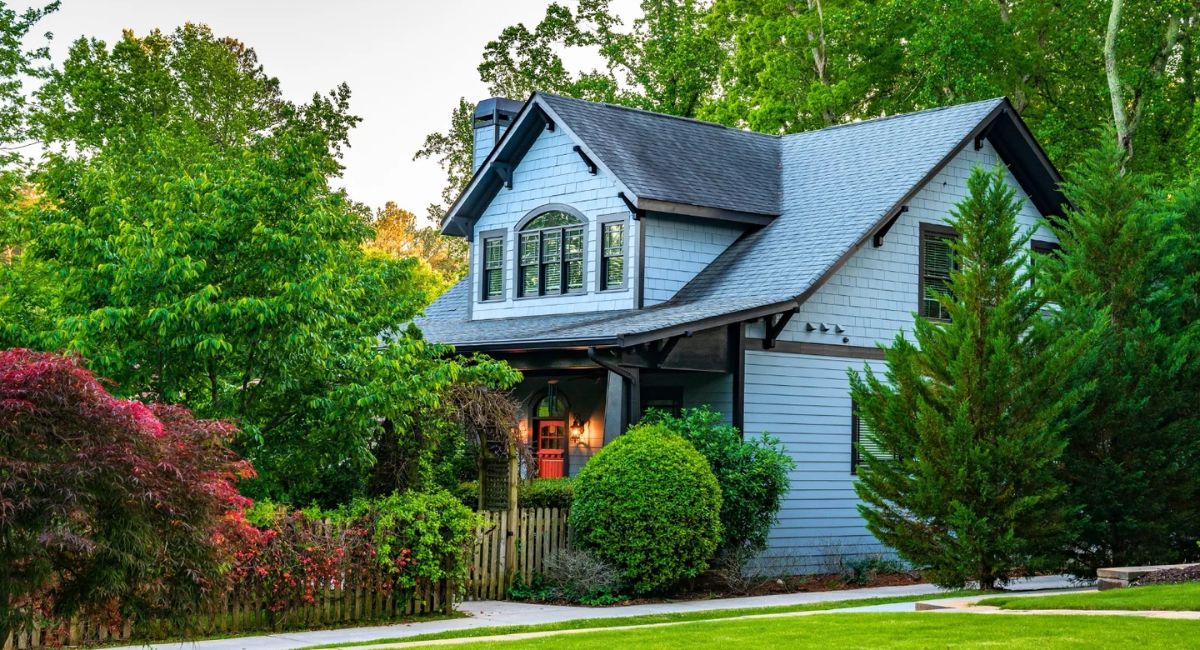
When we bought our house, the front of it looked bare — just bare mulch hugging the foundation and a single overgrown shrub blocking half a window. I had no idea where to start, so I spent a weekend at the local garden center asking the staff what foundation plants would actually work for our shady north-facing front yard. They steered me toward boxwoods and hostas, and three years later, that same bare strip of dirt is now the prettiest part of our property. Choosing the right foundation plants made a bigger difference to our curb appeal than almost anything else we did.
Foundation plants are one of the easiest ways to improve a home’s appearance and create a welcoming landscape. These shrubs, perennials, and small trees are planted along the base of a house to soften hard lines, hide exposed foundations, and add color and texture throughout the year. Beyond their beauty, foundation plants can increase curb appeal and even boost property value when chosen carefully. In this guide, you’ll learn what foundation plants are, the best varieties for different conditions, common problems and solutions, and essential care tips to keep your landscape healthy, attractive, and thriving for many years.
Learn to choose, plant, and care for foundation plants with expert tips, common problems, and stunning landscape varieties everywhere.
Table of Contents
- What Are Foundation Plants?
- Types and Varieties of Foundation Plants
- Benefits and Importance of Foundation Plants
- Common Problems, Signs, and Symptoms
- Causes of These Problems
- How to Care for Foundation Plants: Step-by-Step
- Prevention Tips
- Common Mistakes to Avoid
- Expert Tips
- Frequently Asked Questions
- Conclusion
- Key Takeaways
What Are Foundation Plants?
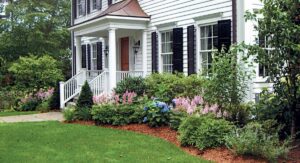
Foundation plants are shrubs, perennials, ornamental grasses, and small trees planted directly along the base, or foundation, of a house. The tradition dates back over a century, originally used to hide the raw concrete or stone foundations of homes before landscaping became more sophisticated.
Today, foundation plants serve a much bigger purpose than just disguise. They create a transition between the hard, vertical lines of a house and the softer, horizontal lines of the yard. Done well, foundation planting frames windows, highlights entryways, and gives a home a polished, intentional look.
Good foundation plants are chosen based on mature size, growth habit, light requirements, and how close they’ll sit to the house. Unlike plants in the middle of a yard, foundation plants need to handle reflected heat from siding, limited soil space, and potential drainage issues from rooflines and gutters above them.
Whether evergreen or flowering, foundation plants are typically chosen for year-round structure first, with seasonal color as a bonus. That’s why evergreens like boxwood, holly, and yew show up so often in foundation plantings — they keep the home looking finished even in winter when most other plants have gone dormant.
Types and Varieties of Foundation Plants
The best foundation plants vary by climate, sunlight, and the style of the home. Here are some of the most popular and reliable choices.
Evergreen Shrubs
- Boxwood (Buxus) — Classic, dense, and easy to shape. Works in formal and casual landscapes alike.
- Holly (Ilex) — Glossy leaves and winter berries. Many compact varieties suit smaller spaces.
- Yew (Taxus) — Extremely shade-tolerant and forgiving of pruning mistakes.
- Arborvitae (Thuja) — Great for taller, narrow plantings near corners or windows.
- Dwarf Alberta Spruce—A neat, conical shape that adds structure without overwhelming a small bed.
Flowering Shrubs
- Hydrangea — Big, showy blooms that add serious color from summer into fall.
- Azalea and Rhododendron — Spring bloomers that thrive in acidic, well-draining soil and partial shade.
- Spirea — Compact and low-maintenance with reliable spring or summer flowers depending on variety.
- Knockout Roses — Disease-resistant and long-blooming, ideal for sunny foundation beds.
Perennials and Grasses
- Hosta — A go-to for shady foundation beds, prized for lush foliage rather than flowers.
- Daylily — Tough, drought-tolerant, and reliable bloomers for sunnier spots.
- Ornamental grasses (like dwarf fountain grass) — Add movement and texture, especially nice near corners.
- Coral bells (Heuchera) — Compact and colorful, great for edging foundation beds.
Small Ornamental Trees
- Japanese maple — A stunning focal point near entryways, especially in partial shade.
- Dwarf crape myrtle — Adds summer flowers and works well in warmer climates.
Benefits and Importance of Foundation Plants
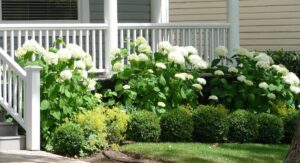
Foundation plants aren’t just decorative — they offer real, practical value to a home and property. Here’s why they matter.
- Boosts curb appeal — Well-chosen foundation plants are one of the fastest ways to make a home look more attractive and well cared for.
- Increases home value — Real estate studies consistently show that strong landscaping, including foundation plants, can increase a home’s perceived value and help it sell faster.
- Softens architecture — Foundation plants ease the transition between a house’s hard lines and the open yard, making the whole property feel more cohesive.
- Hides foundation flaws—Cracks, stains, or uneven concrete along the base of a home are far less noticeable behind a row of attractive shrubs.
- Provides privacy — Taller foundation plants near windows can add a layer of privacy from the street without blocking natural light entirely.
- Reduces erosion near the house — Plant roots help stabilize soil right next to the foundation, which can reduce erosion from roof runoff.
- Supports local wildlife — Flowering foundation plants attract pollinators, while berry-producing shrubs like holly provide food for birds through winter.
- Creates year-round structure — Evergreen foundation plants keep a home looking finished and intentional even in the dead of winter when other parts of the landscape go dormant.
- Frames key features—Foundation plants draw the eye toward entryways, porches, and windows, helping guide a visitor’s first impression of the home.
Common Problems, Signs, and Symptoms
Even well-chosen foundation plants run into trouble, especially given their close proximity to the house. Here’s what to watch for.
Yellowing or Browning Leaves
This is often one of the first signs something’s off. Yellowing can point to overwatering, poor drainage, or nutrient deficiency, while browning — especially on evergreens — often signals winter burn, drought stress, or root damage.
Leggy or Sparse Growth
Foundation plants placed too close to a house often stretch toward available light, leading to thin, leggy growth on the side facing the house and dense growth on the outward-facing side.
Overgrown or Crowding the House
One of the most common foundation plant problems is simply outgrowing the space. Shrubs planted too close to siding or windows eventually block views, trap moisture against the house, and require constant pruning to manage.
Fungal Diseases
- Powdery mildew — White, dusty coating on leaves, common in shaded, poorly ventilated foundation beds.
- Root rot — Caused by poor drainage near the foundation, especially in beds without proper grading away from the house. Roots turn mushy and plants decline rapidly.
- Leaf spot diseases — Brown or black spots on foliage, often worsened by water splashing up from mulch during rain or irrigation.
- Boxwood blight—A serious fungal disease causing rapid browning and defoliation in boxwood hedges, spread through contaminated tools or nursery stock.
Bacterial and Viral Issues
- Fire blight — Affects plants in the rose family, including some flowering shrubs, causing blackened, scorched-looking branch tips.
- Crown gall — Bacterial infection causing rough, swollen growths near the base of woody foundation plants.
Pest Problems
- Boxwood leafminer — Causes blistered, discolored patches on boxwood leaves.
- Scale insects — Small, shell-like bumps on stems, common on hollies and other evergreens.
- Spider mites — Fine webbing and stippled leaves, especially during hot, dry summers.
- Japanese beetles — Skeletonize leaves on roses, hydrangeas, and other susceptible foundation shrubs during summer months.
Causes of These Problems
Knowing why foundation plant problems happen makes it much easier to prevent them.
- Poor drainage near the house — Rooflines and gutters direct large amounts of water toward foundation beds, often more than typical garden soil can handle.
- Planting too close to the structure — This limits airflow, increases humidity against the siding, and sets plants up to outgrow their space quickly.
- Wrong plant for the light conditions — A sun-loving shrub planted on a shaded north side (or vice versa) will always struggle, no matter how well it’s cared for otherwise.
- Reflected heat from siding—South- and west-facing foundation beds can run significantly hotter than the rest of the yard, stressing plants not suited to that heat.
- Compacted or poor-quality soil — Construction often leaves foundation soil compacted and depleted of nutrients.
- Mulch piled against stems—This traps moisture against the base of plants, encouraging rot and disease.
- Lack of regular pruning — Skipping maintenance allows shrubs to overgrow, become dense, and develop poor airflow internally, which invites fungal issues.
How to Care for Foundation Plants: Step-by-Step

Follow this routine to keep your foundation plants healthy, attractive, and properly sized for years to come.
Step 1: Assess Your Site Conditions
Before planting, observe how much sun each side of your house receives, check soil drainage by digging a small test hole and filling it with water, and note any spots where water tends to pool after rain.
Step 2: Choose the Right Plants for Each Spot
Match foundation plants to actual conditions rather than what looks good at the garden center. Shade-tolerant plants like hostas and yews for north-facing beds; sun-loving, heat-tolerant choices for south- and west-facing beds.
Step 3: Plant at the Correct Distance from the House
Leave at least 18–36 inches between the foundation and your planting, depending on the plant’s mature width. Always check mature size—not just the size of the plant at the nursery—before deciding on spacing.
Step 4: Improve Soil and Drainage
Amend planting beds with compost to improve soil structure. If drainage is poor, consider adding a French drain, regrading the area slightly away from the house, or choosing plants that tolerate wetter conditions.
Step 5: Water Properly After Planting
Water deeply two to three times a week for the first few months after planting to help roots establish. Once established, most foundation plants need less frequent but still consistent watering, especially during dry spells.
Step 6: Mulch Correctly
Apply a 2–3 inch layer of mulch around foundation plants, keeping it a few inches away from stems and trunks. This conserves moisture, suppresses weeds, and moderates soil temperature without trapping rot-causing moisture against the plant.
Step 7: Prune Regularly
Prune foundation plants annually to maintain shape, improve airflow, and prevent them from growing into windows, siding, or walkways. Late winter or early spring, before new growth starts, is usually the best time for most shrubs.
Step 8: Monitor and Treat Problems Early
Inspect foundation plants monthly for pests, disease, or stress signs. Treat issues promptly with appropriate fungicides, insecticidal soap, or cultural changes like improved drainage before problems spread.
Prevention Tips
Use this checklist to keep your foundation plants healthy and looking sharp all year.
- Choose plants matched to your home’s actual light and soil conditions
- Leave adequate space between plants and the house foundation
- Improve drainage before planting in problem areas
- Water deeply and consistently, especially during establishment
- Mulch properly without piling it against stems
- Prune annually to maintain size and shape
- Inspect regularly for pests and disease
- Avoid overcrowding plants too closely together
- Clean up fallen leaves and debris that can harbor disease
- Choose disease-resistant varieties when available
Common Mistakes to Avoid
These mistakes are easy to make but can cause years of frustration with foundation plants.
- Planting too close to the house — This is, by far, the most common mistake. Always research mature size before planting, not just the size in the nursery pot.
- Ignoring drainage problems — Foundation beds often receive extra runoff from the roof. Failing to address drainage leads to chronic root rot.
- Choosing plants based on looks alone — A gorgeous shrub that hates your light conditions will struggle no matter how much you want it to work.
- Over-pruning into unnatural shapes — Aggressive shearing into tight balls or boxes stresses plants and often shortens their lifespan compared to more natural pruning.
- Piling mulch against stems — Known as “mulch volcanoes,” this traps moisture and invites rot and pest problems at the base of plants.
- Skipping soil preparation — Construction soil around new homes is often compacted and nutrient-poor; amending it before planting makes a significant difference.
- Forgetting about mature height near windows — Foundation plants that grow taller than expected can block light and views within just a few years.
Expert Tips
- Layer your foundation plants by height. Place taller plants like arborvitae or hydrangea toward the back or corners, medium shrubs in the middle, and low perennials or grasses in front. This layered look adds depth and visual interest year-round.
- Repeat plants for a cohesive look. Rather than using one of everything, repeat the same two or three foundation plants across the front of the house. This creates a more polished, professionally landscaped appearance.
- Pay special attention to corners. Corner plantings frame the entire house, so choose slightly larger, more substantial plants for these spots compared to plants along a straight run of foundation.
- Check local extension office recommendations. University extension offices often publish region-specific foundation plant lists tailored to local climate, soil, and common pest pressures — a great free resource for choosing reliable plants.
- Don’t ignore winter interests. Mix evergreens with plants that have attractive bark, berries, or seed heads, so your foundation planting still looks intentional during the colder months when deciduous plants are bare.
FAQ’s
Q1: What are the best foundation plants for shade?
Hostas, yews, boxwood, azaleas, and certain hydrangea varieties (like oakleaf hydrangea) all tolerate shade well. These foundation plants are excellent choices for north-facing beds or homes with mature trees casting shade over the front yard.
Q2: How far should foundation plants be planted from the house?
A general rule is to leave 18–36 inches between the house and the planting, depending on the plant’s mature width. Always check the expected mature size of a plant before deciding on spacing, since many shrubs look small at the nursery but grow significantly larger over time.
Q3: What are the best low-maintenance foundation plants?
Boxwood, yew, daylilies, ornamental grasses, and Knockout roses are all known for being relatively low-maintenance once established. They require minimal pruning, tolerate a range of conditions, and resist many common pests and diseases.
Q4: Why are my foundation plants turning brown?
Browning in foundation plants is commonly caused by winter burn (especially on evergreens facing harsh winds), drought stress, root rot from poor drainage, or salt damage from nearby walkways treated with ice melt. Identifying which cause applies to your situation determines the right fix.
Q5: Should foundation plants be evergreen or flowering?
Most landscape designers recommend a mix of both. Evergreens provide year-round structure and winter interest, while flowering shrubs and perennials add seasonal color. A combination creates a foundation planting that looks good in every season, not just summer.
Q6: How often should foundation plants be pruned?
Most foundation plants benefit from annual pruning, typically done in late winter or early spring before new growth begins. Some flowering shrubs are best pruned right after they bloom instead, to avoid cutting off next year’s flower buds.
Q7: Can foundation plants damage a house’s foundation?
Most shrubs and small ornamental plants pose minimal risk to a home’s foundation. However, larger trees planted too close to the house can cause issues over time as roots grow and search for moisture, sometimes affecting foundation soil. Stick to plants with non-invasive root systems near the house itself.
Q8: What foundation plants work best for curb appeal on a budget?
Daylilies, spirea, boxwood, and ornamental grasses are widely available, relatively inexpensive, and grow quickly enough to fill in a bed within a couple of seasons. Buying smaller plants and giving them time to mature is often more budget-friendly than buying large, expensive specimens.
Conclusion
Foundation plants do more heavy lifting for a home’s appearance than almost any other part of the landscape. They soften hard lines, frame entryways, hide imperfections, and give a property that finished, cared-for look that buyers and neighbors notice immediately.
We’ve covered the essentials here—the best types of foundation plants for different conditions, why they matter so much for curb appeal and home value, the most common problems you might encounter, and a complete care routine to keep everything thriving.
The biggest keys to success are matching plants to your actual site conditions, giving them enough room to grow, and staying consistent with watering, mulching, and pruning.
If your home’s foundation beds are looking a little bare or overgrown, there’s no better time to start than now. Walk around your house, take note of the light and soil conditions in each area, and choose foundation plants suited to what you find. A little planning now will pay off in curb appeal for years to come.
Key Takeaways
| Topic | Key Information |
| Ideal planting distance from house | 18–36 inches, depending on mature size |
| Best evergreen choices | Boxwood, yew, holly, arborvitae |
| Best shade-tolerant choices | Hostas, yews, azaleas, oakleaf hydrangea |
| Best low-maintenance options | Boxwood, daylilies, ornamental grasses, Knockout roses |
| Common diseases | Powdery mildew, root rot, boxwood blight, fire blight |
| Common pests | Boxwood leafminer, scale, spider mites, Japanese beetles |
| Best pruning time | Late winter or early spring, before new growth |
| Mulch depth | 2–3 inches, kept away from stems |
| Biggest mistake to avoid | Planting too close to the house without checking mature size |
| Key benefit | Increases curb appeal and home value |