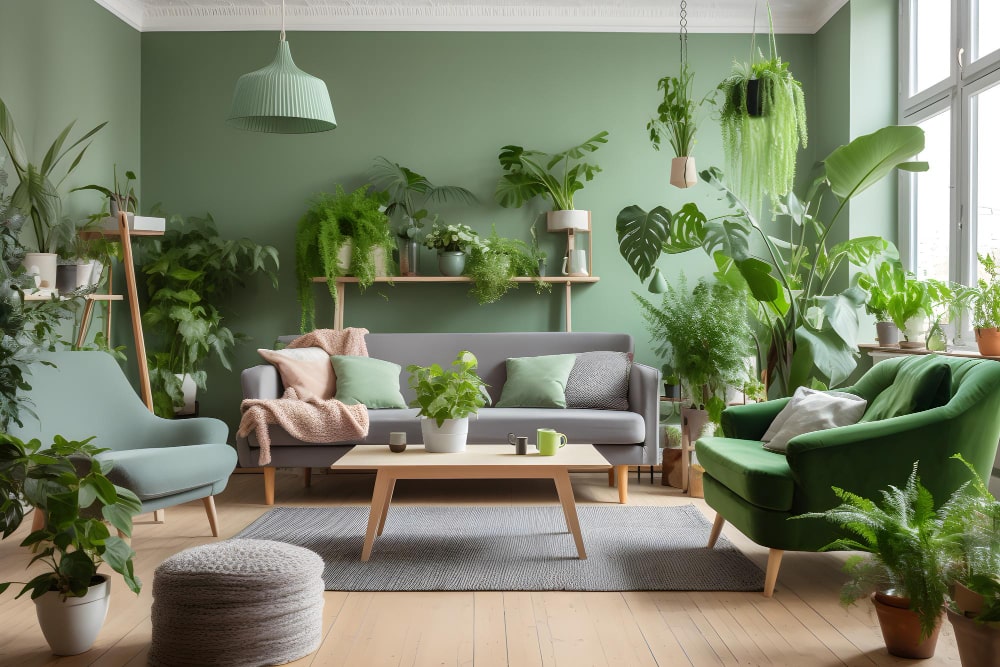
Walk into any home improvement store on a Saturday morning, and you’ll see it: a cart full of hopeful houseplants, half of which will be brown and crispy within a month. A neighbor once told me she’d “killed everything green she’d ever owned,” right before pointing at a thriving pothos on her kitchen counter she’d forgotten she even had. That’s the thing about low-maintenance houseplants—sometimes the ones that survive are the ones you stop worrying about.
Easy indoor plants like pothos, snake plants, ZZ plants, and spider plants require minimal care, tolerate inconsistent watering, and adapt to a range of light conditions. They’re ideal for beginners, busy households, and anyone who wants greenery without a demanding maintenance schedule.
Discover the best easy indoor plants for beginners, care tips, watering advice, and common mistakes to avoid indoors.
Table of Contents
- What Are Easy Indoor Plants?
- Why Gardeners Love Easy Indoor Plants
- Different Types of Easy Indoor Plants
- Benefits of Easy Indoor Plants
- Step-by-Step Growing Guide
- Soil Requirements
- Watering Guide
- Light Requirements
- Fertilizer Guide
- Temperature & Humidity
- Pruning & Maintenance
- Propagation Methods
- Common Problems, Diseases, and Pests
- Common Mistakes to Avoid
- Expert Growing Tips
- Comparison Table
- Pros & Cons
- FAQs
- Conclusion
What Are Easy Indoor Plants?
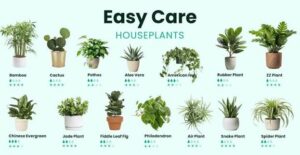
The term “easy indoor plants” refers to houseplant species that thrive with minimal intervention. These are plants that forgive missed waterings, tolerate average household humidity, and don’t demand precise light conditions to stay healthy.
Unlike finicky tropical specimens that sulk at the slightest change in environment, these plants have built-in resilience. Many originate from regions with fluctuating rainfall or dappled forest light, which means they’ve evolved to handle inconsistency rather than needing perfectly controlled conditions.
In practical terms, they’re the ones you can travel for a week and come home to find still standing, maybe even a little greener. This category forms the backbone of any low-maintenance indoor garden, and it’s exactly what most beginners should start with before branching into more demanding species.
Why Gardeners Love Easy Indoor Plants
Ask any nursery owner, and they’ll tell you easy indoor plants are consistently their best sellers. There’s a simple reason: success breeds confidence, and confidence keeps people gardening.
Experienced growers appreciate them too, though for different reasons. These species make excellent “filler” plants for awkward corners, offices, or rental apartments where light and humidity can’t always be controlled. They also propagate quickly, so a single plant can multiply into a dozen without much effort.
For renters and frequent movers, low-maintenance houseplants are practical companions. They handle the stress of transport, temporary storage, and adjusting to new environments far better than delicate species. That resilience is exactly why so many gardeners, from first-timers to seasoned pros, keep coming back to the same reliable lineup.
Different Types of Easy Indoor Plants
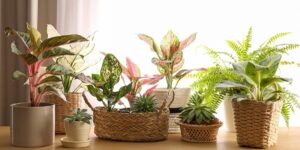
Not all beginner-friendly houseplants look alike, which is part of their appeal. Here are some of the most dependable options for US homes.
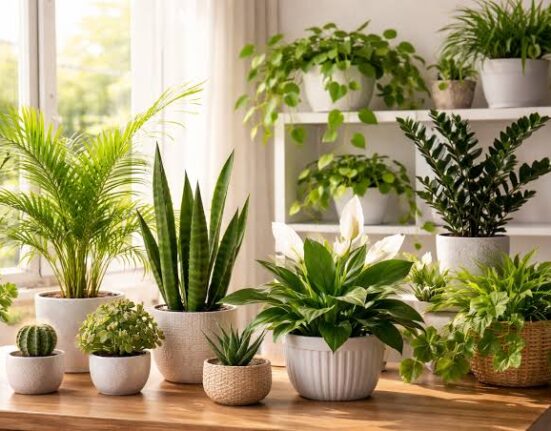
Pothos (Epipremnum aureum) trails beautifully from shelves and hanging baskets, tolerating low light and irregular watering with ease.
The snake plant (Dracaena trifasciata) has upright, sword-like leaves and stores water in its thick foliage, making it nearly impossible to kill through neglect.
The ZZ plant (Zamioculcas zamiifolia) features glossy, waxy leaves and a rhizome root system built for drought survival.
The spider plant (Chlorophytum comosum) produces arching leaves and baby offshoots, adapting well to a range of light and humidity levels.
Peace Lily (Spathiphyllum) offers occasional white blooms and dramatically droops when thirsty, giving clear visual cues for watering.
Chinese Evergreen (Aglaonema) brings colorful, patterned foliage without demanding bright light or frequent attention.
Philodendron (heartleaf variety) grows quickly, roots easily in water, and tolerates a wide range of indoor conditions.
The Cast Iron Plant (Aspidistra elatior) lives up to its name, surviving drafts, dim corners, and inconsistent care better than almost any houseplant.
Each brings a distinct look while sharing the same forgiving nature that makes easy indoor plants so beginner-friendly.
Benefits of Easy Indoor Plants
Beyond their obvious low-maintenance appeal, easy indoor plants offer real advantages for your home and well-being.
They improve indoor air quality by filtering certain airborne pollutants, a benefit studied extensively by NASA’s Clean Air Study decades ago. While the effect indoors is more modest than lab conditions suggested, the presence of greenery still contributes to a fresher-feeling space.
These plants also support mental wellness. Numerous studies link houseplant care to lower stress levels and improved focus, particularly in home offices and study spaces.
Financially, they save money long-term. Because they propagate readily, one initial purchase can turn into several plants without additional spending. They also require less soil, fertilizer, and equipment compared to high-maintenance species, keeping ongoing costs minimal.
Step-by-Step Growing Guide
Getting started with easy indoor plants doesn’t require a green thumb, just a bit of attention to the basics.
First, choose a pot with drainage holes. Standing water is the fastest way to kill even the hardiest houseplant, so drainage should never be optional.
Second, select a well-draining potting mix appropriate for the species. Most low-maintenance varieties do well in a standard indoor potting soil, though succulent-type options like snake plants prefer a cactus mix.
Third, place your plant in appropriate light, checking the specific needs of each species since “easy” doesn’t always mean “identical care.”
Fourth, water only when the top inch or two of soil feels dry. Overwatering, not underwatering, is the leading cause of houseplant failure.
Finally, monitor growth over the first few weeks. New leaves signal a happy plant, while yellowing or drooping foliage indicates it’s time to adjust your routine.
Soil Requirements
Most easy indoor plants perform best in a well-draining, peat-based potting mix, often improved with perlite or coarse sand to prevent compaction.
Heavy, dense soil holds too much moisture and suffocates roots, leading to rot even in drought-tolerant species. For succulent-adjacent varieties like snake plants and ZZ plants, a cactus or succulent blend with extra perlite mimics their native fast-draining environments.
Refreshing the top layer of soil once a year helps replenish nutrients without requiring a full repot every season. Repotting itself should happen every 18 to 24 months for most of these plants, since their slower growth rate means they don’t outgrow containers quickly.
Watering Guide
Overwatering remains the single biggest threat to easy indoor plants, ironically undermining the very quality that makes them low-maintenance in the first place.
Rather than watering on a fixed schedule, check soil moisture with your finger before every session. If the top two inches feel dry, it’s time to water; if there’s still moisture, wait a few more days.
Most of these houseplants need watering every one to two weeks, though snake plants and ZZ plants can often go three weeks or longer, especially during cooler months. Always water thoroughly until liquid drains from the bottom of the pot, then empty any excess from the saucer.
Seasonal changes matter, too. Growth slows in winter, so these houseplants need less frequent watering during colder months, while summer’s active growth phase typically calls for slightly more.
Light Requirements
While easy indoor plants are famously adaptable, they still have preferences that affect how vigorously they grow.
Bright, indirect light near an east or west-facing window produces the fastest growth for most of them. That said, many species, including pothos, snake plants, and ZZ plants, tolerate low-light conditions found in north-facing rooms or interior spaces without windows.
Direct, intense sunlight can scorch the leaves of several varieties, particularly variegated ones whose lighter patches are more sensitive to heat. If natural light is limited, a basic LED grow light positioned a foot or so above the plant for several hours daily can supplement growth effectively.
Signs of insufficient light include leggy stems and slowed growth, while too much direct sun often shows up as crispy, browned leaf edges.
Fertilizer Guide
Easy indoor plants don’t need heavy feeding to thrive, which is part of what makes them so low-maintenance.
A balanced, water-soluble fertilizer diluted to half strength applied once every six to eight weeks during spring and summer is typically sufficient. During fall and winter, when growth naturally slows, most of these houseplants can go without fertilizer entirely.
Over-fertilizing causes more harm than under-fertilizing, often leading to salt buildup in the soil and burned root tips. Always water your plants before applying fertilizer to avoid concentrated nutrients damaging dry roots.
Temperature & Humidity
Most easy indoor plants originate from tropical or subtropical regions, so they prefer temperatures between 65 and 80 degrees Fahrenheit, mirroring typical indoor comfort levels for humans.
Cold drafts near windows and doors can stress these houseplants, sometimes causing leaf drop or discoloration. Keeping plants a few feet away from exterior doors during winter helps avoid this issue.
While many of them tolerate average household humidity, grouping plants together or using a pebble tray can raise humidity slightly for species like peace lilies, which appreciate a bit more moisture in the air.
Pruning & Maintenance
Regular light pruning keeps these houseplants looking full and encourages bushier growth rather than long, leggy stems.
Trim yellowing or damaged leaves at their base using clean, sharp scissors to prevent disease spread. For trailing varieties like pothos and philodendron, pinching back long vines periodically promotes fuller, denser foliage rather than sparse, stretched-out growth.
Dust accumulation is often overlooked but genuinely affects plant health, since dusty leaves block light absorption. Wiping leaves down monthly with a damp cloth keeps them photosynthesizing efficiently.
Propagation Methods
One of the best qualities of these low-maintenance houseplants is how effortlessly most of them propagate, letting you multiply your collection for free.
Stem cuttings work well for pothos, philodendron, and spider plants. Simply snip a section with at least one node, place it in water, and wait for roots to develop before transferring to soil.
Division works best for snake plants and ZZ plants, where separating the root clump into smaller sections creates entirely new plants. Peace lilies also respond well to division during repotting.
Patience matters here; rooting can take anywhere from two to six weeks depending on the species, water temperature, and available light.
Common Problems, Diseases, and Pests
Even the most resilient, easy indoor plants encounter occasional setbacks and pest issues.
- Root rot develops from consistently overwatered soil, causing mushy, blackened roots and a foul odor. The solution involves cutting away affected roots and repotting into fresh, well-draining soil.
- Yellowing leaves typically indicate overwatering, though natural aging of lower leaves can look similar. Check soil moisture first before assuming disease.
- Spider mites thrive in dry indoor air, especially during winter heating season, leaving fine webbing and stippled leaves behind. Treating with insecticidal soap or diluted neem oil usually resolves the issue.
- Mealybugs appear as white, cottony clusters in leaf joints. Removing them with a rubbing alcohol-dipped cotton swab, followed by neem oil treatment, prevents recurrence.
- Fungus gnats breed in consistently moist soil, so allowing the top inch to dry between waterings disrupts their life cycle effectively.
Common Mistakes to Avoid
- Even seasoned growers occasionally get easy indoor plants wrong. Overwatering tops the list, driven by the mistaken belief that more water equals more care.
- Choosing the wrong pot size is another frequent misstep. Oversized containers hold excess moisture around roots, increasing rot risk in species that prefer slightly snug conditions.
- Ignoring light requirements entirely, just because a plant is labeled “easy,” often leads to disappointing growth. Even the most forgiving houseplants still benefit from appropriate brightness.
- Finally, skipping drainage holes altogether remains a surprisingly common error, one that undermines even the most careful watering routine.
Expert Growing Tips
A few simple habits can make a noticeable difference in the health and appearance of your indoor plants. One of the easiest is grouping plants together. As plants release moisture through transpiration, they naturally increase the humidity around one another. This creates a microclimate that benefits tropical houseplants like pothos, philodendrons, peace lilies, and ferns, which originally evolved in warm, humid forests.
Rotate each pot about a quarter turn every two weeks. Plants naturally grow toward the strongest available light, and regular rotation encourages balanced, upright growth instead of stems leaning to one side. This small step helps plants develop fuller foliage and a more attractive shape over time.
Choosing the right container is equally important. Terracotta pots are an excellent choice for plants that are sensitive to overwatering because the porous clay allows excess moisture to evaporate through the sides of the pot. This helps keep the soil from staying wet for too long and reduces the risk of root rot. If you use plastic or glazed ceramic pots, monitor soil moisture more carefully before watering again.
Finally, avoid moving indoor plants from place to place too often. Plants need time to adjust to changes in light, temperature, humidity, and airflow. Frequent relocation can lead to leaf drop, slower growth, or general stress. Once you find a suitable location with stable conditions, allow your plants to settle in and establish themselves. Consistent care and a stable environment usually produce healthier, stronger growth than constantly searching for the “perfect” spot.
Comparison Table
| Plant | Light Needs | Watering Frequency | Difficulty Level |
| Pothos | Low to bright indirect | Every 1-2 weeks | Very Easy |
| Snake Plant | Low to bright indirect | Every 2-3 weeks | Very Easy |
| ZZ Plant | Low to moderate | Every 2-3 weeks | Very Easy |
| Spider Plant | Moderate to bright indirect | Every 1-2 weeks | Easy |
| Peace Lily | Low to moderate | Every 1 week | Easy |
| Chinese Evergreen | Low to moderate | Every 1-2 weeks | Easy |
Pros & Cons
Pros: Easy indoor plants require minimal maintenance, tolerate inconsistent watering, adapt to varied light conditions, propagate easily, and improve indoor air quality.
Cons: Some of these species are toxic to pets, growth can be slower compared to demanding tropical plants, and a few varieties still need occasional attention to avoid leggy growth.
FAQ’s
1. What are the best easy indoor plants for beginners?
Pothos, snake plants, and ZZ plants are ideal starting points because they tolerate irregular care and a wide range of light conditions.
2. How often should I water them?
Most need watering every one to two weeks, though drought-tolerant species like snake plants can go three weeks or longer between waterings.
3. Do easy indoor plants need direct sunlight?
No, most thrive in bright, indirect light and even tolerate low-light rooms, though direct sun can scorch sensitive leaves.
4. Are these houseplants safe for pets?
Not all of them. Snake plants and pothos are toxic to cats and dogs, while spider plants are considered pet-safe.
5. Why are the leaves on my plant turning yellow?
Yellowing usually signals overwatering, though it can also reflect natural aging of older, lower leaves.
6. Can easy indoor plants survive in low-light rooms?
Yes, many species, including pothos and ZZ plants, tolerate low light well, though growth will be slower than in brighter spots.
7. How do I propagate easy indoor plants?
Stem cuttings placed in water work for most trailing varieties, while division works best for snake plants and peace lilies.
8. What’s the biggest mistake people make with easy indoor plants?
Overwatering is by far the most common issue, often stemming from good intentions rather than neglect.
Conclusion
Easy indoor plants offer a genuinely low-stress way to bring greenery into any home, regardless of experience level. From resilient snake plants to fast-growing pothos, these species forgive missed waterings, adapt to imperfect light, and reward minimal effort with lasting beauty. Success comes down to a few fundamentals: proper drainage, checking soil moisture before watering, and matching each plant to appropriate light conditions.
Avoid common pitfalls like overwatering and oversized pots, and most of these houseplants will thrive for years with barely any intervention. Whether you’re a first-time plant owner or simply want a lower-maintenance collection, these forgiving species prove that a green thumb isn’t a prerequisite for a thriving indoor garden.