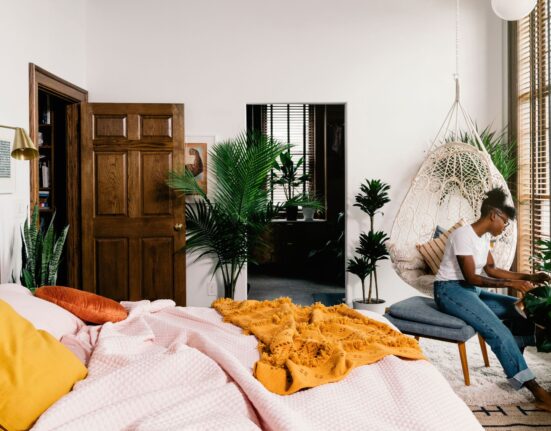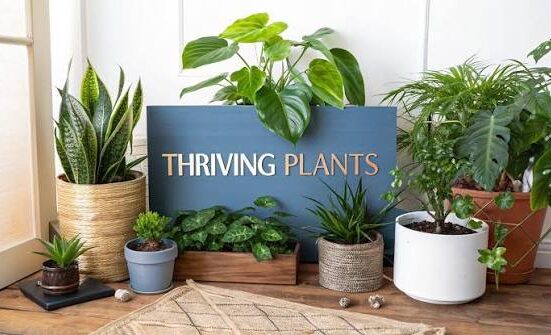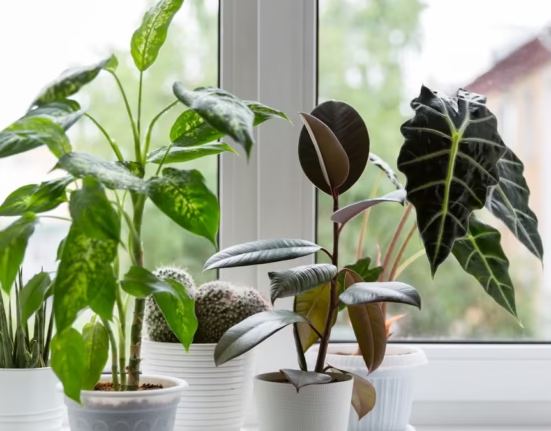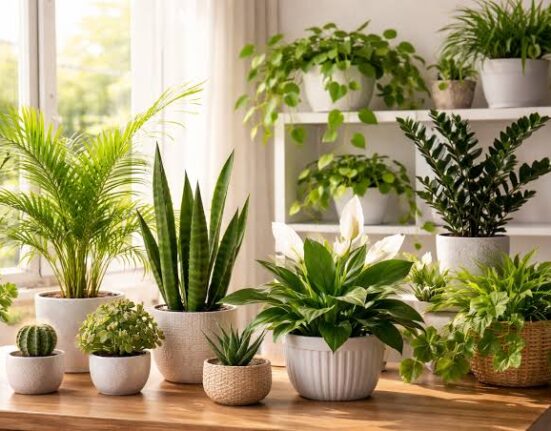
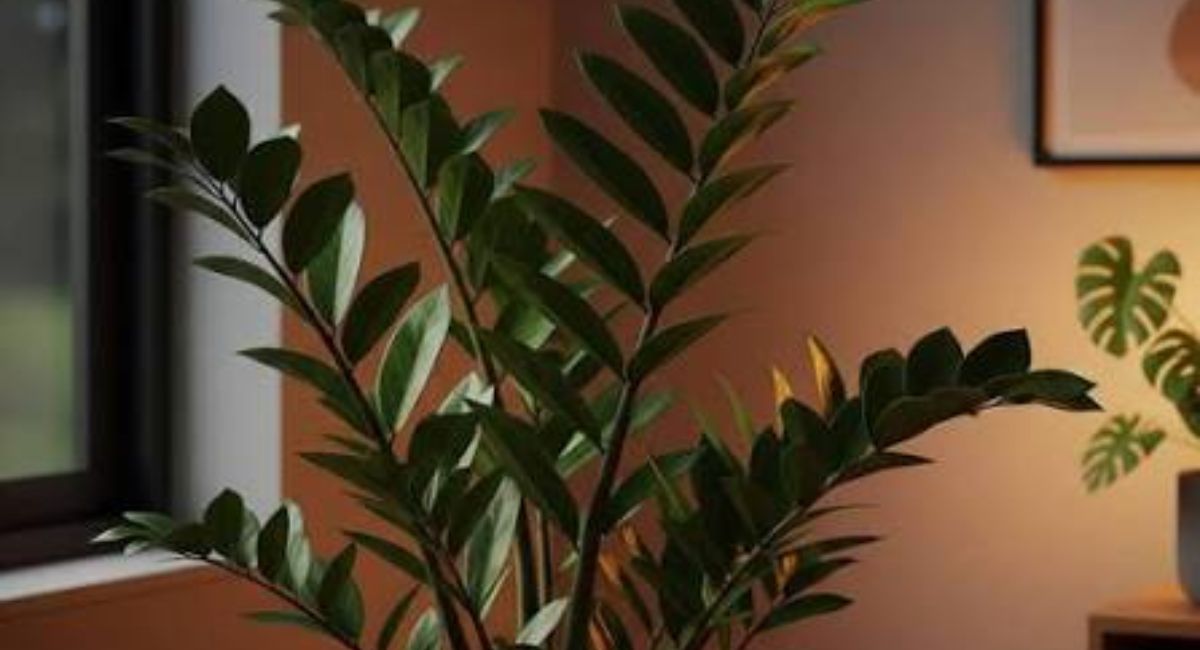
Indoor plants’ low-light options like pothos, snake plants, ZZ plants, and peace lilies thrive with minimal sun exposure—think north-facing windows or interior rooms. These species survive on indirect or artificial light, need infrequent watering, and tolerate neglect better than sun-loving varieties, making them ideal for apartments, offices, and windowless corners.
If your apartment gets more shadow than sunshine, you’re not out of luck when it comes to greenery. Indoor plants’ low-light varieties have become the go-to solution for renters, office workers, and anyone tired of watching sun-hungry plants wither on a dim windowsill. From my own trial and error, I’ve learned that dim conditions don’t mean dead plants—they mean choosing the right species and adjusting your care routine. This guide walks you through everything you need to grow a lush indoor jungle, even without much natural light.
Discover the best indoor plants for low light options, care tips, watering schedules, and expert advice for thriving greenery indoors.
Table of Contents
- Why are Indoor Plants’ Low Light Important?
- Personal Experience
- Best Types or Varieties
- Complete Care Guide
- Water Requirements
- Soil Requirements
- Sunlight Requirements
- Fertilizer Guide
- Common Problems, Diseases & Pests
- Expert Growing Tips
- Frequently Asked Questions
- Final Verdict
Why are indoor plants’ low light important?
Many US homes—apartments in cities, basement units, and offices—get limited natural light throughout the day. This is exactly why indoor plants’ low-light varieties matter so much for modern living.
Choosing plants suited to dim environments isn’t just convenience; it’s setting yourself up for success instead of frustration. Species that evolved in shaded forest understories are built to capture whatever filtered sunlight reaches them, so they won’t stretch, yellow, or die simply because your living room lacks a south-facing window.
Beyond practicality, indoor plants’ low-light options offer real wellness benefits. Houseplants have been linked to reduced stress, improved air quality, and better focus. Low-light varieties bring these perks to spaces that would otherwise stay bare — hallways, bathrooms, small-windowed bedrooms, or cubicles under fluorescent lighting. Their slower growth in dim conditions also makes them more forgiving for beginners, since there’s less room for overwatering mistakes to spiral out of control.
For anyone building a plant collection on a budget, low-light species are often the most economical choice too, requiring fewer grow lights, less frequent repotting, and minimal fertilizer while still delivering that lush, cared-for look.
Personal Experience
I started my plant journey in a tiny studio apartment with exactly one window facing a brick wall. Every “easy” plant I bought from the big box store died within weeks. It wasn’t until I switched to snake plants and pothos that things finally clicked. I moved a struggling peace lily into a dark corner near my bookshelf almost as an experiment, half-expecting it to die too. Instead, it bloomed twice that year. That taught me the biggest lesson in growing indoor plants, low-light varieties: match the plant to the space, not the space to the plant.
Best Types or Varieties
When people ask me where to start, I point them toward these tried-and-true indoor plant low-light champions:
Pothos (Epipremnum aureum) — Nearly indestructible, with trailing vines that look great on shelves or hanging baskets. Tolerates deep shade and irregular watering.
Snake Plant (Dracaena trifasciata)—Stiff, sculptural leaves that store water efficiently, making this one of the most drought-tolerant indoor plants low-light gardeners can grow.
ZZ Plant (Zamioculcas zamiifolia)—Glossy leaves and a rhizome root system that stores moisture, letting it go weeks without water in shaded rooms.
Peace Lily (Spathiphyllum) — One of the few low-light plants that actually flowers indoors, and it signals thirst by drooping before recovering once watered.
Chinese Evergreen (Aglaonema) — Patterned varieties with silver, pink, or cream markings that add visual interest without needing bright light.
Cast Iron Plant (Aspidistra elatior) — True to its name, this plant survives conditions that would kill most other species, including cold drafts and heavy shade.
Philodendron (heartleaf variety) — A classic trailing plant that adapts well to low light and grows quickly once established.
Spider Plant (Chlorophytum comosum) — Produces baby “pups” even in moderate shade, making it easy to propagate and share.
Complete Care Guide
Caring for indoor plants, low-light varieties, follows a different rhythm than sun-loving species. Since these plants photosynthesize slowly in dim conditions, their metabolism slows too, meaning less frequent watering, reduced fertilizer needs, and patience with growth.
Place your plant a few feet from any available window, even if it’s north-facing, rather than tucking it into a completely dark closet. “Low light” doesn’t mean “no “light”—nearly every plant needs some ambient brightness to survive. Rotate the pot every couple of weeks so growth stays even.
Dust is a bigger issue for indoor plants in low light than for outdoor plants, since dusty leaves block what little light reaches them. Wipe leaves monthly with a damp cloth to keep photosynthesis efficient.
Repot roughly every 18-24 months, since slower growth means these plants don’t outgrow containers quickly. Size up gradually—a container that’s too large can lead to soggy soil and root rot, a common issue for shade-tolerant species. Temperature consistency matters too: most low-light varieties prefer stable conditions between 65 and 80°F and dislike cold drafts near windows or doors.
Water Requirements
Overwatering is the number one killer of indoor plants low-light gardeners bring home. Because these species use water slowly in dim conditions, soil stays wet longer, and roots can suffocate or rot if watered too often.
Check soil moisture before watering rather than sticking to a fixed schedule. Insert a finger about two inches into the soil; if it feels dry, it’s time to water. For most indoor plant low-light species, this translates to watering once every one to two weeks, though snake plants and ZZ plants can often stretch to three weeks or longer.
Always use pots with drainage holes, since standing water at the bottom is one of the fastest ways to develop root rot. Water thoroughly until liquid runs from the drainage hole, then empty the saucer so roots never sit in a puddle. During winter, when growth slows further, cut back watering even more; in summer, water slightly more often, always letting the soil-check method guide you.
Soil Requirements
Best Soil Mix for Low-Light Indoor Plants
Choosing the right soil is one of the most important factors for keeping low-light indoor plants healthy. Because these plants grow more slowly and use water at a lower rate, the soil should retain enough moisture for the roots while allowing excess water to drain freely. Poor drainage is a leading cause of root rot, one of the most common reasons houseplants fail.
A high-quality indoor potting mix made with peat moss or coconut coir, combined with perlite or coarse sand, creates an ideal balance of moisture retention and airflow. This blend keeps roots hydrated without becoming waterlogged. Avoid using heavy garden soil indoors because it compacts easily, drains poorly, and can introduce pests or diseases.
Different plants also have different soil needs. Snake plants, ZZ plants, and other succulent-like varieties grow best in a cactus or succulent mix with extra perlite for rapid drainage. Tropical foliage plants such as pothos, philodendrons, peace lilies, and Chinese evergreens prefer a standard indoor potting mix enriched with orchid bark to improve aeration around the roots.
Even if you don’t repot every year, replace the top inch of soil annually. Fresh soil restores nutrients, improves drainage, and prevents compaction, helping your indoor plants stay healthy and continue growing successfully.
Sunlight Requirements
Despite the name, indoor plants that are low light still need some ambient brightness to survive long-term. “Low light” typically means indirect light equivalent to a spot a few feet from an east- or north-facing window or a room with sheer curtains filtering a south- or west exposure.
True low-light conditions mean you could comfortably read a newspaper there, but direct sun never touches the leaves. Placing these plants in a windowless closet with zero natural light will eventually cause decline, even in hardy species like snake plants or ZZ plants.
If your space has genuinely minimal light, a supplemental LED grow light placed 12-18 inches above the plant for 8-10 hours daily can mimic the dappled sunlight these species evolved under. Signs your indoor plants’ low-light setup isn’t getting enough brightness include leggy growth, pale or yellowing leaves, and slowed new leaf production.
Fertilizer Guide
Because indoor plant low-light varieties grow slowly, they need far less fertilizer than sun-loving counterparts. Over-fertilizing is a common mistake, leading to salt buildup, burned root tips, and leaf discoloration.
A balanced, water-soluble houseplant fertilizer diluted to half strength works well once every 6-8 weeks during spring and summer, the active growing season. During fall and winter, when growth slows due to shorter daylight, skip fertilizing or reduce to once every 10-12 weeks.
Look for a balanced NPK ratio around 10-10-10. Avoid high-nitrogen mixes meant for lawns or vegetables, since these push leafy growth the plant’s roots and light availability can’t actually support. Always water your indoor low-light specimens before fertilizing, never on dry soil, to prevent root burn.
Common Problems, Diseases & Pests
Even the toughest indoor plants, low-light varieties, run into occasional issues, and catching them early prevents bigger headaches.
Root Rot — Caused by overwatering combined with slow growth, appearing as mushy, blackened roots and a foul smell. Prevent by checking soil moisture before every watering.
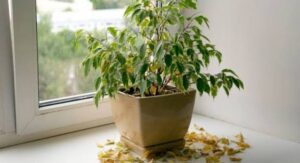
Yellowing Leaves—Usually signals overwatering, though it can also be natural leaf drop as older foliage makes way for new growth. Check if only lower, older leaves are affected.
Spider Mites — Thrive in the dry air common in heated homes during winter. Look for fine webbing and stippled leaves; treat with insecticidal soap or diluted neem oil.
Mealybugs—White, cottony clusters in leaf joints. Remove with a cotton swab dipped in rubbing alcohol, then follow up with neem oil.
Fungus gnats are small flying insects that breed in consistently moist soil. Letting the top inch dry out between waterings disrupts their breeding cycle.
Leggy, Stretched Growth—A sign that even low-light-tolerant species aren’t getting enough ambient brightness. Move closer to a window or add a grow light.
Expert Growing Tips
After years of growing indoor plants in apartments, offices, and homes with limited sunlight, I’ve found that success depends far more on consistent care than expensive equipment. Most low-light indoor plants are naturally adapted to shaded forest floors, where conditions remain stable. Recreating that environment indoors helps plants stay healthier and grow more consistently.
One of the simplest tricks is grouping plants together. When several plants sit close to each other, they naturally increase the humidity around them through transpiration. This small change creates a more comfortable environment for tropical species like pothos, philodendrons, peace lilies, and Chinese evergreens without needing a humidifier.
Keep leaves clean by gently wiping them with a soft, damp microfiber cloth every two to four weeks. Dust blocks sunlight from reaching the leaf surface, reducing photosynthesis. Since low-light plants already receive less light than outdoor plants, clean leaves make a noticeable difference in their health and appearance.
Rotate each pot about a quarter turn every two weeks. Plants naturally lean toward available light, and regular rotation encourages balanced, upright growth instead of one-sided stems. This simple habit helps maintain a fuller, more attractive plant over time.
Choose the right container as carefully as you choose the plant. Terracotta pots are an excellent option for beginners because their porous walls allow excess moisture to evaporate, reducing the risk of root rot from overwatering. If you use plastic or glazed ceramic pots, pay extra attention to soil moisture before watering again.
Water according to the plant’s needs rather than a fixed schedule. Always check the top inch or two of soil with your finger. If it still feels damp, wait another few days before watering. Overwatering remains the most common reason indoor plants struggle, especially in low-light conditions where soil dries more slowly.
Avoid frequent misting unless you’re growing humidity-loving tropical plants. Succulent-type plants such as snake plants and ZZ plants prefer drier conditions and don’t benefit from constant spraying. For tropical varieties, increasing room humidity is usually more effective than occasional misting.
Use a balanced liquid fertilizer at half strength during spring and summer when plants are actively growing. Reduce or stop feeding during fall and winter, when growth naturally slows.
Finally, avoid moving plants from room to room too often. Indoor plants adapt to their surroundings, and sudden changes in light, temperature, or airflow can cause stress, leaf drop, or slower growth. Once you find a suitable location with stable conditions, allow your plant time to settle. Patience and consistency are often the biggest secrets to growing beautiful, healthy indoor plants for years.
FAQ’s
1. What are the easiest indoor low-light plants for beginners?
Pothos, snake plants, and ZZ plants top the list because they tolerate irregular watering, dim rooms, and general neglect better than most houseplants.
2. Can indoor low-light plants survive in a room with no windows?
Most need at least some ambient light long-term. In fully windowless rooms, a basic LED grow light running 8-10 hours daily can sustain them indefinitely.
3. How often should I water indoor plants, low-light varieties?
Generally every one to two weeks, varying by species and season. Always check soil moisture with your finger rather than following a strict calendar.
4. Do indoor plants that need low light need fertilizer? Yes, but sparingly.
A half-strength balanced fertilizer every 6-8 weeks during spring and summer is enough for most low-light species.
5. Why are my indoor plants’ low-light leaves turning yellow?
Yellowing usually points to overwatering, since these plants use water slowly in dim conditions. Let soil dry out further and check for root rot.
6. Can I move a low-light plant into brighter light later?
Yes, but transition gradually over one to two weeks to avoid leaf scorch, since sudden bright conditions can shock shade-adapted leaves.
7. Which indoor plant low-light options also purify air?
Snake plants, pothos, and peace lilies have all been studied for filtering certain indoor air pollutants, making them popular dual-purpose choices.
8. Are indoor plants low-light safe for pets?
Not all of them. Snake plants and pothos are toxic if ingested by cats and dogs, while spider plants are pet-safe. Always check ASPCA resources before bringing home a new plant.
Final Verdict
Growing greenery in a dim apartment or office no longer has to feel like an uphill battle. With the right species selection, indoor plants, low-light varieties, can thrive just as beautifully as sun-loving counterparts, often with less maintenance. Choose species like pothos, snake plants, ZZ plants, and peace lilies that evolved for shaded environments; water only when soil feels dry; use well-draining soil; and supplement with grow lights if your space is truly dark.
Fertilize sparingly, watch for common pests like spider mites and fungus gnats, and give plants time to adjust rather than moving them constantly. With patience and the right approach, even the darkest corners of your home can become a thriving, green retreat that brings life, cleaner air, and a little more calm into your everyday space.