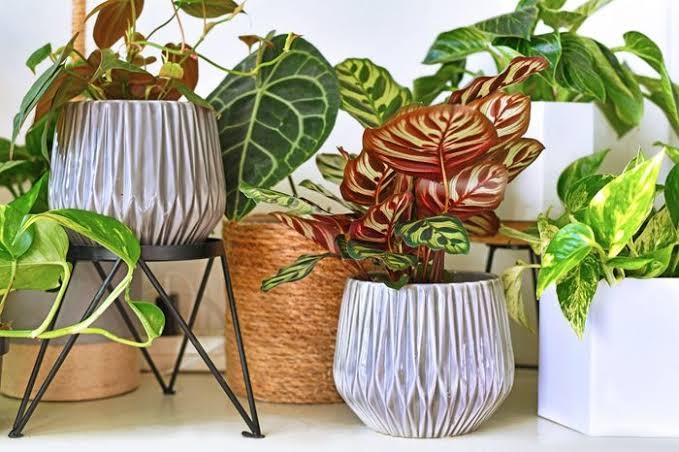
Most people buy indoor house plants full of hope, only to watch them turn yellow, droop, or drop leaves within weeks. This happens because plants get treated like decorations instead of living things with real needs. Wrong light, wrong watering habits, and poor soil choices are the biggest culprits. The good news? Once you understand what indoor house plants actually need, keeping them alive gets a lot easier.
Indoor house plants need well-draining soil, appropriate light for their species, and watering only when the topsoil feels dry. Overwatering, poor light, and low humidity cause most houseplant deaths. Choosing hardy species like pothos or snake plants and matching care to each plant’s natural habitat solves most common problems.
If you’ve killed a few plants already, you’re not alone. Indoor house plants fail for the same handful of reasons over and over, and once you spot the pattern, everything changes. Maybe you’ve overwatered out of love or picked a plant that simply wasn’t suited to your home’s light levels. This guide breaks down exactly why plants struggle indoors, which varieties are easiest to keep alive, and how to build a simple care routine that actually works. No fancy tools required, just a better understanding of what your plants are trying to tell you through their leaves, roots, and growth patterns.
Learn why indoor houseplants die and discover simple fixes, best varieties, and expert care tips for a thriving home garden.
Table of Contents
- Why Does This Problem Happen?
- What Are Indoor Houseplants?
- Best Types or Varieties
- Step-by-Step Care Guide
- Common Problems, Diseases & Pests
- Common Mistakes to Avoid
- Expert Tips & Pro Tricks
- Best Products or Tools
- Frequently Asked Questions
- Conclusion
Why Does This Problem Happen?
Here’s the truth: most indoor house plants don’t die from neglect. They die from too much attention, just the wrong kind.
People water on a fixed schedule instead of checking the soil first. They place plants wherever looks nice instead of where the light actually works. And they often use the wrong soil type, which traps water around the roots and causes rot.
There’s also a mismatch problem. Many popular houseplants sold at grocery stores and big box shops come from humid, shaded tropical forests. Our homes are dry, especially with heating or air conditioning running, and light indoors is far dimmer than most people realize.
Add in inconsistent care, forgetting a plant for weeks then overcompensating with heavy watering, and you’ve got a recipe for stressed, struggling indoor houseplants. The fix isn’t more effort. It’s smarter, more consistent care based on what each plant actually needs.
What Are Indoor Houseplants?
What Are Indoor House Plants?
Indoor house plants are plants that are grown inside homes, apartments, offices, or other indoor spaces instead of outdoors in a garden. They come in many forms, including tropical foliage plants, flowering varieties, succulents, cacti, climbing vines, air plants, herbs, and even compact indoor trees. With thousands of species available, there is an indoor plant suitable for nearly every environment, decorating style, and experience level.
What makes a plant successful indoors depends largely on where it naturally grows in the wild. Many popular houseplants, such as pothos, philodendrons, monsteras, peace lilies, and Chinese evergreens, originated beneath the canopies of tropical forests. These plants evolved to thrive in filtered sunlight, making them well suited to the indirect light found in most homes. Others, including snake plants, jade plants, aloe vera, and many succulents, come from dry regions where they adapted to survive with less water and lower humidity, making them ideal for busy households.
Indoor house plants offer benefits far beyond decoration. They bring natural beauty into living spaces, soften modern interiors, and create a warmer, more welcoming atmosphere. Research has also shown that caring for plants can reduce stress, improve mood, and increase feelings of relaxation. Many people enjoy indoor gardening because it provides a rewarding hobby that encourages mindfulness and daily routine.
For apartment residents, renters, and anyone without access to a yard, indoor plants make gardening possible throughout the year. They require very little space and can thrive on windowsills, bookshelves, desks, countertops, hanging baskets, or plant stands. Whether you live in a small studio apartment or a large home, there are plant varieties that fit your available light and space.
Choosing the right plant for your environment is the key to long-term success. Bright rooms can support sun-loving succulents and flowering plants, while lower-light spaces are perfect for snake plants, ZZ plants, pothos, cast iron plants, and other shade-tolerant species. With proper watering, suitable soil, and occasional feeding, indoor house plants can remain healthy and attractive for many years, making them one of the easiest and most rewarding ways to bring nature indoors.
Best Types or Varieties
Not every plant belongs in every home. Here are some reliable indoor house plants worth starting with, organized by what makes them stand out.
Pothos (Epipremnum aureum): This trailing vine tolerates low light, irregular watering, and general beginner mistakes better than almost any other plant. It’s a great first choice.
Snake Plant (Dracaena trifasciata) Stiff, upright leaves store water efficiently, so this plant survives weeks without watering. It also tolerates dim corners with ease.
ZZ Plant (Zamioculcas zamiifolia) Glossy leaves and a water-storing root system make this one nearly impossible to kill through underwatering.
Peace Lily (Spathiphyllum): One of the few flowering indoor houseplants, it droops dramatically when thirsty, which makes watering timing obvious.
Spider Plant (Chlorophytum comosum) Fast-growing and forgiving, this plant produces baby offshoots you can propagate and share with friends.
Chinese Evergreen (Aglaonema): Patterned leaves in silver, pink, or green add visual interest without demanding bright light.
Fiddle Leaf Fig (Ficus lyrata): A trendier, more demanding choice that rewards consistent bright light and steady watering with dramatic, large leaves.
| Plant | Light Needs | Watering Frequency | Beginner-Friendly |
| Pothos | Low to bright indirect | Every 1-2 weeks | Yes |
| Snake Plant | Low to bright indirect | Every 2-3 weeks | Yes |
| ZZ Plant | Low to moderate | Every 2-3 weeks | Yes |
| Peace Lily | Low to moderate | Weekly | Yes |
| Spider Plant | Moderate to bright | Every 1-2 weeks | Yes |
| Fiddle Leaf Fig | Bright indirect | Weekly | No |
Step-by-Step Care Guide
Getting indoor house plants to thrive comes down to a repeatable routine. Here’s how to set one up.
Step 1: Choose the right pot. Always pick a container with drainage holes. Without them, excess water has nowhere to go, and roots eventually rot.
Step 2: Use well-draining soil. A standard indoor potting mix works for most leafy plants. Succulent-type species need a cactus mix with extra perlite for faster drainage.
Step 3: Match light to plant needs. Place bright-light lovers near south or west-facing windows. Save north-facing spots or interior rooms for shade-tolerant varieties.
Step 4: Water based on soil moisture, not the calendar. Stick a finger about two inches into the soil. If it’s dry, water thoroughly until liquid drains from the bottom. If it’s still moist, wait.
Step 5: Feed during the growing season. Apply a balanced, diluted fertilizer every six to eight weeks from spring through summer. Skip feeding in fall and winter when growth slows.
Step 6: Rotate and clean regularly. Turn pots every couple of weeks for even growth, and wipe dust off leaves monthly so plants can absorb light efficiently. Dusty leaves might seem like a minor cosmetic issue, but they actually block photosynthesis over time, slowing growth and weakening the plant’s overall health.
Following these steps consistently solves the majority of problems people run into with indoor house plants.
Common Problems, Diseases & Pests
Even well-cared-for indoor house plants run into trouble sometimes. Here’s how to recognize and fix the most common issues.
Root Rot Symptoms: Mushy, dark roots, wilting despite moist soil, and a foul smell. Cause: Overwatering combined with poor drainage. Fix: Remove the plant, trim away rotted roots, and repot in fresh, well-draining soil. Cut back watering going forward.
Yellow Leaves Symptoms: Leaves turning pale yellow, often starting with older growth. Cause: Usually overwatering, though it can also mean the plant needs more light. Fix: Check soil moisture first. If it’s soggy, let it dry out more between waterings.
Spider Mite Symptoms: Fine webbing, tiny specks on leaves, and stippled or discolored foliage. Cause: Dry indoor air, especially during winter heating season. Fix: Wipe leaves down and treat with insecticidal soap or diluted neem oil weekly until they’re gone.
Fungus Gnat Symptoms: Small flying insects hovering near the soil surface. Cause: Consistently damp soil, which creates ideal breeding conditions. Fix: Let the top inch of soil dry out between waterings, and consider a layer of sand on top to deter egg-laying.
Mealybug Symptoms: White, cottony clusters in leaf joints or along stems. Cause: Often introduced from a new plant that wasn’t inspected before bringing it home. Fix: Dab affected areas with rubbing alcohol on a cotton swab, then follow up with neem oil.
Common Mistakes to Avoid
Even experienced plant owners fall into these traps with indoor house plants.
- Watering on a fixed schedule instead of checking soil moisture first
- Choosing pots without drainage holes
- Placing shade-loving plants in direct sun, or vice versa
- Using garden soil instead of a proper potting mix
- Repotting into a container that’s far too large, which holds excess moisture
- Ignoring pests until an infestation is already severe
- Fertilizing during dormant winter months when plants aren’t actively growing
Avoiding these simple errors prevents the majority of houseplant failures people experience, and most of these fixes take only a few extra seconds of thought before you act.
Expert Tips & Pro Tricks
A few simple habits can make a significant difference in the long-term health and appearance of your indoor house plants. While choosing the right plant is important, providing consistent care is what helps it thrive year after year.
One of the best tips is to group plants together. Most tropical houseplants naturally grow in humid forest environments, and placing several plants close to one another increases the humidity around them through transpiration. This creates a healthier microclimate for plants like pothos, philodendrons, peace lilies, and ferns without needing a humidifier.
Selecting the right pot also matters. Terracotta pots are ideal for plants that are prone to overwatering because their porous clay allows excess moisture to evaporate through the sides. This helps prevent soggy soil and reduces the risk of root rot. If you prefer plastic or ceramic pots, be extra careful not to water too frequently.
Rotate each plant about a quarter turn every two weeks. Plants naturally lean toward the strongest light source, and regular rotation encourages balanced, upright growth with fuller foliage on all sides.
Avoid misting succulents, snake plants, and ZZ plants. These species prefer drier conditions and generally do not benefit from extra moisture on their leaves. Instead, focus on proper watering and good drainage.
Finally, avoid moving your indoor plants from one location to another unless necessary. Sudden changes in light, temperature, or airflow can stress plants, causing slow growth or leaf drop. Once you find a suitable location with stable conditions, allow your plants time to adjust. Consistency, patience, and proper care are often the biggest secrets to growing healthy, attractive indoor house plants.
Best Products or Tools
A few simple tools make caring for indoor house plants easier and more precise. None of these require a big budget, and most last for years with basic care.
- Moisture meter: Takes the guesswork out of watering by measuring soil moisture directly.
- Watering can with a narrow spout: Allows precise watering without splashing leaves or overflowing pots.
- Well-draining potting mix: A quality indoor mix with perlite improves root health significantly.
- LED grow light: Useful for rooms with limited natural light, especially during winter months.
- Neem oil: A natural, effective treatment for common pests like spider mites and mealybugs.
- Terracotta pots: Porous material helps prevent overwatering issues in moisture-sensitive species.
FAQ’s
1. How often should I water indoor house plants?
Most need watering every one to two weeks, but always check soil moisture first rather than following a strict schedule.
2. Why do my indoor house plants keep dying?
Overwatering is the most common cause, followed by insufficient light and using pots without drainage holes.
3. What are the easiest indoor house plants for beginners?
Pothos, snake plants, and ZZ plants are extremely forgiving and tolerate inconsistent care well.
4. Do indoor house plants need direct sunlight?
Most prefer bright, indirect light rather than direct sun, which can scorch leaves, especially variegated varieties.
5. How do I know if my plant needs more light?
Signs include leggy, stretched growth and slower-than-normal leaf production over several weeks.
6. Can indoor house plants improve air quality?
Some studies suggest modest air-filtering benefits, though the biggest impact is often on mood and stress levels.
7. How often should I fertilize indoor house plants?
Every six to eight weeks during spring and summer is typically enough. Skip fertilizing in fall and winter.
8. Are indoor house plants safe for pets?
Not always. Snake plants and pothos are toxic to cats and dogs, while spider plants are considered pet-safe.
Conclusion
Keeping indoor house plants alive isn’t about having a natural green thumb. It’s about understanding what each plant actually needs and building simple habits around that knowledge. Check soil before watering, match light levels to each species, and use pots with proper drainage. Start with forgiving varieties like pothos or snake plants if you’re new to this, and don’t panic over the occasional yellow leaf. Most problems trace back to a handful of common mistakes, all of which are easy to fix once you know what to look for. With a little consistency, indoor house plants can thrive for years, bringing life, color, and a calmer atmosphere into your home without demanding constant attention.