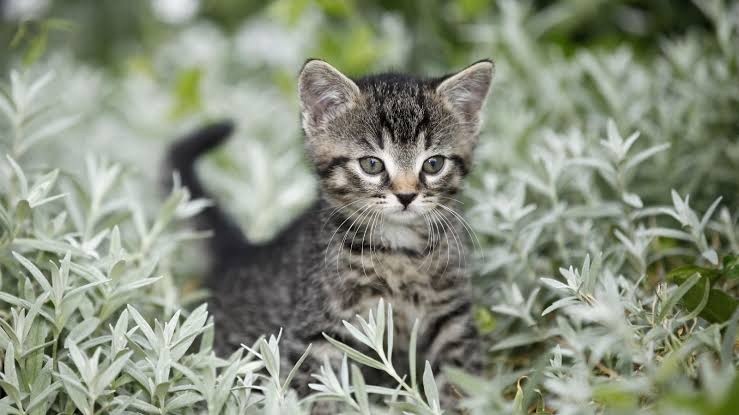
When I brought my two rescue cats home three years ago, I accidentally knocked over my spider plant and immediately worried about their safety. That experience led me to research Cat Friendly Plants and learn which houseplants were safe to keep around curious pets. What started as a simple concern turned into a deep interest in pet-safe gardening. Over time, I discovered how to create a beautiful indoor plant collection without exposing cats to unnecessary risks from toxic plant species.
Since then, I have tested more than forty species of Cat Friendly Plants in my home, monitored plant health issues, and created a thriving indoor jungle where my cats roam safely every day. I studied fungal and bacterial plant problems, tracked recovery from yellow leaf symptoms, consulted veterinary toxicology resources, and reviewed updated plant safety information. The knowledge gained from those years of experience, research, and observation has been carefully condensed into this practical guide.
Every cat owner deserves a lush indoor garden, and this Cat Friendly Plants guide shows how to build one safely.
Why Choosing Cat Friendly Plants Protects Your Beloved Pet Every Day:
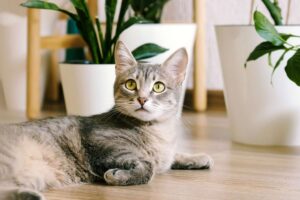
The decision to fill your home exclusively with cat friendly plants is not simply an aesthetic choice — it is one of the most important safety decisions you will ever make as a pet owner. The ASPCA maintains a toxicity database listing over four hundred plant species that pose moderate to severe risks to cats, and a troubling proportion of those species appear regularly on the shelves of mainstream garden centres, supermarkets, and online retailers, often without any visible warning about their danger to household pets.
Lilies alone are responsible for thousands of feline emergency admissions every year, with complete renal failure possible within seventy-two hours of even minor leaf contact or pollen ingestion. Making a deliberate, informed shift toward verified Cat Safe Indoor Plants eliminates this category of risk entirely and permanently.
Beyond toxicity, choosing the right Cat Safe Indoor Plants also supports the broader health of your indoor environment in ways that directly benefit your cat. Many non-toxic species actively improve air quality by absorbing volatile organic compounds released by furniture, flooring adhesives, and household cleaning products.
Cats spend the majority of their lives low to the ground — precisely where dust particles, mould spores from fungal infections, and airborne microorganism colonies tend to accumulate most densely in enclosed spaces. A well-maintained collection of Cat Safe Indoor Plants that includes moisture-regulating species like Boston ferns can help buffer humidity fluctuations that otherwise create ideal conditions for fungal disease spread across your entire plant collection. The investment in safety pays dividends in multiple directions simultaneously.
| Plant Name | Cat Safe? | Common Disease Issues | Care Level |
| Spider Plant | Yes — verified safe | Root rot from overwatering; fungal crown rot in wet soil | Easy |
| Boston Fern | Yes — verified safe | Fungal leaf spot in high humidity; yellowing from low light | Moderate |
| Areca Palm | Yes — verified safe | Yellow leaves from nutrient deficiency; spider mite infestations | Easy |
| Catnip (Nepeta) | Yes — verified safe | Bacterial wilt in wet soil; powdery mildew in low airflow | Easy |
| Calathea | Yes — verified safe | Crisp brown tips from fluoride; crown rot in overwatered pots | Moderate |
| Ponytail Palm | Yes — verified safe | Root rot from excessive watering; scale insect damage on stem | Easy |
| Phalaenopsis Orchid | Yes — verified safe | Cymbidium mosaic virus; bacterial crown rot in stagnant water | Moderate |
| Peperomia | Yes — verified safe | Fungal ring spot disease; root rot in compacted potting mix | Easy |
| African Violet | Yes — verified safe | Powdery mildew; bacterial crown rot from overhead watering | Moderate |
| Valerian | Yes — verified safe | Root fungal infection in poorly drained containers; aphid attack | Easy |
Warning Signs That Your Cat Friendly Plants Are Diseased and Need Immediate Care:
- Yellow leaves spreading upward from the oldest, lowest foliage almost always indicate nitrogen deficiency or early-stage root rot developing below the soil surface.
- Stems that wilt despite consistently moist soil are a strong indicator of bacterial or fungal infection attacking and blocking the vascular tissue deep within the root system.
- A white powdery coating spreading across leaf surfaces is a classic sign of powdery mildew, a fungal disease that thrives in warm, dry air with poor circulation around dense plant groupings.
- Soft, brown, mushy stem bases that emit a sour or earthy odour point directly to advanced root rot caused by prolonged waterlogging and anaerobic microorganism activity in compacted, saturated growing media.
- Distorted new growth with irregular mosaic colour patterns on emerging leaves frequently indicates a viral plant infection that requires immediate isolation of the affected plant from the rest of your collection.
Best Low-Light Cat Friendly Plants That Thrive in Dimmer Indoor Spaces:
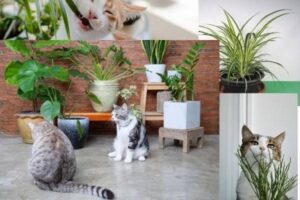
Finding cat friendly plants that genuinely perform well in low light conditions is one of the most common challenges for indoor gardeners living in apartments or homes with limited window access. The good news is that several of the most reliably non-toxic species are also among the most adaptable to reduced light environments, meaning you do not need to sacrifice either pet safety or plant health simply because your living space does not receive abundant natural sunlight throughout the day.
1. Boston Ferns:
A popular cat-safe plant that grows well in low light. Keep airflow around it and avoid wet leaves to prevent fungal leaf spots.
2. Calathea Varieties:
Safe for cats and known for colorful patterned leaves. Needs consistent moisture and filtered water to avoid leaf damage.
3. Peperomia Species:
Easy-care, cat-safe plants with thick leaves. Avoid overhead watering to prevent fungal spots and ensure good air circulation.
How Plant Diseases Affect Cat Friendly Plants and the Entire Indoor Garden:
Even the safest, most carefully selected cat friendly plants can fall prey to the full spectrum of plant diseases — fungal infections, bacterial pathogens, viral disorders, and microorganism-driven root decay are all entirely indifferent to a plant’s toxicity status. Understanding these diseases in depth is essential for every pet owner who wants to maintain a healthy, long-lived plant collection that continues to provide a safe, enriching environment for their cats year after year without constant expensive plant replacements.
1. Fungal Infections:
Common in overwatered plants. Causes root rot, grey mold, and powdery mildew. Prevent by improving drainage, reducing watering, and removing infected parts.
2. Bacterial Diseases:
Spread through wounds or splashed water. Cause dark, wet-looking spots and stem rot. Isolate affected plants and avoid overhead watering.
3. Viral Issues:
Cause leaf mottling and distortion. No cure exists—infected plants must be removed to protect others.
Understanding Root Rot in Cat Friendly Plants and How to Fix It Effectively:
Root rot is arguably the single most common cause of premature plant death in indoor collections, and cat friendly plants are absolutely as vulnerable to it as any toxic or ornamental species. The condition is almost always caused by a combination of excessive watering, inadequate drainage, and the resulting proliferation of anaerobic pathogenic microorganisms in oxygen-deprived soil — a preventable cascade that begins with a single overwatering event and accelerates rapidly if not caught and addressed early in its progression.
1. Early Warning Signs:
Root rot shows as wilting that doesn’t improve after watering, plus yellowing leaves starting from the bottom. Soil stays wet too long, and roots become brown, soft, and foul-smelling.
2. Treatment Methods:
Remove the plant, trim rotten roots with sterilized tools, let it dry briefly, and repot in fresh well-draining soil. Wait a few days before watering again.
3. Prevention Strategies:
Use pots with drainage holes, avoid overwatering, and mix soil with perlite or bark for better airflow. Water only when the top soil is dry.
Outdoor Cat Friendly Plants Perfect for Gardens, Patios, and Balconies:
Expanding your collection of cat friendly plants into an outdoor garden, patio container arrangement, or balcony planting scheme provides your cats with a genuinely enriching sensory environment filled with interesting textures, scents, and movement. It also allows you to grow larger, more vigorous species that would quickly outgrow indoor spaces, and to take advantage of natural sunlight and rainfall that supports the most robust plant growth possible. The key challenge outdoors is selecting species that remain genuinely safe for cats while also managing the additional disease pressures that come with exposure to soil-borne microorganisms, insect vectors, and fluctuating weather conditions.
1. Catnip & Valerian:
Both are cat-safe plants that attract cats naturally. They grow best in sunny, well-drained soil and should be protected from excess moisture to avoid root diseases.
2. Sunflowers:
Non-toxic and easy to grow in full sun. Prevent fungal issues by spacing plants well, watering at the base, and removing infected leaves quickly.
3. Lemongrass:
Safe for cats and has a strong scent that deters chewing. Needs warm, sunny conditions and good airflow to prevent fungal rust in wet weather.
Creating the Perfect Home Space With Cat Friendly Plants Safely:
- Place all floor-standing cat-safe plants in wide, heavy ceramic or terracotta pots that provide stability against active cats jumping or running past at speed.
- Hang lightweight trailing plants like spider plants at heights your cats cannot easily reach to eliminate both soil disturbance and repeated stress from knocked-over containers.
- Always verify every new plant species against the ASPCA toxicity database before bringing it into any home shared with cats, regardless of how it is labelled in a garden centre.
- Keep all cat-safe plants well away from your cat’s food and water bowls to prevent fallen leaves or disturbed soil from contaminating their eating and drinking areas daily.
- Group plants by similar watering needs rather than purely by appearance so that no individual plant in your collection is consistently over or under-watered by a single uniform routine.
How Cat Friendly Plants Improve Mental Wellbeing for Cats and Their Owners:
The psychological benefits of living alongside a well-maintained collection of cat friendly plants extend meaningfully to both the cats themselves and the people who care for them, according to a growing body of research in environmental enrichment, biophilic design, and human-animal bond psychology. For cats, access to safe, interactive vegetation within the home environment provides a crucial form of sensory enrichment that reduces stress-related behaviours including excessive grooming, repetitive vocalisation, furniture scratching, and sleep disruption caused by understimulation in purely manufactured environments.
Cats that regularly interact with non-toxic plant material — brushing against leaves, investigating soil textures, chewing approved grasses and catnip — demonstrate measurably lower cortisol levels in multiple veterinary behavioural studies, suggesting that Cat Safe Indoor Plants contribute directly to improved physiological stress regulation in domestic cats confined primarily to indoor living environments. The positive impact is particularly pronounced in single-cat households where the absence of a feline companion leaves gaps in daily stimulation that plants partially fill in an organic, low-intervention way that requires no management from the owner beyond basic maintenance.
For plant owners, the daily practice of caring for a collection of Cat Safe Indoor Plants — monitoring leaf colour for yellowing, checking soil moisture levels, inspecting for early signs of fungal infections, adjusting seasonal care routines, and responding thoughtfully to bacterial or microorganism-related disease challenges — creates a structured, mindful, and deeply grounding daily ritual that multiple studies in horticultural therapy associated with measurably reduced anxiety, improved focus, and enhanced mood regulation.
There is a particular satisfaction in successfully nursing a diseased plant back to health — diagnosing the root rot or fungal infection correctly, applying the appropriate treatment, and watching new healthy growth emerge weeks later — that delivers a genuine sense of competence and accomplishment disproportionate to the effort invested. When plants and cats share a space harmoniously, the entire home environment becomes richer, calmer, and more alive in ways that benefit every occupant. Choosing cat friendly plants thoughtfully and caring for them well is ultimately an act of intentional living that improves quality of life in multiple dimensions simultaneously.
Conclusion
Building a thriving indoor and outdoor garden with verified cat friendly plants at its core is one of the most rewarding, meaningful, and practically beneficial decisions any cat owner can make for both their pets and themselves. When you understand which species are genuinely safe, stay vigilant for early disease symptoms like yellow leaves and root rot, respond promptly to fungal infections and bacterial diseases, and select plants verified by authoritative veterinary sources, your living space transforms into a genuinely enriching, safe, and beautiful environment for every creature that calls it home. Choose wisely, care consistently, and let your plant collection and your cats flourish together every day.
FAQ’s
Q1. Are spider plants truly safe as cat friendly plants kept at home?
Yes, spider plants are fully verified cat friendly plants — their mild hallucinogenic effect on cats is temporary and completely harmless.
Q2. Can root rot microorganisms from cat friendly plants harm my cat through soil?
Root rot organisms in soil rarely affect cats directly, but keeping all cat friendly plants healthy reduces unnecessary microorganism exposure overall.
Q3. What are the easiest cat friendly plants for a complete beginner to grow?
Spider plants, peperomias, and areca palms are ideal first-choice cat friendly plants — reliably low-maintenance and completely non-toxic to cats.
Q4. Do fungal infections on cat friendly plants pose any real risk to my cat?
Most fungal infections on cat friendly plants are harmless to cats, though mouldy, decaying soil should always be addressed and refreshed promptly.
Q5. Why do my cat friendly plants keep developing persistent yellow leaves indoors?
Yellow leaves on cat friendly plants typically indicate overwatering, poor drainage, nutrient deficiency, or root rot developing below the soil surface.
Q6. How do I stop my cat from digging in my cat friendly plants’ pots?
Cover the soil surface of your cat friendly plants with smooth decorative stones or fine mesh to effectively discourage repeated digging behaviour.
Q7. Are Phalaenopsis orchids genuinely safe cat friendly plants for homes?
Yes, Phalaenopsis orchids are ASPCA-listed cat friendly plants — they remain fully non-toxic even if partially chewed or ingested by cats.
Q8. What bacterial disease most commonly destroys cat friendly plants kept indoors?
Bacterial soft rot is the most rapidly destructive disease affecting cat friendly plants, causing complete stem collapse in warm, persistently wet growing conditions.
Q9. Can catnip grown as an outdoor cat friendly plant develop serious diseases over time?
Yes, catnip grown as a cat friendly plant outdoors can develop bacterial wilt and powdery mildew in damp, shaded, or poorly ventilated growing conditions.
Summary
This complete guide has walked you through everything essential for growing a safe, flourishing plant collection with verified cat friendly plants forming the foundation. From diagnosing fungal infections, bacterial diseases, and root rot to selecting the best low-light and outdoor species suited to real homes with curious cats, the knowledge here equips any pet owner with genuine confidence. Monitor your Cat Safe Indoor Plants consistently, respond early to yellow leaves or soft stems, and maintain good drainage and airflow across your entire collection at all times.
A home enriched by carefully chosen Cat Safe Indoor Plants is a measurably healthier, calmer, and more beautiful space for everyone inside it — and with the right knowledge guiding every decision, any dedicated cat friendly plants enthusiast can build and maintain that ideal, thriving, pet-safe living environment successfully and sustainably for years to come.