I ruined my first monster within two months of buying it, and the worst part was watching it happen in slow motion. The leaves went yellow one by one, the stems went soft near the soil, and no matter what I tried the decline just kept going until there was nothing left to save.What I didn’t understand then — but completely understand now — is that monstera plant care isn’t complicated, but it is specific. Mess up a few key things and the plant will tell you about it loudly through every leaf until you fix them.
This guide covers every real aspect of monstera plant care: watering rhythm, light requirements, humidity, soil selection, fertilizing, and the full range of diseases — from fungal infections and bacterial problems to viral symptoms and the nutrient deficiencies that masquerade as disease — so you know exactly what you’re looking at when something goes wrong.
The honest, experience-backed monstera plant care guide covers growth, disease prevention, and fixes that actually work when things go wrong.
Monstera Plant Care Basics That Every Owner Should Master:
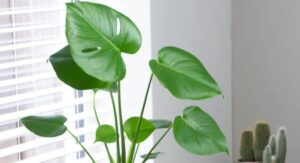
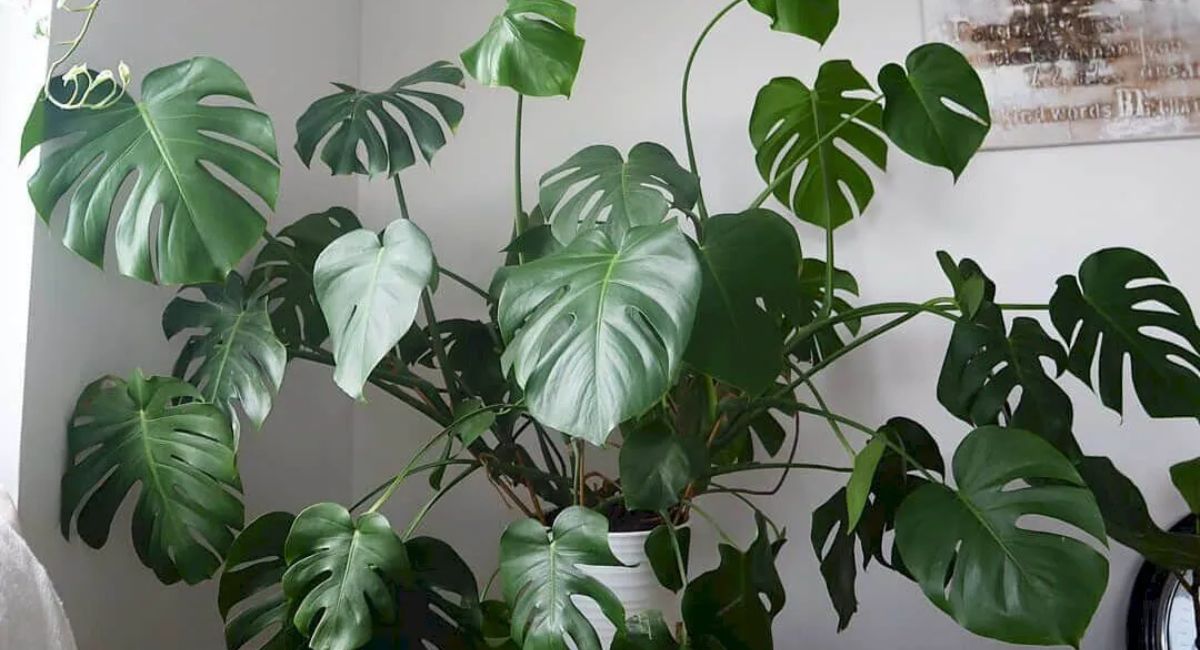
There’s a reason monstera plant care has become one of the most searched topics in the houseplant world — this is a genuinely spectacular plant when it’s happy. Those split and fenestrated leaves, that vigorous climbing growth habit, the sheer scale it can reach inside a living room — no other common houseplant delivers quite the same tropical drama with the same relatively modest investment of time and attention. But modest doesn’t mean zero, and that distinction matters.
The foundation of good monstera deliciosa care guide is understanding what this plant was doing before it ended up in someone’s living room. In Central and South American tropical rainforests, it climbs massive trees toward the forest canopy, with roots anchoring to bark and soil simultaneously, in dappled light filtered through layers of canopy above. Everything about caring for it well traces back to replicating that environment as closely as a typical home allows — and that’s more achievable than most people assume.
Monstera Plant Care Quick Reference Chart for Growers:
When you’re standing next to a sick monster trying to figure out what’s wrong quickly, a reference table is worth more than a long article. Here’s everything important about monstera plant care in one place.
| Care Factor | Ideal Condition | Common Mistake | Disease / Problem Risk |
| Watering frequency | Every 7–10 days in summer | Fixed weekly schedule regardless of soil | Root rot, Pythium infection |
| Light level | Bright indirect, 2–5 ft from window | Direct afternoon sun through glass | Leaf scorch, bleached patches |
| Humidity | 50–70% preferred | Dry air near heating vents | Spider mites, brown leaf edges |
| Soil mix | Chunky, well-aerated with perlite and bark | Dense, compacting potting mix alone | Fungal crown rot, bacterial rot |
| Pot type | Terracotta or plastic with drainage holes | Decorative pot with no drainage | Anaerobic soil, root rot |
| Fertilizer | Balanced liquid, half strength monthly | Full-dose feeding in winter | Salt root burn, tip browning |
| Temperature | 65–85°F (18–29°C) | Cold drafts or AC vents directly | Chill damage, bacterial entry |
| Leaf symptoms | Deep green, firm, fenestrating with age | Ignoring early yellowing | Bacterial blight, mosaic virus |
| Support / climbing | Moss pole or stake from early growth | No support, letting stems flop | Stem stress, slower fenestration |
| Repotting schedule | Every 1–2 years, spring only | Repotting in winter or autumn | Root stress, delayed disease recovery |
Monstera Plant Care Watering Errors That Destroy Roots:
Watering mistakes are behind the majority of the serious problems people bring to monstera plant care forums and communities. And the maddening thing is that overwatering and underwatering can look nearly identical from the outside — limp leaves, yellowing, general sadness — which means treating the wrong cause makes everything significantly worse before it gets better.
1. The Finger Test:
The single most transformative change you can make to your monster care guide routine costs nothing and takes three seconds: push your index finger about two inches into the soil before every watering decision. If it feels cool and damp at that depth, close the watering can and come back in two or three days. If it feels dry and slightly crumbly, water thoroughly until it drains freely from the bottom.
2. Root Rot Recovery:
Root rot is the most common serious consequence of poor monstera plant care, and the challenge is that it hides for weeks. By the time leaves are yellowing and collapsing, roots have usually been struggling for a long time already. The signs to look for before unpotting: a faint sour or musty odor from the soil, leaves that feel limp even shortly after watering, and soft or discolored stem tissue near the soil line.
3. Soil Mix Matters:
Standard potting mix used straight from the bag is too dense for a good monster care guide . It holds moisture longer than this plant’s roots can handle between waterings and compacts over time, reducing the air pockets roots depend on. A blend of two parts potting mix to one part perlite and one part orchid bark or coco chips creates an airy, fast-draining structure that mimics the loose, bark-rich forest floor conditions monsters grow in naturally.
Monstera Plant Care Disease and Fungal Infection Solutions:
Diseases happen even to careful plant parents, and knowing how to identify them quickly is a real skill that separates people who lose plants to slow-moving problems from people who catch and fix those same problems in days. Here’s what monstera plant care disease management actually looks like in practice.
1. Fungal Spot Diseases:
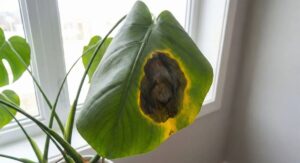
Fungal issues on monsters become clear through certain signs, if you pay attention. Spots that are brown and round, with centers dipped inward plus a yellow ring around them, point to Cercospora or Colletotrichum – fungi that grow strong where moisture hangs heavy and airflow lags. Grayish fuzz, soft and dull in color, marks Botrytis mold; it often begins on injured or fading parts, then creeps forward into living zones. Catching these changes fast happens more easily when tending your monster closely.
2. Bacterial and Viral Problems:
Besides just looking sick, a monster might be fighting bacteria – often Pseudomonas or Xanthomonas – where spots soaked like damp paper grow quickly, shifting into dark patches with edges that gleam faintly wet. When water jumps from leaf to leaf, when dirty shears cut multiple plants, even fingers brushing diseased then clean tissue can move it along. Not quite the same story with viruses; these arrive quietly, say via aphids or thrips carrying mosaic virus, leaving behind splotchy patterns in dull yellow and green across foliage.
3. Reading Yellow Leaves:
Yellow leaves are the most common question in monstera deliciosa care guides — and they’re misdiagnosed constantly because yellowing can signal five or six different problems. Uniform yellowing spreading across older lower leaves almost always means overwatering or root rot is developing. Yellow leaf edges with the center staying green typically points to nitrogen deficiency or irregular watering. Yellow patches between veins while the veins themselves stay dark green is a textbook magnesium deficiency. Irregular blotchy yellow mottling with no clean pattern — especially if new growth looks distorted — is your virus warning.
Monstera Plant Care Light and Humidity Needs Fully Explained:

Light and humidity are the two environmental factors that most dramatically shape how your monster grows — and both are invisible problems until weeks of damage have already accumulated. Getting these rights is central to any genuinely successful monstera plant care routine.
1. Finding Ideal Light:
Bright indirect light is the target for monstera plant care — and there’s a practical test that removes all the guesswork. Hold your hand about a foot above a white piece of paper in the spot you’re considering. A sharp, well-defined shadow means direct light that will scorch and bleach monster leaves within days in summer. A soft, blurry shadow means bright indirect — the sweet spot. Almost no shadow at all means low light, which monsters tolerate but grow noticeably slower in, produce smaller leaves, and develop far less fenestration in.
2. Managing Indoor Humidity:
Monsteras come from rainforests where humidity sits between sixty and eighty percent year-round. Most homes in temperate climates run between thirty and fifty percent, dropping lower in winter when heating systems run constantly. This gap shows up in monstera plant care as persistent brown leaf tips, sluggish growth, and sharply increased spider mite pressure — these pests multiply rapidly in warm, dry air and can colonize a plant completely within two weeks if conditions are right. Grouping tropical plants together naturally raises the microclimate humidity through their combined transpiration. A pebble tray of water beneath the pot adds consistent gentle moisture.
3. Seasonal Care Adjustments:
monstera deliciosa care guide changes significantly from summer to winter, and plants suffer when owners don’t adjust with the seasons. In the active growing period from spring through early autumn, the plant drinks regularly, pushes out new leaves every few weeks, and responds visibly to fertilizing. From October onward, growth slows considerably and water demand drops.
Monstera Plant Care Styling Tips for Maximum Visual Drama:
Great monstera plant care keeps the plant alive. Great styling turns it into the most talked-about thing in your home. These five approaches genuinely transform how a monster looks in a living space.
- Introduce a moss pole or cedar stake early — within the first year — and train stems upward by loosely tying them as they grow, because monstera deliciosa care guide that includes vertical support consistently produces larger, more dramatically fenestrated leaves than trailing or unsupported plants in identical conditions.
- Position your monstera in a spot where natural light hits it from one consistent direction, then rotate the pot a quarter turn every two weeks so all sides develop evenly — without rotation, monstera plant care produces lopsided growth that looks awkward no matter how healthy the plant actually is.
- Use a large, statement pot in a material that complements your interior — oversized terracotta for warm earthy spaces, matte black ceramic for modern minimalist rooms — because the right vessel makes even a modestly sized monster look like a considered, deliberate design decision rather than a random purchase.
- Wipe the large leaf surfaces with a damp soft cloth every few weeks to remove dust buildup, which blocks light absorption and reduces photosynthesis efficiency — clean leaves also let you inspect for early pest infestations like spider mites and scale that hide in plain sight on dusty, neglected foliage.
- Pair your monstera with plants that have contrasting textures nearby — tall, fine-leaved grasses or airy ferns alongside those bold split leaves create a layered visual depth that makes each individual plant look more striking than it would standing in isolation without any complementary companions around it.
Monstera Plant Care Fertilizing Schedule for Lush Vigorous Leaves:
Feeding your monster consistently through the growing season is the difference between a plant that merely maintains itself and one that genuinely pushes out those dramatic, oversized, deeply fenestrated leaves that make monstera plant care so rewarding in the first place.
- Apply a balanced liquid fertilizer at half the bottle’s recommended strength every three to four weeks from March through September — full-strength feeding in a container causes mineral salt accumulation that burns root tips and quietly makes your monster more vulnerable to the fungal and bacterial infections you’re trying to avoid.
- Add a magnesium supplement — a diluted Epsom salt solution at roughly one teaspoon per gallon of water — once a month during the growing season, because magnesium deficiency is surprisingly common in container-grown monsteras and shows up as the yellow-between-veins pattern that gets mistaken for a watering problem in monstera plant care routines.
- Stop all fertilizing completely from October through February without exception — dormant monsters cannot absorb nutrients efficiently and unabsorbed fertilizer salts accumulate in the soil to concentrations that damage root cells and create the entry points that fungal pathogens exploit most readily during the wetter, cooler months.
- Flush the potting mix thoroughly with plain water every two to three months by running water slowly through the pot until it drains freely multiple times — this removes invisible salt buildup from fertilizer residue before it reaches damaging concentrations, and prevents the brown crispy leaf tips that are consistently misattributed to underwatering in monstera plant care troubleshooting.
- Switch to slow-release granular fertilizer pellets pressed into the top of the soil if liquid feeding feels unreliable for your schedule — these release nutrients gradually over four to six months at levels that won’t overwhelm the root system, making consistent nutrition genuinely low-maintenance without the risk of overfeeding that discourages many new plant owners.
Conclusion
Solid monstera plant care comes down to observation and consistency more than any complicated technique. Watch the leaves — they really do tell you everything if you know how to read them. Get the watering rhythm right, give it the light it needs, feed it through the growing season, and respect its winter slowdown. Do those things and you’ll have one of the most genuinely beautiful plants a home can contain.
FAQ’s
Q1. Why do my monster leaves keep turning yellow no matter what I change?
Persistent yellow leaves in monstera plant care usually trace to root rot developing beneath the surface. Check the roots directly — if they’re brown and soft rather than white and firm, the drainage situation needs fixing before any aboveground care change will make a visible difference.
Q2. How often should I actually water my monster at home?
In monstera plant care, the soil decides the schedule — not the calendar. Water deeply when the top two inches feel dry, which lands around every seven to ten days in summer and every fourteen to eighteen days in cooler months when growth slows and the soil stays moist far longer between sessions.
Q3. What causes root rot in monstera plant care and can I reverse it?
Root rot in monstera plant care comes from water molds like Pythium thriving in overwatered, poorly drained soil. Trim all rotted roots, treat remaining healthy ones with diluted hydrogen peroxide, and report in fresh airy soil mix immediately. Caught before more than half the roots are gone, recovery is genuinely very achievable.
Q4. Can my monster really get a serious fungal infection indoors?
Yes — monstera plant care in humid rooms with poor airflow creates real conditions for botrytis gray mold and Cercospora leaf spot. Both appear as dark spotted or fuzzy-patched leaves. Improve ventilation, keep water off foliage, and treat early-stage outbreaks with weekly neem oil spray for three to four consecutive weeks.
Q5. What is the best light position for monstera plant care indoors?
Bright indirect light two to five feet from a window is the ideal position in monstera plant care. Direct sun bleaches and scorches leaves fast. Low light is tolerated but dramatically slows fenestration. Variegated varieties need the brightest indirect position available to maintain their distinctive cream and white leaf markings.
Q6. How do I tell if my monster has a virus or just a deficiency?
Nutrient deficiencies in monstera plant care follow clean geometric patterns — yellowing between veins, uniform edge browning, consistent tip damage. Viral infections create irregular, random mottling with no predictable pattern, often combined with distorted new growth that emerges looking abnormal. Viruses don’t improve with any feeding or care adjustments whatsoever.
Q7. Does monstera plant care really require fertilizer regularly?
Container soil depletes fast, and unfed monsters show it over time through pale leaves, minimal fenestration, and slow growth. Consistent monstera plant care includes half-strength balanced fertilizer every three to four weeks through spring and summer — this single change produces visibly larger, more dramatic leaves within two to three growing cycles.
Q8. What soil mix genuinely prevents disease in monstera plant care?
Two parts potting mix with one part perlite and one part orchid bark is the most disease-resistant blend for monstera plant care. It drains fast enough after watering to prevent the prolonged soil wetness where root rot fungi and bacterial pathogens establish and spread, while retaining just enough moisture to keep roots properly hydrated between sessions.
Summary
Great monstera plant care starts with understanding what this plant genuinely needs rather than what’s commonly assumed about it. This guide walked through the watering habits that prevent root rot from ever developing, how to identify fungal leaf infections and bacterial blight before they spread beyond recovery, what yellow leaves are actually communicating depending on their pattern and location, and the light, humidity, soil, and fertilizing approaches that produce the kind of dramatic fenestrated growth that makes monsteras genuinely iconic. None of it is complicated — but all of it requires paying consistent attention.