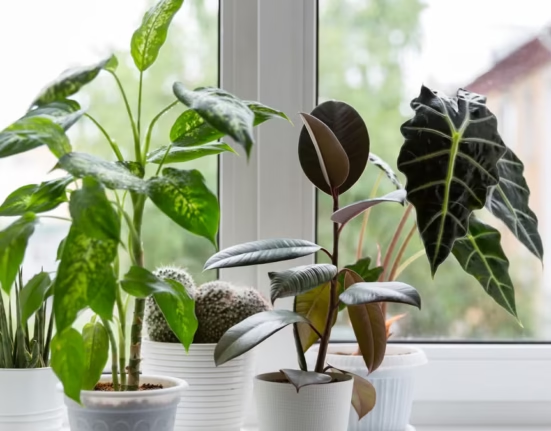

Last spring, I walked into a local nursery looking for something a little different — something that would stop people in their tracks when they saw my front porch. That’s when I spotted it. Tucked between rows of ordinary petunias and marigolds sat a stunning dragon flower plant, its snapdragon blooms reaching upward like tiny open mouths. I bought three without even asking the price. By midsummer, my porch looked like something out of a fantasy novel. I was completely hooked, and I’ve been growing dragon flower plants ever since.
If you’re looking for a flower that combines beauty, charm, and a touch of magic, the dragon flower plant is an excellent choice. Commonly known as the snapdragon or Antirrhinum majus, this popular flowering plant is famous for its unique blooms that open and close like a tiny dragon’s mouth when gently squeezed. Its colorful flowers brighten gardens, containers, and borders throughout the growing season. In this guide, you’ll discover the different varieties of the dragon flower plant, essential care tips, common problems to avoid, and expert advice for growing healthy, vibrant blooms that stand out in any garden.
Discover the dragon flower plant with care tips, common problems, expert advice, and beautiful blooms for every garden season.
Table of Contents
- What Is the Dragon Flower Plant?
- Types and Varieties of Dragon Flower Plant
- Benefits and Importance of the Dragon Flower Plant
- Common Signs, Symptoms, and Problems
- Causes of These Problems
- How to Care for Your Dragon Flower Plant
- Prevention Tips
- Common Mistakes to Avoid
- Expert Tips for Growing Dragon Flower Plants
- Frequently Asked Questions
- Conclusion
- Key Takeaways
What Is the Dragon Flower Plant?
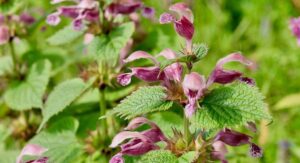
“Dragon flower” is the popular nickname for snapdragons (Antirrhinum majus), a genus of flowering plants in the family Plantaginaceae. These plants are native to rocky areas of Europe, the United States, and North Africa. They’ve been cultivated for centuries for their striking, tubular blooms that look—and act—like a dragon’s mouth.
The name “snapdragon” (and “dragon flower”) comes from the flower’s unique structure. When you gently squeeze the sides of a bloom, the petals open and close like a mouth snapping shut. It’s an irresistible feature that delights gardeners of all ages.
Dragon flower plants are cool-season annuals in most climates, meaning they thrive in spring and fall when temperatures are mild. They’re sensitive to extreme heat but can even tolerate a light frost, which makes them a great choice for early spring planting.
Beyond their fun look, dragon flower plants are incredibly versatile. They work beautifully in garden beds, borders, raised planters, and containers. They also make stunning cut flowers that last well in a vase.
In some cultures, the dragonflower plant has symbolic meaning too. In the Victorian language of flowers, snapdragons represented deception and presumption—but today, most people simply associate them with grace, strength, and beauty.
Types and Varieties of Dragon Flower Plant
One of the best things about the dragon flower plant is how much variety there is. Whether you want a low-growing border plant or a tall dramatic centerpiece, there’s a variety for you.
Dragon flower plants are generally grouped by height:
Tall Varieties (24–48 inches)
- Rocket Series — Fast-growing, heat-tolerant, and great for cutting. Colors include red, white, pink, yellow, and bicolors.
- Madame Butterfly Series — Double-flowered blooms that look more like azaleas than traditional snapdragons.
- Chantilly Series — Open-faced flowers with a loose, airy look. Very popular in cottage gardens.
Medium Varieties (12–24 inches)
- Sonnet Series — A classic mid-height variety with dense flower spikes. Great all-around performer.
- Liberty Classic Series — Early blooming with good heat tolerance. Excellent for mass planting.
- Floral Showers — Compact but with gorgeous, rich colors. Often used in containers.
Dwarf Varieties (6–12 inches)
- Floral Carpet Series — Dense, low-growing, and perfect for edging garden paths.
- Tom Thumb Series — Tiny plants with abundant blooms, ideal for window boxes and small pots.
- Tahiti Series — Very compact with a mounding habit and bright, cheerful flowers.
Specialty Types
- ‘Black Prince’ — A dramatic dark-foliaged variety with deep crimson flowers.
- ‘Luminaire’—A trailing snapdragon perfect for hanging baskets.
- ‘Candy Showers’ — Another trailing variety in soft pastel shades.
There are also dragonflower plants in nearly every color imaginable—red, orange, yellow, pink, white, purple, and bicolor combinations. This makes them incredibly flexible for any garden design.
Benefits and Importance of the Dragon Flower Plant
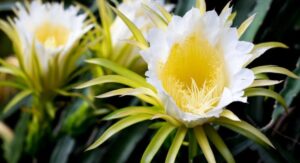
The dragonflower plant isn’t just pretty—it’s genuinely useful in the garden and beyond. Here are the top reasons gardeners keep coming back to this plant year after year.
- Attracts pollinators—Dragonflower plants are magnets for bumblebees, hummingbirds, and butterflies. The tubular blooms are especially attractive to bumblebees, which are strong enough to pry open the petals and access the nectar inside.
- Long blooming season — With proper care, dragon flower plants can bloom from early spring all the way through fall. Deadheading spent blooms encourages continuous flowering.
- Cool-season adaptability — Unlike many flowering plants that fade in spring heat, dragon flower plants thrive when temperatures are between 40°F and 70°F. This makes them ideal for early spring and fall gardens.
- Excellent cut flower—Dragon flower plant stems hold up beautifully in a vase, making them a favorite for home arrangements and even professional floral design.
- Non-toxic to humans — While you shouldn’t eat them, snapdragons are considered non-toxic to people, which makes them a safer choice for gardens where children play.
- Deer-resistant—Most deer avoid dragonflower plants, which is a huge plus if you’re dealing with wildlife in your garden.
- Great for companion planting—Dragon flower plants grow well alongside vegetables and help attract beneficial insects that control pests naturally.
- Versatile in garden design — They work in borders, beds, containers, hanging baskets, rock gardens, and cottage-style gardens with equal ease.
- Easy to grow from seed—With a little patience, dragon flower plants are straightforward to start from seed indoors before the last frost.
- Mood-boosting colors — Research consistently shows that vibrant garden flowers improve mood and reduce stress. A bed full of dragon flower plants in mixed colors is hard to look at without smiling.
Common Signs, Symptoms, and Problems of the Dragon Flower Plant
Even the hardiest plants have their weak spots. The dragon flower plant is generally tough, but there are a few issues you should know how to spot.
Fungal Diseases
Downy Mildew: One of the most common problems. You’ll notice pale yellow patches on the upper surface of leaves, with grayish-purple fuzz on the undersides. Plants may look stunted or droopy.
Rust (Puccinia antirrhini) This is the most damaging fungal disease for dragon flower plants. Look for orange-brown pustules on the undersides of leaves. Heavily infected plants drop their leaves and stop flowering. Rust spreads quickly in cool, wet conditions.
Botrytis Blight (Gray Mold): Tan or gray fuzzy spots appear on flowers, stems, or leaves. This disease thrives in humid conditions with poor air circulation.
Root Rot (Pythium or Phytophthora) Overwatered plants in poorly draining soil are vulnerable. Signs include yellowing leaves, wilting, and stems that turn mushy or dark brown near the soil line.
Bacterial Problems
Crown rot is caused by bacteria in waterlogged soil. Plants suddenly collapse at the base, and the crown turns dark and slimy.
Pest Problems
Aphids—tiny soft-bodied insects clustered on new growth. They suck plant sap, causing leaves to curl and distort.
Spider Mites—Nearly invisible mites that leave fine webbing on leaves. Plants develop a stippled, bronze appearance.
Caterpillars and budworms—These chew through buds and flowers before they have a chance to open.
Thrips — Tiny insects that feed inside flowers, causing streaking and distortion.
Environmental Issues
- Wilting in heat — Dragon flower plants struggle when temperatures consistently exceed 80°F. They may go dormant or stop blooming.
- Leggy growth — Plants that don’t get enough sunlight stretch toward the light and lose their compact shape.
- Yellowing leaves — Usually caused by overwatering, nutrient deficiency, or poor drainage.
Causes of These Problems
Understanding why these problems happen helps you prevent them in the first place. Here are the most common causes:
- Overhead watering — Wet foliage is the number one trigger for fungal diseases like rust and downy mildew.
- Poor air circulation — Crowded plants create humid microclimates where diseases spread rapidly.
- Overwatering or poor drainage — Soggy soil starves roots of oxygen and invites root rot and crown rot.
- Infected plant material — Buying diseased transplants or using contaminated soil can introduce problems from day one.
- Stressed plants — Plants weakened by heat, drought, or nutrient deficiency are more vulnerable to pests and disease.
- Planting too close together — This limits airflow and encourages moisture buildup on leaves and stems.
- Leaving dead plant material in the garden—Old leaves and debris harbor fungal spores and pest eggs over winter.
How to Care for Your Dragon Flower Plant: Step-by-Step Guide
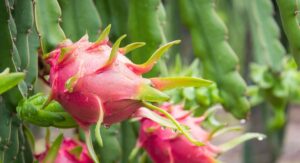
Good care is the difference between a dragon flower plant that limps along and one that absolutely thrives. Here’s exactly what to do.
Step 1: Choose the Right Location
Dragon flower plants need full sun—at least 6 hours of direct sunlight daily. In warmer climates, afternoon shade helps protect them from intense heat. Choose a spot with good air movement, which naturally reduces disease pressure.
Step 2: Prepare the Soil
Dragon flower plants prefer loose, fertile, well-draining soil with a pH of 6.0 to 7.0. Before planting, work 2–3 inches of compost into the top 6 inches of soil. If your soil is heavy clay, add perlite or coarse sand to improve drainage.
Step 3: Planting
- Start seeds indoors 8–10 weeks before the last expected frost date.
- Transplant seedlings outdoors when nighttime temperatures stay above 32°F.
- Space plants 6–12 inches apart depending on variety and height.
- Plant at the same depth they were growing in their nursery pots.
Step 4: Watering
Water dragon flower plants at the base, not overhead. Keep soil consistently moist but never waterlogged. During cool spring weather, watering once or twice a week is usually enough. Increase frequency during hot spells, but also expect some bloom pause when temperatures climb.
A drip irrigation system or soaker hose is ideal for dragonflower plants because it keeps foliage dry.
Step 5: Fertilizing
Feed every 2–3 weeks with a balanced, water-soluble fertilizer (10-10-10 or similar). Once plants are blooming heavily, switch to a low-nitrogen formula to encourage flowers over foliage. Avoid over-fertilizing with nitrogen, which produces lush leaves but fewer flowers.
Step 6: Deadheading and Pruning
Remove spent flower spikes regularly to encourage new blooms. When plants get leggy in summer heat, cut them back by one-third. They’ll often bounce back beautifully when cooler fall weather arrives.
Step 7: Treating Diseases and Pests
- For rust and downy mildew: Remove infected leaves immediately and apply a copper-based or neem oil fungicide.
- For aphids and spider mites: Spray with insecticidal soap or neem oil. Repeat every 5–7 days until pests are gone.
- For root rot: Remove affected plants, improve drainage, and avoid replanting snapdragons in the same spot for at least a season.
Prevention Tips
A little prevention goes a long way with dragon flower plants. Use this checklist to keep your plants healthy all season.
- Water at the base, never overhead
- Space plants properly for good airflow
- Use well-draining soil and raised beds if needed
- Rotate dragon flower plants to different spots each year
- Inspect plants weekly for early signs of pests or disease
- Remove and dispose of infected leaves immediately—don’t compost them
- Apply a thin layer of mulch to regulate soil moisture and temperature
- Avoid working with plants when foliage is wet
- Choose disease-resistant varieties when available
- Clean up all plant debris at the end of the season
Common Mistakes to Avoid
Even experienced gardeners make these errors with dragon flower plants. Knowing them in advance saves you a lot of frustration.
- Planting too late in spring — Dragon flower plants are cool-season plants. If you wait until summer to plant, you’ll miss most of their prime blooming period.
- Overwatering—More dragon flower plants die from too much water than from too little. When in doubt, let the top inch of soil dry out before watering again.
- Ignoring rust early on — Snapdragon rust spreads fast. One infected leaf today can mean a decimated plant in a week. Act quickly.
- Not deadheading—Skipping deadheading tells the plant it’s done its job (setting seed), and bloom production slows dramatically.
- Using high-nitrogen fertilizer all season — Great for leafy greens, bad for flowers. Too much nitrogen means green growth and almost no blooms.
- Planting in shade — Dragon flower plants planted in shady spots grow weak and leggy and rarely bloom well.
- Giving up in summer—If your dragonflower plants slow down in the heat, don’t pull them up. Cut them back and wait for fall — they’ll often rebloom magnificently.
Expert Tips for Growing Dragon Flower Plants
Here are some practical, hard-earned tips that can make a real difference in how your dragon flower plants perform.
Pinch early for fuller plants. When seedlings are about 4–6 inches tall, pinch off the growing tip just above a set of leaves. This forces the plant to branch out and produce more flower spikes instead of just one central stem.
Use cold stratification for better germination. Snapdragon seeds germinate better after a brief cold period. Refrigerate seeds for 1–2 weeks before sowing, then plant in seed-starting mix with good contact with the soil surface—dragonflower seeds need light to germinate, so don’t cover them.
Mix tall and dwarf varieties. Combine tall varieties in the back of a border with dwarf types in front for a layered, lush look that maximizes visual impact.
Try winter growing in mild climates. In USDA zones 7–10, dragon flower plants can overwinter and bloom in late winter and early spring before most other plants wake up.
Make them last as cut flowers. Cut stems early in the morning when blooms are partially open. Strip lower leaves, place in cool water, and change the water every 2 days. Add a floral preservative for the longest vase life.
Save seeds for next year. Allow a few spent flower heads to dry completely on the plant, then collect the tiny seeds inside. Store in a cool, dry place and sow them indoors the following late winter.
FAQ’s
Q1: Is the dragon flower plant a perennial or an annual?
In most climates (USDA zones 3–7), the dragon flower plant is grown as a cool-season annual. However, in warmer zones (8–11), it can behave as a short-lived perennial and may self-seed readily. Even in cold climates, some gardeners overwinter established plants in a protected spot or cold frame with some success.
Q2: How often should I water my dragonflower plant?
Water deeply once or twice a week during cool weather, aiming for about 1 inch of water per week. During hot spells, check soil moisture more often. Always water at the base of the plant, not on the leaves, to reduce disease risk. The goal is consistently moist (not soggy) soil.
Q3: Why is my dragon flower plant not blooming?
The most common reasons are too much shade, excessive heat (above 80°F), over-fertilizing with nitrogen, or skipping deadheading. Make sure your plant gets at least 6 hours of sunlight, use a balanced or low-nitrogen fertilizer, and remove spent blooms regularly to encourage continuous flowering.
Q4: Can dragon flower plants grow in containers or pots?
Absolutely. Dragon flower plants do very well in containers, as long as the pot has drainage holes and you use a quality potting mix. Dwarf varieties work especially well in pots and window boxes. Container plants may need more frequent watering since pots dry out faster than garden beds.
Q5: Are dragon flower plants safe around pets?
Dragon flower plants (snapdragons) are listed as non-toxic to dogs and cats by the ASPCA. This makes them one of the safer choices for pet-friendly gardens. That said, it’s always smart to discourage pets from chewing on any plants, just to be safe.
Q6: How do I deal with rust on my dragonflower plant?
Start by removing all affected leaves and disposing of them in the trash — not the compost. Then apply a fungicide labeled for rust (copper-based fungicides or sulfur sprays work well). Improve air circulation around plants and switch to bottom watering. In severe cases, it may be necessary to remove the entire plant to protect nearby healthy ones.
Q7: When is the best time to plant dragon flower plants outside?
The best time is 2–3 weeks before the last expected frost date in your area. Dragon flower plants can handle light frosts, but protect them if a hard freeze is predicted. In fall, you can plant them again as temperatures cool in late summer for a second flush of blooms before winter.
Q8: Can I grow dragon flower plants from cuttings?
Yes! Dragon flower plants root fairly easily from stem cuttings taken in late summer. Cut a 4–6 inch stem just below a leaf node, remove the lower leaves, and place it in moist potting mix or a glass of water. Keep it warm and out of direct sun until roots develop, then pot it up or transplant to the garden.
Q9: What do I do with dragon flower plants at the end of the season?
After the first hard frost kills the plants in cold climates, pull them out and compost healthy material (not diseased). Leave the soil and scatter any remaining seeds for possible self-sowing next spring. In mild climates, cut plants back by half, and they may overwinter and reflower.
Conclusion
The dragon flower plant is one of those rare garden treasures that delivers on every promise. It’s beautiful, versatile, and surprisingly tough when you give it the right conditions. From the moment you squeeze a bloom and watch it snap open like a tiny dragon’s mouth to the day your fall garden explodes with color while everything else is shutting down—this plant earns every bit of the attention it gets.
Key Takeaways
| Topic | Key Point |
| Best Planting Time | 2–3 weeks before last frost in spring; again in late summer for fall bloom |
| Sunlight Needs | Full sun — minimum 6 hours daily |
| Watering | Base watering only: 1 inch per week; never waterlogged |
| Fertilizing | Balanced fertilizer every 2–3 weeks; low nitrogen when blooming |
| Common Diseases | Rust, downy mildew, botrytis, root rot |
| Common Pests | Aphids, spider mites, thrips, caterpillars |
| Deadheading | Essential for continuous blooming |
| Temperature Range | Best at 40°F–70°F; struggle above 80°F |
| Deer Resistance | Yes—generally deer resistant. |
| Pet Safety | Non-toxic to dogs and cats (per ASPCA) |
| Best Varieties for Containers | Tom Thumb, Floral Carpet, Candy Showers |
| Best Varieties for Cutting | Rocket Series, Sonnet Series, Chantilly Series |