A few years ago, I thought all sage plants looked pretty much the same until I visited a local plant nursery. I was surprised to see different types of sage plants with unique leaf colors, fragrances, and growth habits. I brought home common sage, purple sage, and pineapple sage to see how they performed in my garden. Over time, each variety developed its own personality. The pineapple sage attracted hummingbirds, while common sage became my favorite herb for cooking. Exploring different types of sage plants completely changed how I view this versatile and beautiful group of plants.
Most people only know sage as the dried herb found in a spice jar, but there’s an entire world of sage beyond the kitchen. The different types of sage plants belong to the large Salvia genus, which includes more than 900 species grown for cooking, beauty, and even traditional medicine. Some varieties produce colorful flowers that attract pollinators, while others are prized for their fragrant leaves and culinary uses. In this guide, you’ll discover the most popular different types of sage plants, learn how they differ, and find out which varieties are best suited for your garden, landscape, or indoor space.
Discover 15 different types of sage plants, including care tips, common problems, and the best varieties for every garden.
Table of Contents
- What Are Sage Plants?
- 15 Different Types of Sage Plants
- Benefits of Growing Sage
- Common Problems and Symptoms
- What Causes These Problems
- How to Care for Sage Plants
- Prevention Tips
- Mistakes to Avoid
- Expert Growing Tips
- Frequently Asked Questions
- Conclusion
- Key Takeaways Table
What Are Sage Plants?
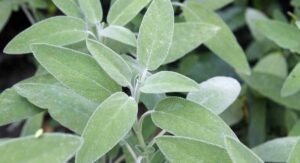
Sage plants are members of the genus Salvia, part of the mint family (Lamiaceae). The name comes from the Latin word “salvere,” meaning “to heal”—a nod to the long medicinal history these plants carry across many cultures and centuries.
The different types of sage plants range from small, tidy herb garden specimens to large flowering shrubs. Most share a few recognizable features: square stems, aromatic leaves packed with essential oils, and beautiful two-lipped flowers that pollinators absolutely love.
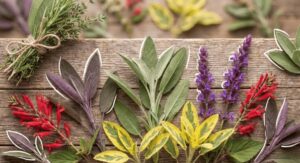
What really sets the different types of sage plants apart from each other is how wildly varied they are. Some top out at 10 inches. Others grow 6 feet tall. Leaves come in gray, green, gold, purple, and silver. Flowers bloom in blue, violet, red, pink, white, and coral. Some types thrive in desert heat. Others tolerate surprisingly moist conditions.
The one thing that unites most of them — especially Mediterranean varieties — is a love of full sun and sharp drainage. Get those two things right, and nearly every sage variety rewards you generously.
15 Different Types of Sage Plants
Here is a full breakdown of the most popular and useful different types of sage plants you can grow in the United States, organized by category.
Culinary Sage Varieties
If you cook, these are the different types of sage plants you want within arm’s reach.
1. Common Sage (Salvia officinalis)
This is where most people start — and honestly, it’s still one of the best. Common sage grows gray-green, slightly fuzzy leaves with a bold, earthy, savory flavor that deepens beautifully when cooked. It’s a woody perennial in USDA zones 4–8, reaching about 18 to 24 inches tall and wide.
The leaves are perfect for stuffing, brown butter sauces, roasted meats, and pasta dishes. In early summer it produces soft purple-blue flower spikes that are lovely enough to cut for arrangements. This is the foundational variety among all the different types of sage plants, and every herb garden should have at least one.
2. Purple Sage (Salvia officinalis ‘Purpurascens’)
Purple sage is everything common sage is, with a visual upgrade. New growth comes in rich purple, gradually shifting to gray-green as the leaves mature. The flavor is nearly identical to common sage — bold and earthy — making it just as useful in the kitchen.
It grows to about 18 inches tall and is hardy in zones 5–8. If you want an herb garden that looks designed rather than random, purple sage is one of the most beautiful choices among the different types of sage plants available.
3. Golden Sage (Salvia officinalis ‘Icterina’)
Golden sage has variegated leaves splashed in bright yellow-gold and soft green. The flavor is milder and slightly sweeter than common sage, which makes it wonderful for lighter dishes where you want a hint of sage without overwhelming the other ingredients.
It stays compact — usually under 18 inches — and is one of the more cold-tolerant ornamental culinary types. It also works as an edging plant along a path or border, giving you beauty and flavor in one package.
Ornamental Sage Varieties
These different types of sage plants are grown first for beauty, though many also attract impressive numbers of pollinators.
4. Woodland Sage (Salvia nemorosa)
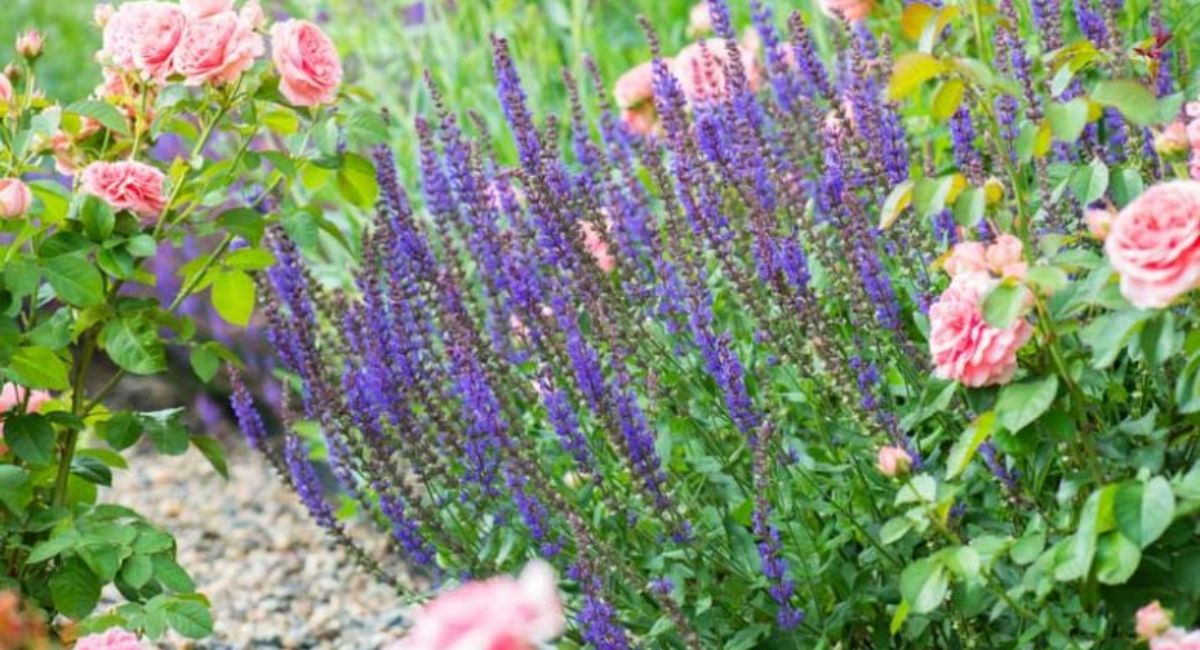
Woodland sage is likely the most planted ornamental salvia in American gardens right now. Compact and tidy, it sends up neat upright spikes covered in violet, blue, or deep purple flowers in late spring. Cut it back hard after the first bloom flush, and it often rebounds with a second round in late summer.
Top cultivars include ‘May Night,’ ‘Caradonna,’ and ‘East Friesland.’ All are hardy in zones 4–8, easy to grow, and excellent for attracting bees and butterflies. If you’re just getting into ornamental salvias, this is the best starting point among all the different types of sage plants for borders and beds.
5. Russian Sage (Perovskia atriplicifolia)
Russian sage recently got reclassified outside the Salvia genus, but every gardener still groups it with the different types of sage plants — and with good reason. It produces long, airy plumes of lavender-blue flowers on ghostly silver-white stems from midsummer clear through fall.
It’s one of the most drought-tolerant perennials you can plant, handles poor soil without complaint, and deer largely ignore it. Hardy in zones 4–9. Give it full sun and room to spread and it will fill a border with color for months.
6. Autumn Sage (Salvia greggii)
Autumn sage is a tough, cheerful Texas native that blooms almost constantly from spring through the first frost. Flowers come in red, coral, pink, orange, salmon, and white, depending on the cultivar. It handles heat and drought far better than most plants and is a top-tier hummingbird plant throughout the blooming season.
Hardy in zones 6–9 and compact enough for containers or the front of a mixed border. Among the different types of sage plants that deliver nonstop color, autumn sage is one of the most reliable.
Native and Medicinal Sage Varieties
These different types of sage plants carry deep ecological, cultural, and historical significance. They’re also increasingly popular in sustainable and native plant gardens across the country.
7. White Sage (Salvia apiana)
White sage is a California chaparral native with striking silver-white foliage that practically glows in the landscape. The leaves are intensely aromatic — more so than almost any other plant — and have been used for centuries in Indigenous smudging and purification ceremonies.
In the garden it grows into a dramatic shrub 3 to 5 feet tall and wide. It demands hot sun, perfect drainage, and minimal water. Wet soil is essentially a death sentence for this plant. Hardy in zones 8–11.
Because wild white sage populations are being seriously damaged by overharvesting, please grow your own or buy only from ethical, nursery-propagated sources.
8. Cleveland Sage (Salvia clevelandii)
Cleveland sage is a California native that produces some of the most powerfully fragrant foliage of all the different types of sage plants. Just brushing against it — or walking past it after a rain shower — releases a wave of camphor-like fragrance that’s genuinely unforgettable.
Blue-purple flower spikes appear in early summer and are highly attractive to native bees. It thrives in hot, dry western gardens and asks for almost nothing once established. Hardy in zones 8–10.
Benefits of Growing Different Types of Sage Plants
There are real, practical reasons to grow sage — lots of them.
- Fresh culinary flavor that dried herbs can’t match. There’s simply no comparison between fresh sage from the garden and the dried version from a jar.
- Outstanding drought tolerance. Once established, most types survive dry summers that would wipe out other plants.
- Incredible pollinator value. Bees, butterflies, and hummingbirds flock to sage flowers. Few plants do more for garden wildlife.
- Reliable deer resistance. The aromatic oils that make sage valuable to us make it deeply unappealing to deer.
- Months of bloom time. Many ornamental types flower for 3 to 5 months, especially when cut back after the first flush.
- Design versatility. With sizes ranging from 10-inch mounds to 6-foot shrubs, there is a sage variety for every garden spot.
- Medicinal and aromatic uses. From essential oils and herbal teas to traditional remedies, many types have uses that go far beyond the landscape.
- Low maintenance once established. Most different types of sage plants ask for very little after their first season in the ground.
Common Problems, Signs, and Symptoms
The different types of sage plants are tough, but a handful of problems come up often enough to be worth knowing.
Powdery Mildew
A white or gray powdery coating on leaf surfaces is one of the most common problems affecting different types of sage plants. This fungal disease thrives in humid, still air and weakens plants over time.
Root Rot
Root rot is a leading cause of death in different types of sage plants. Symptoms include wilting despite moist soil, yellow lower leaves, and blackened or mushy stems caused by waterlogged conditions.
Leaf Spot
Brown or tan spots with yellow halos can develop on different types of sage plants, especially during wet and rainy seasons when fungal pathogens spread easily.
Aphids
These tiny insects cluster on new growth, causing curled leaves and sticky honeydew. Many different types of sage plants become stressed when aphid populations grow unchecked.
Spider Mites
Fine webbing and bronzed foliage are signs of spider mites, which often attack different types of sage plants during hot and dry weather.
Stem Borer
If one branch suddenly wilts while the rest of the plant appears healthy, a stem borer may be present. Cutting the affected stem often reveals the hidden larva inside.
What Causes These Problems
- Overwatering or poor drainage — triggers root rot and most fungal diseases
- Overhead watering — keeps foliage wet and invites leaf spot, mildew, and botrytis
- Poor airflow from crowded planting—creates the humid pockets that fungal diseases love
- Hot, dry, stressed growing conditions — prime environment for spider mite outbreaks
- Heavy nitrogen fertilizing — produces soft, lush growth that aphids find irresistible
- Heavy clay or compacted soil—holds moisture far too long for most sage varieties
- Buying infected transplants—some pest and disease problems start at the nursery
How to Care for Different Types of Sage Plants: Step by Step
Step 1 — Choose the right variety for your zone. Before buying, match the plant to your USDA hardiness zone. Common sage and woodland sage work in zones 4–8. Tender tropical types, like pineapple sage, need to be treated as annuals or brought indoors in cold climates.
Step 2 — Prepare the right soil. Most different types of sage plants prefer lean, well-draining soil with a pH between 6.5 and 7.0. If your soil is heavy clay, mix in coarse sand or perlite. Avoid over-amending with compost—rich soil causes floppy, pest-prone growth.
Step 3 — Plant at proper spacing. Space most varieties 18 to 24 inches apart. Good airflow between plants is one of the best things you can do to prevent fungal disease throughout the season.
Step 4 — Water correctly. Water deeply right after planting. After that, let the top inch or two of soil dry out between waterings. Most established sage plants need watering once or twice per week in hot weather—sometimes less.
Step 5 — Fertilize lightly. A single application of balanced slow-release granular fertilizer in early spring is usually all sage plants need for the season. Skip the high-nitrogen formulas entirely.
Step 6 — Prune every year. Prune culinary sage back by one-third in early spring. Cut ornamental types back after each bloom cycle to encourage rebloom. Never cut into bare old wood below the green growth—most sage plants won’t recover from that.
Step 7 — Mulch smartly. Use coarse gravel or bark mulch around the crown. Fine organic mulch can hold too much moisture against the base of the plant and encourage crown rot.
Step 8 — Divide older clumps. Most perennial salvias benefit from division every 3 to 4 years. Dig and split in early spring. Replant divisions right away and water them in well.
Prevention Tips
- Plant in full sun — a minimum of 6 solid hours every day
- Use lean, sharply draining soil in both beds and containers
- Water at the base of plants only — never overhead
- Space plants generously to allow airflow between them
- Prune annually to prevent woody, unproductive old growth
- Avoid nitrogen-heavy fertilizers that encourage soft, pest-prone growth
- Remove and dispose of diseased plant material right away
- Mulch with gravel near the crown in wet-climate regions
- Divide crowded perennial clumps every few years to keep them vigorous
- Check new transplants carefully for pests or signs of disease before planting
Common Mistakes to Avoid
- Overwatering. This is the number one killer of sage plants across every type and variety. Dry conditions between waterings are essential.
- Planting in shade. Even partial shade reduces bloom production and weakens the essential oil content in culinary types.
- Skipping annual pruning. Within two or three seasons, unpruned sage becomes a woody, open, largely unproductive mess.
- Forgetting tender types need winter protection. Pineapple sage, Mexican bush sage, and blue anise sage will die in hard frost if left outdoors in cold climates.
- Over-amending with compost. Sage prefers lean, poor-ish soil. Rich soil pushes lush, floppy growth that invites pest pressure.
- Ignoring self-seeders. Clary sage and bog sage spread enthusiastically. Give them room or they’ll crowd out everything else nearby.
- Planting too close together. Looks lush at planting time, but within a season it creates exactly the humid conditions that fungal diseases love.
Expert Tips for Growing Sage
Mix types for a full-season bloom show. Plant early-blooming woodland sage alongside midsummer Russian sage and late-season Mexican bush sage. You’ll have continuous color from late April through October with almost zero effort.
Always harvest culinary sage in the morning. Essential oil concentration in sage leaves peaks in the morning before heat begins to disperse it. Pick leaves just before you cook for the strongest, most complex flavor.
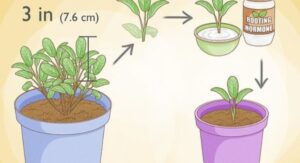
Propagate culinary varieties from cuttings, not seed. Named cultivars like purple sage and golden sage don’t come true from seed. Take 4-inch stem cuttings in late spring, stick them in moist perlite, and you’ll have rooted plants in three to four weeks.
Pair sage with lavender and rosemary. These three Mediterranean herbs share the same requirements—full sun, poor soil, and minimal water. Together they create a low-maintenance, fragrant planting that practically takes care of itself.
Leave some seed heads for winter wildlife. Especially with native varieties, resist deadheading everything in fall. Seed heads feed finches and sparrows through the lean winter months.
FAQ’s
Q1: How many different types of sage plants are there in total?
The genus Salvia contains more than 900 recognized species worldwide. Of those, dozens are regularly grown by American gardeners for cooking, garden beauty, wildlife support, or medicinal purposes. The number of named cultivars within popular species like Salvia officinalis adds hundreds more options.
Q2: Which type of sage is best for everyday cooking?
Common sage (Salvia officinalis) is the standard choice and what most recipes mean when they say “sage.” Purple sage and golden sage are also excellent in the kitchen. For teas, cocktails, and desserts, pineapple sage offers a uniquely fruity twist that no other variety can match.
Q3: Can the different types of sage plants grow in pots and containers?
Yes, most varieties adapt well to containers. Use a quality, well-draining potting mix, make sure the pot has drainage holes, and plan to fertilize a little more frequently than you would for in-ground plants. Compact types like common sage, golden sage, and autumn sage are especially well-suited to container growing.
Q4: Are sage plants resistant to deer?
Generally yes. The strong aromatic oils in sage foliage make it unappealing to deer in most situations. No plant is completely guaranteed to be deer-proof in every circumstance, but sage consistently ranks among the more reliable choices for deer-heavy gardens.
Q5: Why is my sage plant wilting even though the soil is wet?
Wilting in moist soil is a classic symptom of root rot, which is caused by overwatering or poor drainage. Check the base of the plant for brown, mushy, or blackened stem tissue. If root rot has set in, improve drainage immediately, reduce watering, and consider whether the plant can be saved by trimming damaged roots and repotting in fresh, dry soil.
Q6: What is the difference between sage and salvia?
They are the same genus. “Sage” is the common name typically used for culinary varieties and a handful of closely related species. “Salvia” is used more broadly to refer to ornamental varieties. All salvias are technically sages, but in everyday gardening language the two words carry different informal meanings.
Q7: Which different types of sage plants are best for attracting hummingbirds?
Pineapple sage, autumn sage, Mexican bush sage, and blue anise sage are among the very best hummingbird plants in the entire Salvia genus. Their tubular flower shapes are perfectly matched to hummingbird feeding behavior, and the birds find them irresistible during migration season.
Q8: How do I keep my sage plant from getting woody and bare?
Prune it every single year. Cut back by about one-third in early spring before new growth emerges. During the season, harvest frequently to encourage fresh growth from the base. The more you prune and harvest, the less woody and open the plant becomes over time.
Q9: Are all the different types of sage plants safe to eat?
No. Culinary varieties—common sage, purple sage, golden sage, tricolor sage, and pineapple sage—are safe and delicious. Many ornamental and native species have not been evaluated for culinary safety and may contain compounds that are fine in small amounts but problematic in larger quantities. Stick to varieties specifically grown and labeled for kitchen use.
Q10: Can I grow different types of sage plants together in the same bed?
Absolutely, and it’s actually a smart design move. Most sage varieties share the same basic requirements—full sun and well-draining soil—which makes them natural companions. Combining types gives you a longer overall bloom season, more variety in color and texture, and a more ecologically diverse planting that supports a wider range of pollinators.
Conclusion
Here’s what I’ve come to believe after years of growing sage in every form I can find: there is no single type of gardener who shouldn’t have at least a few different types of sage plants growing somewhere in their space. Cook? Grow common sage, purple sage, or pineapple sage within arm’s reach of your kitchen door. Landscaper? Woodland sage, Russian sage, and Mexican bush sage will give you color from spring through frost.
Wildlife gardener? Autumn sage, blue anise sage, and pineapple sage will have hummingbirds visiting daily. Dry-climate gardener? White sage and Cleveland sage were practically made for your conditions. The different types of sage plants are that rare category of garden plant that manages to be useful, beautiful, tough, fragrant, and wildlife-friendly all at once. They don’t ask for much. They just keep giving.
Start with one variety — whichever one fits your climate and your goals best. Grow it until you know it. Then add another. You’ll quickly see why gardeners who fall for the different types of sage plants almost never stop at just one. There are too many good ones, and life is too short to grow boring plants.
Key Takeaways
| Variety | Type | Best Use | Bloom Color | Hardy Zones |
| Common Sage | Culinary | Cooking, herb gardens | Purple-blue | 4–8 |
| Purple Sage | Culinary + ornamental | Cooking, edging | Purple-blue | 5–8 |
| Golden Sage | Culinary + ornamental | Light dishes, edging | Purple-blue | 6–9 |
| Tricolor Sage | Culinary + ornamental | Decoration, cooking | Purple-blue | 6–9 |
| Pineapple Sage | Culinary + wildlife | Teas, cocktails, hummingbirds | Scarlet red | 8–11 |
| Woodland Sage | Ornamental | Borders, pollinators | Violet, blue | 4–8 |
| Russian Sage | Ornamental | Drought-bordered, long bloom | Lavender-blue | 4–9 |
| Autumn Sage | Ornamental + wildlife | Hummingbirds, long season | Red, pink, coral | 6–9 |
| Mexican Bush Sage | Ornamental | Fall display, cut flowers | Purple and white | 8–11 |
| Blue Anise Sage | Ornamental | Bold color, tall borders | Deep cobalt blue | 7–10 |
| Scarlet Sage | Annual bedding | Containers, annual beds | Red, pink, white | Annual |
| White Sage | Native/medicinal | Dry western gardens | White | 8–11 |
| Cleveland Sage | Native | Fragrance, native gardens | Blue-purple | 8–10 |
| Clary Sage | Medicinal | Cottage gardens, oils | Lavender, pink | 4–9 |
| Bog Sage | Specialty | Moist spots, naturalizing | Sky blue | 6–10 |