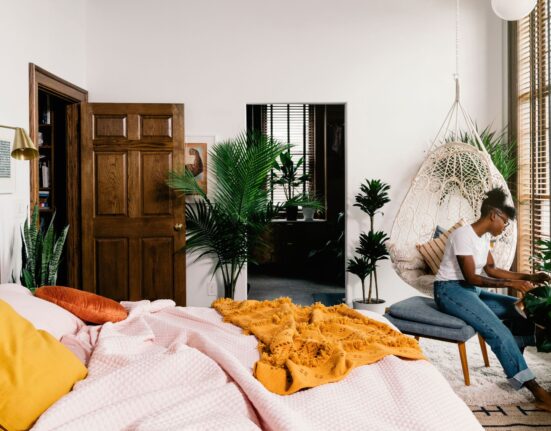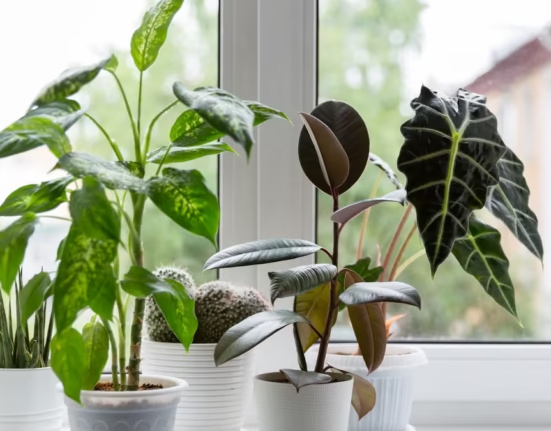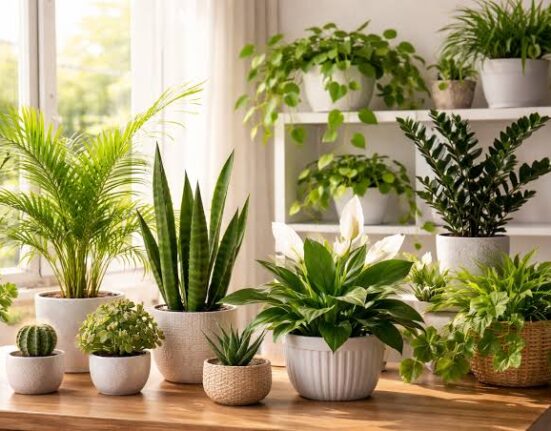
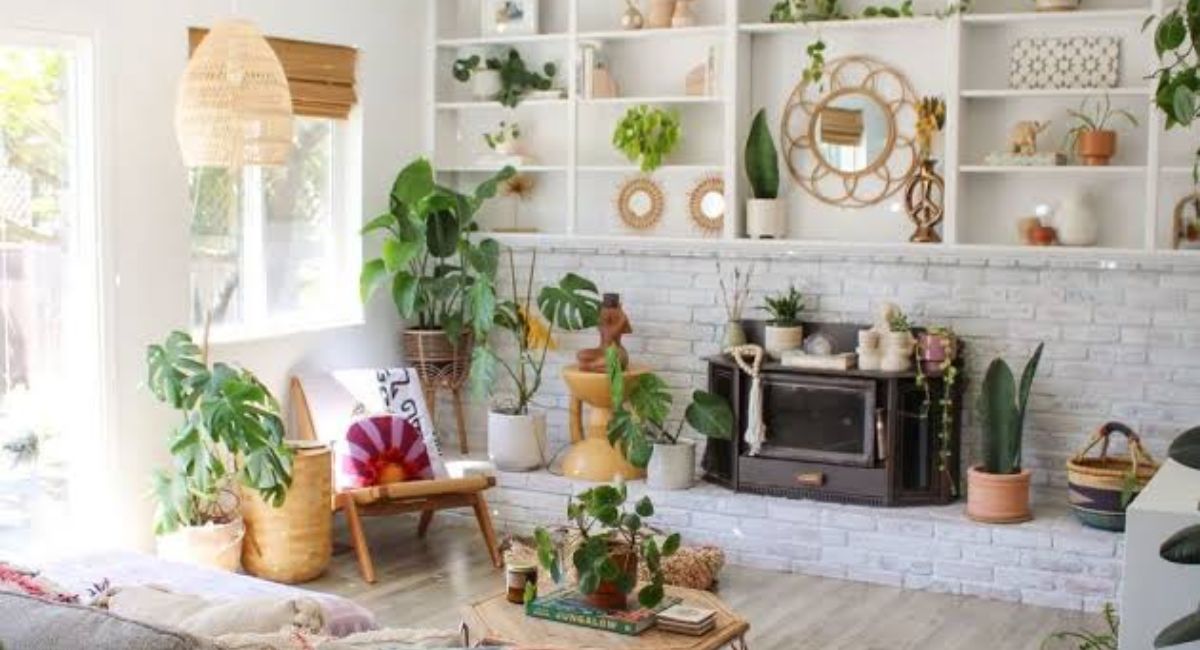
Three years ago, I moved into a small apartment in Chicago with zero natural light and an even smaller budget. A coworker suggested I try indoor plants to make the space feel more alive. I was skeptical—I’d killed a cactus before, so my track record wasn’t great. I started with a single pothos in a corner shelf, and something about watching it grow new leaves every week actually hooked me. Six months later I had twelve houseplants spread across my apartment, and people who visited genuinely thought I’d redecorated. The space felt warmer, calmer, and more like a real home. That’s the honest truth about what houseplants can do.
Indoor plants have quietly become one of the biggest home trends in the US — and for good reason. They’re affordable, versatile, and they do things for a space that no piece of furniture or wall art can replicate. Whether you’re working with a dark studio apartment or a sun-drenched sunroom, there’s an indoor plant suited to your exact conditions. In this guide, you’ll learn which types to choose, how to keep them alive and thriving, and how to avoid the mistakes that trip up most beginners. Let’s get into it.
Discover the best indoor plants for your home, how to care for them, and expert tips to keep them thriving all year long.
Quick Answer / Featured Snippet
What are the best indoor plants for beginners? The best indoor plants for beginners are pothos, snake plants, ZZ plants, peace lilies, and spider plants. These varieties tolerate low light, inconsistent watering, and typical indoor humidity levels. They require minimal care, grow reliably indoors, and are widely available at garden centers and home improvement stores across the US. Most beginners see the best results starting with a single pothos or snake plant before expanding their collection.
Table of Contents
- What Are Indoor Plants?
- Types and Varieties of Indoor Plants
- Benefits of Growing Indoor Plants
- Step-by-Step Growing and Care Guide
- Common Problems, Diseases, and Pests
- Common Mistakes to Avoid
- Expert Tips
- Comparison Table: Best Indoor Plants at a Glance
- Frequently Asked Questions
- Conclusion
What Are Indoor Plants?
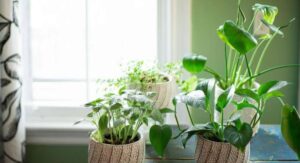
Indoor plants are any plant species grown inside a home, office, or other enclosed space rather than outdoors in the ground. While essentially any plant can survive indoors for a period, true houseplants are species that grow well — sometimes even better — in typical indoor conditions: limited natural light, stable temperatures, and relatively low humidity compared to the outdoors.
Most foliage plants originated in tropical or subtropical regions of the world. Think the dense shade of a jungle understory, where light is filtered through a canopy of tall trees. That environment—warm, humid, and low-light—mirrors what most homes offer naturally, which is why so many tropical plants adapt so easily to life inside.
Indoor plants can be broad-leafed foliage plants, flowering plants, succulents, cacti, or even miniature trees. The category is wide, and that variety is actually one of the best things about growing them. No matter your space, light situation, or level of experience, there are indoor plants that will genuinely thrive where you are.
What sets foliage plants apart from their outdoor counterparts isn’t just where they live—it’s what they do for the spaces they inhabit. A single well-placed indoor plant can change the entire feel of a room.
Types and Varieties of Indoor Plants
Indoor plants break down into several broad categories, each suited to different light levels, spaces, and care preferences.
Foliage Plants
These are grown primarily for their leaves rather than their flowers. They tend to be the most adaptable and longest-lived of all foliage plants.
- Pothos (Epipremnum aureum) — Trailing vines with heart-shaped leaves, nearly indestructible. Perfect for shelves and hanging baskets.
- Snake Plant (Sansevieria trifasciata) — Stiff, upright leaves with a striking vertical shape. Tolerates neglect and low light better than almost any other indoor plant.
- ZZ Plant (Zamioculcas zamiifolia) — Glossy, dark green leaves on arching stems. Extremely drought-tolerant thanks to its water-storing rhizomes.
- Monstera (Monstera deliciosa) — Bold, split leaves that give any room a tropical feel. A stately indoor plant that grows fast in the right conditions.
- Peace Lily (Spathiphyllum) — Glossy dark leaves with elegant white flowers. One of the few flowering indoor plants that thrives in lower light.
Succulents and Cacti
These store water in their leaves, stems, or roots and need very little watering—making them popular as foliage plants in dry climates.
- Aloe vera — Practical and good-looking; the gel from broken leaves soothes minor burns.
- Echeveria—Rosette-shaped succulents in a wide range of colors that thrive in bright light.
- Haworthia — Small, compact succulents that tolerate lower indoor light better than most.
Flowering Indoor Plants
These provide color and variety, though they often require more attention to light and moisture than foliage types.
- African Violet (Saintpaulia) — Compact and colorful, blooms reliably indoors year-round.
- Orchids (Phalaenopsis) — The most popular flowering indoor plant in America, prized for elegant blooms that can last two to three months.
- Begonia — Wide variety of forms; some bloom almost continuously indoors with adequate light.
Air Plants (Tillandsia)
These grow without soil entirely, absorbing moisture through their leaves. An interesting and low-maintenance category of foliage plants.
Herbs as Indoor Plants
Many culinary herbs—basil, chives, thyme, rosemary, and mint—can grow as tropical plants in a sunny kitchen window, combining beauty with function.
Benefits of Growing Indoor Plants
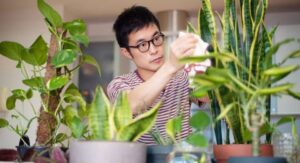
The case for keeping tropical plants goes well beyond aesthetics. Here are the genuine, research-backed benefits of bringing plants inside.
- Improved air quality — NASA’s Clean Air Study found that several common indoor plants remove trace amounts of volatile organic compounds (VOCs) like formaldehyde and benzene from indoor air. While a single plant won’t replace an air purifier, a collection of tropical plants does contribute to a healthier air environment.
- Reduced stress—Multiple studies, including research from the University of Hyogo in Japan, have found that interacting with indoor plants—watering, pruning, or simply being near them—lowers physiological and psychological stress levels.
- Better focus and productivity — A study from the University of Exeter found that workers in offices with tropical plants showed a 15% improvement in productivity compared to those in plant-free spaces.
- Improved mood — Caring for a living thing, even a plant, gives people a sense of purpose and routine. Many therapists and mental health researchers have noted the positive role of indoor plants in managing anxiety and mild depression.
- Humidity regulation—Plants release moisture through transpiration, which can raise indoor humidity levels naturally, which is helpful in dry climates or during winter months when central heating dries out indoor air.
- Noise reduction — Plants absorb and scatter sound waves. While the effect is modest, a dense grouping of tropical plants near a window can reduce perceived noise levels from outside.
- Visual appeal — Indoor plants add texture, color, and a sense of life to rooms in ways that decorations can’t replicate.
- Educational value for children — Growing tropical plants teaches children about biology, responsibility, and patience. A simple bean sprout or spider plant offshoot can spark genuine curiosity in young kids.
- Better sleep — Certain tropical plants, including lavender, jasmine, and aloe vera, have calming properties that may improve sleep quality when kept in a bedroom.
Step-by-Step Growing and Care Guide
Caring for indoor plants doesn’t have to be complicated. Follow this straightforward routine and most plants will thrive.
Step 1: Assess Your Light Conditions
Before buying any indoor plant, walk through your space and honestly assess how much natural light each area receives throughout the day.
- Bright direct light — Within 2 feet of a south- or west-facing window; suits succulents, cacti, and most herbs.
- Bright indirect light — Near a window but not in the direct sunbeam; suits most tropical foliage plants like pothos, monstera, and fiddle-leaf figs.
- Low light — More than 6 feet from a window or in a north-facing room; suits snake plants, ZZ plants, and pothos.
Match your tropical plants to actual conditions — not the conditions you wish your space had.
Step 2: Choose the Right Soil and Pot
Most indoor plants need a well-draining potting mix—not garden soil, which compacts in containers. For succulents and cacti, use a mix specifically formulated for those plants with added sand or perlite.
Always use pots with drainage holes. No drainage is one of the fastest ways to kill these plants from root rot.
Step 3: Water Correctly
More indoor plants die from overwatering than from neglect. The right watering approach depends on the plant, but these rules apply broadly:
- Check soil moisture before watering by pressing a finger about an inch into the soil.
- Water when the top inch feels dry for most tropical plants.
- Water only when soil is completely dry for succulents and cacti.
- Water thoroughly until it drains from the bottom, then empty the saucer.
Step 4: Feed During the Growing Season
Most indoor plants benefit from a balanced, water-soluble fertilizer (such as 10-10-10 or 20-20-20) diluted to half strength, applied monthly during spring and summer. In fall and winter, stop fertilizing entirely — these plants grow slowly in low light and don’t need the extra nutrients.
Step 5: Maintain Proper Humidity
Most tropical indoor plants prefer humidity levels between 40% and 60%. If your home runs dry, especially in winter, try one of the following:
- Group these plants together so they raise humidity through shared transpiration.
- Place pots on a pebble tray with water.
- Use a small room humidifier near your plant collection.
Step 6: Clean the leaves.
Dust accumulates on indoor plant leaves and blocks the light they need for photosynthesis. Wipe leaves gently with a damp cloth every few weeks. This also lets you inspect the undersides of leaves for early signs of pest activity.
Step 7: Repot When Needed
Most indoor plants need to be repotted every one to two years as their root systems expand. Signs it’s time to repot include roots growing out of drainage holes, the plant drying out very quickly after watering, or visible roots circling inside the pot.
Common Problems, Diseases, and Pests
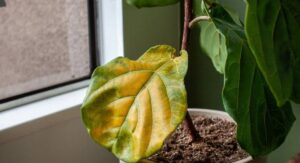
Indoor plants are generally much less vulnerable to problems than outdoor plants, but issues do arise. Here’s how to identify, prevent, and treat the most common ones.
Root Rot
Cause: Overwatering or poor drainage. Symptoms: yellowing leaves, wilting despite moist soil, mushy stems near the soil line, and a foul smell from the pot. Prevention: Use well-draining soil and pots with drainage holes; always let soil partially dry between waterings. Treatment: Remove the plant from its pot, cut away mushy roots, dust cut areas with cinnamon (a natural antifungal), repot in fresh, dry soil, and hold off on watering for a week.
Powdery Mildew
Cause: Fungal infection encouraged by poor airflow and inconsistent humidity. Symptoms: White, powdery patches on leaf surfaces. Prevention: Space plants so air can circulate and avoid wetting foliage when watering. Treatment: Remove affected leaves, improve airflow, and apply diluted neem oil to remaining foliage.
Leaf Spot
Cause: Fungal or bacterial pathogens, often introduced through contaminated soil or tools. Symptoms: Brown or black spots on leaves, sometimes with yellow halos. Prevention: Use clean potting mix, sanitize tools, and avoid overhead watering. Treatment: Remove affected leaves, treat with a copper-based fungicide if widespread.
Spider Mites
Cause: Hot, dry indoor conditions. Symptoms: Fine webbing between leaves, tiny moving dots on the undersides of leaves, stippled or dull-looking foliage. Prevention: Maintain humidity and periodically mist or shower foliage. Treatment: Wash plants with lukewarm water, then apply insecticidal soap or diluted neem oil weekly until resolved.
Fungus Gnats
Cause: Soggy soil that stays wet too long after watering. Symptoms: Tiny flies hovering around soil and plants. Prevention: Let the top inch of soil dry out between waterings. Treatment: Use yellow sticky traps to catch adults; water with a diluted Bacillus thuringiensis israelensis (Bti) solution to kill larvae.
Scale Insects
Cause: Brought in on contaminated nursery plants. Symptoms: Brown, waxy bumps on stems; sticky residue on leaves (honeydew). Prevention: Inspect all new indoor plants carefully before bringing them into your collection. Treatment: Scrape off scale with a soft toothbrush, then apply rubbing alcohol directly to affected areas and follow with neem oil.
Mealybugs
Cause: Spread from plant to plant or introduced on new plants. Symptoms: White, cottony clusters in leaf joints and at the base of stems. Prevention: Quarantine all new indoor plants for two weeks before placing near others. Treatment: Dab with rubbing alcohol on a cotton swab, then spray the entire plant with diluted neem oil weekly.
Common Mistakes to Avoid
Even experienced plant parents make these errors. Recognizing them early saves a lot of frustration.
- Overwatering — By far the most common mistake with indoor plants. When in doubt, wait another day or two before watering.
- Placing plants in spots that look good, not spots with good light—A beautiful dark corner with no natural light is the worst place for most of these plants, regardless of how nice it looks.
- Buying plants without researching their mature size — A monstera that looks sweet in a four-inch pot will need serious space within a year.
- Using garden soil in containers — Garden soil compacts in pots and suffocates roots. Always use quality indoor potting mix.
- Ignoring drainage — Decorative pots without holes look great but kill plants. Use a nursery pot inside the decorative one, or drill drainage holes.
- Fertilizing in winter — Indoor plants in low winter light don’t have the energy to use extra nutrients, and over-fertilizing in this period causes salt buildup that damages roots.
- Clustering plants of different care needs together—A succulent that needs to dry out completely between waterings doesn’t belong next to a fern that needs constant moisture.
- Not quarantining new plants — Pests spread fast in a plant collection. New arrivals should sit apart from your other plants for at least two weeks.
Expert Tips
Start with one plant before buying many. Learn what works in your space — your light, your watering habits, your temperature — with one indoor plant before expanding. What thrives for someone in Phoenix may struggle for someone in Seattle.
Seasonal adjustment matters. Indoor plants slow down in winter when light levels drop. Reduce watering frequency and stop fertilizing entirely from October through February. Resume your full care routine when days start to noticeably lengthen in late February or March.
Shower your plants periodically. Taking tropical plants like these to the shower every few weeks and giving them a gentle rinse does three useful things at once: cleans the leaves, raises humidity, and knocks off pests before they establish. This single habit can prevent most common pest problems.
Use your nose. Healthy potting soil in an indoor plant has a clean, earthy smell. If you notice a sour, rotten, or swampy odor from a pot, root rot is almost certainly developing—act before symptoms appear above soil level.
Match pot size to plant size. Going too large with a pot is just as problematic as going too small. A large pot holds more soil, which holds more water, which rots roots in plants that aren’t big enough to use the moisture quickly. Move up one pot size at a time.
Read the label—then double-check it. Nursery tags often give sun requirements based on outdoor growing. For indoor plants, assume the plant needs significantly more light than the tag might suggest.
Comparison Table: Best Indoor Plants at a Glance
| Plant | Light Needed | Watering | Humidity | Best For | Pet Safe? |
| Pothos | Low to bright indirect | Every 1–2 weeks | Any | Beginners, shelves | No |
| Snake Plant | Low to bright indirect | Every 2–6 weeks | Low to medium | Low-maintenance lovers | No |
| ZZ Plant | Low to bright indirect | Every 2–3 weeks | Low | Dark rooms, offices | No |
| Peace Lily | Low to medium indirect | Weekly | Medium to high | Low-light bloomers | No |
| Spider Plant | Medium indirect | Weekly | Medium | Pet-friendly homes | Yes |
| Monstera | Bright indirect | Every 1–2 weeks | Medium to high | Statement plants | No |
| Aloe Vera | Bright direct | Every 3 weeks | Low | Sunny kitchens, first aid | No |
| African Violet | Bright indirect | Every 5–7 days | Medium | Year-round color | Yes |
| Orchid | Bright indirect | Weekly | Medium to high | Elegant blooms | Yes |
| Haworthia | Low to bright indirect | Every 2–3 weeks | Low | Desks, tiny spaces | Yes |
FAQ’s
Q1: What are the easiest indoor plants to keep alive?
Pothos, snake plants, ZZ plants, and spider plants thrive with minimal care, low light, and occasional watering, making them beginner-friendly.
Q2: How often should I water indoor plants?
Water indoor plants when the top soil dries. Frequency depends on species, light, temperature, humidity, pot size, and season.
Q3: Can indoor plants grow without sunlight?
Indoor plants need light to survive. Low-light species grow well under natural shade or full-spectrum LED grow lights indoors successfully.
Q4: Are indoor plants safe for cats and dogs?
Some indoor plants are toxic to pets. Choose spider plants, orchids, or Boston ferns for safer homes with cats and dogs.
Q5: Why are the leaves on my indoor plant turning yellow?
Yellow leaves usually indicate overwatering, underwatering, poor lighting, nutrient deficiencies, or natural aging. Check soil moisture before taking corrective action.
Q6: Do indoor plants actually clean the air?
Indoor plants slightly improve air quality, but ventilation and air purifiers remain far more effective for healthier indoor environments overall.
Q7: How do I know when to repot an indoor plant?
Repot when roots outgrow drainage holes, growth slows, or soil dries quickly. Spring is the ideal repotting season for plants.
Q8: What indoor plants are best for low-light apartments?
Snake plants, ZZ plants, pothos, Chinese evergreens, cast iron plants, and peace lilies thrive well in low-light indoor apartments.
Conclusion
Indoor plants are genuinely one of the most accessible and rewarding things you can bring into your home. They don’t require a yard, a greenhouse, or years of horticultural experience. They just need you to pay attention to their basic needs — the right light, the right amount of water, and a little care when something looks off.
Whether you start with a single pothos on your desk or dive straight into a full living room collection, the process of growing popular varieties teaches you to slow down, observe, and notice small changes. That’s a surprisingly good skill to develop.
The information in this guide — from choosing the right variety for your light conditions to diagnosing a pest problem before it spreads — gives you everything you need to start and succeed. Don’t overthink it. Pick one plant, learn what it needs, and build from there. Your home will look better and feel better, and you might be surprised by how much you enjoy the process.