The first time I attempted serious windmill palm planting in my garden, I was inspired by the idea of creating a tropical atmosphere in a temperate climate. However, I quickly learned that a successful establishment requires careful attention to detail. Poor drainage and root disturbance led to yellowing fronds and weak growth within a single season. Those early mistakes taught me valuable lessons about soil preparation, planting techniques, and long-term palm care, shaping the more knowledgeable and methodical grower I am today.
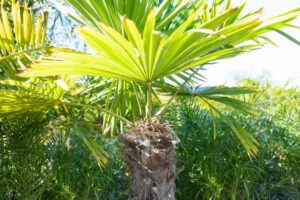
Successful windmill palm planting is a rewarding investment for gardeners seeking a tropical look in cooler climates. Trachycarpus fortunei is valued for its cold tolerance, attractive fibrous trunk, and distinctive fan-shaped leaves that provide year-round interest. Native to regions of China and Myanmar, it grows steadily into an impressive landscape specimen. Long-term success depends on proper site selection, soil preparation, planting depth, watering practices, and early disease and pest management, especially during the first two growing seasons when young palms are most vulnerable.
Execute every step of windmill palm planting with precision and transform your landscape into a stunning tropical paradise year-round today.
Windmill Palm Planting Complete Site Selection and Soil Preparation Guide:
Successful windmill palm planting starts with choosing the right site—full sun to partial shade (4–8 hours of light) with good drainage and protection from strong winter winds. Poor drainage can lead to root rot diseases like Phytophthora.
Soil preparation is also key. Test pH (ideal 6.0–7.5) and amend if needed, then improve soil with compost or pine bark to boost drainage and nutrients. Good preparation helps the palm establish strong roots and grow long-term health.
Windmill Palm Planting Timing Techniques and Transplant Success Secrets:
Windmill palm planting is most successful when done in mid-spring (April–June), when warm soil and longer days support strong root and frond growth. Autumn planting (September–October) can also work in warmer climates but needs extra winter protection while roots establish.
For planting, dig a hole as deep as the root ball and about twice as wide. Place the root flare at ground level or slightly above, since burying it can lead to trunk rot. Proper depth and spacing help the palm establish quickly and grow long-term.
Windmill Palm Planting Disease Symptoms and Treatment Reference Table:
| Problem / Disease | Primary Cause | Key Symptoms | Treatment |
| Phytophthora root rot | Phytophthora palmivora in waterlogged soil | Yellowing oldest fronds, wilting despite moist soil, mushy root tissue | Improve drainage immediately, phosphonate fungicide drench, remove rotted roots |
| Ganoderma butt rot | Ganoderma zonatum fungal pathogen in trunk base | Conk mushrooms at trunk base, internal wood decay, leaning trunk | No cure; remove and destroy entire infected tree to prevent spread |
| Fusarium wilt | Fusarium oxysporum vascular fungal infection | One-sided frond yellowing, necrotic stripe on petiole, crown death | No effective treatment; remove infected palm, sterilize all tools used |
| Yellow leaf fronds | Nutrient deficiency, overwatering, or root damage | Uniform yellowing of oldest outer fronds progressing inward | Apply palm-specific fertilizer, adjust irrigation, check root zone drainage |
| Pink rot disease | Nalanthamala vermoeseni fungal infection on stressed tissue | Pink or salmon-colored fungal growth on decaying frond bases | Remove affected tissue, improve airflow, apply broad-spectrum fungicide |
| Bacterial bud rot | Erwinia chrysanthemi attacking crown bud tissue | Foul-smelling soft rot of newest spear leaf, crown collapse | No reliable cure; copper bactericide application, prevent by avoiding crown wetting |
| Graphiola false smut | Graphiola phoenicis fungal microorganism on fronds | Black warty pustules on frond surfaces, yellowing affected tissue | Remove infected fronds, apply copper fungicide, improve air circulation |
| Scale insects | Diaspididae armored scale feeding on fronds | Yellow stippling, white crusty deposits on frond undersides | Horticultural oil spray, systemic insecticide drench at appropriate timing |
| Spider mites | Tetranychus urticae in hot dry summer conditions | Fine webbing, bronze stippled discoloration across frond surfaces | Forceful water rinse, raise humidity, miticide spray every 7 days |
| Manganese deficiency | Soil pH too high or waterlogged root zone conditions | Frizzle top — new fronds emerge stunted, necrotic, withered | Soil-applied manganese sulfate, correct pH, ensure excellent drainage |
Windmill Palm Planting Essential Practices for Vigorous Establishment Success:
- Apply a four-inch organic mulch ring after every windmill palm planting operation, keeping mulch two inches clear of the fibrous trunk to prevent moisture-driven bark decay.
- Water newly completed Windmill Palm Tree Planting specimens deeply once per week during the first two full growing seasons until independent root establishment is confirmed by vigorous new frond production.
- Never fertilize immediately after Windmill Palm Tree Planting — wait a full three months before applying any palm-specific slow-release granular fertilizer to avoid burning vulnerable newly establishing roots.
- Tie the fronds of each freshly installed Windmill Palm Tree Planting specimen loosely together above the crown for the first four weeks to reduce wind-rock stress on the settling root system.
- Inspect every Windmill Palm Tree Planting tree weekly during the first growing season for early signs of yellowing fronds, pest activity, or trunk base moisture that signal correctable problems before they escalate.
Windmill Palm Planting Critical Warning Signs You Must Never Overlook:
- Progressive yellowing of multiple outer fronds on any windmill palm planting specimen following installation almost always indicates root rot, nutrient deficiency, or drainage failure requiring immediate investigation.
- A foul, sweet-rotten odor rising from the crown area of a Windmill Palm Tree Planting tree after rainfall confirms bacterial bud rot infection that may be impossible to save without immediate intervention.
- Shelf-like fungal conk growths appearing at the trunk base of a Windmill Palm Tree Planting confirm deadly Ganoderma butt rot with no available treatment — tree removal becomes necessary immediately.
- Stunted, withered, frizzle-topped new frond emergence on a Windmill Palm Tree Planting specimen is the definitive visual symptom of manganese deficiency requiring prompt soil application of manganese sulfate.
- One-sided frond yellowing with a distinctive dark stripe running along the petiole of affected fronds on a windmill palm planting tree strongly suggests fatal Fusarium wilt vascular infection.
Windmill Palm Planting Complete Fungal Disease Identification and Treatment:
Fungal diseases represent the most serious and consistently encountered biological threats facing newly established windmill palm planting specimens during the critical first two years of their life in a new planting position. The combination of transplant-related root system disruption, the adjustment period required for mycorrhizal communities to re-establish after installation disturbance, and the environmental fluctuations of the establishment phase creates a window of genuine vulnerability during which several highly destructive fungal pathogens can gain purchase in root tissue, vascular systems, or crown tissue that a fully established, vigorously growing mature palm would resist with far greater effectiveness.
1. Phytophthora Root Rot:
Caused by waterlogged soil, it damages roots and leads to yellowing fronds and wilting. Improve drainage, reduce watering, and apply suitable fungicide.
2. Ganoderma Butt Rot:
A deadly trunk disease that causes internal decay. Symptoms appear late, and infected palms must be fully removed.
3. Pink Rot Disease:
Affects stressed palms, causing pink fungal growth on decaying tissue. Remove infected parts, use fungicide, and fix underlying plant stress.
Windmill Palm Planting Bacterial Diseases Viral Issues and Nutrient Management:
Beyond the extensive fungal disease challenges they may encounter during establishment and throughout their lifespan, windmill palm planting specimens are also susceptible to a range of bacterial diseases that can significantly impact growth, appearance, and long-term survival. Among the most serious is bacterial bud rot, a destructive condition that targets the palm’s central growing point, often referred to as the apical meristem. Because windmill palms produce all new growth from this single point, severe infection can halt development entirely and, in advanced cases, lead to the death of the tree within a relatively short period. Early symptoms typically include discoloration, softening tissue, unpleasant odors, and the collapse of newly emerging fronds, making prompt identification essential for successful intervention.
Environmental conditions play a major role in disease development. Excessive moisture, poor drainage, prolonged rainfall, and inadequate air circulation create ideal circumstances for bacterial pathogens to multiply and spread. Newly planted palms are particularly vulnerable because transplant stress can temporarily weaken their natural defense mechanisms, allowing opportunistic microorganisms to establish infections more easily. Maintaining proper planting depth, avoiding water accumulation around the crown, and ensuring sufficient spacing between plants are important preventive measures that reduce disease pressure and support healthy establishment.
In addition to bacterial infections, windmill palms may occasionally display symptoms that resemble viral disorders, including leaf streaking, mottled coloration, distorted growth, or reduced vigor. However, true documented viral diseases affecting Trachycarpus fortunei are relatively uncommon and far less studied than those observed in many tropical palm species. In many cases, symptoms that appear viral are actually linked to nutrient deficiencies, environmental stress, root damage, herbicide exposure, or secondary infections rather than confirmed viral pathogens. This makes accurate diagnosis especially important, as improper treatment can waste valuable time while the underlying problem continues to worsen.
Successful disease management begins with prevention. Gardeners should regularly inspect palms for unusual discoloration, wilting, tissue softening, or crown abnormalities and address problems before they become severe. Providing well-drained soil, practicing careful watering habits, removing infected plant material, sanitizing pruning tools, and minimizing mechanical injuries can greatly reduce the likelihood of disease outbreaks. When combined with proper cultural practices and routine monitoring, these preventive strategies help windmill palms remain resilient, vigorous, and visually attractive for many years, allowing them to serve as reliable landscape specimens even in regions with challenging environmental conditions.
1. Bacterial Bud Rot:
A deadly infection of the palm’s central growing bud caused by bacteria entering through wounds or moisture. It leads to a foul-smelling, collapsing crown. Prevention includes keeping the crown dry and using copper bactericide early.
2. Manganese Deficiency (Frizzle Top):
Causes deformed, weak new fronds while older leaves stay green. Fix with manganese sulfate, improve soil pH, and ensure good drainage.
3. Potassium Deficiency:
Shows yellow-orange spotting and browning on older fronds. Treat with palm fertilizer high in potassium and follow regular feeding schedules.
Windmill Palm Planting Watering Fertilizing and Pest Control Through Seasons:
Sustaining the long-term health and year-round visual magnificence of established windmill palm planting specimens requires a comprehensive, season-responsive maintenance program that adapts watering depth and frequency, fertilization timing and formulation, and pest monitoring intensity to the tree’s changing physiological demands across the full annual cycle of growth, development, and winter dormancy. Windmill palms are genuinely more cold-tolerant and drought-adaptable than most palm species, but they still benefit enormously from attentive, informed care that anticipates their seasonal needs and addresses emerging problems before small, correctable issues escalate into serious threats to the tree’s structure, health, or long-term survival in the landscape position where it will ideally remain for generations to come.
1. Spring Establishment Watering:
Water newly planted windmill palms deeply once a week during spring if rainfall is insufficient. Use drip or soaker hoses at the drip line and avoid overwatering to prevent root rot. Reduce watering as new growth appears.
2. Summer Fertilization:
Apply palm-specific slow-release fertilizer (like 8-2-12 or 8-4-16) in late spring and midsummer. Spread it evenly around the root zone, not against the trunk, to avoid root burn.
3. Winter Protection:
Protect young palms from cold by wrapping the crown, mulching the root zone, and watering well before freezing. This helps prevent frost damage and winter drying.
Windmill Palm Planting Propagation Long-Term Pruning and Root Health Maintenance:
The long-term care framework surrounding established windmill palm planting specimens encompasses proper propagation from seed for growers interested in expanding their collection, correct pruning technique that protects the health of the trunk and crown without creating the disease entry points that poor cutting practices inevitably produce, and the systematic annual root zone management that maintains the soil biology, drainage function, and nutritional status of the underground environment where the tree’s long-term health foundation is built and maintained across the decades of its productive landscape life.
1. Seed Propagation:
Clean ripe seeds, sow in a well-draining mix, and keep warm (75–85°F) with steady moisture. Germination takes 2–4 months, and seedlings need years before planting outdoors.
2. Pruning:
Only remove fully dead (yellow/brown) fronds. Never cut green leaves, use sterilized tools, and avoid damaging the trunk.
3. Root Zone Care:
Refresh mulch each autumn, keep a 4-inch layer, and check for compaction or disease around the trunk base to maintain long-term palm health.
Conclusion
Truly successful windmill palm planting demands a comprehensive, knowledge-driven commitment that encompasses precise site selection, correct soil preparation, disciplined planting technique, proactive fungal and bacterial disease management, nutritional deficiency diagnosis, systematic pest control, and season-responsive ongoing maintenance that evolves with the tree’s changing needs across its magnificent long productive life. Every grower who applies the expert strategies detailed throughout this guide will cultivate breathtaking windmill palm specimens that permanently transform their landscape with tropical grandeur.
FAQ’s
Q1. What is the best soil type and pH range for windmill palm planting success?
Successful windmill palm planting requires well-draining soil with pH between 6.0 and 7.5; heavy clay soils must be amended with pine bark compost before any installation begins.
Q2. When is the ideal season for windmill palm planting in temperate climates?
The optimal window for windmill palm planting is mid-April through early June when soil temperatures exceed 60°F and full growing season root establishment time remains available.
Q3. What causes yellow fronds after windmill palm planting and how are they treated?
Yellow fronds after windmill palm planting typically indicate root rot from poor drainage, potassium or manganese deficiency, or transplant shock requiring adjusted watering and palm fertilizer application.
Q4. How deep should the planting hole be for windmill palm planting installation?
For correct windmill palm planting, dig the hole exactly as deep as the root ball with the root flare positioned at or just barely above the finished soil grade.
Q5. What are the most dangerous fungal diseases threatening windmill palm planting trees?
The most destructive fungal threats to windmill palm planting are Phytophthora root rot, Ganoderma butt rot, Fusarium wilt, and pink rot disease affecting stress-weakened crown tissue.
Q6. How do I prevent bacterial bud rot from destroying my windmill palm planting tree?
Prevent bacterial bud rot in windmill palm planting by avoiding crown wetting during irrigation, applying copper bactericide preventively, and keeping the central spear leaf consistently dry after rainfall.
Q7. How much water does a newly completed windmill palm planting specimen need weekly?
New windmill palm planting trees require one deep, slow watering per week during the first two growing seasons when rainfall fails to provide one inch of natural precipitation.
Q8. Can windmill palm planting succeed in areas that experience regular winter frosts?
Windmill palm planting succeeds in frost-prone areas down to zone 7 where temperatures reach 5°F; frost cloth crown protection and deep mulching ensure winter survival reliably.
Q9. When should I first fertilize my windmill palm planting specimen after installation?
Wait a full three months after windmill palm planting before applying any fertilizer, then use a palm-specific slow-release granular formula broadcast across the complete root zone area.
Summary
Achieving the breathtaking landscape results that inspired your original investment in windmill palm planting depends entirely on the quality and completeness of knowledge, preparation, and ongoing attentive care that you bring to every stage of the tree’s life from initial site selection and soil preparation through installation, establishment watering, disease monitoring, nutritional management, pest control, seasonal protection, and long-term pruning and root zone maintenance that sustains its health for decades to come.
Every strategy, diagnostic framework, treatment protocol, and seasonal care adjustment detailed throughout this comprehensive guide represents the most complete and actionable resource available for any grower undertaking Windmill Palm Tree Planting for the first time or seeking to improve outcomes with existing specimens showing signs of disease, nutritional stress, or establishment difficulty.