When I first started growing houseplants, I assumed any bag of soil would work for every plant. Within a few weeks, my peace lily developed yellow leaves, and my snake plant showed signs of root rot. After researching and testing different soil blends, I discovered the importance of choosing the right potting mix for indoor plants. Switching to a light, well-draining mix transformed my indoor garden. My plants grew faster, produced healthier leaves, and required less frequent troubleshooting. Since then, I have experimented with mixes for tropical plants, succulents, and flowering houseplants, learning that the right potting mix is one of the biggest factors in long-term plant health.
Choosing the best potting mix for indoor plants is one of the easiest ways to help your houseplants thrive. Unlike outdoor garden soil, indoor potting mixes are specially designed to provide excellent drainage, proper airflow, and balanced moisture retention. Whether you grow pothos, monstera, snake plants, or peace lilies, using the correct mix helps prevent root rot, supports healthy growth, and encourages stronger root systems. This guide explains everything you need to know about selecting, using, and maintaining the ideal potting mix for indoor plants, making it easier to keep your indoor garden green and beautiful all year.
Discover the best potting mix for indoor plants with expert tips, a care guide, a comparison table, and proven growing advice for healthier plants.
A potting mix for indoor plants is a specially formulated growing medium that supports healthy roots by balancing drainage, moisture retention, and airflow. Unlike garden soil, it is lightweight, sterile, and designed for containers. Choosing the right mix helps prevent root rot, improves nutrient uptake, and keeps indoor plants healthy for years.
Table of Contents
- What Is Potting Mix for Indoor Plants?
- Why Choose Potting Mix for Indoor Plants?
- Best Types Compared
- Pros and Cons
- Complete Care Guide
What Is Potting Mix for Indoor Plants?
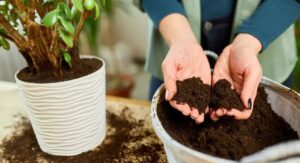
A potting mix for indoor plants is a specially prepared growing medium designed for container gardening. Although many people call it “potting soil,” most high-quality mixes contain little or no actual soil. Instead, they combine lightweight ingredients that improve drainage, hold moisture, and allow roots to breathe.
Indoor plants grow in confined containers, making root health extremely important. Heavy garden soil becomes compacted inside pots, reducing oxygen around the roots and increasing the risk of fungal diseases. A quality potting mix for indoor plants avoids these problems by maintaining the perfect balance of water and air.
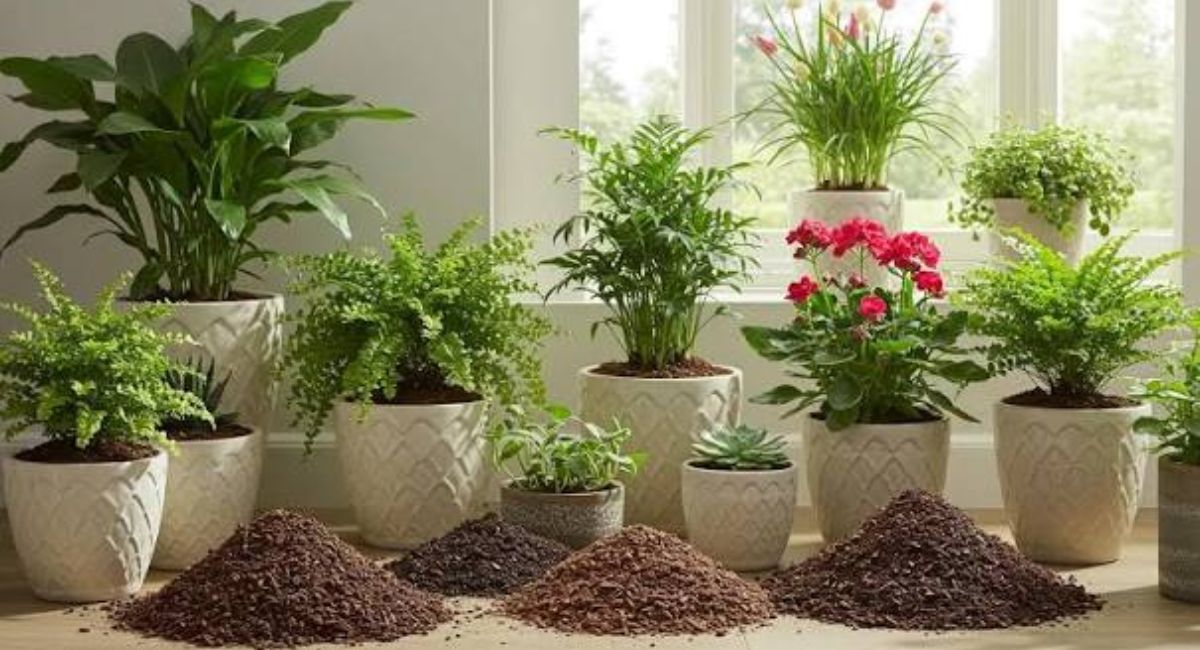
Common ingredients include:
- Peat moss – Retains moisture while remaining lightweight.
- Coconut coir – A sustainable alternative that improves water retention.
- Perlite – White volcanic particles that improve drainage and airflow.
- Vermiculite – Holds moisture and nutrients.
- Compost – Supplies natural nutrients.
- Pine bark fines – Increase aeration and improve root development.
- Worm castings – Add beneficial microorganisms and nutrients.
Every ingredient serves a purpose. Together, they create a healthy environment where roots can expand easily.
Different indoor plants require different mixes. Tropical plants prefer a moisture-retentive blend, while succulents and cacti need a fast-draining potting mix for indoor plants that dries quickly between waterings.
A premium potting mix also stays loose over time, helping prevent compaction and encouraging strong root growth.
Why Choose Potting Mix for Indoor Plants?
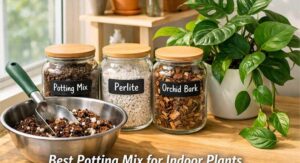
Using the correct potting mix for indoor plants offers several important benefits that directly affect plant health.
Better Drainage
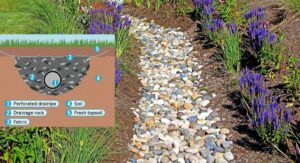
Excess water is one of the biggest causes of indoor plant failure. A well-designed potting mix for indoor plants drains quickly while keeping enough moisture available for healthy roots.
Healthy Root Growth
Roots require oxygen as much as they need water. Ingredients like perlite and bark create tiny air pockets that encourage stronger, healthier root systems.
Prevents Root Rot
Heavy soil traps water around the roots, encouraging fungal diseases. A quality potting mix for indoor plants greatly reduces this risk.
Holds Nutrients Efficiently
Good potting mixes absorb nutrients from fertilizers and slowly release them to plant roots, reducing nutrient loss during watering.
Lightweight Containers
Indoor pots become much easier to move when filled with lightweight potting mix rather than dense garden soil.
Cleaner Indoor Gardening
Most commercial potting mix for indoor plants products are sterilized before packaging. This reduces weeds, insects, and harmful pathogens that commonly occur in outdoor soil.
Supports Different Plant Types
Whether growing:
- Snake plants
- Pothos
- Monstera
- Spider plants
- ZZ plants
- Peace lilies
- Rubber plants
- Philodendrons
There is a potting mix for indoor plants suitable for each species.
Best Types Compared
Not every indoor plant thrives in the same growing medium. The table below compares popular types of potting mix for indoor plants to help you choose the best option.
| Potting Mix Type | Difficulty | Water Needs | Light Needs | Growth Rate | Best For |
| All-Purpose Indoor Mix | Easy | Moderate | Medium | Medium | Most common houseplants |
| Tropical Plant Mix | Easy | Moderate to High | Bright Indirect | Fast | Monstera, Philodendron, Pothos |
| Succulent & Cactus Mix | Easy | Low | Bright Light | Medium | Cacti and succulents |
| Orchid Bark Mix | Moderate | Moderate | Bright Indirect | Medium | Orchids |
| African Violet Mix | Easy | Moderate | Bright Indirect | Medium | African violets |
| DIY Potting Mix | Moderate | Adjustable | Varies | Fast | Experienced gardeners |
All-Purpose Indoor Mix
This is the most versatile potting mix for indoor plants. It works well for beginners and supports a wide variety of foliage plants.
Tropical Mix
Tropical plants love consistent moisture with excellent airflow. These mixes often include bark, coconut coir, and perlite.
Succulent Mix
Succulents require rapid drainage. Extra sand, pumice, or coarse perlite prevents water from sitting around the roots.
Orchid Mix
Unlike traditional mixes, orchid blends contain larger bark pieces that allow maximum airflow around delicate roots.
DIY Mix
Many experienced gardeners create their own potting mix for indoor plants by combining peat moss or coconut coir with perlite, bark, and compost to meet the needs of specific plants.
Pros and Cons
Every potting mix for indoor plants has advantages and limitations.
Pros
- Excellent drainage
- Lightweight and easy to handle
- Improves root health
- Prevents soil compaction
- Reduces risk of pests and diseases
- Suitable for containers
- Available for many plant types
- Supports faster growth
- Encourages healthy moisture balance
- Easy for beginners to use
Cons
- Needs replacement every 1–2 years
- High-quality mixes cost more
- Some mixes dry out quickly
- Fertilizer must be added over time
- Low-quality products may contain excessive peat or filler materials
Choosing a reputable brand and refreshing the mix during repotting helps overcome most of these drawbacks.
Complete Care Guide
Using the best potting mix for indoor plants is only part of successful indoor gardening. Proper care ensures the mix continues to support healthy growth.
Water Correctly
Always check the top 1–2 inches of the mix before watering. If it feels dry, water thoroughly until excess drains from the bottom of the pot. Avoid letting plants sit in standing water, as this can lead to root rot.
Repot When Needed
Over time, even the best potting mix for indoor plants breaks down and becomes compacted. Repot most houseplants every 1–2 years, or sooner if roots are circling the container or growing through the drainage holes.
Fertilize Regularly
Potting mixes provide structure but only limited nutrients. Feed your indoor plants with a balanced liquid fertilizer during the active growing season, usually spring and summer, following the product’s directions.
Ensure Good Drainage
Always use containers with drainage holes. Pairing a quality potting mix for indoor plants with proper drainage helps maintain healthy roots and prevents excess moisture from accumulating.
Match the Mix to the Plant
Different plants have different needs. Moisture-loving tropical plants benefit from mixes with coconut coir and bark, while cacti and succulents perform best in fast-draining blends with extra perlite or coarse sand.
Monitor Moisture Levels
Indoor conditions change with the seasons. During winter, plants typically require less water because growth slows. Adjust your watering schedule based on the plant’s needs rather than following a fixed routine.
Store Potting Mix Properly
Keep unused potting mix for indoor plants in a sealed container or tightly closed bag in a cool, dry place. Proper storage helps prevent mold, pests, and moisture buildup, ensuring the mix remains fresh for future use.
Common Problems & Solutions
Even with the best potting mix for indoor plants, problems can occur if watering, lighting, or maintenance is not balanced. The good news is that most issues are easy to fix once you identify the cause.
1. Root Rot
Symptoms:
- Yellow leaves
- Soft, black roots
- Bad smell from the pot
- Wilting despite moist soil
Cause:
Overwatering or poor drainage.
Solution:
- Remove the plant from the pot.
- Cut away damaged roots with clean scissors.
- Repot using fresh potting mix for indoor plants with extra perlite.
- Water only when the top layer feels dry.
2. Soil Dries Too Quickly
Symptoms:
- Wilted leaves
- Dry soil within a day or two
- Slow growth
Cause:
The mix contains too much perlite or bark, or the indoor air is very dry.
Solution:
- Add coconut coir or peat moss to improve moisture retention.
- Water deeply instead of lightly.
- Move the plant away from heating vents.
3. Fungus Gnats
Symptoms:
- Tiny flying insects around the pot
- Larvae in the soil
Cause:
Constantly wet potting mix for indoor plants.
Solution:
- Let the top 2 inches of the mix dry before watering.
- Remove dead leaves from the soil surface.
- Use yellow sticky traps to catch adult gnats.
4. Compacted Potting Mix
Symptoms:
- Water pools on top of the soil
- Poor drainage
- Slow plant growth
Cause:
Old potting mix has broken down over time.
Solution:
Repot the plant with fresh potting mix for indoor plants every one to two years.
5. Nutrient Deficiency
Symptoms:
- Pale leaves
- Weak stems
- Small new leaves
Cause:
Potting mixes lose nutrients over time.
Solution:
Feed plants with a balanced houseplant fertilizer during spring and summer.
6. Mold on the Soil Surface
Symptoms:
- White fuzzy growth
- Damp smell
Cause:
Poor airflow and excess moisture.
Solution:
- Remove the top inch of potting mix.
- Improve air circulation.
- Reduce watering frequency.
- Replace with fresh potting mix for indoor plants if mold returns.
Best Companion Plants
Many houseplants enjoy similar growing conditions and can share the same type of potting mix for indoor plants. Grouping compatible plants also creates a beautiful indoor display and makes care easier.
Pothos
Pothos is one of the easiest indoor plants to grow. It thrives in well-draining potting mix and adapts to different light levels.
Monstera
Monstera plants develop large, attractive leaves when planted in an airy potting mix for indoor plants containing bark and perlite.
Philodendron
Philodendrons appreciate evenly moist but well-drained growing media and pair well with other tropical houseplants.
Peace Lily
Peace lilies prefer a moisture-retaining mix that never becomes waterlogged.
Spider Plant
Spider plants grow quickly in standard indoor potting mix and are excellent for beginners.
ZZ Plant
ZZ plants tolerate drought well and grow best in a fast-draining potting mix for indoor plants.
Snake Plant
Snake plants require a loose, airy mix that dries quickly between waterings to prevent root rot.
Chinese Evergreen
This low-maintenance favorite grows well in an all-purpose indoor mix and tolerates medium to low light.
Best Products & Tools
Using quality gardening supplies helps your potting mix for indoor plants perform at its best.
Premium Indoor Potting Mix
Choose a high-quality mix containing:
- Coconut coir
- Perlite
- Pine bark
- Compost
- Slow-release nutrients
These ingredients provide excellent drainage and healthy root development.
Perlite
Perlite improves airflow and drainage, making it an excellent addition for tropical plants and succulents.
Coconut Coir
Coconut coir holds moisture without becoming heavy, making it a sustainable alternative to peat moss.
Indoor Plant Fertilizer
A balanced liquid fertilizer supports healthy leaf growth and replaces nutrients that are gradually used up.
Moisture Meter
A moisture meter removes the guesswork from watering by showing when the potting mix for indoor plants is dry enough for the next watering.
Pruning Shears
Sharp, clean pruning shears help remove damaged leaves and roots during repotting.
Pots with Drainage Holes
Good drainage is just as important as choosing the right potting mix. Always use containers that allow excess water to escape.
Decorative Cachepots
Place nursery pots inside decorative containers to improve the appearance of your indoor garden while maintaining proper drainage.
Expert Growing Tips
Healthy houseplants depend on more than just buying the right potting mix for indoor plants. These expert tips can help your plants grow stronger and stay healthy throughout the year.
Refresh the mix regularly.
Replace old potting mix every one to two years. Fresh growing media improves drainage, aeration, and nutrient availability.
Never Use Garden Soil
Garden soil becomes compacted inside containers and may introduce weeds, insects, and diseases. Always choose a quality potting mix for indoor plants instead.
Water Deeply
When watering, soak the entire root ball until water flows from the drainage holes. Empty any excess water from the saucer.
Increase Humidity
Many tropical plants enjoy humidity levels above 50%. A humidifier or pebble tray can improve growing conditions.
Rotate Plants
Turn pots every week or two so all sides receive equal light. This encourages balanced, even growth.
Check Roots During Repotting
Healthy roots are white or light tan. Remove any dark, mushy, or damaged roots before placing the plant into fresh potting mix for indoor plants.
Adjust Care by Season
Plants usually need more water and fertilizer during spring and summer. Reduce watering in fall and winter when growth naturally slows.
Keep Leaves Clean
Dust blocks sunlight and reduces photosynthesis. Wipe leaves with a damp cloth every few weeks to keep them healthy and attractive.
FAQ’s
1. What is the best potting mix for indoor plants?
A well-balanced mix containing coconut coir or peat moss, perlite, bark, and compost provides excellent drainage, moisture retention, and airflow for most indoor plants.
2. Can I use garden soil for indoor plants?
No. Garden soil is too heavy for containers and can introduce pests, weeds, and diseases. A potting mix for indoor plants is a much better choice.
3. How often should I replace potting mix?
Replace the potting mix every one to two years or whenever it becomes compacted, drains poorly, or no longer supports healthy growth.
4. Which indoor plants need fast-draining potting mix?
Snake plants, cacti, succulents, aloe vera, and ZZ plants grow best in fast-draining mixes with extra perlite or coarse sand.
5. Does potting mix contain fertilizer?
Some commercial mixes include slow-release fertilizer, but most nutrients are used within a few months. Regular feeding keeps plants healthy.
6. Why is my potting mix staying wet for too long?
Poor drainage, overwatering, low light, or an oversized pot can keep the mix wet. Improve airflow and use a lighter potting mix for indoor plants if needed.
7. Can I make my own potting mix?
Yes. A simple homemade mix combines coconut coir, perlite, pine bark, and compost. Adjust the ingredients based on your plant’s needs.
8. How do I know when it’s time to repot?
Repot when roots grow through drainage holes, water drains slowly, growth slows, or the plant becomes root-bound.
Conclusion
Choosing the right potting mix for indoor plants is one of the smartest investments you can make for a thriving indoor garden. A high-quality mix provides the ideal balance of drainage, moisture retention, and airflow, allowing roots to grow strong and healthy. Whether you care for tropical plants like monstera and pothos or drought-tolerant varieties such as snake plants and succulents, selecting a mix that matches their specific needs can significantly improve growth and reduce common problems like root rot and nutrient deficiencies.
Regular repotting, proper watering, and seasonal fertilizing will keep your plants looking their best year-round. By combining the right potting mix for indoor plants with consistent care and the expert tips shared in this guide, you can create a vibrant collection of healthy houseplants that adds beauty, cleaner air, and lasting enjoyment to your home