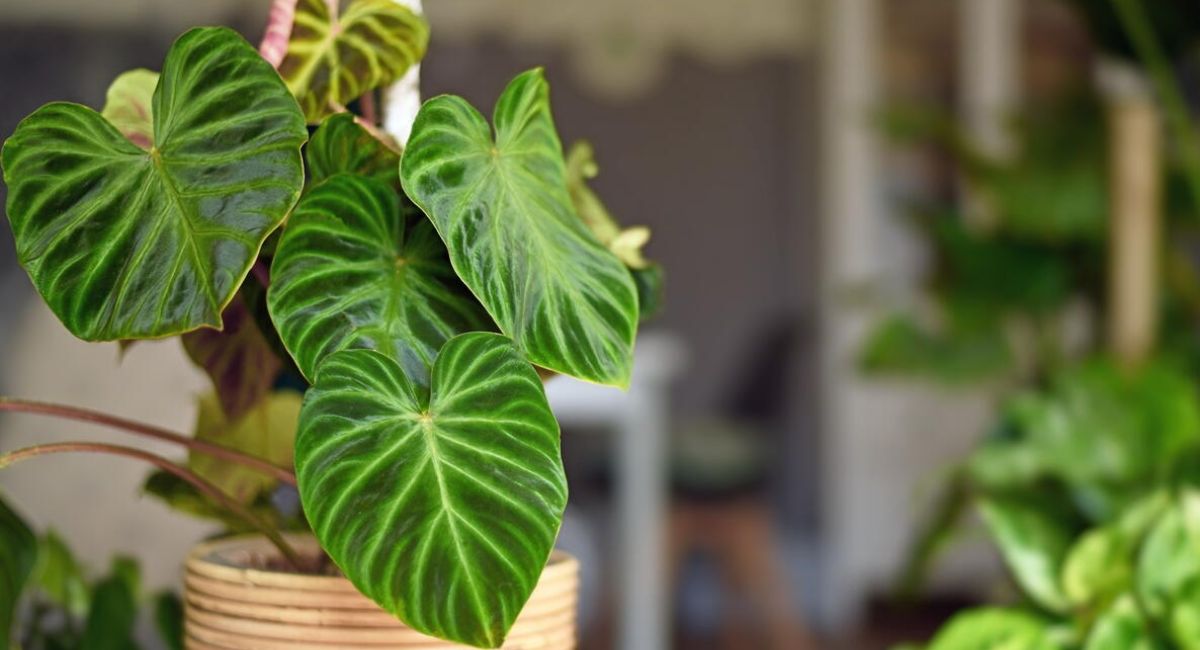
My first philodendron plant was a heartbreaker. I bought a beautiful Brazilian variety from a market stall, put it on a shelf in my north-facing office where the light was genuinely terrible, watered it every Sunday regardless of what the soil was doing, and then wondered why it looked progressively worse with every passing week.
The second philodendron plant I bought went into a bright corner near an east-facing window, and I switched to checking the soil before watering rather than following a fixed schedule. That plant is still alive four years later — long trailing vines, deep glossy leaves, occasional new growth that genuinely excites me when it unfurls. Same species, completely different result. What changed was understanding what a Philodendron Indoor Plant actually needs rather than applying the generic houseplant care rules that work reasonably well for some species and actively harm others.
Get the basics right for your philodendron plant and it becomes one of the most rewarding, low-maintenance houseplants to grow.
Philodendron Plant Origins Explain Every Care Requirement It Has:
Understanding where the philodendron plant comes from is genuinely the most efficient path to understanding what it needs. The genus is native to the tropical rainforests of Central and South America — primarily Brazil, Colombia, and the Caribbean — where plants grow in the warm, humid understory beneath a dense forest canopy. In this environment, the Philodendron Indoor Plant receives bright but filtered light, consistent warmth with minimal temperature fluctuation, high atmospheric humidity, and soil that is rich in organic matter but drains freely rather than holding water for extended periods.
The epiphytic species — those that climb trees and rock faces — experience even more extreme drainage because their aerial roots never sit in standing water at all. Every care challenge that indoor growers face with the Philodendron Indoor Plant traces back to conditions that diverge from these baseline parameters: too cold, too dark, too wet at the roots, or too dry in the air.
The philodendron plant also belongs to the Araceae family — the same family as monsteras, pothos, and peace lilies — and shares many of their care characteristics while having its own specific sensitivities. One important shared characteristic is the presence of calcium oxalate crystals in all plant tissue, which makes every part of the Philodendron Indoor Plant toxic if ingested by humans, cats, or dogs.
This isn’t a care issue that affects the plant’s health, but it’s worth knowing for anyone positioning plants in households with small children or pets that chew on foliage. Beyond this, the philodendron’s tropical origins mean it evolved without any cold tolerance — temperatures below 55°F cause cellular damage, and drafts from cold windows or air conditioning vents can cause the sudden leaf drop and browning that looks like disease but is actually cold stress producing visible tissue injury in a plant whose biology never developed a mechanism for dealing with temperature shock.
Philodendron Plant Care Quick-Reference Table for Every Situation:
Keep this table nearby when something looks wrong with your philodendron plant — most problems trace back to one of these core care factors and each has a clear corrective action you can take immediately.
| Care Factor | Ideal Condition | Warning Sign | What to Do |
| Light | Bright indirect, 4–6 hrs daily | Pale leaves, leggy stems | Move closer to east window |
| Watering | Top 2 inches dry before watering | Yellow leaves, soggy soil smell | Reduce frequency, check drainage |
| Humidity | 40–70% relative humidity | Brown crispy leaf tips | Humidifier or pebble tray nearby |
| Temperature | 65–85°F (18–29°C) | Sudden leaf drop, browning | Away from cold drafts and vents |
| Soil | Well-draining, aerated mix | Root rot, sour smell from pot | Repot with perlite added to mix |
| Pot type | Drainage holes essential | Root rot from standing water | Never use sealed decorative pots |
| Fertilizer | Balanced liquid monthly | Slow growth, pale new leaves | Half-strength balanced feed monthly |
| Repotting | Every 1–2 years in spring | Roots circling, slow growth | Move up one size, inspect roots |
| Pests | No webbing, deposits, or damage | Sticky residue, stippled leaves | Neem oil spray, isolate immediately |
| Pruning | Spring, for shape and growth | Leggy vines, sparse foliage | Cut to node, sterilize scissors |
Philodendron Plant Light Requirements for Vigorous Healthy Growth:
Light management makes more difference to the long-term health and appearance of a philodendron plant than almost any other care variable. Get it right and the plant grows fast, produces large deep-green leaves, and resists the diseases and pest pressures that exploit low-vigor, under-lit specimens. Get it wrong and you get exactly what I experienced with my first plant — slow decline, yellowing foliage, and root problems compounded by reduced water uptake in a plant that isn’t photosynthesizing efficiently enough to drive healthy metabolic function throughout the growing season.
1. Best light position:
An east or north-facing window with genuinely bright indirect light is the sweet spot for most philodendron plant varieties. The goal is several hours of brightness without any direct beam that would bleach or scorch the large, thin leaf tissue. Under adequate light, the philodendron produces compact, deeply colored leaves and grows steadily from spring through autumn. Under inadequate light, new leaves emerge progressively smaller and paler, older leaves yellow from the base upward, and the plant develops a low-vigor state that makes it disproportionately vulnerable to bacterial infections and fungal root diseases.
2. Direct sun damage:
Harsh direct afternoon sun scorches Philodendron Indoor Plant leaves within days — bleached papery patches spread across leaf surfaces and no care adjustment restores destroyed tissue. Worse, sun-damaged leaves develop micro-cracks in the cuticle layer that fungal spores and bacterial pathogens exploit as entry points. Xanthomonas-type bacteria in particular colonize these heat-stress wounds rapidly in the humid conditions a healthy Philodendron Indoor Plant prefers, spreading bacterial leaf spot infections from initial sun-damage sites to adjacent healthy tissue across the entire plant canopy within weeks of the initial damage event.
3. Low light effects:
A philodendron plant in genuinely low light survives but deteriorates slowly. Vines extend with long gaps between leaves — etiolation — as the plant stretches toward any brightness available. Leaves get smaller and paler with each new growth cycle. Root water uptake slows as metabolism drops, leaving soil wet for extended periods that create the anaerobic conditions where Pythium and Phytophthora root rot pathogens thrive. It’s a cascade: inadequate light leads to slow metabolism, which leads to overwatered roots, which leads to root rot — all from a placement decision that looked fine at the time.
Philodendron Plant Watering — the Skill That Prevents Most Problems:
Overwatering kills more philodendron plant specimens than every other cause combined, and it almost always comes from good intentions — people water on a schedule, or they water because the surface of the soil looks dry, or they water because they haven’t done it in a while and feel guilty about it. None of these are the right trigger. The right trigger is checking the actual moisture level in the root zone before making any watering decision, which takes ten seconds and prevents the vast majority of problems that bring philodendron growers to plant care forums in frustration.
1. Root rot prevention:
When a philodendron plant stays overwatered, oxygen leaves the root zone and the pathogenic water molds Pythium aphanidermatum and Phytophthora parasitica proliferate in the saturated, airless soil. Root tissue turns brown and mushy, the ability to transport water and nutrients to leaves collapses, and the first visible symptoms — yellow lower leaves, wilting despite wet soil, a sour smell from the pot — typically appear only after significant root damage has already occurred. Catch it early by lifting the pot and examining roots; remove all brown mushy material with sterilized scissors, treat with cinnamon powder as a natural antifungal, and repot in fresh dry mix with improved drainage structure before the infection spreads further.
2. Correct watering frequency:
Water a Philodendron Indoor Plant when the top two inches of soil feel dry — probe with a finger to that depth rather than judging by surface appearance alone. In summer, active growth drives faster evapotranspiration and the soil cycle may turn every five to seven days. In winter, metabolism slows and the same pot may take ten to fourteen days to reach that same dryness level at two-inch depth. Following a fixed weekly schedule without soil-checking creates overwatering in winter and potentially underwatering in peak summer heat — neither of which serves the Philodendron Indoor Plant as well as the simple habit of checking before you water each time.
3. Water quality matters:
The Philodendron Indoor Plant is moderately sensitive to fluoride and chlorine in tap water — these compounds accumulate in leaf tissue over successive watering cycles and produce progressive brown tip damage that mimics humidity stress but responds only to improved water quality. Use room-temperature filtered water, collected rainwater, or tap water left in an open container overnight to allow chlorine to off-gas before applying. This simple habit also prevents the mineral salt buildup in soil that gradually shifts growing medium chemistry away from the slightly acidic conditions the Philodendron Indoor Plant prefers throughout its root zone for optimal nutrient uptake and beneficial microorganism activity.
Philodendron Plant Diseases Require Early Identification and Action:
The philodendron plant faces disease pressure from fungal, bacterial, and viral pathogens — and the warm, humid conditions it prefers are unfortunately also the conditions that most of these pathogens thrive in. Managing disease is partly about correct care and partly about knowing what each threat looks like early enough to intervene before it becomes severe or spreads to other plants in your collection.
- Bacterial leaf spot from Xanthomonas produces water-soaked brown lesions with yellow halos on philodendron plant foliage spreading rapidly.
- Erwinia bacterial soft rot causes collapsed mushy stem sections with a foul smell — remove immediately and sterilize all tools used nearby.
- Rhizoctonia crown rot produces dark brown lesions at the soil line that collapse the base of Philodendron Indoor Plant stems from below progressively.
- Mosaic virus causes mottled yellow-green leaf patterns and distorted growth — no treatment exists and infected Philodendron Indoor Plant should be discarded promptly.
- Botrytis cinerea gray mold colonizes damaged leaf tissue in cool humid conditions — improves airflow and removes infected Philodendron Indoor Plant tissue immediately on discovery.
Philodendron Plant Yellow Leaves Reading What the Plant Is Telling You:
Yellow leaves are the most common symptom philodendron plant owners report, and the frustrating thing is that they have around six different causes — each requiring a different response. Applying a general fertilizer to yellow leaves when the actual cause is root rot makes things worse. Increasing humidity when the cause is overwatering does nothing helpful. Reading the pattern of yellowing accurately is the skill that makes the rest of the troubleshooting straightforward and targeted rather than trial-and-error that delays proper treatment while the underlying problem progresses.
- Yellow lower leaves with wet soil and a sour smell from the pot indicates root rot requiring immediate unpotting and root inspection today.
- General pale yellowing across the entire Philodendron Indoor Plant almost always signals insufficient light — find a significantly brighter position urgently.
- Interveinal yellowing where veins stay green suggests iron or magnesium deficiency from soil pH drift away from the ideal slightly acidic range.
- Yellow leaves with fine webbing on the underside means spider mites — increase humidity sharply and treat with neem oil without delay.
- One or two older bottom leaves yellowing gradually on their own is completely normal aging — remove cleanly at the petiole and move on.
Philodendron Plant Humidity and Temperature for Optimal Foliage:
Humidity is the care factor most consistently underestimated with the philodendron plant — and the most consistently blamed on other causes when the chronic brown tips and slightly ragged leaf edges that low humidity produces start appearing in otherwise well-cared-for specimens. Most centrally heated or air-conditioned homes sit at thirty to forty-five percent relative humidity. The Philodendron Indoor Plant wants forty to seventy percent. That gap is real, it produces real symptoms, and no adjustment to watering, light, or fertilizer will resolve it because the cause is atmospheric moisture rather than any of those variables.
1. Humidifier benefits:
A small ultrasonic humidifier running within three feet of your Philodendron Indoor Plant is the most consistent humidity solution available — it raises ambient atmospheric moisture without wetting foliage directly, avoiding the Botrytis gray mold that develops readily on regularly misted tropical leaves in poorly ventilated indoor spaces. Unlike misting which provides minutes of benefit before droplets evaporate, a humidifier maintains the target humidity range continuously throughout the day and night, matching the consistent forest-floor humidity the Philodendron Indoor Plant evolved in across its native South American rainforest range.
2. Temperature limits:
The Philodendron Indoor Plant performs well between sixty-five and eighty-five degrees Fahrenheit. Below fifty-five degrees, cellular damage begins — leaf tissue discolors, new growth distorts, and the plant’s metabolic rate drops to the point where roots can barely process water, creating the waterlogged root zone conditions that favor pathogenic microorganisms even without any change in watering habits. Cold drafts from air conditioning vents in summer or cold glass in winter create localized temperature drops that cause the sudden yellowing, browning, and leaf drop that can look like disease but is actually cold shock requiring a repositioning solution rather than any disease treatment.
3. Seasonal adjustments:
Adjust care for your philodendron plant with the seasons rather than maintaining one fixed routine year-round. In spring and summer — longer days, warmer temperatures, faster growth — water more frequently, feed monthly with balanced liquid fertilizer, and keep humidity high to support the rapid leaf expansion that characterizes an actively growing specimen. In autumn and winter, reduce watering frequency significantly, suspend fertilization from November through February, and ensure the plant is never exposed to cold drafts or heating vent airflows that create the temperature and humidity extremes that leave the Philodendron Indoor Plant chronically stressed through its slower winter period.
Philodendron Plant Propagation Expanding Your Collection Easily:
The philodendron plant is one of the more satisfying and straightforward houseplants to propagate — stem cuttings root readily in water or soil, and a healthy parent plant can produce multiple cuttings in a single session without any meaningful stress to the parent. Having rooted backup cuttings reduces the anxiety around keeping the parent plant perfectly healthy and ensures you always have replacements ready if disease, pest damage, or an accident ends the main plant’s life unexpectedly during any growing season.
1. Stem cutting method:
Take a four-to-six-inch stem cutting from a healthy philodendron plant just below a node — the slightly swollen point on the stem where leaves and roots emerge. Remove the lowest leaf or two, leaving two to three leaves at the cutting tip. Either place in a glass of filtered room-temperature water changed every three days until roots reach an inch long, or dip in rooting hormone and insert directly into moist perlite. Roots develop within two to four weeks under warm, bright conditions. Pot rooted cuttings individually in the same well-draining mix as the parent Philodendron Indoor Plant and treated as established specimens from the point of potting.
2. Air layering technique:
Air layering works particularly well for larger, older Philodendron Indoor Plant specimens that have become leggy at the base — it allows you to root a section of the stem while it’s still attached to the parent plant, ensuring a well-rooted cutting that establishes faster than a cut stem would. Wound the stem at a node, pack moist sphagnum moss around the wound, wrap tightly in clear plastic film, and wait four to eight weeks for roots to visibly fill the moss ball. Cut below the rooted section, pot up immediately, and the original parent Philodendron Indoor Plant will typically resprout from the remaining base within a few weeks of the procedure.
3. Post-propagation care:
Newly propagated Philodendron Indoor Plant cuttings need a gentler transition to standard care conditions than established plants — maintain high humidity around the cutting for the first two weeks by covering loosely with a clear plastic bag, gradually opening it more each day to acclimate the young plant to normal indoor air moisture levels. Hold fertilizer until at least two new fully expanded leaves have appeared, then start at quarter-strength to avoid the root burn that full fertilizer concentration causes in the immature root systems of recently established young Philodendron Indoor Plant propagations still building absorptive capacity.
Conclusion
The philodendron plant rewards growers who take the time to understand its tropical origins and match their care to those requirements. Prevent root rot through disciplined watering, protect against fungal and bacterial diseases by maintaining good airflow and avoiding wet foliage, diagnose yellow leaves by pattern rather than guesswork, and keep humidity adequate for consistently pristine foliage. A well-maintained Philodendron Indoor Plant grows into one of the most lush, architecturally striking plants any indoor space can contain.
FAQ’s
Q1. Why are the leaves on my philodendron plant turning yellow?
Yellow leaves on a philodendron plant usually indicate overwatering, root rot, insufficient light, or a nutrient deficiency requiring immediate specific diagnosis and correction.
Q2. How often should I water my philodendron plant at home?
Water your philodendron plant when the top two inches of soil dry out — check by feel rather than following any fixed watering schedule throughout the year.
Q3. What light does a philodendron plant need to thrive?
The philodendron plant thrives in bright indirect light from an east or north window — direct harsh sun bleaches leaves and causes fungal disease entry wounds.
Q4. Can a philodendron plant recover from root rot if treated early?
Yes — a philodendron plant can fully recover from root rot if infected roots are removed promptly and it’s repotted into fresh well-draining mix immediately.
Q5. How much humidity does a philodendron plant actually need?
The philodendron plant wants forty to seventy percent relative humidity — significantly higher than the thirty to forty-five percent most centrally heated homes naturally provide.
Q6. What causes brown tips on philodendron plant leaves consistently?
Brown tips on a philodendron plant almost always indicate low humidity or fluoride accumulation from tap water — both respond to simple corrective environmental changes.
Q7. How do I propagate my philodendron plant from stem cuttings?
Take a node-including cutting from a healthy philodendron plant, place in water or moist perlite, and expect roots within two to four warm weeks.
Q8. What fungal diseases affect the philodendron plant most commonly?
Rhizoctonia crown rot and Botrytis gray mold are the most common fungal diseases attacking philodendron plant specimens in indoor growing environments regularly.
Q9. Is the philodendron plant toxic to cats and dogs at home?
Yes — all parts of the philodendron plant contain calcium oxalate crystals that cause oral irritation and gastrointestinal upset in cats, dogs, and humans if ingested.
Summary
The philodendron plant is one of the most rewarding houseplants you can grow once you understand what it genuinely needs rather than applying generic care rules that don’t account for its tropical forest origins. Bright indirect light drives strong, healthy growth and keeps the plant’s immune system robust enough to resist the fungal infections, bacterial diseases, and viral pathogens that exploit chronically stressed and under-lit specimens. Disciplined watering prevents the root rot that kills more Philodendron Indoor Plant specimens than any other cause.
Adequate humidity stops brown tips. Accurate yellow leaf diagnosis targets the actual problem rather than adding nutrients or adjusting watering in the wrong direction. Propagate freely to build your collection and keep backups. Treat your Philodendron Indoor Plant as the tropical rainforest native it actually is — give it warmth, indirect brightness, and consistent moisture without ever letting roots sit wet — and it will grow into the kind of lush, dramatic, deeply satisfying plant that earns its place in any room it occupies for years to come.