A few years ago I was staring at tomato plants with leaves going yellow between the veins — green veins, faded yellow tissue in between, the classic look of something clearly wrong that I couldn’t immediately name. My neighbor glanced over the fence and said Epsom Salt for Plants: “magnesium. Tablespoon of Epsom salt in a gallon of water.” I was skeptical. Connecting a pharmacy product to plant nutrition felt like one of those well-meaning gardening myths that sounds plausible but doesn’t hold up. I tried it anyway. Two weeks later those tomatoes looked noticeably different.
That experience sent me down a research rabbit hole that turned out more interesting than expected. The basic chemistry behind Epsom Salt for Plants is sound — magnesium sulfate provides magnesium and sulfur, both essential plant nutrients with roles in growth and resistance. But its use is highly targeted; applying it blindly can either waste a useful tool or add unnecessary elements to soil, creating future imbalance.
Discover how epsom salt for plants boosts growth, improves health, and helps your garden look more beautiful and vibrant naturally.
Epsom Salt for Plants Chemistry Explains Every Benefit It Delivers:
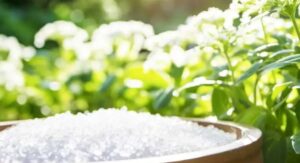
Start with what this product actually is, because the name is genuinely misleading. Epsom salt for plants is magnesium sulfate — MgSO₄·7H₂O — a naturally occurring mineral compound first identified in the waters of Epsom in Surrey, England. It shares nothing chemically with table salt beyond the word in its name, and it doesn’t carry the sodium compounds that damage soil structure and harm the microbial communities keeping soil biologically active.
Both components — magnesium and sulfur — are genuine plant macronutrients that can be deficient in specific soil types: sandy soils leach minerals fast, acidic soils lock nutrients into unavailable chemical forms, and heavily worked garden beds deplete reserves over multiple growing seasons without targeted replenishment.
Magnesium sits at the center of every chlorophyll molecule. Without enough of it, plants can’t produce chlorophyll at the rate photosynthesis demands, and the first visual sign is interveinal chlorosis — leaf tissue between the veins fades to yellow while the veins themselves stay green because vascular tissue holds onto magnesium longest.
Sulfur plays a separate but equally important role, supporting protein synthesis and the production of the phytoalexins that form part of a plant’s natural chemical defense against fungal pathogens, bacteria, and the microorganism-related diseases that exploit nutritionally stressed plant tissue. A plant with adequate sulfur available has more resources to mount a defensive response against fungal blights, bacterial wilts, and root rot organisms — which is why the benefits of this mineral supplement extend beyond just correcting a deficiency.
Epsom Salt for Plants Quick Application Reference Every Gardener Needs:
Keep this table handy when deciding how to apply it — dosage and method both matter significantly for getting the right result without overdoing it.
| Plant / Use Case | Dose | Method | Frequency |
| Tomatoes | 1 tbsp per gallon water | Soil drench at root zone | Every 2 weeks in season |
| Peppers | 1 tbsp per gallon water | Foliar spray or drench | At planting + flowering |
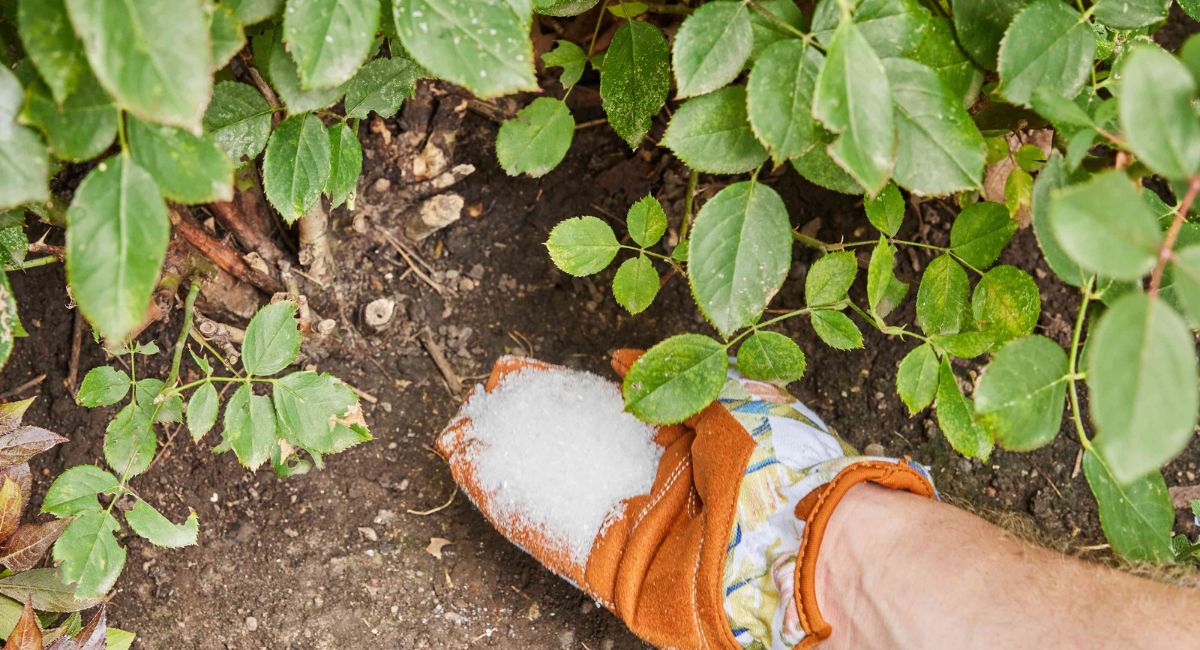
| Roses | 1 tbsp per foot of height | Sprinkle at drip line | Spring and midsummer |
| Houseplants | 1 tsp per gallon water | Soil watering only | Monthly in growing season |
| Lawn grass | 3 lbs per 1,250 sq ft | Dissolved in sprayer | Once or twice per season |
| Seedlings | 1 tsp per gallon water | Very dilute drench only | Once after germination |
| Yellow leaves | 1 tbsp per gallon water | Foliar spray and drench | Weekly until color improves |
| Transplant shock | 1 tbsp per gallon water | Root zone drench at planting | At planting then week two |
| Container plants | ½ tsp per gallon water | Replace one regular watering | Monthly maximum only |
| Fruit trees | 2 tbsp per gallon water | Drench around drip line | Three times per season |
Epsom Salt for Plants Corrects Magnesium Deficiency Fast and Reliably:
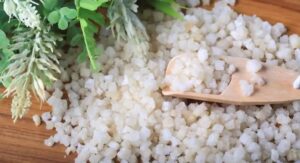
Magnesium deficiency is the primary condition this supplement was made for, and it’s more common than most gardeners realize — particularly in sandy soils that leach nutrients with every rainfall, acidic soils below pH 5.5 where chemistry shifts magnesium to unavailable forms, and gardens where heavy potassium or calcium fertilization competitively blocks magnesium uptake at root level through shared transport channels. The key is identifying the deficiency accurately before reaching for the bag. Applying magnesium sulfate to iron-deficient or nitrogen-deficient plants does nothing useful and may imbalance soil nutrient ratios in ways that compound problems over time.
1. Interveinal chlorosis pattern:
The diagnostic sign that magnesium is the problem — and that Epsom salt for plants is the right call — is interveinal chlorosis: tissue between leaf veins yellows while veins themselves stay green. This distinguishes magnesium deficiency from iron deficiency, which shows the same pattern but on the newest growth first rather than older leaves. Getting this diagnosis right before treating saves time, money, and the secondary problems that come from adding nutrients a soil doesn’t need to an already imbalanced root environment.
2. Mobile nutrient behavior:
Magnesium is mobile in plant tissue — when supplies are short, the plant strips it from older leaves and redirects it toward younger growing tissue. So deficiency symptoms appear first on middle and lower leaves while new growth at the tips looks temporarily fine. Recognizing that location pattern clinches the diagnosis. It also confirms that a targeted magnesium application makes more sense than reaching for a general fertilizer, which is what most gardeners default to when they see yellow leaves without reading the specific signals the plant is actually sending through that characteristic pattern.
3. Soil testing first:
The most reliable approach before regular application is a basic soil test — available cheaply from garden centers. A result showing low magnesium makes every decision evidence-based rather than speculative. It also reveals if elevated calcium or potassium levels are blocking magnesium uptake competitively, in which case reducing those inputs alongside adding the supplement produces significantly better results than just adding more magnesium to a soil already chemically imbalanced by nutrient competition at root level.
Epsom Salt for Plants Boosts Tomatoes and Peppers Specifically:
Among all garden crops, tomatoes and peppers have the most consistent documented positive responses to magnesium supplementation. Both are heavy feeders that deplete soil magnesium faster than most vegetables — particularly in containers and raised beds where root zones are limited and nutrient cycling happens without the mineral reserves of open ground. Both are also crops where nutritionally stressed plants show dramatically reduced yields and increased vulnerability to the bacterial and fungal diseases that exploit compromised plant tissue as an entry point. Addressing that nutritional gap early in the season genuinely changes outcomes at harvest time.
1. Tomato application timing:
Tomatoes grown in magnesium-poor soil show interveinal chlorosis on middle leaves first, followed by reduced fruit set and compromised immunity against fungal blight, bacterial wilt, and viral mosaic disease. Regular applications — one tablespoon dissolved in a gallon of water every two weeks as a soil drench — support the chlorophyll production that drives photosynthetic output in these high-yield crops. Nutritionally replete tomatoes mount stronger immune responses to Phytophthora and Fusarium root rot organisms and to the bacterial pathogens that cause wilt when they find compromised host tissue to exploit.
2. Pepper flowering boost:
Peppers respond particularly well at two specific growth stages: at transplanting, when a root zone drench helps establish the plant in new soil, and at first flowering, when magnesium demand spikes sharply as reproductive energy demands increase. Foliar application at one tablespoon per gallon delivers the mineral directly through leaf surfaces faster than any soil method — visible improvement in deficiency symptoms can appear within days — making it particularly effective when yellowing is already visible and a rapid correction is needed before the plant passes its peak flowering window for that season’s crop.
3. Yield improvement mechanism:
The yield improvements gardeners observe in genuinely deficient soils trace to magnesium’s role activating phosphatase — the enzyme essential for phosphorus metabolism during cell division and fruit development. Magnesium also drives ATP production, the fundamental cellular energy currency. A plant with adequate magnesium converts photosynthetic energy into fruit biomass more efficiently than a deficient one. That metabolic efficiency gap explains why correcting the deficiency consistently produces measurable harvest improvements in heavy-feeding vegetable crops across a full productive growing season.
Epsom Salt for Plants Improves Roses With Correct Targeted Use:
Roses are the plant most traditionally associated with magnesium supplementation in gardening folklore, and unlike a lot of folk wisdom, this one has reasonable biochemical backing. They’re heavy feeders with high magnesium requirements, and the classic symptoms of leggy, poorly flowering, chlorotic rose bushes frequently include a magnesium component that standard rose fertilizers don’t fully address. The traditional spring application practice — one tablespoon per foot of plant height sprinkled around the drip line — has enough rationale behind it that dismissing it entirely misses something real, even if the marketing world has overstated the benefits considerably over the years.
- Apply around rose drip lines in early spring just as new canes begin emerging from winter dormancy each year.
- One tablespoon per foot of plant height is the standard dosage guide for established roses receiving granular spring applications.
- Dissolve in water and drench for faster uptake when interveinal yellowing already appears on mid-cane foliage right now.
- Skip clay soils that already test adequate for magnesium — adding more creates competitive calcium blockage and additional problems instead.
- Combine with a complete rose fertilizer rather than treating this as a standalone nutritional program for the whole season.
Epsom Salt for Plants Situations Where It Harms More Than It Helps:
The other half of getting this right is understanding when not to use it. Indiscriminate application is the most common mistake — gardeners see good results in one situation and start applying magnesium sulfate everywhere. Problems from excess magnesium, salt accumulation, and disrupted soil microorganism communities take longer to manifest and are harder to attribute correctly when they do appear. Elevating magnesium beyond what soil needs causes it to competitively block calcium uptake — creating calcium deficiency in the very crops this supplement is supposed to help, and contributing to blossom end rot in tomatoes and peppers through the calcium deficiency that overuse creates in soils where magnesium was never limiting in the first place.
- Never apply to clay soils already testing high for magnesium without a current soil test confirming actual need first.
- Avoid using seedlings in commercial potting mix, which already contains adequate balanced micronutrient levels for early growth.
- Do not use it as a pest spray or antifungal treatment — no documented effectiveness against any plant disease organism exists at all.
- Stop immediately if a current soil test shows magnesium is already at or above recommended levels in your specific garden soil.
- Never substitute this for a complete balanced fertilizer program in heavily depleted or nutritionally exhausted garden growing situations.
Epsom Salt for Plants and Soil Microorganism Health Worth Understanding:
One conversation that rarely happens in guides on this topic is the relationship between magnesium sulfate applications and the soil microorganism community — the bacteria, mycorrhizal fungi, nematodes, and protozoa that collectively perform the nutrient cycling, disease suppression, and organic matter decomposition that makes soil biologically productive. It’s worth thinking through before committing to regular application schedules, because the sulfur component interacts with soil pH through sulfur-oxidizing bacterial activity, and any soluble salt increases the osmotic load that soil microorganisms live and work within every day.
1. Beneficial bacteria effects:
At recommended rates, magnesium sulfate generally doesn’t significantly harm the beneficial bacterial and fungal communities that support plant health — including mycorrhizal networks that extend root systems and Bacillus and Trichoderma species that produce natural antibiotics suppressing pathogenic organisms in healthy soil. Excessive applications are different — they alter soil osmotic potential enough to stress these beneficial populations, reducing their effectiveness at suppressing Fusarium, Pythium, and Rhizoctonia root rot pathogens that flourish when natural microbial competition weakens through any salt-based amendment overuse.
2. Disease resistance connection:
Well-nourished plants resist disease more effectively than nutrient-stressed ones. Plants with adequate magnesium maintain stronger cell walls, more robust immune signaling through salicylic acid pathways, and better structural integrity that pathogens find harder to penetrate. A tomato corrected from genuine magnesium deficiency shows measurably better resistance to bacterial cankers, fungal blights, and viral mosaic diseases — not because the mineral kills pathogens directly, but because a nutritionally replete plant has more biological resources available to mount an effective immune response to microorganisms attempting to colonize its tissue through any available entry point, which is why Epsom Salt for Plants is often discussed in this context.
3. Container salt accumulation:
Container growing amplifies every soil chemistry issue. Without the natural leaching that occurs in open garden beds, soluble magnesium sulfate accumulates in potting medium with each application, increasing total dissolved solids and creating osmotic stress on root tissue over time. If you apply this supplement monthly in containers — which is appropriate when deficiency is confirmed — flush the growing medium thoroughly with plain water every two to three months. That prevents mineral accumulation from reaching levels that damage roots and suppress the soil biology that healthy container plants depend on to process nutrients effectively throughout their growing period.
Epsom Salt for Plants Foliar Spray Versus Soil Drench Application:
How you apply it matters almost as much as whether you apply it. Delivery method determines how quickly the plant responds, how efficiently nutrients are used, and whether unintended consequences for soil chemistry arise over time. Foliar and soil methods work through different mechanisms, produce results on different timescales, and suit different situations depending on deficiency severity and the growth stage of the plant when correction is needed most.
1. Foliar spray method:
Foliar application delivers magnesium directly through leaf stomata and cuticle tissue, bypassing soil chemistry issues that might be blocking root uptake entirely. At one tablespoon dissolved per gallon applied to wet leaf surfaces, visible improvement in interveinal chlorosis can appear within days — far faster than any soil method manages. Spray in the early morning or evening though. Droplets sitting on leaves act as magnifying lenses in strong midday sun and can scorch the delicate tissue of a plant already stressed from deficiency, adding a mechanical problem to the chemical one you were trying to solve.
2. Soil drench approach:
Soil drench application works more slowly but provides more sustained correction by restoring magnesium levels in the root zone where the plant accesses nutrients continuously over the entire growing season. This method suits prevention and maintenance better than rapid correction of severe visible deficiency. Water the soil normally first before applying the dissolved solution — adding it to dry soil temporarily concentrates minerals around feeder roots in ways that can cause short-term stress in exactly the zone you’re trying to support through targeted supplementation during active growth phases of the season.
3. Granular timing tips:
For established perennials, shrubs, and roses, applying dry granules scratched lightly into soil around the drip line releases slowly with each rainfall or irrigation cycle over several weeks — a practical spring soil preparation approach rather than rapid correction of active symptoms. Granular application takes two to four weeks before any foliar response becomes visible. That timeline works well for building soil reserves ahead of the season’s peak growth demands, but it’s too slow when a plant is already showing significant deficiency symptoms that need correction before an upcoming critical flowering or fruiting stage.
Conclusion
Getting this right comes down to one honest question: is magnesium deficiency actually the problem in your soil right now? When the answer is yes — confirmed by interveinal chlorosis on older leaves, a soil test, or growing conditions known to deplete magnesium — then Epsom salt for plants is genuinely useful, economical, and well-supported by plant chemistry. It strengthens disease resistance, improves yields on heavy-feeding crops, and corrects that specific chlorosis pattern that nothing else quite fixes as directly. Apply it to soils that don’t need it and those benefits disappear while salt accumulation and disrupted soil biology quietly build. Test first, apply thoughtfully, and it earns its place in any serious gardener’s toolkit without question.
FAQ’s
Q1. Does Epsom salt for plants actually work or is it just gardening folklore?
Epsom salt for plants genuinely works for magnesium deficiency — in the right soil conditions it produces real, visible plant health improvements reliably and quickly.
Q2. How often should I apply Epsom salt for plants in my garden?
Apply Epsom salt for plants every two weeks for vegetables and monthly for others — more frequent use risks harmful magnesium accumulation in garden soil.
Q3. Will Epsom salt for plants fix yellow leaves on my tomatoes?
It fixes interveinal yellowing specifically — confirm that pattern matches magnesium deficiency before applying Epsom salt for plants or you’re wasting time completely.
Q4. Is Epsom salt for plants safe to use in all garden soils?
No — applying Epsom salt for plants to clay soils already high in magnesium raises levels to harmful ranges, so always soil-test before regular use.
Q5. What is the correct application rate for Epsom salt for plants?
One tablespoon per gallon is the standard rate for most vegetables when using Epsom salt for plants — halve that for houseplants and containers always.
Q6. Can I use Epsom salt for plants in pots and containers safely?
Yes — Epsom salt for plants works in containers at reduced doses, but flush the pot monthly with plain water to prevent salt accumulation building up.
Q7. Does Epsom salt for plants help prevent fungal disease and root rot?
Indirectly yes — Epsom salt for plants improves plant vigor and immunity, which strengthens natural resistance to the fungal pathogens causing root rot problems.
Q8. How much Epsom salt for plants is right for tomatoes and peppers?
One tablespoon per gallon every two weeks — that’s the reliable standard dose of Epsom salt for plants for tomatoes and peppers throughout the season.
Q9. Will Epsom salt for plants damage beneficial bacteria in my soil?
At correct rates, Epsom salt for plants generally doesn’t harm beneficial soil bacteria — but overuse at excessive doses does cause measurable harm over time.
Summary
This is one of those garden tools that works brilliantly in specific situations and does very little in others. Epsom salt for plants genuinely addresses magnesium deficiency — real, common in sandy soils and heavy-feeding crops, and visibly responsive to targeted application at the right rates. Interveinal yellowing on older leaves is the signal to look for. Soil testing before regular use prevents the calcium-blocking and accumulation problems that arise when magnesium is added to soils that never needed it.
The sulfur component supports plant immunity against fungal and bacterial disease when nutritional status is good. Used with that specificity — matched to a confirmed problem, applied at appropriate doses, adjusted seasonally — this inexpensive mineral supplement earns its place as an effective and evidence-supported addition to any thoughtful gardener’s practice, delivering genuine results in the situations where the chemistry actually calls for it.