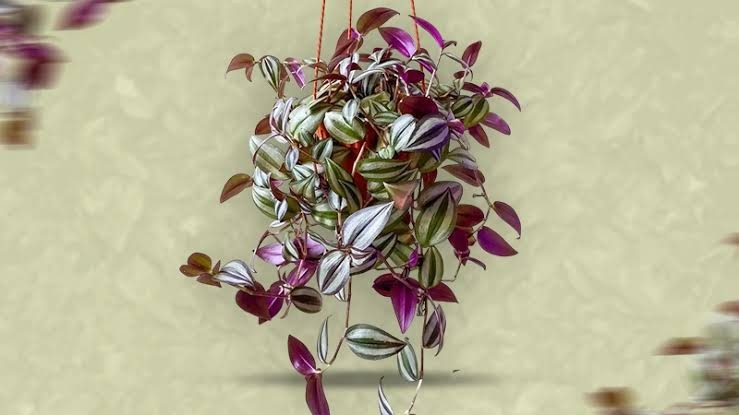
The first time I focused on wandering Jew plant care, I quickly learned how easily mistakes can affect this plant. Within weeks, my Tradescantia zebrina developed yellow leaves, soft stems, and fading color despite regular watering and fertilizing. Frustrated but determined, I began studying its true growing requirements, common diseases, and the effects of poor care practices. That experience taught me valuable lessons about proper light, watering, soil conditions, and disease prevention that completely changed the way I grow this popular houseplant.
Proper wandering Jew plant care is both simple and detailed. Tradescantia species are fast-growing, adaptable, and generally forgiving, but they remain vulnerable to overwatering, root rot, stem infections, and nutrient deficiencies when basic care is neglected. Popular varieties such as Tradescantia zebrina, fluminensis, and pallida are valued for their colorful foliage and easy propagation. Understanding watering, light, pest control, disease prevention, and seasonal maintenance is essential for keeping these attractive trailing plants healthy, vibrant, and productive for years.
Transform your approach to wandering Jew plant care today and grow vibrant, colorful, disease-free trailing plants that enhance every room.
Wandering Jew Plant Care: Complete Light and Environment Setup Guide:
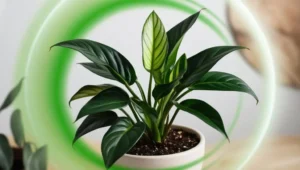
Mastering wandering Jew plant care begins with providing the right amount of light. These plants thrive in bright, indirect sunlight similar to the filtered light of their natural tropical habitats. Placing them near an east- or west-facing window helps maintain vibrant purple and silver foliage while encouraging healthy trailing growth. Wandering Jew Plant Care Too little light can cause colors to fade and reduce variegation, while excessive direct sunlight may scorch and bleach the leaves. Rotating the plant every few weeks ensures even growth and keeps it looking full, balanced, and attractive throughout the year. Wandering Jew Plant Care
Wandering Jew Plant Care Watering Soil Feeding and Root Health:
Wandering Jew plant care relies heavily on proper watering and soil drainage. Water the plant when the top inch of soil feels dry, keeping the soil lightly moist but never waterlogged. Most plants need watering every 5–7 days in warmer months and less frequently during winter. Use a well-draining potting mix made with peat or coco coir and perlite to prevent root rot. Wandering Jew Plant Care Avoid heavy, compact soils, as they retain excess moisture and can damage the roots. With balanced watering and good drainage, wandering Jew plants grow quickly and maintain their vibrant foliage.
Wandering Jew Plant Care Disease Symptoms and Solutions Reference Table:
| Problem | Primary Cause | Key Symptoms | Treatment |
| Root rot | Phytophthora / Pythium fungi in waterlogged soil | Mushy brown roots, sudden wilting, foul soil odor, yellowing stems | Repot immediately in dry mix, trim all rotted roots, reduce watering |
| Yellow leaves | Overwatering, nitrogen deficiency, or low light | Uniform yellowing of older lower leaves progressing upward | Adjust watering frequency, feed with balanced fertilizer, improve light |
| Botrytis gray mold | Botrytis cinerea fungal infection in humid stagnant air | Gray fuzzy mold on stems and leaves, tissue collapse, dieback | Remove infected material, improve airflow, apply neem oil spray weekly |
| Powdery mildew | Oidium species fungal pathogen in dry, stagnant air | White powdery coating on upper leaf surfaces, leaf distortion | Potassium bicarbonate spray improves circulation and reduces leaf crowding |
| Bacterial stem rot | Erwinia and Pseudomonas bacteria through crown wounds | Water-soaked mushy crown tissue, foul odor, rapid total collapse | Remove all affected tissue, improve drainage, avoid crown wetting |
| Leaf spot disease | Cercospora or Alternaria fungal pathogens | Brown circular spots with yellow halos on leaf surfaces | Remove infected leaves, switch to bottom watering, apply copper fungicide |
| Mosaic virus | Viral infection spread by aphid sap-sucking vectors | Mottled pale-green and yellow patterning on distorted new growth | Remove infected plant, eliminate all aphid populations immediately |
| Spider mites | Tetranychus urticae in hot, dry indoor conditions | Fine webbing on undersides, pale stippled leaf surface discoloration | Rinse foliage forcefully, raise humidity, miticide spray every 7 days |
| Mealybugs | Pseudococcidae in leaf axils and crown growing points | White cottony deposits, sticky honeydew, sooty mold secondary growth | Isopropyl alcohol removal, neem oil spray, repeat every 10 days |
| Brown leaf tips | Low humidity, fluoride toxicity, or salt accumulation | Crispy brown leaf edges and tips, otherwise healthy green foliage | Use filtered water, flush soil monthly, raise humidity above 50 percent |
Wandering Jew Plant Care Top Practices for Vibrant Colorful Growth:
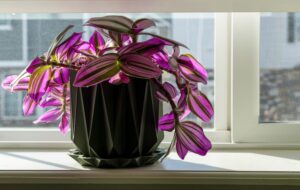
- Position your wandering Jew plant care specimen within two feet of a bright indirect light source to maintain the deepest possible purple and silver foliage coloration.
- Pinch back the growing tips of your Wandering Jew plant vines every three to four weeks to encourage dense lateral branching and prevent leggy, sparse trailing growth.
- Feed your Wandering Jew plant growing tips with a diluted balanced liquid fertilizer at half strength every three weeks throughout the active spring and summer growing season only.
- Maintain ambient humidity above 50% around your wandering Jew plant care specimens by grouping plants together or placing pots on water-filled pebble humidity trays.
- Refresh the potting medium for your Wandering Jew plant growing tips every twelve to eighteen months to replenish nutrients and restore the drainage that compacted soil loses over time.
Wandering Jew Plant Care Critical Warning Signs You Must Never Miss:
- Rapid widespread yellowing across multiple stems of your wandering Jew plant’s care plant is a serious indicator of active root rot, overwatering, or developing nutritional deficiency requiring immediate investigation.
- Soft, mushy, foul-smelling stem tissue at the base of your Wandering Jew plant confirms bacterial stem rot or advanced root rot requiring immediate surgical removal and repotting. Growing Tips: Vine
- Gray fuzzy mold visible on the stems or leaves of your Wandering Jew plant (Growing Tips) signals active Botrytis fungal infection spreading rapidly through stagnant, humid air conditions around the specimen.
- Mottled pale and dark green patterning on distorted new leaves emerging from your Wandering Jew plant strongly suggests mosaic viral infection introduced through aphid feeding activity. Growing Tips
- Complete color loss and fading to solid green across the foliage of your Wandering Jew plant growing tips specimen is the clearest possible signal that the plant urgently needs a significantly brighter growing position.
Wandering Jew Plant Care Complete Disease and Fungal Infection Management:
Understanding, identifying, and managing the disease threats that target Tradescantia species are an essential dimension of responsible wandering jew plant care that separates growers who consistently maintain vibrant, long-lived specimens from those whose plants perpetually struggle, decline, and require frequent replacement. These plants face genuine vulnerability to several fungal infections, bacterial diseases, and viral conditions that become significantly more likely to develop and spread when environmental conditions deviate from the optimal parameters — particularly when humidity is excessive without adequate airflow, when watering creates persistent soil saturation, or when plant stress from any cause weakens the immune response that normally suppresses opportunistic pathogen activity in healthy, vigorously growing specimens.
Common Diseases in Wandering Jew Plant Care
1. Root Rot Prevention
Root rot is the most serious problem in wandering Jew plant care, usually caused by overwatering and poor drainage. Remove damaged roots and repot the plant in fresh, well-draining soil to prevent further damage.
2. Botrytis Gray Mold
This fungal disease appears as gray, fuzzy growth on leaves and stems, especially in humid conditions. Improve air circulation, remove infected parts, and avoid overhead watering.
3. Bacterial Stem Rot
Bacterial stem rot causes soft, brown, foul-smelling stems. Prevent it by keeping the crown dry, providing good drainage, and removing dead plant material promptly.
Wandering Jew Plant Care Understanding Yellow Leaves and Nutritional Deficiencies:
Yellow leaves are among the most common and most anxiety-inducing symptoms that growers encounter in their wandering Jew plant care practice, yet they are also among the most frequently misdiagnosed because multiple entirely different causes—ranging from benign natural senescence of older leaves through to serious root rot and viral disease—all produce visually similar yellowing patterns that require careful diagnostic investigation to distinguish accurately.
Here’s a short version:
1. Nitrogen Deficiency:
Causes uniform yellowing on older lower leaves first. Treat with a balanced liquid fertilizer (low dose) every 2–3 weeks during growing season.
2. Iron Chlorosis:
Shows yellowing between green veins on new leaves due to high soil pH or poor iron absorption. Fix with chelated iron and proper pH balance.
3. Overwatering:
Leaves turn soft and yellow, and soil stays wet too long, sometimes with a bad smell. Reduce watering, improve drainage, and let soil dry before watering again.
Wandering Jew Plant Care Pest Management and Microorganism Control Strategies:
Protecting the ongoing health and visual performance of Tradescantia specimens through proactive pest management is an indispensable component of complete wandering jew plant care that becomes particularly important given these plants’ rapid growth rate and dense trailing habit, which create the sheltered, humid microenvironments within the foliage mass that certain pest species actively seek out for colonization.
1. Spider Mites:
Cause tiny yellow spots and thrive in dry air. Wash plant, increase humidity, and use miticide or neem oil weekly for 2–3 weeks.
2. Aphids:
Attack new growth and leave sticky honeydew. Rinse the plant and apply insecticidal soap every 5 days until gone.
3. Mealybugs:
White, cotton-like pests in leaf joints. Remove with alcohol swabs, then treat with neem oil every 10 days for several weeks.
Wandering Jew Plant Care Propagation Repotting and Long-Term Maintenance:
The propagation, repotting, and ongoing long-term maintenance dimensions of wandering Jew plant care represent the practices that transform a single purchased plant into a continuously renewed, perpetually vibrant collection that never loses its visual impact through the natural aging and decline process that inevitably affects individual stems over time.
1. Stem Cuttings:
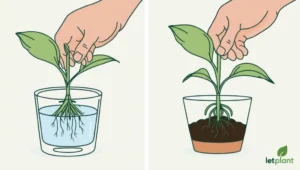
Take 4–6 inch cuttings below a node, remove lower leaves, and place them in water or a moist perlite mix. Roots appear in 1–2 weeks, then are potted in soil.
2. Repotting:
Repot when roots outgrow the pot or soil drains poorly. Use a pot 2 inches larger with fresh, airy soil and water after repotting.
3. Seasonal Care:
Spring/summer: water and fertilize more. Winter: reduce watering, stop fertilizer, and ensure enough light and humidity.
Conclusion
Achieving truly exceptional Wandering Jew plant care outcomes requires a holistic, knowledge-driven approach that addresses light optimization, watering precision, disease prevention, fungal infection management, bacterial threat recognition, pest control, nutritional support, and seasonal maintenance adaptation as interconnected elements of a single, coherent care system. Plants that receive this level of informed, attentive cultivation reward their growers with cascading curtains of extraordinarily vivid, deeply colored foliage that transforms any indoor space into a living display of tropical beauty throughout every month of the year.
FAQ’s
Q1. Why are the leaves on my wandering Jew plant turning yellow so quickly?
Yellow leaves in wandering Jew plant care most commonly result from overwatering, root rot caused by fungal microorganisms, nitrogen deficiency, or critically insufficient light exposure levels.
Q2. How often should I water my wandering jew plant for proper care?
Correct wandering jew plant care watering means irrigating when the top inch feels dry—roughly every 5 to 7 days in summer and every 10 to 14 days in winter.
Q3. What causes root rot in wandering jew plant care, and how is it treated?
Root rot in wandering jew plant care is caused by Phytophthora and Pythium microorganisms in waterlogged soil; repot immediately into a fresh, dry mix and remove all affected roots.
Q4. Why is my Wandering Jew plant losing its purple color and turning green?
Color loss in wandering jew plant care is almost always caused by insufficient light preventing anthocyanin synthesis; move the plant significantly closer to a brighter indirect light source.
Q5. Can wandering jew plant care include recovery from bacterial stem rot disease?
Recovery through attentive wandering Jew plant care is possible if bacterial stem rot is caught early; remove all infected tissue immediately and propagate healthy stem tip cuttings.
Q6. How do I effectively treat spider mites as part of wandering Jew plant care?
Treat spider mites during wandering jew plant care by rinsing foliage forcefully, raising humidity above 50%, and applying miticide spray every seven days for three consecutive weeks.
Q7. What soil mix works best for healthy Wandering Jew plant care long-term?
Optimal wandering jew plant care requires a mix of two parts quality coco coir or peat to one part perlite—well-aerated, fast-draining, and consistently moisture-retentive at root level.
Q8. How do I propagate cuttings successfully as part of wandering Jew plant care?
Successful propagation in wandering jew plant care involves placing four-inch tip cuttings in water or a moist perlite mix in bright indirect light until roots develop in 7 to 14 days.
Q9. Does wandering Jew plant care require fertilization throughout the entire year?
Complete wandering jew plant care fertilization means feeding every three weeks at half strength from spring through summer only, suspending all applications entirely throughout the winter resting period.
Summary
Truly successful wandering Jew plant care encompasses far more than simply placing a colorful Tradescantia vine in a sunny spot and watering it occasionally—it demands a comprehensive, science-informed approach that masters light optimization for maximum foliage color; develops precise watering discipline that prevents the fungal root rot and bacterial stem diseases that kill most specimens prematurely; manages the full spectrum of pest threats from spider mites and aphids through to mealybugs and scale insects; diagnoses and corrects nutritional deficiencies that cause yellow leaves and color fading; and adapts every element of the care routine seasonally to match the plant’s changing biological needs across the annual growth cycle.
Every strategy, diagnostic tool, and treatment protocol detailed throughout this guide gives you the complete framework needed for wandering Jew plant care that produces genuinely spectacular results. Apply this knowledge consistently; respond to every early warning sign before small problems escalate into irreversible plant losses, and your collection of these extraordinary trailing vines will reward your dedication with cascading curtains of jewel-toned, vibrantly patterned foliage that elevates every space they occupy.
The investment in understanding and executing excellent Wandering Jew plant growing tips is genuinely one of the most visually rewarding commitments any indoor gardener can make, delivering enduring beauty, continuous rapid growth, and the deep satisfaction of cultivating living art through attentive, knowledgeable hands-on horticultural practice applied consistently day after day throughout every season of the year with your extraordinary Wandering Jew plant growing tips collection.