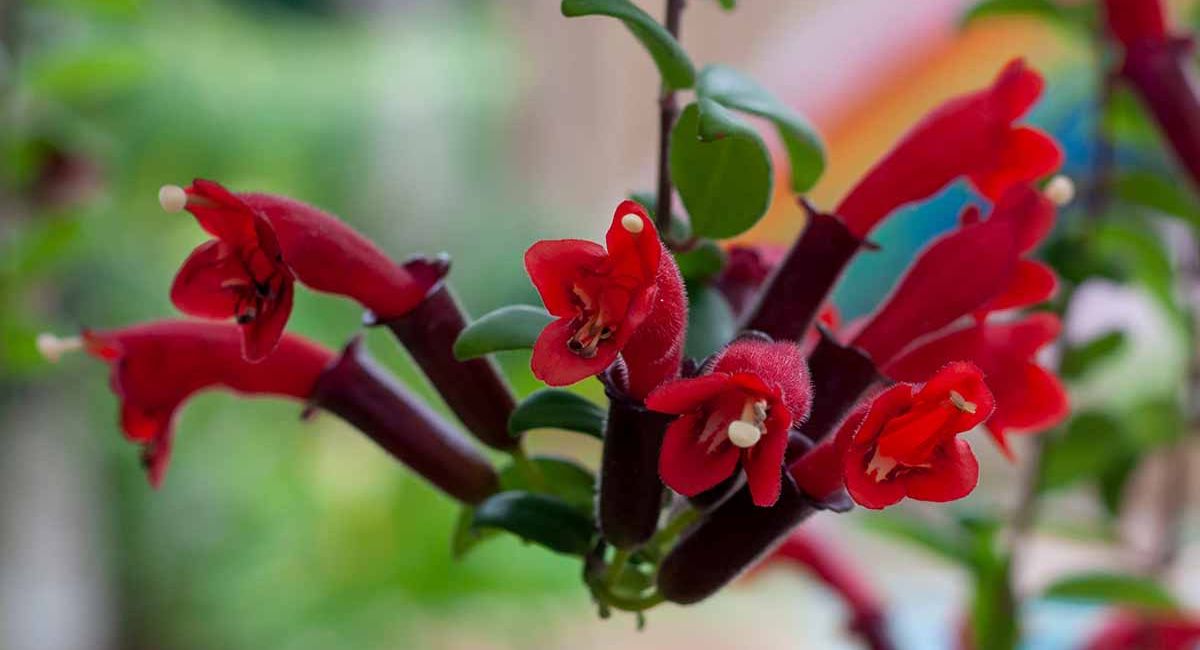
While reorganizing my plant shelf last winter, I noticed my curly lipstick plant had dropped nearly all its flower buds—and I had no idea why. I had been watering it regularly, keeping it near a bright window, and even misting it occasionally. After some digging, I realized I had made a classic mistake: I moved it slightly closer to a cold drafty window right as the buds were forming. Once I moved it back to a warmer, more stable spot, the plant bounced back within a few weeks. That experience taught me just how sensitive—and how rewarding—this plant can be.
If you love unusual trailing houseplants, the curly lipstick plant deserves a place in your collection. This tropical beauty features twisted, glossy leaves and vibrant tubular flowers that resemble uncapped tubes of lipstick. Beyond its striking appearance, the plant is easy to grow and looks stunning in hanging baskets, shelves, and decorative planters. With proper care, it produces lush cascading growth and frequent blooms throughout the year. In this guide, you’ll discover the best varieties, essential care tips, common problems, and expert techniques for keeping your curly lipstick plant healthy, colorful, and thriving indoors for every aspiring indoor plant enthusiast.
Discover everything about the curly lipstick plant: care tips, common problems, expert advice, and how to keep it blooming beautifully all year long.
Table of Contents
- What Is the Curly Lipstick Plant?
- Types and Varieties
- Benefits of Growing a Curly Lipstick Plant
- Common Problems, Diseases, and Pests
- Causes of These Problems
- How to Care for Your Curly Lipstick Plant Step by Step
- Prevention Tips for a Healthy Plant
- Common Mistakes to Avoid
- Expert Tips
- Frequently Asked Questions
- Conclusion
- Key Takeaways
What Is the Curly Lipstick Plant?
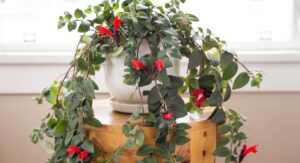
The curly lipstick plant is a tropical epiphytic plant belonging to the genus Aeschynanthus, part of the Gesneriaceae family. The word “epiphytic” means it naturally grows on other plants or surfaces in the wild—clinging to tree branches in the humid rainforests of Southeast Asia and drawing moisture from the air rather than deep soil.
What makes the curly lipstick plant stand out from its close relatives is the distinctive texture of its leaves. While standard lipstick plants have smooth, flat foliage, the curly variety — most commonly Aeschynanthus radicans ‘Curly’ or similar cultivars — features twisted, ruffled, or slightly contorted leaves that give it a wild, sculptural appearance even when it’s not in bloom.
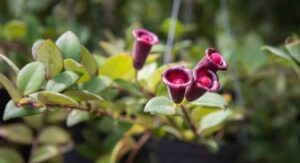
The flowers are the real showstopper. Bright red or orange tubular blooms emerge from dark, wine-colored calyxes, creating that iconic “lipstick” effect. Each flower can last several weeks, and a healthy plant can produce multiple flushes of blooms throughout the year.
As a trailing plant, the curly lipstick plant looks stunning in hanging baskets where its long, leafy stems cascade downward. It’s also a popular choice for elevated shelves and macramé plant hangers, where you can fully appreciate the dramatic drape of its growth habit.
Types and Varieties of Curly Lipstick Plant
The lipstick plant family includes several species and cultivars worth knowing about. Here are the most popular ones you’re likely to encounter:
Aeschynanthus radicans ‘Curly’
- The classic curly lipstick plant most plant lovers recognize
- Features distinctly twisted, dark green leaves with a waxy coating
- Produces vivid red to orange-red tubular flowers
- One of the most widely available cultivars in garden centers
Aeschynanthus radicans (Standard Lipstick Plant)
- Smooth, flat leaves without the curly texture
- Same brilliant red flowers but a more traditional appearance
- Slightly easier to find in mainstream plant shops
- A great companion plant to the curly variety
Aeschynanthus lobbianus
- Often confused with radicans but has a slightly different leaf structure
- Produces deep red flowers with a nearly black calyx
- Slightly more tolerant of lower light conditions
Aeschynanthus speciosus
- Known as the “basket plant” or “orange lipstick plant”
- Flowers are bright orange with yellow interiors rather than red
- Leaves are larger and less glossy than the curly variety
- Produces some of the most vivid and eye-catching blooms in the genus
Aeschynanthus marmoratus (Zebra Basket Vine)
- Less focused on flowers, more prized for its dramatic marbled foliage
- Green leaves with dark green to brownish veining pattern
- Flowers are smaller and greenish—not the main attraction here
- A great choice if you love unusual foliage plants
Aeschynanthus ‘Mona Lisa’
- A popular cultivar with broader leaves and large, vivid red flowers
- Considered one of the easiest lipstick plant varieties to bloom
- Good option for beginners who want reliable flowering
For most plant lovers, the curly lipstick plant (Aeschynanthus radicans ‘Curly’) is the top pick—thanks to that unique twisted foliage combined with spectacular blooms.
Benefits of Growing a Curly Lipstick Plant
Why add a curly lipstick plant to your collection? Here are some genuinely great reasons:
- Extraordinary visual appeal year-round. Even when not in bloom, the twisted, glossy dark leaves of the curly lipstick plant are eye-catching. It’s one of those plants that looks interesting in every season.
- It blooms indoors reliably. Many flowering houseplants are frustratingly reluctant bloomers indoors. The curly lipstick plant, when given proper light and the right seasonal cues, produces flowers consistently—often multiple times a year.
- Low soil requirements. As an epiphyte, the curly lipstick plant is adapted to growing in minimal, well-aerated substrate. It doesn’t need rich, heavy soil—which actually makes it easier to manage than many other houseplants.
- Perfect for hanging displays. Its naturally trailing growth habit makes it one of the best plants for hanging baskets, elevated shelves, and vertical garden arrangements. Few plants trail quite as beautifully.
- Non-toxic to pets and humans. According to the ASPCA, lipstick plants are non-toxic to cats, dogs, and people. That makes the curly lipstick plant a safer choice for households with curious pets or small children.
- Relatively low maintenance. Once you understand its basic needs — bright indirect light, moderate watering, and good humidity — the curly lipstick plant is genuinely easygoing. It’s forgiving of occasional neglect.
- Long-lived when cared for properly. With good care, a curly lipstick plant can thrive for many years. Some growers have plants that are 10+ years old and still blooming vigorously.
- Great for improving indoor ambience. The lush trailing foliage and bright tropical flowers bring a sense of vitality and color to any room. It’s especially impactful in spaces that otherwise feel bare or dull.
Common Problems, Diseases, and Pests
Even a well-cared-for curly lipstick plant can run into trouble. Here are the issues you’re most likely to face:
Bud Drop
One of the most disheartening things that can happen is watching flower buds form beautifully—and then drop before they open. Bud drop is usually caused by sudden environmental changes, particularly cold drafts, temperature fluctuations, or a change in position right as the buds are forming. Once I experienced this firsthand, I learned never to move a blooming or budding curly lipstick plant.
Yellowing Leaves
Yellow leaves are a common complaint and can have multiple causes—overwatering, insufficient light, nutrient deficiency, or natural aging of older leaves at the base of the plant. The pattern of yellowing often gives clues about the cause.
Leaf Drop
Significant leaf drop (beyond a few old leaves at the base) usually signals stress. Cold temperatures, root rot from overwatering, or severe drought can all trigger rapid leaf loss.
Root Rot (Pythium and Phytophthora species)
Root rot caused by water-mold pathogens is the most serious disease threat to the curly lipstick plant. Affected plants show wilting despite moist soil, soft or blackened roots, and rapid overall decline. It’s almost always linked to overwatering or poorly draining soil.
Powdery Mildew
This fungal disease appears as a white, powdery coating on leaves. It thrives in conditions with poor air circulation and inconsistent moisture—particularly when leaves stay damp too long.
Botrytis (Gray Mold)
Gray, fuzzy mold that appears on stems or spent flowers is a sign of Botrytis cinerea infection. It spreads in cool, damp, poorly ventilated environments and can quickly move through a plant if not addressed.
Mealybugs
These white, cottony pests cluster in leaf joints, along stems, and near flower buds. They drain plant sap and secrete honeydew that encourages sooty mold. Mealybugs are one of the most common pest problems for the curly lipstick plant grown indoors.
Aphids
Soft-bodied and fast-reproducing, aphids cluster on new growth and flower buds. They weaken the plant and distort young leaves.
Spider Mites
Spider mites thrive in hot, dry indoor conditions—especially in winter when heating dries the air. They cause stippling and fine webbing on leaves and can multiply rapidly.
Scale Insects
Scale insects look like small, flat bumps on stems and leaf undersides. They’re easy to overlook until the infestation becomes severe.
Causes of These Common Problems
Most issues with the curly lipstick plant trace back to one of these root causes:
- Overwatering — The leading cause of root rot, yellowing leaves, and fungal disease. This plant’s epiphytic roots need air between waterings.
- Underwatering—Prolonged drought causes wilting and leaf drop and makes the plant vulnerable to pest attack.
- Low light—Insufficient light is the top reason a curly lipstick plant refuses to bloom and causes slow, weak growth.
- Cold temperatures or drafts — Anything below 55°F (13°C) stresses this tropical plant significantly, causing bud drop and leaf loss.
- Low humidity — Indoor air that’s too dry (below 40% humidity) stresses the plant and creates ideal conditions for spider mites.
- Poor drainage — Heavy, compacted soil or pots without drainage holes hold excess water and lead directly to root rot.
- Stagnant air—Still air around the foliage encourages fungal disease, including powdery mildew and Botrytis.
- Moving the plant during budding — Even a small positional change can cause bud drop once buds have formed.
- Contaminated tools or new plants — Pests and diseases spread easily through unsterilized pruning tools or unquarantined new plants.
How to Care for Your Curly Lipstick Plant Step by Step
Here’s a complete care guide to help your curly lipstick plant reach its full potential.
Step 1: Choose the Right Location
Place your curly lipstick plant in bright, indirect light. An east or west-facing window is ideal. It needs at least 6 hours of bright (but not harsh direct) light per day to bloom consistently. Avoid north-facing windows in most climates — the light is usually too weak.
Step 2: Use the Right Soil and Pot
Use a light, well-draining potting mix. An orchid bark blend mixed with standard potting soil (50/50) works very well, as does a mix of coco coir, perlite, and a small amount of peat moss. The goal is a mix that holds some moisture but drains freely and allows air to reach the roots.
Always use a pot with drainage holes. Hanging baskets with coco liner are excellent choices for the curly lipstick plant’s natural trailing habit.
Step 3: Water Correctly
Water thoroughly when the top inch of soil feels dry. Pour water slowly until it drains freely from the bottom, then empty the drip tray. Never let the plant sit in standing water.
In winter, reduce watering frequency — the plant’s growth slows and it needs less water. However, don’t let it dry out completely.
Step 4: Maintain Humidity
The curly lipstick plant prefers 50-60% relative humidity. In dry climates or heated homes, boost humidity by placing a pebble tray with water beneath the pot, running a small humidifier nearby, or grouping plants together.
Avoid misting leaves directly — this can encourage fungal disease, especially if the leaves stay wet for long periods.
Step 5: Feed During Growing Season
Fertilize every 2 weeks during spring and summer with a balanced liquid fertilizer diluted to half strength. Switch to a fertilizer with a slightly higher phosphorus content (like a bloom booster) as the plant approaches its typical blooming season to encourage more flowers.
Stop or significantly reduce fertilizing in fall and winter.
Step 6: Prune After Blooming
Once a flush of flowers is done, trim back the stems by about one-third. This encourages bushier growth and more branching, which leads to more bloom sites for the next flowering cycle. Use clean, sharp scissors to make cuts just above a leaf node.
Step 7: Repot Every 2 Years
Repot into a container one size larger every 1-2 years in spring. Be gentle with the roots. Refresh the potting mix entirely at each repotting to restore nutrients and drainage quality.
Quick Care Reference Table
| Care Factor | Ideal Conditions |
| Light | Bright indirect light, 6+ hours |
| Temperature | 65°F – 80°F (18°C – 27°C) |
| Humidity | 50% – 60% |
| Watering | When top 1 inch of soil is dry |
| Fertilizing | Every 2 weeks, spring–summer |
| Soil pH | 6.1 – 6.5 (slightly acidic) |
| Repotting | Every 1-2 years in spring |
Prevention Tips for a Healthy Curly Lipstick Plant
Follow this checklist to stay ahead of problems before they start:
- Always use pots with drainage holes—never skip this
- Empty drip trays within 30 minutes of watering
- Inspect leaves (especially undersides) every 2 weeks for early pest signs
- Quarantine any new plants for 2 weeks before placing near your curly lipstick plant
- Wipe leaves gently with a damp cloth monthly to remove dust and spot pests
- Ensure good air circulation around the plant — avoid placing in enclosed corners
- Never move a plant that’s actively budding or flowering
- Clean pruning tools with rubbing alcohol before and after use
- Refresh potting mix at each repotting to prevent soil compaction
- Run a humidifier in winter when indoor heating drops humidity levels
Common Mistakes to Avoid
These are the errors that trip up even experienced plant owners when caring for a curly lipstick plant:
- Overwatering. This is consistently the number one mistake. The roots of this plant need air between waterings — soggy soil is far more dangerous than slightly dry soil.
- Placing in low light and expecting flowers. The curly lipstick plant will not bloom in a dim corner. If it’s not getting enough bright indirect light, no amount of fertilizer will compensate.
- Misting leaves to add humidity. Misting sounds helpful, but consistently wet foliage creates the perfect environment for powdery mildew and Botrytis. Use a humidifier or pebble tray instead.
- Fertilizing in fall and winter. Feeding during the plant’s natural rest period pushes weak, vulnerable growth and can burn roots. Match your feeding schedule to the plant’s growth cycle.
- Using heavy, dense potting soil. Standard garden soil or heavy potting mix compacts around epiphytic roots and holds too much water. Always use a light, airy mix.
- Ignoring early pest signs. A few mealybugs spotted early are easy to deal with. A full infestation discovered weeks later is a much bigger problem. Regular inspections make all the difference.
- Putting it near a heater or air conditioner. Direct airflow from heating or cooling vents causes rapid moisture loss from leaves and dramatic temperature fluctuations that stress the plant.
- Skipping post-bloom pruning. If you don’t trim the plant after it flowers, it tends to grow long and leggy with fewer bloom sites next cycle. A good prune keeps it compact and productive.
Expert Tips
Here’s practical advice from experienced curly lipstick plant growers that goes beyond the basics:
Give it a “cool, dry rest” in winter. A brief period of cooler temperatures (around 55-60°F) and slightly reduced watering in late fall often triggers the plant to initiate flower bud formation. This mimics the natural seasonal shift in its native habitat and is one of the best ways to encourage reliable blooming.
Root cuttings in water for backup plants. Stem tip cuttings from a curly lipstick plant root easily in water or moist perlite. Take a 4-6 inch cutting with at least two sets of leaves, remove the bottom leaves, and place it in water in a bright spot. Roots typically appear within 3-4 weeks. This is also a great way to share the plant with friends.
Don’t be alarmed by aerial roots. The curly lipstick plant may produce small aerial roots along its stems—a normal trait for an epiphyte. These aren’t a problem and don’t need to be removed.
Use a well-lit bathroom if you have one. A bathroom with a good-sized window often provides the ideal combination of warmth, humidity, and indirect light that the curly lipstick plant loves. Many growers report their best blooms coming from bathroom-placed plants.
Avoid ceramic or terracotta in hanging setups. These materials are too heavy for hanging baskets. Lightweight plastic or fiber pots in a hanging basket liner are much more practical and still allow good drainage.
Supplement with a grow light in winter. If your home doesn’t get much natural light between November and February, a simple LED grow light on a timer (12-14 hours of light per day) can keep your curly lipstick plant actively growing instead of stalling through the dark months.
FAQ’s
Q1: How often does a curly lipstick plant bloom?
A well-cared-for curly lipstick plant can bloom 2-3 times per year under the right conditions. It typically blooms most heavily in late spring and summer, but a cool winter rest period often triggers an additional flush of flowers in late winter or early spring.
Q2: Why won’t my curly lipstick plant bloom?
Insufficient light is the most common reason. The plant needs at least 6 hours of bright indirect light to initiate flowering. Other causes include too much nitrogen fertilizer (which promotes leaf growth at the expense of flowers), no cool rest period in winter, or the plant being recently repotted and still establishing itself.
Q3: Is the curly lipstick plant toxic to cats or dogs?
No. The curly lipstick plant is listed as non-toxic to cats, dogs, and humans by the ASPCA. It’s a great choice for pet-friendly households.
Q4: How long do curly lipstick plant flowers last?
Individual flowers typically last 1-3 weeks. Since the plant produces multiple flowers in a cluster and can rebloom, the flowering display can last for several weeks to a couple of months during peak season.
Q5: Can I grow a curly lipstick plant outdoors?
Yes, in USDA hardiness zones 10-12 (frost-free regions), the curly lipstick plant can be grown outdoors year-round in a shaded or partially shaded spot. In cooler climates, it can go outside in summer but should be brought inside before temperatures drop below 55°F (13°C).
Q6: How do I get rid of mealybugs on my curly lipstick plant?
For small infestations, dab each mealybug with a cotton swab dipped in 70% isopropyl alcohol. For larger infestations, spray the entire plant with a diluted neem oil solution or insecticidal soap (always test on a small area first). Repeat every 5-7 days for 3-4 rounds to break the pest life cycle.
Q7: How big does a curly lipstick plant get?
The curly lipstick plant typically grows to trail 2-3 feet long indoors with proper care. In ideal outdoor conditions in tropical climates, it can grow significantly larger. Regular pruning after blooming keeps it bushy and manageable at any size.
Q8: Why are the leaves on my curly lipstick plant turning yellow?
Yellow leaves most commonly point to overwatering, poor drainage, or insufficient light. Check your watering habits first — let the top inch of soil dry before watering again. If yellowing continues, assess the light level and consider a brighter location.
Q9: Should I mist my curly lipstick plant?
It’s better to avoid regular misting directly on the leaves. While the plant loves humidity, wet leaves for extended periods encourage fungal diseases like powdery mildew. Instead, use a pebble tray with water, a nearby humidifier, or group plants together to raise ambient humidity without wetting the foliage.
Conclusion
The curly lipstick plant is one of those houseplants that genuinely earns its place in any collection. Between the sculptural twisted leaves, the cascading growth habit, and those spectacular red blooms emerging from dark tubes, it’s a plant that commands attention in the best possible way.
What makes it even better is that once you understand what it needs, it’s not particularly demanding. Bright indirect light, proper watering technique, adequate humidity, and a light prune after flowering — that’s really the foundation of keeping a curly lipstick plant happy and blooming reliably.
The most important thing to remember is that this is a tropical plant with specific preferences. It doesn’t want cold drafts, soggy soil, or deep shade. Give it warmth, light, and a chance to dry out a little between waterings, and it will reward you generously.
If you’ve had trouble getting yours to bloom, start by reassessing your light situation. That single change solves the problem for the majority of people who struggle with reluctant, curly lipstick plants.
Whether you’re hanging one in a sun-lit kitchen, draping it over a shelf in your living room, or placing it in a warm bathroom window, this plant brings a touch of the tropics into your everyday space. Start with the basics from this guide, stay consistent, and enjoy watching it grow into something truly beautiful.
Key Takeaways
- The curly lipstick plant (Aeschynanthus radicans ‘Curly’) is a tropical epiphyte known for its twisted leaves and dramatic tubular red flowers.
- Bright indirect light is essential — at least 6 hours per day — for consistent blooming. Low light is the top reason plants fail to flower.
- Overwatering is the biggest threat. Always let the top inch of soil dry between waterings and never let the plant sit in water.
- Epiphytic roots need air. Use a light, fast-draining potting mix like a perlite-coco coir blend rather than dense standard potting soil.
- Humidity matters. Aim for 50-60% relative humidity. Use a pebble tray or humidifier rather than misting directly on leaves.
- Prune after every bloom cycle to encourage bushier growth and more flowering sites for the next flush.
- A cool, dry winter rest period (around 55-60°F, reduced watering) is one of the most effective ways to trigger blooming.
- Common pests include mealybugs, spider mites, and scale—all manageable when caught early with regular inspections.
- Never move a budding plant. Even a small change in position during bud formation can cause bud drop.
- The curly lipstick plant is non-toxic to cats, dogs, and people, making it one of the safer choices for pet-friendly homes.