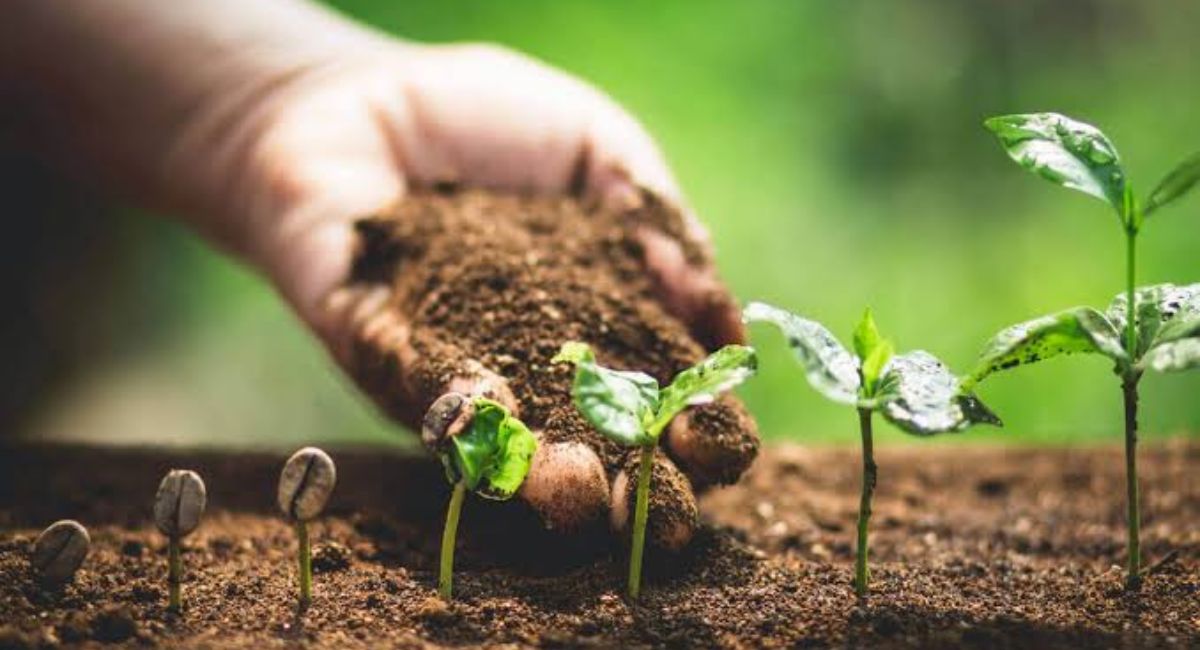
A few years ago, I picked up a small bag of fresh coffee plant seeds at a farmers market while visiting a coffee farm in Hawaii. The farmer told me they were viable for only a few weeks, so I had to move fast. Back home, I planted them in a small pot on my kitchen counter, half expecting nothing to happen. About six weeks later, I spotted the first tiny seedling pushing through the soil. That little sprout eventually grew into a beautiful, lush coffee plant that now sits in the corner of my living room—and yes, it even flowered last year.
Coffee is one of the world’s favorite drinks, but every cup begins with a small seed. Growing coffee plant seeds at home has become increasingly popular because these plants offer beautiful foliage and the exciting possibility of harvesting your own beans. Although coffee seeds require patience and proper care, they can successfully germinate and thrive in the right conditions. This guide explores everything you need to know about coffee plant seeds, including the best varieties to grow, planting methods, care requirements, common problems, and expert tips that help beginners and experienced gardeners grow healthy, productive coffee plants from seed.
Learn everything about coffee plant seeds, including growing, caring, and troubleshooting healthy coffee plants successfully at home today for beginners everywhere.
Table of Contents
- What Are Coffee Plant Seeds?
- Types and Varieties of Coffee Plants
- Benefits of Growing Coffee Plant Seeds
- Common Problems, Diseases, and Pests
- Causes of These Problems
- How to Plant and Grow Coffee Plant Seeds Step by Step
- Prevention Tips for Healthy Coffee Plants
- Common Mistakes to Avoid
- Expert Tips
- Frequently Asked Questions
- Conclusion
- Key Takeaways
What Are Coffee Plant Seeds?

Coffee plant seeds are the raw, unroasted beans found inside the fruit of the coffee plant (Coffea species). When you see a coffee cherry — that small, round, bright red or yellow fruit — the seed is what’s hiding inside. Each cherry typically contains two seeds, sitting face-to-face.
These seeds are what get harvested, processed, roasted, and eventually brewed into your morning cup. But before any of that happens, they’re living seeds capable of growing into a full coffee plant.
Here’s where it gets interesting: the roasted coffee beans you buy at the grocery store are dead seeds. Heat from roasting destroys their ability to germinate. If you want to actually grow a coffee plant from seed, you need fresh, unroasted, unprocessed coffee plant seeds—sometimes called “green coffee seeds” or “parchment coffee seeds.”
Fresh seeds can be hard to find locally, but they’re available from specialty nurseries, online garden shops, and sometimes directly from small coffee farms.
Coffee plants are tropical evergreens that can grow 6 to 10 feet tall indoors when mature. Outdoors in the right climate (USDA zones 10-12), they can reach 15 feet or more. They’re known for their dark, glossy leaves; fragrant white flowers; and, of course, eventually, those iconic red coffee cherries.
Types and Varieties of Coffee Plant Seeds
There are dozens of coffee species in the wild, but only a handful are commonly grown—either commercially or at home. Here’s what you’re likely to come across:
Coffea arabica (Arabica Coffee)
- The most popular species for home growing
- Produces the smooth, complex coffee flavor most people love
- Best grown at higher elevations and cooler tropical temperatures
- More sensitive to pests and diseases than other varieties
- Most of the coffee plant seeds sold for home gardeners are Arabica
Coffea canephora (Robusta Coffee)
- Stronger, more bitter flavor with higher caffeine content
- More disease-resistant and easier to grow than Arabica
- Tolerates lower elevations and hotter temperatures
- A good choice for home growers in warmer, more humid climates
Coffea liberica (Liberica Coffee)
- A larger plant with bigger leaves and cherries
- Rare and harder to find seeds for
- Produces a unique, somewhat smoky and woody flavor
- Better suited for very hot, humid tropical conditions
Coffea dewevrei (Excelsa Coffee)
- Sometimes classified as a subspecies of Liberica
- Grows well in marginal, drier conditions
- Less common as a home-growing variety
Dwarf or Compact Varieties
- Coffea arabica ‘Nana’ is a popular dwarf cultivar perfect for containers
- Stays small (under 3 feet), making it ideal for apartment or indoor growing
- Still produces flowers and can produce fruit under the right conditions
For most home growers, Arabica — especially the ‘Nana’ dwarf variety — is the go-to choice. It’s widely available, manageable in size, and produces the most familiar coffee flavor if you’re hoping to eventually harvest your own beans.
Benefits of Growing Coffee Plant Seeds

Why go through the trouble of starting from seed instead of just buying a young plant? Here are some compelling reasons:
- It’s more affordable. A packet of coffee plant seeds costs a fraction of what a mature coffee plant does at a nursery.
- You get to experience the full lifecycle. There’s something deeply satisfying about watching a coffee plant grow from a seed you planted yourself—especially when it eventually fruits.
- Greater variety selection. Nurseries typically stock one or two varieties. Seed suppliers give you access to a much wider range of species and cultivars.
- Educational and rewarding. Growing coffee from seed teaches you about seed germination, soil science, humidity, light, and plant nutrition — skills that transfer to all your gardening.
- Indoor air quality. Coffee plants are lush, leafy houseplants. Like many tropical plants, they contribute to better air circulation indoors and are visually striking year-round.
- Unique conversation starter. Not many people grow their own coffee at home. Having a thriving coffee plant — especially one grown from seed — is genuinely impressive.
- Potential for harvest. With patience (typically 3-5 years), your coffee plant grown from seed can produce cherries that you can process and roast yourself. It’s a small harvest, but the experience is unforgettable.
- Fragrant flowers. Coffee plants produce clusters of small, white, jasmine-scented flowers. Even if you never harvest a single bean, those blooms make the whole effort worthwhile.
Common Problems, Diseases, and Pests
Even experienced plant growers run into trouble with coffee plant seeds and mature coffee plants. Understanding the problems associated with coffee plant seeds can help you grow healthier, stronger plants. Here are the most common issues you might face when growing coffee plant seeds and young coffee plants.
Yellowing Leaves
Yellow leaves are the most frequent complaint among growers of coffee plant seeds. They can signal overwatering, nutrient deficiencies, too much direct sunlight, or cold drafts. Since several issues can produce the same symptom, careful observation is important.
Root Rot
Root rot is caused by consistently waterlogged soil and is one of the leading killers of plants grown from coffee plant seeds. The roots become brown and mushy, leaves drop quickly, and the plant wilts despite moist soil.
Fungal Leaf Rust (Hemileia vastatrix)
Coffee leaf rust is one of the most devastating diseases affecting coffee plants. It appears as orange-yellow powdery spots on leaves and can weaken plants grown from coffee plant seeds if left untreated.
Cercospora Leaf Spot
This fungal disease causes circular brown spots with yellow halos on leaves. Warm and humid conditions encourage its spread, potentially leading to severe leaf loss.
Mealybugs
These small, white, cotton-like insects gather around stems and leaf joints. They suck sap, produce sticky honeydew, and gradually weaken plants grown from coffee plant seeds.
Spider Mites
Spider mites thrive in warm, dry indoor environments. They create fine webbing, cause leaf yellowing, and spread quickly throughout a plant collection.
Scale Insects
Scale insects attach themselves to stems and leaf undersides, appearing as small brown bumps. They are often difficult to notice until the infestation becomes severe.
Sooty Mold
This black fungal coating grows on the honeydew produced by mealybugs and scale insects. Although it does not directly attack the plant, it blocks sunlight and reduces photosynthesis.
Causes of These Common Problems
Understanding what leads to these issues in the first place helps you avoid them:
- Overwatering — The number one cause of root rot and many fungal problems. Coffee plants need moisture but hate soggy soil.
- Poor drainage — Pots without drainage holes or compacted, dense soil hold water too long and suffocate roots.
- Low humidity — Indoor environments, especially in winter with heating running, get very dry. Coffee plants are tropical and need higher humidity to thrive.
- Inconsistent watering — Letting the soil go bone dry between waterings stresses the plant and makes it more susceptible to pests.
- Cold temperatures — Coffee plants are tropical. Temperatures below 55°F (13°C) can cause leaf drop and slow growth significantly.
- Direct harsh sunlight — While coffee plants need bright light, direct afternoon sun through a window can scorch leaves.
- Poor air circulation—Still, stagnant air around foliage encourages fungal disease and pest buildup.
- Bringing in infected plants — New plants or contaminated soil can introduce pests and disease to your existing collection.
How to Plant and Grow Coffee Plant Seeds Step by Step
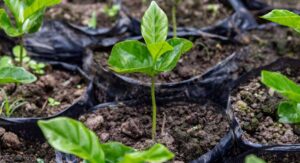
This is the heart of the whole guide. Follow these steps carefully and you’ll give your coffee plant seeds the best possible start.
Step 1: Source Fresh Seeds
Fresh coffee plant seeds germinate best when planted within 2-3 months of harvest. Look for seeds from reputable specialty seed suppliers or nurseries. Avoid roasted beans — they will not germinate. Look for seeds still in their parchment layer (the thin papery hull) for best viability.
Step 2: Soak the Seeds
Soak fresh coffee plant seeds in room-temperature water for 24 hours before planting. This softens the seed coat and speeds up germination. Change the water once during the soak if possible.
Step 3: Prepare Your Growing Medium
Use a well-draining, slightly acidic potting mix. A blend of peat moss (or coco coir), perlite, and a small amount of compost works well. Coffee plants prefer a soil pH between 6.0 and 6.5.
Fill small nursery pots or seed trays with this mix and moisten it thoroughly before planting. It should be damp but not dripping wet.
Step 4: Plant the Seeds
Place seeds flat-side down about ½ inch deep in the growing medium. Cover lightly with soil. Plant one seed per small pot, or space seeds 2-3 inches apart in a seed tray.
Step 5: Create Warmth and Humidity
Coffee plant seeds germinate best at temperatures between 70°F and 85°F (21°C to 29°C). Cover your pots or tray with a clear plastic dome or plastic wrap to retain moisture and warmth.
A heat mat designed for seed germination is very helpful here—especially if your home runs cooler.
Step 6: Be Patient
Germination is slow. Coffee plant seeds typically take 2 to 3 months to sprout, though some may take longer. Keep the soil consistently moist (not soggy) and the temperature stable. Check weekly and remove the plastic cover for an hour each day to prevent mold buildup.
Step 7: Provide Indirect Light After Sprouting
Once seedlings emerge, move them to a spot with bright, indirect light. A north or east-facing window works well. Avoid direct sun at this stage — young seedlings can scorch easily.
Step 8: Transplant When Ready
When seedlings reach about 4-6 inches tall and have several sets of leaves, transplant them into 4-inch pots. Use the same acidic, well-draining potting mix. Handle the delicate roots gently.
Step 9: Ongoing Care
- Light: Bright indirect light for at least 6 hours per day. An east-facing window is ideal indoors.
- Water: Water when the top inch of soil feels dry. Never let the plant sit in standing water.
- Humidity: Aim for 50-70% relative humidity. Use a humidifier or pebble tray with water to boost moisture around the plant.
- Temperature: Keep between 65°F and 80°F (18°C to 27°C) year-round.
- Fertilizer: Feed with a balanced, slightly acidic liquid fertilizer every 2-4 weeks during the growing season (spring through summer). Reduce or stop in fall and winter.
- Repotting: Move up one pot size every 1-2 years as the plant grows.
Coffee Plant Growth and Harvest Timeline
| Stage | Timeline |
| Seed germination | 2-3 months |
| Seedling to 6 inches | 3-4 months after germination |
| First repotting | 6-8 months after planting |
| Mature flowering plant | 3-4 years |
| First coffee cherry harvest | 4-5 years |
Prevention Tips for Healthy Coffee Plants
Use this checklist to keep your coffee plant thriving from the start:
- Always use pots with drainage holes—no exceptions
- Never let roots sit in water in a drip tray
- Test soil pH annually and adjust with sulfur or acidic fertilizer if needed
- Inspect leaves monthly for early signs of pests or disease
- Quarantine new plants for 2 weeks before placing them near your coffee plant
- Wipe leaves with a damp cloth every few weeks to remove dust and spot pests early
- Run a humidifier nearby in dry climates or winter months
- Rotate the pot every few weeks so all sides get equal light exposure
- Repot every 1-2 years to prevent root binding and refresh depleted soil
- Avoid placing near heating vents, air conditioners, or cold drafts
Common Mistakes to Avoid
Even well-intentioned gardeners make these errors with coffee plant seeds and seedlings. Avoid them and you’ll save yourself a lot of frustration:
- Planting roasted beans. This is the most common beginner mistake. Roasted coffee beans are dead — they will never germinate. You need raw, unroasted, fresh coffee plant seeds.
- Expecting fast germination. Coffee plant seeds are notoriously slow. If you’re checking the pot every day expecting sprouts in a week, you’ll lose patience and give up too soon. Plan for 2-3 months.
- Overwatering seedlings. Young coffee seedlings are especially vulnerable to root rot. Keep soil moist but always let the surface dry slightly between waterings.
- Placing in direct sunlight too early. Seedlings need bright but indirect light. Direct sun will scorch tender young leaves quickly.
- Using alkaline soil. Coffee plants are acid-loving. Regular potting mix can be too alkaline. Always amend your soil for a pH of 6.0-6.5.
- Skipping humidity. If you live in a dry climate or run heat in winter, your indoor air may be far too dry for a coffee plant. Low humidity causes leaf tips to brown and makes plants more vulnerable to spider mites.
- Fertilizing too early. Seedlings don’t need feeding for the first 3-4 months. Starting fertilizer too soon can burn delicate young roots.
- Not sourcing seeds carefully. Old or improperly stored coffee plant seeds have very low germination rates. Always buy from reputable sources that can guarantee freshness.
Expert Tips
These practical pointers come from experienced coffee plant growers who’ve been through the whole process:
Use a heat mat for germination. Consistent bottom heat makes a significant difference. Set it to 75-80°F and keep it running until seedlings emerge. This alone can shorten germination time noticeably.
Try the paper towel pre-germination method. Instead of planting seeds directly into soil, wrap them in a damp paper towel, place inside a zip-lock bag, and keep in a warm spot. Check every few days. Once you see a tiny root tip emerge (usually within 4-6 weeks), plant immediately. This lets you confirm viability before committing to a full pot.
Feed it with coffee grounds occasionally. A thin layer of coffee grounds worked into the top of the soil adds nitrogen and lowers pH slightly. Don’t overdo it — once a month or so is plenty.
Mist the leaves in the morning. A quick mist with room-temperature water in the morning raises humidity and mimics the tropical moist air that coffee plants naturally grow in. Avoid misting in the evening, which can encourage fungal issues.
Don’t rush repotting. Coffee plants actually bloom more readily when their roots are slightly snug. A plant that’s root-bound (with roots circling the pot) will often flower before one that has too much room to grow. Wait until you see roots coming through the drainage holes before repotting.
Grow a few seeds at once. Not every coffee plant seed will germinate, even with perfect conditions. Starting 4-6 seeds at a time gives you insurance against losses and a better chance of ending up with a healthy plant.
Frequently Asked Questions
Q1: Where can I buy fresh coffee plant seeds?
Look for seeds from specialty seed companies online, tropical plant nurseries, or directly from small coffee farms. Make sure the seeds are unroasted and recent — ideally harvested within the past 2-3 months. Avoid purchasing from unknown sellers with no information about seed freshness.
Q2: How long does it take for coffee plant seeds to germinate?
Germination typically takes 2 to 3 months under ideal conditions (warmth, consistent moisture, and humidity). Some seeds may take up to 4 months. Patience is essential — don’t give up on your seeds too quickly.
Q3: Can I grow a coffee plant indoors?
Yes, absolutely. Coffee plants are actually well-suited to indoor growing. They prefer bright indirect light, consistent warmth, and higher humidity — conditions that can all be managed indoors with some attention.
Q4: Do coffee plants grown from seed actually produce coffee?
Yes, but it takes time. Expect to wait 3-5 years before your plant flowers and produces coffee cherries. The yield from a single home-grown plant is small, but it’s entirely possible to harvest, process, and even roast your own coffee beans at home.
Q5: What kind of soil is best for coffee plant seeds?
Use a well-draining, slightly acidic potting mix with a pH between 6.0 and 6.5. A blend of peat moss or coco coir, perlite, and a small amount of compost is a solid choice. Avoid standard potting mixes that are formulated for alkaline-preferring plants.
Q6: Why are my coffee plant seedling leaves turning yellow?
Yellow leaves in young seedlings usually point to overwatering, poor drainage, or too much direct sunlight. Check that your pot drains well, reduce watering frequency, and move the plant to a spot with bright but indirect light.
Q7: Can I grow coffee plant seeds outdoors?
If you live in USDA hardiness zones 10-12 (like southern Florida, Hawaii, or Southern California), you can grow coffee plants outdoors year-round. In cooler climates, grow them in containers and bring them indoors before temperatures drop below 55°F.
Q8: How much water do coffee plant seeds and seedlings need?
Keep the germination medium consistently moist — not wet. Once seedlings are established, water when the top inch of soil feels dry to the touch. Always water deeply and allow excess to drain completely.
Q9: Do I need to fertilize coffee plant seeds while germinating?
No. Seeds contain enough nutrients to support early germination. Wait until your seedlings are at least 3-4 months old and showing strong growth before starting any fertilizer regimen.
Conclusion
Growing coffee plant seeds is a project that rewards patience and attention to detail. It’s not the fastest or easiest plant to grow from seed, but the journey is genuinely one of the most interesting experiences you can have as a plant lover.
From that first tiny seedling pushing up through the soil to the incredible moment when your plant blooms with fragrant white flowers years later, every stage of growing coffee is special. And if you’re lucky enough to get a harvest? Processing and roasting your own home-grown coffee beans is the kind of story you’ll tell for years.
The key things to remember are simple. Use fresh, unroasted coffee plant seeds. Be patient during germination. Provide warm temperatures, indirect light, and good humidity. Keep your soil slightly acidic and well-draining. Watch for pests and catch problems early. And above all — don’t give up on a slow-germinating seed before its time.
Whether you’re growing coffee for the chance of your own harvest, for the gorgeous tropical foliage, or simply because you love the idea of having one of the world’s most iconic plants on your windowsill—coffee plant seeds are the perfect place to start. Get your hands on some fresh seeds and give it a try. You might be surprised at where it leads.
Key Takeaways
- Fresh seeds are essential. Only unroasted, recently harvested coffee plant seeds will germinate. Roasted beans are dead.
- Germination is slow — expect 2-3 months and plan accordingly. Use a heat mat to speed things up.
- Arabica is the best choice for most home growers, especially the dwarf ‘Nana’ variety for indoor or container growing.
- Soil pH matters a lot. Coffee plants need slightly acidic soil (pH 6.0-6.5). Standard potting mix may need amendment.
- Overwatering is the top killer. Always use pots with drainage and let the soil surface dry slightly between waterings.
- Humidity is non-negotiable. These are tropical plants. Dry indoor air is one of the most common causes of poor growth and pest problems.
- Harvest takes time — typically 3-5 years from seed to first coffee cherry. The process is a marathon, not a sprint.
- Pests to watch for include mealybugs, spider mites, and scale—all manageable if caught early.
- Fertilize lightly and seasonally — feed during spring and summer growth periods; scale back in fall and winter.
- Start more seeds than you need. Not every coffee plant seed will sprout, so planting 4-6 seeds at once gives you the best odds of success.