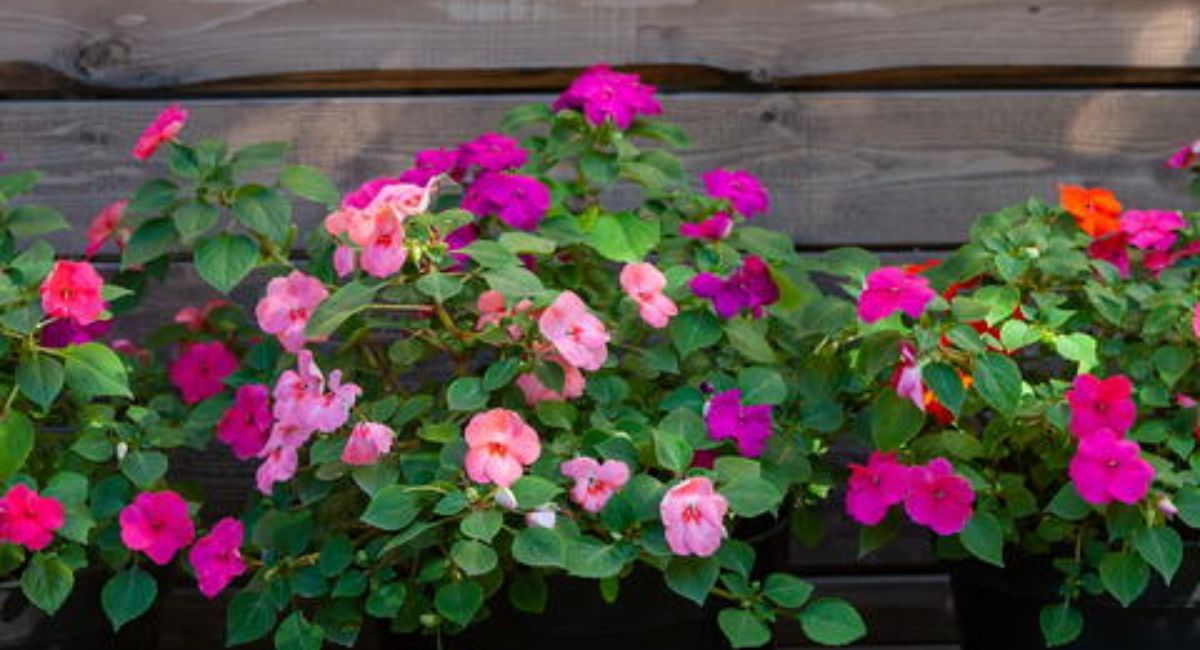
Last spring, I spotted a hanging basket on my neighbor’s porch that stopped me in my tracks. It was overflowing with lush, ruffled blooms in shades of coral and hot pink. I had to know what they were. “They’re double impatiens plants,” she said, snipping off a spent stem like it was nothing. I went home, ordered a flat online, and planted it in every shaded corner of my yard. By midsummer, my garden looked magazine-worthy. Since then, I’ve grown them every season and learned plenty of lessons, including a few mistakes that taught me how to grow these beautiful flowers successfully.
If you’ve ever struggled to add vibrant color to the shady areas of your garden, double impatiens plants may be the perfect solution. These beautiful flowers are the more dramatic relatives of traditional impatiens, producing full, rose-like blooms in a wide range of brilliant colors. Their lush appearance makes them ideal for shaded flower beds, containers, window boxes, and hanging baskets. In this guide, you’ll discover what double impatiens plants are, the best varieties to grow, essential care tips, and solutions to common problems. Whether you’re a beginner or an experienced gardener, you’ll find everything needed to grow these stunning flowers successfully.
Discover double impatiens plants with growing tips, care secrets, and solutions for common problems in shady gardens everywhere and containers.
Table of Contents
- What Are Double Impatiens Plants?
- Types and Varieties of Double Impatiens Plants
- Benefits of Growing Double Impatiens Plants
- Common Problems, Signs, and Symptoms
- Causes of These Problems
- Step-by-Step Care Guide
- Prevention Tips
- Common Mistakes to Avoid
- Expert Tips for Growing Double Impatiens
- Frequently Asked Questions
- Conclusion
- Key Takeaways
What Are Double Impatiens Plants?
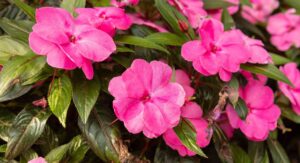
Double impatiens plants (Impatiens walleriana in their double-flowering form) are a cultivated variety of the popular garden impatiens. What makes them stand out is their fully double blooms — multiple layers of petals stacked together to create flowers that resemble small roses or camellias.
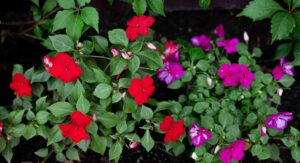
They typically grow 10 to 18 inches tall and spread up to 18 inches wide. The blooms come in a wide range of colors, from white and soft lavender to deep red, orange, salmon, and bicolor mixes.
Like all impatiens, the double variety loves shade and consistent moisture. It’s an annual in most parts of the United States (USDA zones 10–11 are the exception, where it can grow as a tender perennial).
How They Differ from Regular Impatiens
Standard impatiens have five flat petals with a simple center. Double impatiens, on the other hand, pack in many more petals per bloom, giving each flower a lush, almost fluffy appearance. They’re generally a bit more eye-catching but require similar care to their single-bloom relatives.
Types and Varieties of Double Impatiens Plants
There are quite a few varieties to explore, and the differences go beyond just color. Here are some of the most popular types you’ll find at nurseries and online:
- Fiesta Series — One of the most widely available series, known for bold, fully double blooms and strong garden performance. Colors include salmon, hot coral, pink, white, orange, and red.
- Fiesta Ole Series — A slightly more compact version of the Fiesta line with a spreading habit, ideal for hanging baskets.
- Tioga Series — Produces tightly packed, rosy blooms in a range of soft to bright tones. Known for being particularly heat-tolerant.
- Victorian Rose — A beloved variety featuring warm pink, densely petaled flowers. Often sold as a specialty plant.
- Stardust Series — Features blooms with a sparkling, star-patterned center, adding a unique visual twist.
- Double Candy Series — Bred for container performance with compact mounding growth and candy-colored blooms.
Most double impatiens plants are sold as transplants at garden centers starting in spring. You can also start them from seed, though the process takes longer and requires more attention.
Benefits of Growing Double Impatiens Plants
There’s a reason gardeners keep coming back to double impatiens year after year. Here’s what makes them so worth growing:
- They thrive in shade. Most flowering annuals need full sun, but double impatiens plants actually prefer partial to full shade. If you have a dark corner and you can’t figure out what to plant, this is your answer.
- They bloom all season long. Plant them in late spring and they’ll keep flowering right up until the first frost without deadheading. That’s months of continuous color with minimal effort.
- They’re incredibly versatile. Use them in garden beds, containers, window boxes, or hanging baskets. They work in almost any setting.
- The blooms are stunning. The double, rose-like flowers are dramatically more showy than standard impatiens, making them a real focal point in the garden.
- They’re relatively low maintenance. Once established in the right conditions, double impatiens plants mostly take care of themselves.
- They attract pollinators. Bees and butterflies are drawn to the blooms, especially in gardens where other nectar-rich plants are scarce.
- They come in nearly every color. Whether you want soft pastels or vibrant jewel tones, there’s a double impatiens variety that fits your palette.
Common Problems, Signs, and Symptoms
Even though double impatiens plants are relatively easy to grow, they do have their vulnerabilities. Knowing what to look for can save your plants before damage becomes serious.
Downy Mildew
This is the most devastating disease to hit impatiens in recent decades. Caused by the pathogen Plasmopara obducens, downy mildew swept through gardens across the US starting around 2012 and wiped out millions of impatiens plants.
Signs to watch for:
- Yellowing or pale green leaves
- Downward-curling leaf edges
- White or grayish powdery growth on the underside of leaves
- Rapid leaf drop, leaving bare stems
- Plants that suddenly collapse and defoliate almost overnight
Unfortunately, once downy mildew takes hold, there is no cure. The best strategy is prevention (more on that below).
Root Rot
Root rot in double impatiens plants is usually caused by overwatering or poor soil drainage.
Signs:
- Wilting despite moist soil
- Brown, mushy stems at the base
- Yellowing lower leaves
- Stunted growth
Spider Mites
These tiny pests are hard to see with the naked eye but cause significant damage.
Signs:
- Fine webbing on the undersides of leaves
- Tiny yellow or bronze stippling on leaves
- Leaves looking dry, dull, or washed out
Aphids
Aphids cluster on new growth and suck sap from the plant.
Signs:
- Distorted or curling new leaves
- Sticky residue (called honeydew) on leaves and stems
- Ants gathering around the plant (they farm aphids)
- Black sooty mold growing on the honeydew
Botrytis Blight (Gray Mold)
This fungal disease affects plants during cool, humid weather.
Signs:
- Gray or brown fuzzy mold on flowers or leaves
- Flowers rotting before they fully open
- Water-soaked patches that turn papery and brown
Causes of These Problems
Understanding why these problems happen helps you prevent them in the first place.
- Overwatering — The number one killer of double impatiens. Wet soil invites root rot and mold.
- Poor air circulation — Planting too close together creates a humid microclimate perfect for fungal diseases.
- Contaminated soil or tools — Downy mildew spores can survive in the soil for years and spread on unsterilized tools.
- Overhead watering — Wetting the foliage encourages mold and fungal infections.
- Hot, dry conditions — Spider mites thrive when temperatures spike and humidity is low.
- Stressed plants — Plants weakened by heat, drought, or poor soil are more susceptible to pests and disease.
- Using infected transplants — Sometimes problems come home from the nursery before you even plant.
Step-by-Step Care Guide for Double Impatiens Plants

Here’s how to grow double impatiens plants successfully from planting through the end of the season:
Step 1: Choose the Right Location Pick a spot with partial to full shade. Morning sun with afternoon shade is ideal. Avoid placing them in direct afternoon sun, which can scorch the leaves and cause wilting.
Step 2: Prepare the Soil Double impatiens plants need rich, well-draining soil. Mix in compost or organic matter before planting. Aim for a slightly acidic pH between 6.0 and 6.5.
Step 3: Plant at the Right Time Wait until nighttime temperatures stay consistently above 50°F before planting outdoors. In most of the US, that’s late May to early June.
Step 4: Space Them Properly Plant double impatiens 10 to 12 inches apart to ensure good air flow. Crowding them is one of the most common mistakes gardeners make.
Step 5: Water Correctly Water at the base of the plant, not from overhead. Keep the soil evenly moist but never waterlogged. During hot weeks, daily watering may be needed for container plants.
Step 6: Fertilize Regularly. Feed double impatiens plants every two weeks with a balanced, water-soluble fertilizer (such as 10-10-10 or a bloom-booster formula). Consistent feeding keeps flowers coming strong all season.
Step 7: Mulch the Bed Apply 2 inches of mulch around the plants to retain moisture and regulate soil temperature. Keep mulch a few inches away from the stems.
Step 8: Deadhead If needed, double impatiens are mostly self-cleaning, but removing spent blooms occasionally can encourage even more flowering and keep plants looking tidy.
Step 9: Monitor for Pests and Disease Check your plants weekly. Catching problems early makes them much easier to address.
Step 10: End-of-Season Care Double impatiens are frost-sensitive annuals. Pull them out after the first frost and compost healthy plant material. Do not compost diseased plants.
Prevention Tips
Use this checklist to keep your double impatiens plants healthy all season:
- Buy transplants from reputable nurseries with healthy, disease-free stock
- Avoid planting in the same spot where impatiens downy mildew has occurred before
- Water at soil level, not on the leaves
- Space plants at least 10 inches apart for airflow
- Use well-draining soil and containers with drainage holes
- Fertilize on a regular schedule to keep plants strong
- Remove and dispose of any diseased plant material immediately
- Sterilize tools between plants during disease outbreaks
- Consider resistant varieties (New Guinea impatiens are not affected by the same downy mildew strain)
- Rotate where you plant impatiens each season
Common Mistakes to Avoid
Even experienced gardeners make these errors with double impatiens plants:
- Planting too early. Cold soil stresses the plants and slows establishment dramatically.
- Overwatering. More plants are killed by too much water than too little.
- Planting in too much sun. Double impatiens are not sun plants. They’ll bleach out, wilt, and struggle in full sun.
- Skipping fertilizer. These plants are heavy feeders. Without regular fertilizing, blooms will slow down significantly by midsummer.
- Ignoring early disease signs. By the time you notice downy mildew spreading, it’s often too late for that plant.
- Crowding plants. Dense plantings look lush at first but create the perfect environment for fungal problems.
- Using garden soil in containers. Always use a quality potting mix for container-grown double impatiens.
Expert Tips for Growing Double Impatiens Plants
Here are some insider tips that can take your double impatiens from good to spectacular:
Tip 1: Pinch early for bushier plants. When you first plant double impatiens, pinch back the growing tips by about a third. It feels counterintuitive, but this encourages the plant to branch out and produce far more blooms over the season.
Tip 2: Use slow-release fertilizer as a base. Incorporate a granular slow-release fertilizer into the soil at planting time, then supplement with liquid fertilizer every two weeks. This dual approach gives you consistent nutrition without the risk of overfeeding.
Tip 3: Group containers together in shade. When growing in pots, cluster them together in a shaded spot. The plants create a slightly more humid microclimate for each other, which double impatiens love.
Tip 4: Bring them indoors before frost. If you have particularly beautiful container specimens, bring them inside before frost hits. With a sunny window and consistent watering, double impatiens can survive indoors through winter.
Tip 5: Try New Guinea impatiens as a backup. If you’ve had downy mildew issues in the past, consider mixing in New Guinea impatiens (Impatiens hawkeri). They’re not affected by the same mildew strain and can tolerate more sun.
FAQ’s
Q1: What are double impatiens plants exactly?
Double impatiens plants are a cultivated variety of Impatiens walleriana that produce multi-petaled, rose-like blooms instead of the typical five-petal flower. They’re popular for shaded garden beds and containers because of their long bloom season and dramatic floral display.
Q2: Do double impatiens need full shade?
They prefer partial to full shade. They do best with bright, indirect light or morning sun followed by afternoon shade. Direct afternoon sun can cause wilting and leaf scorch.
Q3: How often should I water double impatiens?
Keep the soil consistently moist but not waterlogged. In garden beds, this usually means watering every 2 to 3 days. Container plants may need daily watering in hot weather because pots dry out faster.
Q4: Why are my double impatiens dropping leaves?
Sudden leaf drop is one of the most common signs of impatiens downy mildew. Other causes include overwatering, underwatering, heat stress, or root rot. Check the undersides of the leaves for white, downy growth, which confirms mildew.
Q5: Can I grow double impatiens in full sun?
They are not well-suited for full sun. In very hot, sunny spots, they’ll wilt during the day, produce fewer flowers, and may die back early. Shade is where they truly thrive.
Q6: How do I get double impatiens to bloom more?
Feed them every two weeks with a balanced or bloom-booster fertilizer. Also, pinch back leggy stems to encourage branching. Make sure they’re getting adequate moisture, since drought stress reduces flowering significantly.
Q7: Are double impatiens annuals or perennials?
In most of the United States, double impatiens plants are grown as annuals. They’re frost-sensitive and die with the first freeze. In USDA zones 10 and 11, they can survive as tender perennials year-round outdoors.
Q8: Can double impatiens grow in containers?
Yes, they’re excellent container plants. Use a quality potting mix with good drainage, fertilize regularly, and water consistently. Hanging baskets and window boxes are especially popular choices.
Q9: What’s the difference between double impatiens and New Guinea impatiens?
New Guinea impatiens (Impatiens hawkeri) are a different species that can tolerate more sun and are not susceptible to the same downy mildew strain as common impatiens. Double impatiens refers specifically to multi-petaled varieties of Impatiens walleriana.
Q10: How do I treat spider mites on double impatiens?
Spray affected plants with a strong stream of water to knock mites off the foliage. For more serious infestations, apply insecticidal soap or neem oil every 5 to 7 days until the problem is controlled. Increase humidity around the plants if possible.
Conclusion
Double impatiens plants are one of the most rewarding flowers you can grow in a shaded garden. With their lush, rose-like blooms and long flowering season, they bring serious color to spots where most other flowers simply refuse to perform. Yes, they have a few vulnerabilities—downy mildew being the most serious one—but with the right preventive steps and proper care, most gardeners avoid major problems entirely.
The key takeaways are straightforward: give them shade, keep the soil moist (but not soggy), feed them regularly, space them for airflow, and water at the base rather than overhead. Do those five things consistently and you’ll be rewarded with nonstop blooms from late spring all the way through fall. If you haven’t grown double impatiens plants before, this is the season to try them. Head to your local nursery, pick up a flat in your favorite color, and find that shaded corner of your yard that’s been begging for something beautiful.
You won’t be disappointed.
Key Takeaways
| Topic | Key Point |
| Light | Partial to full shade; morning sun is fine, avoid afternoon sun |
| Water | Consistently moist soil; never waterlogged; water at base |
| Fertilizer | Every 2 weeks with balanced or bloom-booster formula |
| Spacing | 10–12 inches apart for good airflow |
| Biggest threat | Downy mildew (no cure; prevention is everything) |
| Best use | Shaded beds, containers, hanging baskets, window boxes |
| Bloom season | Late spring through first frost |
| Growth habit | Mounding, 10–18 inches tall and wide |
| Annual vs. perennial | Annual in most US zones; tender perennial in zones 10–11 |
| Pro tip | Pinch back early to encourage bushier, more floriferous plants |