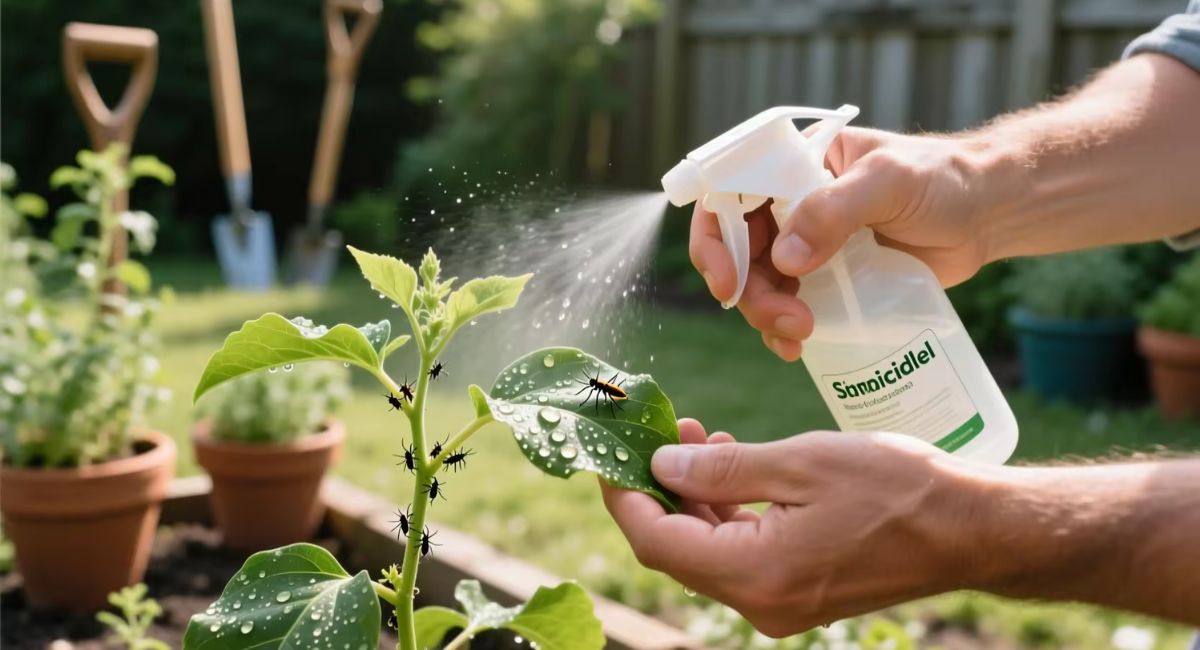
Last spring, I walked out to my vegetable garden and found my kale completely covered in aphids. Thousands of them, clustered on every stem. I didn’t want to spray harsh chemicals anywhere near food I was growing for my family. A neighbor suggested I try castile soap diluted in water. Honestly, I was skeptical. But within two days of spraying, the aphid population had crashed. The plants looked healthier, the bugs were gone, and I hadn’t used a single synthetic chemical. That experience turned me into a total believer in using castile soap for plants—and I’ve been refining my approach ever since.
If you’re searching for a natural and plant-friendly solution for garden care, castile soap may be one of the best products to keep on hand. Made from plant-based oils, this gentle soap has become popular among organic gardeners and houseplant enthusiasts for controlling pests and keeping plants healthy. Using castile soap for plants is more than a gardening trend because it can effectively manage common issues like spider mites, aphids, and fungus gnats when used correctly. However, improper use can damage leaves and harm delicate plants. This guide explains the benefits, uses, safety tips, and mistakes to avoid when using castile soap in your garden.
Learn how castile soap for plants controls pests, prevents disease, promotes healthy growth, and avoids common mistakes with expert tips.
Table of Contents
- What Is Castile Soap?
- Types of Castile Soap
- Benefits of Using Castile Soap for Plants
- Plant Pests and Problems It Can Treat
- Causes of Common Plant Pest Problems
- How to Make and Use Castile Soap Spray for Plants
- Prevention Tips for a Healthier Garden
- Common Mistakes to Avoid
- Expert Tips
- Frequently Asked Questions
- Conclusion
- Key Takeaways
What Is Castile Soap?
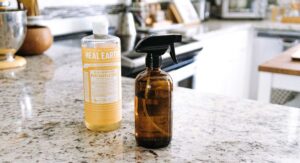
Castile soap is a vegetable-based soap made without animal fats or synthetic detergents. It originated in the Castile region of Spain, where it was traditionally made from pure olive oil. Today, most castile soaps are blended with other plant oils like coconut, hemp, or jojoba oil.
What makes castile soap different from regular dish soap or hand soap is what’s not in it. There are no petroleum-based surfactants, no synthetic fragrances, no dyes, and no harsh chemicals. It’s biodegradable, gentle, and safe for use around children, pets, and, yes, plants.
The most popular brand you’ll find on shelves is Dr. Bronner’s, but there are plenty of other quality options. The key is to look for pure, unscented castile soap without any added ingredients that could harm your plants.
When diluted properly, castile soap for plants acts as a gentle insecticide, a natural fungicide booster, and even a mild foliar cleaner that removes dust and grime from leaves.
Types of Castile Soap
Not all castile soaps are created equal. Here’s a breakdown of the main types you’ll encounter:
By Form:
- Liquid castile soap — The most common and easiest to dilute. Perfect for making spray solutions for plants.
- Bar castile soap—Can be grated and dissolved in water, but liquid is much more convenient for garden use.
By Scent/Formula:
- Unscented (Pure Castile) — The safest choice for plants. No essential oils means no risk of phytotoxicity from additives.
- Peppermint castile soap — Has some insect-repellent properties, but the essential oils can burn sensitive plants if not diluted well.
- Tea tree castile soap—Offers antifungal benefits, but again, extra caution is needed with dilution.
- Lavender or eucalyptus varieties — Generally fine when diluted, but always test on a small area first.
By Concentration:
- Some castile soaps come in a concentrated formula (like Dr. Bronner’s 18-in-1). These need more dilution than regular-strength soaps.
For most gardeners, plain unscented liquid castile soap is the best starting point. It’s gentle, predictable, and works reliably across a wide range of plants.
Benefits of Using Castile Soap for Plants
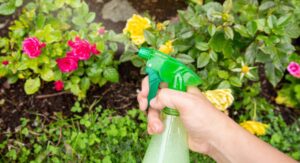
There are plenty of reasons why gardeners keep reaching for castile soap season after season. Here are the top benefits:
- It’s non-toxic and biodegradable. Unlike synthetic pesticides, castile soap breaks down quickly in the environment. It won’t contaminate your soil, harm beneficial insects (when used correctly), or leave toxic residue on your vegetables.
- It suffocates soft-bodied insects. Castile soap works by breaking down the waxy outer layer (cuticle) of soft-bodied pests like aphids, mites, and whiteflies. Without that protective coating, they dehydrate and die. It’s physical, not chemical, which means pests can’t build resistance to it.
- It’s safe around food crops. You can spray it on tomatoes, cucumbers, kale, and herbs without worrying about harmful chemical residue before harvest. Just rinse the produce as you normally would.
- It helps with fungal issues. When combined with baking soda or neem oil, castile soap improves the spread and sticking power of the solution, helping treat powdery mildew and other fungal diseases more effectively.
- It cleans dusty leaves. Indoor plant leaves collect dust that blocks sunlight and slows photosynthesis. A diluted castile soap solution can gently wipe leaves clean, improving the plant’s ability to absorb light.
- It’s cost-effective. A single bottle of concentrated castile soap makes dozens of gallons of spray. It’s far cheaper than most commercial insecticidal soaps.
- It’s versatile. From vegetable gardens to houseplants to ornamental shrubs, castile soap for plants can be adapted across almost every growing situation.
Plant Pests and Problems Castile Soap Can Treat
One of the biggest reasons people turn to castile soap for plants is pest control. Here are the most common problems it can help address:
Aphids
Aphids are tiny, soft-bodied insects that cluster on new growth and suck plant sap. They reproduce at alarming speed and can distort leaves, transmit plant viruses, and attract ants. A castile soap spray hits them directly and works fast.
Spider Mites
Spider mites thrive in hot, dry conditions and leave fine webbing on leaves. They’re barely visible to the naked eye but cause significant yellowing and leaf drop. Castile soap disrupts their outer coating and kills them on contact.
Whiteflies
These small, winged insects congregate on the undersides of leaves and fly up in a cloud when you disturb the plant. They drain sap, excrete sticky honeydew, and can spread plant viruses. Castile soap spray targets both adults and nymphs.
Mealybugs
Mealybugs look like tiny cotton balls and love to hide in leaf joints and stems. They’re a nightmare for indoor plants. A castile soap solution applied with a cotton swab or spray is an effective way to knock them back.
Fungus Gnats
Fungus gnats lay their eggs in moist soil, and their larvae feed on plant roots. While adult gnats don’t directly harm plants, the larvae can cause serious damage to seedlings. A diluted soap drench can help reduce larvae populations in the soil.
Scale Insects
Scale insects attach to stems and leaves, forming hard or soft shell-like coverings. They’re tough to remove, but castile soap, especially when combined with isopropyl alcohol, helps break them down.
Powdery Mildew (Indirect Treatment)
Castile soap doesn’t kill fungal spores directly, but it acts as an emulsifier when mixed with baking soda or neem oil — both of which do fight powdery mildew. The soap helps the solution spread evenly and stick to leaf surfaces.
Causes of Common Plant Pest Problems
Understanding why pests show up in the first place helps you prevent them from coming back. Here are the most common causes:
- Overwatering — Wet soil attracts fungus gnats and promotes root rot that weakens plants, making them more vulnerable to pests.
- Overcrowding — Plants packed too closely together create humid microclimates where pests thrive and spread easily.
- Poor air circulation — Stagnant air around foliage encourages fungal issues and makes it easier for pests to colonize plants.
- Bringing in new plants without quarantine — New plants can carry hitchhiking pests that quickly spread to your healthy collection.
- Stressed plants — Plants under stress from drought, nutrient deficiency, or extreme temperatures become easy targets for insects.
- Dusty or dirty leaves — Dust accumulation weakens leaves and provides cover for mites and other tiny pests.
- Inconsistent watering — Fluctuating moisture levels stress plants and can indirectly attract certain pests.
How to Make and Use Castile Soap Spray for Plants
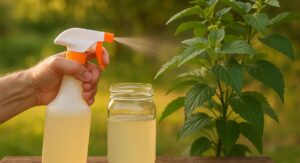
This is the part most people really need — a clear, step-by-step guide to actually making and applying castile soap for plants correctly.
Basic Insecticidal Soap Spray
What you need:
- 1 tablespoon of pure liquid castile soap (unscented)
- 1 quart (32 oz) of water
- A spray bottle
Steps:
Step 1: Mix gently. Combine the castile soap and water in your spray bottle. Shake gently—you don’t want a lot of foam.
Step 2: Do a patch test. Before spraying the whole plant, apply the solution to 2-3 leaves and wait 24-48 hours. If you see yellowing, spotting, or wilting, dilute the mix further.
Step 3: Spray in the morning or evening. Never spray in direct midday sun. The heat causes the solution to evaporate too quickly and can burn leaves. Early morning gives the plant time to dry before nightfall.
Step 4: Target the undersides of leaves. Most pests live on the undersides of leaves. Flip the leaves and spray there first.
Step 5: Coat thoroughly but don’t drench. The goal is good coverage, not rivers of soap running off the plant.
Step 6: Repeat every 5-7 days. Soap spray works on contact — it doesn’t have residual killing power once it dries. Plan for 3-4 applications for a full pest cycle.
Neem Oil + Castile Soap Spray (For Fungal Issues and Persistent Pests)
- 1 tablespoon neem oil
- 1 teaspoon castile soap (acts as an emulsifier)
- 1 quart of warm water
Mix the soap with water first, then add the neem oil. Shake before each use. This combination is especially effective for powdery mildew, spider mites, and aphids.
Soil Drench for Fungus Gnats
- 1-2 teaspoons castile soap
- 1 gallon of water
Water your plants with this solution once a week for 2-3 weeks. It disrupts the larvae living in the soil without harming the plant’s roots at normal dilution.
Safe Dilution Ratios at a Glance
| Use Case | Castile Soap | Water |
| General insect spray | 1 tbsp | 1 quart |
| Delicate/sensitive plants | 1 tsp | 1 quart |
| Soil drench (fungus gnats) | 1-2 tsp | 1 gallon |
| Leaf cleaning | ½ tsp | 1 quart |
| Neem oil emulsifier | 1 tsp | 1 quart |
Prevention Tips for a Healthier Garden
The best pest control is prevention. Use this checklist to keep problems from starting in the first place:
- Quarantine new plants for 1-2 weeks before introducing them to your collection
- Water at the base of plants, not on the foliage
- Allow soil to partially dry between waterings to discourage fungus gnats
- Wipe indoor plant leaves monthly to remove dust and spot early pest activity
- Space plants to allow air circulation between them
- Inspect the undersides of leaves weekly during growing season
- Use well-draining soil and pots with drainage holes
- Feed plants appropriately—healthy, well-nourished plants resist pests better
- Remove dead or dying leaves promptly to eliminate pest hiding spots
- Keep outdoor garden tools clean to avoid spreading disease between plants
Common Mistakes to Avoid
Even with a gentle product like castile soap, it’s easy to make mistakes that damage your plants instead of helping them. Watch out for these:
- Using too much soap. More is not better. Concentrations above 2% can burn leaves, strip protective coatings, and cause more harm than any pest would.
- Using scented varieties without testing. Essential oils in scented castile soaps can be phytotoxic—especially peppermint and tea tree. Always patch-test first.
- Spraying in direct sunlight or high heat. The combination of soap and UV rays accelerates leaf burn. Spray during cooler parts of the day.
- Using hard water. Hard water (high in calcium and magnesium) reacts with the fatty acids in castile soap and creates a filmy residue that can clog leaf pores. Use filtered or distilled water if possible.
- Spraying beneficial insects. Castile soap isn’t selective — it will kill ladybugs, lacewings, and bees just as easily as aphids. Spray carefully and avoid open flowers where pollinators feed.
- Not repeating applications. A single spray won’t eliminate a pest infestation. You need multiple rounds to break the pest lifecycle.
- Using dish soap instead of castile soap. Dish soaps contain harsh detergents, degreasers, and synthetic additives that can seriously damage plants. Always use true castile soap.
Expert Tips
Here are some practical insights from experienced gardeners who’ve been using castile soap for plants for years:
Add a few drops of vegetable glycerin. It helps the solution stick to leaves longer, especially on waxy-leaved plants like succulents or citrus.
Always shake before spraying. Soap and water separate quickly. A quick shake before each use ensures an even mix.
Rinse plants after treatment on hot days. If temperatures climb above 90°F after you’ve sprayed, give plants a gentle rinse with plain water a few hours later to prevent leaf burn.
Combine with sticky traps for fungus gnats. Soap drenches kill larvae in soil, but yellow sticky traps catch the adult gnats flying around. Use both together for the fastest results.
Store leftover spray in the fridge. Castile soap solutions can go bad in a few days at room temperature. A cool, dark spot extends their usable life.
Don’t use on ferns, succulents, or cacti without testing. These plants are especially sensitive to soap. Always do a patch test and lean toward the lowest dilution ratio.
Use rainwater when possible. Rainwater is naturally soft, which pairs better with castile soap than hard tap water and prevents that white residue buildup.
Frequently Asked Questions
Q1: Is castile soap safe for all plants?
Castile soap is safe for most plants when properly diluted, but some sensitive plants — like ferns, certain succulents, and seedlings — can show signs of damage. Always do a 24-48 hour patch test on a few leaves before treating the whole plant.
Q2: How often should I spray castile soap on plants?
For active pest infestations, spray every 5-7 days for 3-4 rounds. For prevention, once every 2-3 weeks during growing season is typically enough.
Q3: Can I use castile soap on vegetable gardens?
Yes, castile soap is safe for food crops. It breaks down quickly and leaves no harmful residue. Just rinse your vegetables before eating as you normally would.
Q4: Will castile soap kill beneficial insects like ladybugs?
Unfortunately, yes. Castile soap kills on contact regardless of whether the insect is harmful or helpful. Try to spray in the early morning or evening when pollinators are less active, and avoid spraying on open flowers.
Q5: What concentration of castile soap is safe for plants?
A dilution of 1-2% is generally safe — that’s about 1 tablespoon per quart of water. For sensitive plants, go lower, around ½ to 1 teaspoon per quart.
Q6: Can I mix castile soap with neem oil for plants?
Absolutely. Castile soap acts as an emulsifier that helps neem oil mix with water. This combination is one of the most effective natural treatments for both pest control and fungal issues.
Q7: Why is my plant turning yellow after I sprayed Castile soap?
Yellowing after spraying usually means the solution was too concentrated, you sprayed in direct sunlight, or the plant is particularly sensitive to soap. Rinse the plant immediately with plain water and reduce the soap concentration for future applications.
Q8: Can castile soap kill plant roots if it gets in the soil?
At very high concentrations, yes. But at proper dilution levels (1-2 tsp per gallon for soil drenches), it’s generally safe and is actually used intentionally for fungus gnat larvae control.
Q9: Does castile soap expire?
Pure liquid castile soap has a shelf life of around 3 years. Once diluted into a spray solution, use it within a week for best results and store it in a cool, dark place.
Conclusion
Castile soap for plants is one of those genuinely useful tools that belongs in every gardener’s toolkit — whether you’re tending a windowsill herb garden or managing a full backyard vegetable plot.
It’s affordable, biodegradable, and surprisingly effective against some of the most common and frustrating plant pests. From aphids to spider mites to fungus gnats, a simple diluted spray can make a real difference without the risks that come with synthetic pesticides.
That said, it’s not a miracle cure, and it does require a bit of care to use correctly. Dilute it properly, avoid spraying in harsh sunlight, be mindful of beneficial insects, and repeat applications regularly. When you use it right, castile soap for plants is a powerful ally.
The most important thing is to start simple. Mix up a small batch, do your patch test, and see how your plants respond. Most gardeners are pleasantly surprised by how well it works.
So the next time you spot aphids clustering on your roses or find mealybugs making themselves at home on your monstera, you know exactly what to reach for. A little castile soap, some water, and a bit of consistency can get your plants back on track—naturally.
Key Takeaways
- Castile soap is plant-based and biodegradable — safe for use around food crops, children, and pets when diluted properly.
- It works by suffocating soft-bodied insects like aphids, spider mites, whiteflies, and mealybugs on contact.
- The standard dilution is 1 tablespoon per quart of water for most plants; use less for sensitive varieties.
- Always patch test on a few leaves before treating the whole plant, especially with scented formulas.
- Spray in the morning or evening — never in direct midday sun — to prevent leaf burn.
- Repeat applications every 5-7 days for 3-4 rounds to fully break the pest life cycle.
- Avoid using dish soap as a substitute — it contains harsh detergents that can seriously damage plants.
- Combine with neem oil for enhanced effectiveness against both pests and fungal diseases.
- Hard water reduces effectiveness — use filtered or distilled water when possible.
- Prevention is always better than treatment — regular plant inspections and good cultural practices reduce pest pressure significantly.