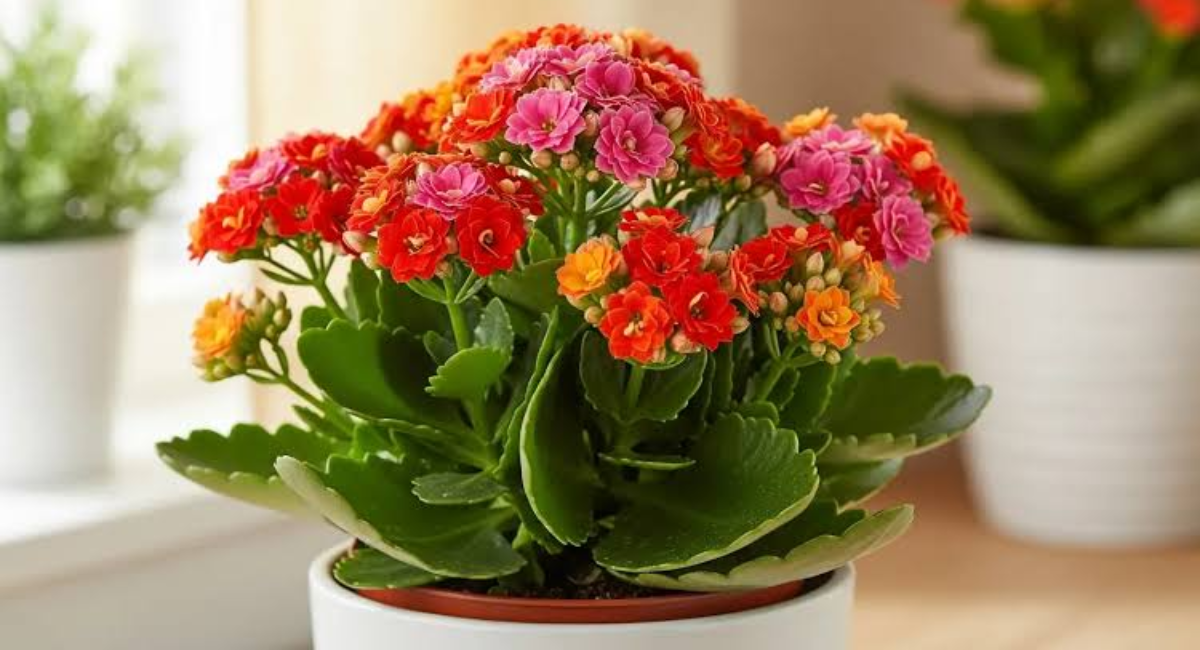
I remember placing my very first kalanchoe on a sunny windowsill, convinced I was doing everything right. Despite the bright light, regular watering, and attractive pot, the leaves soon turned yellow and soft. I later discovered I had created ideal conditions for root rot, a problem that can damage roots before visible symptoms appear. That experience sparked my interest in Kalanchoe Plant Care and led me to learn exactly what this popular flowering succulent needs to stay healthy, vibrant, and long-lasting indoors.
Over the following years, I tested different watering methods, soil blends, light conditions, and fertilizer schedules to better understand Kalanchoe Plant Care. I watched plants recover from powdery mildew, bacterial soft rot, spider mite infestations, and yellowing leaves. Along the way, I learned which conditions encourage disease, which problems spread fastest in humid environments, and which simple habits — such as allowing the soil to dry between waterings — help transform a struggling kalanchoe into a healthy plant with vibrant, long-lasting blooms.
Master Kalanchoe Plant Care today and grow healthier plants with vibrant blooms, stronger growth, fewer problems, and lasting beauty indoors.
Kalanchoe Plant Care Basics Every Serious Gardener Needs:
Understanding the fundamental biology of kalanchoe plant care is the single most important step any grower can take before purchasing this plant or attempting to revive a struggling one. The kalanchoe belongs to the Crassulaceae family, a group of succulent plants originally from the dry, sun-drenched landscapes of Madagascar and tropical Africa.
The kalanchoe plant care journey begins with the right setup. Choose a pot that is only one to two inches wider than the root ball, because oversized pots hold excess moisture around the roots far longer than necessary, dramatically increasing the risk of root rot and the harmful fungal microorganisms that thrive in anaerobic, waterlogged conditions. Always ensure your pot has at least one large drainage hole — preferably two or three — so water flows freely out of the root zone after each watering session.
Kalanchoe Plant Care Watering Methods to Prevent Root Rot:
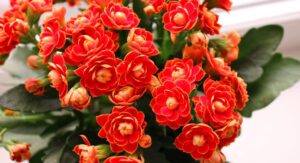
Watering is the area where more kalanchoe plant care mistakes happen than in any other aspect of cultivation, and understanding exactly why overwatering is so destructive helps growers develop the patience and restraint this plant demands. When soil remains wet for extended periods, oxygen is displaced from the air pockets between soil particles. The roots of your kalanchoe, deprived of oxygen, begin to suffocate and die. Dead root tissue then becomes colonized by pathogenic microorganisms — particularly water mold fungi from the genera Pythium and Phytophthora — that spread rapidly through the root system, turning healthy white roots into brown, black, mushy tissue that can no longer absorb water or nutrients.#
The correct Kalanchoe Watering Guide watering method is to thoroughly drench the soil until water flows freely from the drainage holes, and then wait — completely and patiently — until the top one to two inches of soil are bone dry before watering again. In warm summer months with good light, this typically means watering every seven to ten days.
| Watering Factor | Spring Season | Summer Season | Fall Season | Winter Season |
| Watering Frequency | Every 8–10 days | Every 7–9 days | Every 12–16 days | Every 18–24 days |
| Soil Dryness Check | Top 1 inch dry | Top 1 inch dry | Top 1.5 inches dry | Top 2 inches dry |
| Water Volume | Deep and thorough | Deep and thorough | Moderate amount | Light amount |
| Fertilizer Included | Yes, monthly | Yes, monthly | No fertilizer | No fertilizer |
| Root Rot Risk | Moderate | Low to moderate | Moderate to high | Highest risk |
| Signs of Overwatering | Yellow leaves, soft stems | Mushy base, mold odor | Leaf drop, soggy soil | Root blackening, collapse |
| Signs of Underwatering | Wrinkled leaves, dry crisp edges | Shriveled leaves, dull color | Leaf curl, slow growth | Bone-dry soil, dormancy |
| Recommended Pot | Terracotta preferred | Terracotta preferred | Terracotta preferred | Terracotta preferred |
| Humidity Consideration | Low to moderate acceptable | Low preferred | Low preferred | Very low preferred |
| Post-Watering Action | Drain fully 30 minutes | Drain fully 30 minutes | Drain fully, check base | Drain fully, monitor closely |
Kalanchoe Plant Care Light Exposure for Vigorous Blooming Growth:
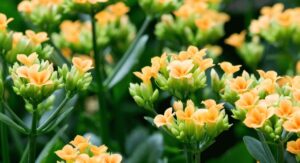
Light management sits at the very heart of successful kalanchoe plant care, influencing not only the plant’s overall health and growth rate but also its ability to produce the vivid, long-lasting blooms that make this plant such a beloved houseplant worldwide. Kalanchoe is classified as a short-day plant — meaning it requires an extended period of darkness, specifically around fourteen hours per night for approximately six consecutive weeks, to trigger the hormonal signals that initiate flower bud formation. Understanding this photoperiodism is essential for growers who want their kalanchoe to rebloom reliably each year rather than producing only a single flush of flowers and then sitting dormant and green indefinitely without further display.
During its active growing phase, Kalanchoe Watering Guide requires a minimum of six hours of bright, indirect sunlight daily. A position near a south-facing or east-facing window, where light is bright but not harsh and direct, is ideal for most interior environmen
Bright natural sunlight filtered through a sheer curtain or bounced off a light-colored interior wall provides the ideal spectrum and intensity for kalanchoe plant care. Morning light from an east-facing window is especially gentle and beneficial, delivering the photosynthetic energy the plant needs without the heat stress associated with intense afternoon sun exposure during summer months.
2. Grow Light Setup:
When natural light is insufficient — as it commonly is during northern winters or in apartments with limited window exposure — a full-spectrum LED grow light positioned six to twelve inches above the plant for ten to twelve hours daily provides an excellent substitute. Use a programmable timer to maintain the consistent light cycle that kalanchoe plant care demands, and switch to a longer darkness period of fourteen hours when you want to encourage reblooming in the fall or early winter months after the growing season has concluded.
3. Seasonal Light Changes:
As seasons shift, your kalanchoe plant care light strategy must adapt accordingly. In summer, move the plant away from intense south-facing windows to prevent heat and UV stress that weakens the plant’s immune response, making it more susceptible to viral infections and opportunistic fungal pathogens. In winter, bring it as close to the brightest available window as possible to compensate for the dramatically reduced daylight hours and lower light angle that significantly reduces photosynthetic efficiency during colder months.
Kalanchoe Plant Care Soil Composition for Healthy Root Systems:
The growing medium is the physical foundation upon which all kalanchoe plant care success is built, and getting the soil composition exactly right is one of the most impactful decisions you will make for your plant’s long-term health and disease resistance. A poor soil choice — one that holds too much moisture or compacts over time — creates the chronically wet root environment where harmful microorganisms flourish and where root rot progresses silently until the damage is irreversible. The ideal soil for Kalanchoe Watering Guide mimics the fast-draining, gritty, mineral-rich soils of the plant’s native Madagascar habitat, where rain drains almost immediately and roots are never sitting in standing water for more than a few minutes after rainfall events.
The most reliable soil blend for kalanchoe plant care combines two parts commercial cactus and succulent potting mix with one part coarse perlite and one part coarse sand or horticultural grit. This mixture drains exceptionally quickly, stays light and airy rather than compacting, and provides the excellent aeration around roots that prevents the anaerobic conditions favored by pathogenic bacteria and water mold fungi. Avoid garden soil entirely — it is far too heavy and dense, compacts badly in containers, and often harbors weed seeds, soil-borne pathogens, and a range of harmful microorganisms that can devastate a kalanchoe root system within weeks of repotting.
1. Correct pH Range:
Kalanchoe plant care thrives when soil pH stays within the slightly acidic to neutral range of 6.0 to 6.5. Within this range, essential nutrients including nitrogen, phosphorus, potassium, calcium, magnesium, and iron remain chemically available for root absorption. When pH drifts outside this range — especially becoming too alkaline above 7.0 — critical micronutrients become locked in the soil and unavailable to roots, causing the yellowing, spotting, and stunted growth symptoms that mimic disease but are actually a nutritional deficiency that soil acidification can quickly resolve.
Choosing the Right Container:
Container selection is a genuinely important component of kalanchoe plant care that is often underestimated by beginners who focus exclusively on watering and light. Terracotta pots, with their natural porosity, allow moisture to evaporate through the pot walls as well as through the soil surface, which dramatically speeds up the drying cycle between waterings and reduces the window of opportunity for root rot-causing fungal microorganisms to establish themselves. Choose pots with multiple drainage holes, and place a small piece of window screen or mesh over the holes to prevent soil from washing out while still allowing excellent drainage with every watering session.
Repotting Schedule:
Repotting every two years is an essential maintenance practice in kalanchoe plant care because over time, old potting soil breaks down, becomes compacted, loses drainage efficiency, and accumulates harmful levels of fertilizer salts that damage sensitive root tips. When repotting, gently remove the plant, shake off all old soil from the roots, and inspect the entire root system carefully. Use clean, sterilized scissors to remove any roots that are brown, soft, shriveled, or show signs of rot. Dust all cut surfaces with powdered cinnamon, which contains cinnamaldehyde — a naturally occurring antifungal compound — before planting in the fresh, dry soil mixture.
Kalanchoe Plant Care Common Diseases Identification and Treatment:
Even the most attentive kalanchoe plant care practitioner will eventually face disease challenges, because the right combination of environmental conditions — high humidity, poor air circulation, excess moisture, temperature stress — can allow normally suppressed pathogenic organisms to overwhelm a plant’s natural defenses. Knowing how to identify the most common diseases quickly and respond with the appropriate treatment is the difference between losing a plant and saving it with only minor lasting damage.
- Powdery Mildew: This common fungal infection appears as a white or grayish powdery coating on leaf surfaces, stems, and flower buds, caused by species of the Erysiphaceae family that thrive in moderate temperatures with poor air circulation around the plant. Treat immediately by spraying all affected surfaces with a solution of one teaspoon of baking soda dissolved in one quart of water, or apply diluted neem oil every seven days until symptoms are completely clear.
- Root Rot: Caused primarily by Pythium and Phytophthora microorganisms in waterlogged soil, root rot turns roots brown and mushy, disrupts nutrient transport, and causes yellow leaves, soft collapsing stems, and eventual plant death if not caught and treated immediately with repotting and root removal.
- Botrytis Gray Mold: A fungal pathogen that produces fuzzy gray-brown mold on flowers, stems, and leaves during cool, damp, low-light conditions, Botrytis spreads rapidly through spore dispersal and must be controlled by removing all affected tissue and dramatically improving air circulation around the plant.
- Bacterial Soft Rot: Caused by Erwinia and Pectobacterium bacteria, this devastating disease turns affected tissue water-soaked, translucent, slimy, and foul-smelling within days. There is no effective treatment — affected plants must be discarded, and all tools and containers must be thoroughly sterilized to prevent spread.
- Stem Rot at Soil Level: A fungal disease often caused by Fusarium or Rhizoctonia species that attacks the stem at or just below the soil surface, causing the stem to turn brown, constrict, and eventually collapse. Treat with copper-based fungicide, improve drainage, and reduce watering frequency immediately upon first symptom observation.
Kalanchoe Plant Care Yellow Leaves Diagnosis and Complete Solutions:
Yellow leaves represent one of the most frequently reported symptoms in kalanchoe plant care, and their appearance sends growers into immediate panic — but the good news is that once you correctly identify the underlying cause, yellow leaf problems are almost always reversible with swift, targeted intervention. The challenge lies in the fact that many completely different problems produce virtually identical yellowing symptoms, which means a systematic diagnostic approach is essential rather than simply guessing and applying a random treatment that may make the actual underlying problem worse rather than better.
Begin your diagnosis by examining where the yellowing is occurring on the plant. If lower, older leaves are yellowing and dropping while upper leaves remain green and healthy, this is most likely natural aging — a completely normal process that r
1. Identifying Nitrogen Deficiency:
Nitrogen deficiency in kalanchoe plant care causes a distinctive pattern of yellowing that begins in the oldest, lowest leaves first and progresses slowly upward through the plant as the deficiency worsens over weeks and months. The yellowing is uniform across the entire leaf surface — not spotty or patchy — and affected leaves eventually drop cleanly. Apply a balanced liquid fertilizer containing adequate nitrogen levels at half the recommended strength every four weeks during spring and summer to correct and prevent this deficiency from recurring season after season.
2. Diagnosing Root Rot Early:
The earliest signs of root rot in kalanchoe plant care often go unnoticed until the damage is already severe, because the destruction begins underground where it cannot be seen. The first above-ground symptom is usually a slight general yellowing of multiple leaves simultaneously, often accompanied by a musty, earthy, or slightly sour smell coming from the soil surface. As rot progresses, stems become soft and spongy at the base, leaves drop with minimal resistance when touched, and the plant loses its upright posture and begins to lean or collapse. At the first suspicion of root rot, remove the plant from its pot immediately and inspect all roots.
3. Understanding Leaf Aging Process:
Not every instance of yellow leaves in Kalanchoe Watering Guide represents a problem requiring intervention, and understanding the natural lifecycle of kalanchoe leaves helps growers avoid unnecessary panic and inappropriate treatment responses. Kalanchoe naturally drops its oldest, lowest leaves on a cyclical basis as the plant redirects energy away from aging tissue and toward new growth at the growing tips. This process typically affects only one or two leaves at a time, proceeds slowly, and is accompanied by no other symptoms whatsoever — the rest of the plant looks completely healthy, the soil is appropriately dry, the stems are firm, and new growth is emerging normally at the top of the plant.
Kalanchoe Plant Care Fertilizing Program for Maximum Growth:
Providing the right nutrition at the right time is an integral part of comprehensive kalanchoe plant care that directly influences the plant’s ability to produce strong growth, resist disease, and generate the abundant flower displays that make this plant so popular among houseplant enthusiasts worldwide. Like all living organisms, kalanchoe requires a balanced supply of macro and micronutrients to sustain cellular functions, build structural tissues, synthesize chlorophyll for photosynthesis, and maintain the immune responses that protect against pathogenic bacteria, harmful fungi, and opportunistic viral infections that can devastate a nutritionally weakened plant.
During the active growing season — generally from early spring through late summer — fertilize your kalanchoe once per month using a balanced water-soluble fertilizer with an NPK ratio of 20-20-20, diluted to exactly half the concentration recommended on the product label. The half-strength dilution is critically important because kalanchoe roots are relatively sensitive compared to other houseplants, and full-strength fertilizer applications cause chemical burn, salt accumulation, and root tip damage that paradoxically reduces the plant’s ability to absorb the very nutrients you are trying to provide. Completely stop all fertilization from late fall through winter, when the plant’s metabolic rate slows significantly and its nutrient requirements drop to near zero.
1. Using Organic Fertilizers:
Organic fertilizer options offer several practical advantages for kalanchoe plant care compared to synthetic alternatives, particularly in terms of reducing the risk of salt buildup and chemical root burn that can occur with concentrated synthetic products. Worm castings applied as a top dressing at a ratio of one part castings to four parts soil surface area release nutrients slowly and steadily over several months, feed beneficial soil microorganisms that compete with harmful pathogens, and improve overall soil structure and drainage efficiency over time. Compost tea, brewed by steeping finished compost in aerated water for twenty-four to forty-eight hours, provides a broad spectrum of micronutrients and beneficial microorganisms that support root health and natural disease suppression throughout the growing season.
2. Phosphorus for Better Blooming:
Transitioning to a phosphorus-heavy fertilizer formula in the weeks leading up to your planned reblooming period is a highly effective strategy in advanced kalanchoe plant care for encouraging the robust, colorful flower displays that make this plant so visually spectacular. A fertilizer with an NPK ratio of 5-10-5 or 3-12-6, applied monthly during late summer and early fall, provides the elevated phosphorus levels that stimulate flower bud initiation, support strong root system development, and enhance the plant’s overall energy efficiency during the demanding blooming cycle when significant resources are redirected from vegetative growth to flower production and maintenance.
3. Soil Flushing Technique:
One of the most overlooked maintenance practices in Kalanchoe Watering Guide is the periodic flushing of accumulated fertilizer salts from the root zone, which builds up steadily with each synthetic fertilizer application and reaches damaging concentrations if left unaddressed over multiple growing seasons. Every three to four months, water your kalanchoe wit#
Kalanchoe Plant Care Pest Management and Protection Strategies:
Effective pest management is an ongoing responsibility in comprehensive kalanchoe plant care, because virtually every pest that attacks houseplants will eventually find its way to your kalanchoe if conditions allow it to take hold and reproduce unchecked. Beyond the direct physical damage that piercing, sucking, and chewing pests cause to leaves, stems, and roots, there is the critically important secondary concern of disease transmission — many pest insects carry fungal spores, bacterial pathogens, and plant viruses on their bodies and mouthparts, introducing these harmful microorganisms directly into the plant’s vascular system through feeding wounds that bypass the plant’s natural surface defenses entirely.
- Mealybugs: These small, waxy, white cottony insects cluster in leaf axils, along stem joints, and beneath leaves, sucking plant sap and excreting honeydew that promotes black sooty mold fungal growth; remove visible bugs with 70% isopropyl alcohol on a cotton swab, then apply neem oil spray thoroughly every seven days for three consecutive weeks.
- Spider Mites: Barely visible to the naked eye, spider mites thrive in hot, dry indoor conditions and cause fine stippling, bronzing, and eventual leaf drop; treat with insecticidal soap spray applied to all leaf surfaces including undersides, and improve air circulation immediately to create less favorable conditions for their rapid reproduction.
- Aphids: Soft-bodied, pear-shaped insects that cluster on new growth and flower stems, weakening plants through sap removal and transmitting viral diseases between plants; remove by rinsing with a strong stream of water, then follow with diluted neem oil applied weekly until populations are completely eliminated.
- Fungal Gnats: Adult gnats are harmless, but their larvae live in moist soil and feed on roots and root hairs, damaging the plant’s ability to absorb water and nutrients while creating wounds that allow bacterial root infections to enter; control by allowing soil to dry completely between waterings, and apply a hydrogen peroxide soil drench (one part 3% hydrogen peroxide to four parts water) to kill larvae.
- Scale Insects: Hard or soft-bodied scale insects attach firmly to stems and leaf undersides, creating yellow spots at feeding sites and excreting honeydew; scrape off with an old toothbrush, apply horticultural oil spray to all plant surfaces, and inspect the undersides of all leaves and the crevices of all stem joints weekly for several months following initial treatment.
Kalanchoe Plant Care Propagation Techniques for New Healthy Plants:
Propagation is one of the most deeply satisfying aspects of advanced kalanchoe plant care, allowing you to multiply your favorite healthy specimens into multiple new plants at virtually no cost while simultaneously renewing older, woody parent plants that have lost their compact, bushy shape after several years of growth. Kalanchoe propagates readily through multiple methods — stem cuttings, leaf cuttings, and in the case of Kalanchoe daigremontiana and related species, through the tiny plantlets that form naturally along the leaf margins — giving growers flexible options depending on the material available and the number of new plants desired.
For stem cutting propagation, select a healthy stem with at least three sets of mature leaves, measuring approximately three to five inches in length. Using a pair of sharp, clean scissors or pruning shears sterilized with 70% isopropyl alcohol before use, make a clean cut just below a leaf node. Remove all leaves from the bottom two inches of the cutting to expose a clean length of bare stem, and allow the cut surface to air-dry in a warm, shaded location for twenty-four to forty-eight hours.
This callusing period is not optional — it is absolutely essential for preventing the fungal infections and bacterial rots that most commonly kill cuttings when they are planted immediately after cutting while the wound is still fresh and vulnerable. Once calloused, plant the cutting approximately one inch deep in a slightly moist cactus mix, place in bright indirect light, and resist the urge to water for the first five to seven days. Roots develop within two to four weeks, after which normal Kalanchoe Watering Guide routines can be established and maintained.
For long-term parent plant health and rejuvenation, practice regular deadheading by pinching spent flower clusters off at their base as soon as blooms begin to fade and brown. This directs the plant’s energy resources away from seed production and toward robust vegetative growth and root system development, resulting in denser, fuller plants with significantly stronger disease resistance. Additionally, pruning excessively leggy or woody stems back by one-third to one-half of their length in early spring stimulates branching from dormant lateral buds, producing the compact, multi-stemmed form that is both more aesthetically pleasing and structurally better able to support the weight of multiple simultaneous flower clusters during the next blooming cycle.
Conclusion
Kalanchoe plant care is a genuinely rewarding practice when approached with the right knowledge, consistent attention, and respect for this plant’s natural biology and preferences. From mastering the watering schedule that prevents root rot to understanding the light cycles that trigger spectacular blooming, from identifying yellow leaves and fungal infections to battling bacterial diseases and microscopic pest threats, every element of kalanchoe plant care contributes to a plant that rewards your effort with vibrant, long-lasting beauty.
FAQ’s
Q1: How frequently should watering occur in kalanchoe plant care routines?
Water every seven to ten days in summer; reduce significantly to every three weeks during winter for healthy kalanchoe plant care.
Q2: What causes yellow leaves in my kalanchoe plant care practice?
Yellow leaves in kalanchoe plant care result from overwatering, root rot, nutrient deficiency, or insufficient light reaching the plant.
Q3: Which soil mixture works best for kalanchoe plant care success?
A blend of cactus mix with added perlite drains perfectly and forms the essential foundation of successful kalanchoe plant care always.
Q4: How is root rot treated within a kalanchoe plant care program?
Remove the plant, trim all rotten roots completely, then repot in fresh dry soil as part of proper kalanchoe plant care recovery.
Q5: What causes powdery mildew during kalanchoe plant care routines?
Powdery mildew in kalanchoe plant care develops from poor air circulation combined with moderate humidity encouraging fungal microorganism growth indoors.
Q6: How do I trigger reblooming in my kalanchoe plant care schedule?
Provide fourteen consecutive hours of complete darkness nightly for six weeks to successfully trigger blooming in your kalanchoe plant care cycle.
Q7: Can insect pests seriously damage kalanchoe plant care results?
Absolutely — mealybugs, spider mites, and aphids weaken plants and transmit disease in every kalanchoe plant care environment worldwide.
Q8: Which fertilizer formula supports the best kalanchoe plant care outcomes?
A balanced 20-20-20 liquid fertilizer diluted to half strength monthly during spring and summer delivers outstanding kalanchoe plant care nutrition.
Q9: What is the most reliable propagation method in kalanchoe plant care?
Stem cuttings calloused for forty-eight hours before planting produce the most reliable, disease-free results in any kalanchoe plant care propagation attempt.
Summary
Kalanchoe plant care encompasses every aspect of growing this remarkable succulent successfully — from understanding its native habitat and biological preferences to mastering watering discipline that prevents devastating root rot. Consistent kalanchoe plant care means managing light cycles for reliable blooming, selecting the right soil to prevent disease, and identifying yellow leaves and fungal infections before they cause irreversible damage. Whether you are combating bacterial infections, viral diseases, or microscopic harmful microorganisms in the root zone, applying these evidence-based kalanchoe plant care principles positions your plant for extraordinary, long-term health, vitality, and the spectacular blooming displays that make the kalanchoe one of the most beloved and rewarding houseplants in the entire world.