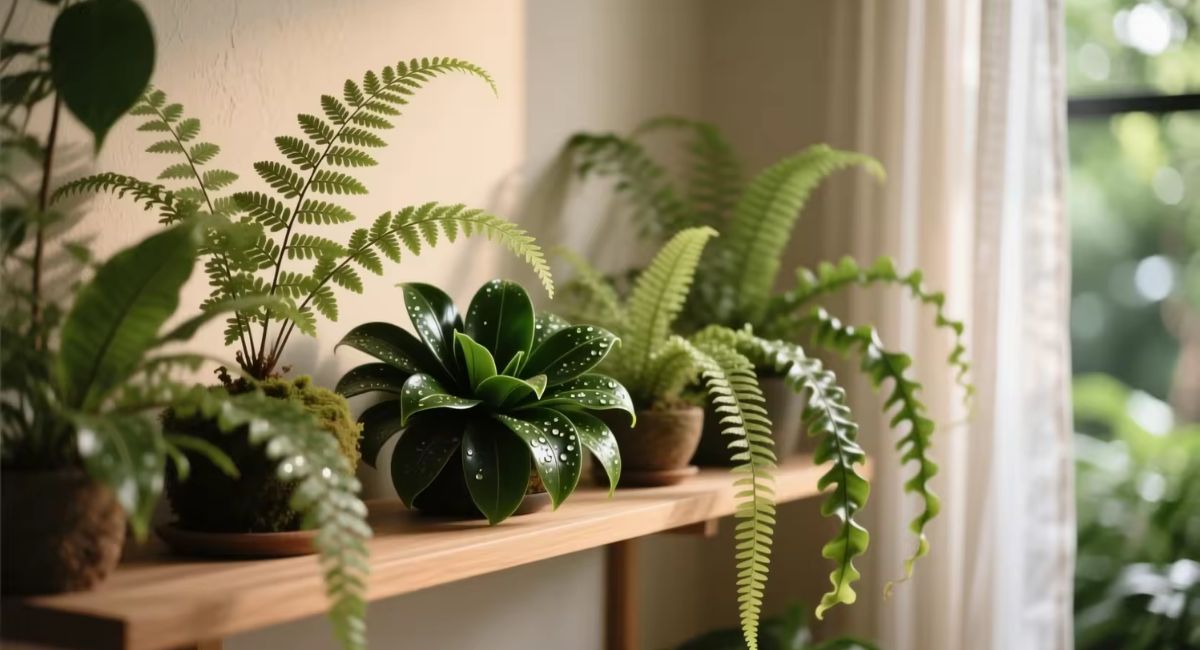
When I moved into my first apartment, I was determined to fill it with plants. I started with succulents—big mistake for someone with no south-facing windows. A friend suggested I try a fern house plant instead, saying ferns actually love lower light and humidity. I picked up a Boston fern from a farmer’s market, hung it in my bathroom, and within two weeks, the thing had doubled in size. I was stunned. That one fern turned into a collection of seven different varieties, and honestly, my apartment has never looked better. Ferns changed everything for me as a plant parent.
A fern house plant brings timeless beauty and a fresh, woodland feel to any indoor space. With their graceful, feathery fronds, ferns have been popular houseplants for generations. Although many people believe ferns are difficult to grow, they simply need the right balance of light, humidity, and moisture to thrive. Once you understand their basic needs, they become some of the most rewarding indoor plants to care for. In this guide, you’ll discover the best fern varieties, essential care tips, common problems and solutions, and expert advice to help your fern house plant stay healthy, green, and beautiful year-round.
Discover the best fern house plant varieties, care tips, common problems, and expert advice for thriving indoor ferns everywhere.
Table of Contents
- What Is a Fern House Plant?
- Popular Types and Varieties of Fern House Plants
- Benefits of Growing a Fern House Plant Indoors
- Common Problems, Signs, and Symptoms
- Causes of These Problems
- How to Care for a Fern House Plant: Step-by-Step
- Prevention Tips
- Common Mistakes to Avoid
- Expert Tips for Lush, Healthy Ferns
- Frequently Asked Questions
- Conclusion
- Key Takeaways
What Is a Fern House Plant?
A fern house plant is any fern species grown indoors as a decorative or air-purifying plant. Ferns belong to a group of ancient vascular plants that reproduce via spores rather than seeds or flowers. They’ve been around for over 360 million years — long before flowering plants existed — and they’ve adapted to thrive in shaded, humid forest environments around the world.
What makes a fern houseplant so appealing is its texture. Those delicate, divided fronds create a softness that most other houseplants simply can’t match. They add depth, movement, and a sense of natural calm to any interior space.
Ferns don’t produce flowers or fruit, but what they lack in blooms they more than make up for in foliage. The fronds can range from fine and lacy to broad and bold, depending on the species.
Most fern house plants prefer indirect light, consistent moisture, and higher humidity—conditions that mimic the forest floors they come from naturally. Understanding that basic formula is the foundation of successful fern care.
Indoors, ferns work beautifully in hanging baskets, on shelves, in bathrooms, on plant stands, and even as tabletop centerpieces. They’re versatile, visually striking, and — when cared for properly — surprisingly easy to maintain.
Popular Types and Varieties of Fern House Plants
One of the most exciting things about growing a fern house plant is how many varieties are available. Each one has its own look and slightly different care needs.
Classic Varieties
- Boston Fern (Nephrolepis exaltata)—The most popular fern house plant by far. Long, arching fronds with soft, feathery leaflets. Perfect for hanging baskets. Loves humidity and indirect light.
- Maidenhair Fern (Adiantum raddianum) — Delicate black stems and tiny, fan-shaped leaflets that flutter in the slightest breeze. Stunning but more demanding — it needs consistent moisture and warmth.
- Bird’s Nest Fern (Asplenium nidus) — Bold, wide, strap-like fronds that unfurl from a central rosette. One of the most forgiving fern house plants—it tolerates lower humidity better than most.
- Staghorn Fern (Platycerium bifurcatum)—A showstopper with distinctive, antler-shaped fronds. Often mounted on wood boards and displayed like living wall art. Needs good air circulation.
- Kimberly Queen Fern (Nephrolepis obliterata) — A tidier, more upright alternative to the Boston fern. Less prone to shedding and easier to maintain indoors.
Unusual and Stated Varieties
- Blue Star Fern (Phlebodium aureum) — Silvery-blue fronds with a waxy texture. Surprisingly drought-tolerant for a fern. Great for beginners.
- Crocodile Fern (Microsorum musifolium) — Textured fronds that genuinely look like crocodile skin. A real conversation starter.
- Button Fern (Pellaea rotundifolia) — Compact with round, dark green leaflets on arching stems. Tolerates lower humidity than most fern house plants—great for drier homes.
- Rabbit’s Foot Fern (Davallia fejeensis) — Furry, silver rhizomes creep over the pot’s edge like tiny animal feet. Unique and endlessly charming.
- Asparagus Fern (Asparagus setaceus)—Technically not a true fern, but widely sold as one. Feathery, wispy texture with excellent indoor adaptability.
Benefits of Growing a Fern House Plant Indoors
Beyond their obvious good looks, fern house plants offer some genuinely practical benefits that make them worth keeping around.
- Air purification—NASA’s Clean Air Study found that several fern varieties effectively remove indoor air pollutants, including formaldehyde, xylene, and toluene—common chemicals found in furniture, paint, and cleaning products.
- Natural humidifiers — Ferns release moisture through their fronds via a process called transpiration. In dry indoor environments, a few fern house plants can noticeably increase ambient humidity.
- Low light adaptability — Most fern houseplants thrive in indirect or filtered light, making them ideal for rooms with smaller windows or north-facing exposures where sun-loving plants struggle.
- Mental health benefits — Study after study shows that having living plants indoors reduces stress, improves focus, and boosts mood. The lush, soft texture of fern fronds is particularly calming to look at.
- Non-toxic to pets and children—True ferns (Nephrolepis, Asplenium, Adiantum, etc.) are considered non-toxic to cats and dogs according to the ASPCA, making them one of the safer houseplant choices for pet owners.
- Excellent for bathrooms — The naturally high humidity in bathrooms makes them a perfect microclimate for ferns. A fern house plant in the bathroom is both decorative and practical.
- Biodiversity support — Even indoors, ferns support tiny beneficial organisms in the soil and contribute to a healthier indoor ecosystem.
- Long lifespan—With proper care, a fern house plant can live for many years, even decades. Boston ferns, in particular, are known to be passed down through generations as heirloom plants.
- Allergy-friendly — Unlike flowering plants, ferns don’t produce pollen. This makes a fern house plant a smart choice for allergy sufferers.
- Versatile décor element—Ferns work in virtually any decorating style—bohemian, Scandinavian, traditional, or contemporary. Their natural green beauty complements almost any color palette or furniture style.
Common Problems, Signs, and Symptoms
Even well-cared-for fern house plants run into trouble sometimes. Knowing what to look for helps you catch problems early and fix them before they get serious.
Browning Fronds
This is the most common complaint about any fern house plant. Brown tips usually signal low humidity or inconsistent watering. Brown all-over fronds often indicate underwatering, too much direct sun, or cold drafts.
Yellowing Leaves
Yellow fronds typically mean overwatering, poor drainage, or occasionally a nutrient deficiency. If the soil stays soggy for days after watering, root rot may already be developing.
Drooping or Wilting
A drooping fern houseplant is usually either underwatered (soil is bone dry) or overwatered (roots are rotting). Check the soil before you react—the solution is opposite depending on the cause.
Frond Drop
Ferns sometimes shed fronds dramatically when stressed by a sudden environmental change—being moved, a temperature drop, or being repotted. A little shedding after a move is normal; a heavy, ongoing drop is a warning sign.
Pale, Washed-Out Color
If a fern house plant’s normally deep green fronds turn pale or yellowish-green, it’s often getting too much direct light. Move it to a spot with brighter indirect light rather than direct sun.
Fungal Diseases
- Root rot (Pythium, Phytophthora) — Caused by overwatering and poor drainage. Roots turn dark, mushy, and slimy. The plant collapses at the base.
- Leaf spot — Brown or tan circular spots on fronds, often with a yellow halo. Caused by fungal or bacterial pathogens, usually worsened by wet foliage.
- Powdery mildew — White powdery coating on fronds. Less common in ferns than in other plants, but can appear in stuffy, poorly ventilated rooms.
Pest Problems
- Scale insects — Brown, shell-like bumps on stems and fronds. Suck sap and excrete sticky honeydew.
- Mealybugs — White cottony clusters in leaf joints and at the base of fronds.
- Fungus gnats—tiny flies hovering around soil. Their larvae feed on roots and organic matter in the potting mix.
- Spider mites — Fine webbing between fronds, with stippled, dull-looking foliage. Thrive in hot, dry conditions—the opposite of what a fern houseplant prefers, so good conditions help prevent these.
Causes of These Problems
Understanding the root cause of each issue is the fastest way to fix it and prevent it from happening again.
- Low humidity—The single most common cause of brown tips and frond drop in a fern house plant. Most homes run at 30–50% relative humidity; most ferns want 50–80%.
- Inconsistent watering — Ferns don’t like to dry out completely, but they also can’t sit in water. Boom-and-bust watering cycles stress the plant significantly.
- Overwatering — The number-one killer of potted ferns. Heavy, poorly draining soil that stays wet leads directly to root rot.
- Direct sunlight — Ferns evolved under forest canopies. Direct sun bleaches fronds and causes rapid moisture loss.
- Cold drafts or heat vents—Both extremes stress a fern houseplant. Cold air from windows in winter and dry heat from HVAC vents both damage fronds.
- Using the wrong soil — Heavy potting soil that compacts and holds too much water is a common problem. Ferns need a light, airy, well-draining mix.
- Overfertilizing — Too much fertilizer causes salt buildup in the soil, which burns roots and causes browning leaf tips.
- Contaminated water — Tap water high in chlorine or fluoride can cause tip burn on sensitive fern species like maidenhair ferns.
How to Care for a Fern House Plant: Step-by-Step
Follow this routine, and your fern house plant will have every reason to thrive.
Step 1: Choose the Right Spot
Place your fern house plant in bright, indirect light. An east-facing window is ideal — gentle morning sun followed by shade. North-facing windows work well for shade-tolerant varieties like the bird’s nest fern. Keep all ferns away from south- or west-facing windows where direct afternoon sun hits the glass.
Step 2: Get the Soil Right
Use a high-quality, well-draining potting mix. A blend of regular potting soil with added perlite (about 20–30%) gives ferns the airy, moisture-retentive but well-draining environment their roots love. Avoid heavy garden soil, which compacts and suffocates roots in containers.
Step 3: Water Consistently
Check soil moisture every 2–3 days by pressing a finger about an inch into the soil. Water when the top inch feels slightly dry—never wait for the soil to go completely dry. Water thoroughly until it drains from the bottom, then empty the saucer so the plant isn’t sitting in water.
For sensitive species like maidenhair ferns, use filtered water or let tap water sit overnight before using it — this allows chlorine to dissipate.
Step 4: Boost Humidity
This is the step most people skip—and the one that makes the biggest difference for any fern houseplant.
Options include:
- Pebble tray with water — Place the pot on a tray filled with pebbles and water. As the water evaporates, it raises humidity around the plant.
- Regular misting — Lightly mist fronds in the morning so they dry before evening.
- Room humidifier — The most effective solution. Even a small, affordable humidifier near your plants can transform how well your fern house plant grows.
- Bathroom placement — If you have enough indirect light, bathrooms are naturally humid and ideal for ferns.
Step 5: Fertilize Lightly
Feed your fern house plant with a balanced liquid fertilizer (10-10-10 or 20-20-20) diluted to half strength. Apply once a month during spring and summer. Skip fertilizing in fall and winter when the plant’s growth naturally slows. Never fertilize a stressed, dry, or recently repotted plant.
Step 6: Repot When Needed
Ferns grow best when slightly root-bound, so don’t rush to repot. When you see roots growing out of the drainage holes or the plant dries out very quickly after watering, it’s time. Move up only one pot size at a time, using fresh potting mix. Repot in spring when the plant is entering its active growing season.
Step 7: Prune Dead or Damaged Fronds
Remove any brown, yellow, or dead fronds by cutting them cleanly at the base with clean scissors. This keeps the plant looking neat and redirects energy to healthy new growth. Don’t pull fronds off — always cut to avoid damaging the crown.
Prevention Tips
Keep your fern houseplant problem-free with this practical prevention checklist.
- Keep your fern in bright, indirect light—no direct sun
- Water before the soil dries out completely, but never let it sit in standing water
- Maintain humidity above 50% — use a pebble tray or humidifier
- Keep ferns away from heating vents, air conditioners, and drafty windows
- Use well-draining potting mix with added perlite
- Fertilize at half strength — never full strength — during the growing season only
- Inspect plants monthly for early signs of pests
- Clean fronds occasionally with a damp cloth to remove dust and improve light absorption
- Never use leaf shine products on fern fronds—they clog pores
- Keep temperatures between 60°F and 75°F for most varieties
Common Mistakes to Avoid
These are the errors that trip up even well-intentioned fern houseplant owners most often.
- Misting instead of humidifying—Misting is superficial moisture and can encourage fungal leaf spots. It’s not a substitute for proper humidity levels.
- Putting a fern in direct sun — Even an hour of direct afternoon sun can scorch fern fronds. Always filter the light or choose a north/east-facing spot.
- Using a pot without drainage holes — Standing water at the bottom of a pot is a fast track to root rot. Always use pots with drainage, and never let water pool in the saucer.
- Overfeeding — Ferns are light feeders. Full-strength fertilizer causes salt buildup that burns roots and tips. Always dilute.
- Ignoring brown tips early—Brown spread if the underlying cause (low humidity, fluoride in water, direct sun) isn’t addressed. Fix the conditions as soon as you notice tips browning.
- Repotting too often or into a pot that’s too large—A too-big pot holds excess moisture that the roots can’t use quickly, leading to root rot. Move up one size only when truly needed.
- Placing near fruits — Ripening fruit releases ethylene gas, which speeds up leaf aging in nearby plants. Keep ferns away from the fruit bowl.
Expert Tips for Lush, Healthy Ferns
Group your ferns together. Plants naturally raise humidity around themselves through transpiration. Grouping several fern houseplants together creates a microclimate that benefits all of them—the humidity in that little cluster can be noticeably higher than the rest of the room.
Choose the right fern for your home’s humidity. If you live in a dry climate or run the heat heavily in winter, start with a bird’s nest fern or blue star fern rather than a maidenhair fern. Picking a species that suits your existing conditions is far easier than trying to dramatically change your whole home’s environment.
Water quality matters more than most people think. If your fern house plant keeps getting brown tips despite good humidity and consistent watering, switch to filtered water or rainwater. Fluoride and chlorine sensitivities are real, especially in delicate species.
Give them a summer vacation. Many fern houseplants benefit from spending summer outdoors in a shaded spot—under a tree, on a covered porch, or against a north-facing wall. The increased natural humidity, airflow, and indirect light often produces a dramatic improvement in growth. Just bring them back inside before nighttime temperatures drop below 55°F.
Shower your fern occasionally. Placing a fern house plant in the shower and giving it a gentle lukewarm rinse washes off dust, dislodges pests, and gives fronds a moisture boost that makes a visible difference within days.
Use self-watering pots. For busy plant parents, self-watering containers with a reservoir at the bottom take a lot of the guesswork out of moisture management. Boston ferns in particular do very well in self-watering planters.
FAQ’s
Q1: How often should I water a fern houseplant?
Most fern house plants need watering every 2–4 days, depending on pot size, soil type, humidity, and temperature. The best approach is to check the soil rather than follow a rigid schedule. Water when the top inch of soil feels just barely dry. During winter, when growth slows, you can stretch to weekly watering for many varieties.
Q2: Why are the tips of my fern turning brown?
Brown tips on a fern house plant are almost always caused by low humidity, inconsistent watering, direct sun exposure, fluoride or chlorine in tap water, or overfertilizing. The fix depends on the cause—raise humidity levels, switch to filtered water, move the plant away from direct sun, and make sure you’re diluting fertilizer properly.
Q3: Can a fern houseplant survive in low light?
Some fern varieties tolerate lower light better than others. The bird’s nest fern, button fern, and blue star fern are among the best choices for lower-light conditions. No fern truly thrives in darkness, though—they’ll need some bright, indirect light to grow well. If your space is very dark, a grow light for a few hours a day makes a significant difference.
Q4: Are fern house plants safe for cats and dogs?
True ferns — including Boston ferns, bird’s nest ferns, and maidenhair ferns — are listed as non-toxic to cats and dogs by the ASPCA. However, the asparagus fern (which is technically not a true fern but is commonly sold as one) is toxic to pets. Always verify the specific variety you’re buying if you have animals in your home.
Q5: How do I get rid of fungus gnats on my fern house plant?
Fungus gnats breed in moist soil. Let the soil surface dry out slightly between waterings to break their life cycle. ly a layer of sand or fine gravel on top of the soil to discourage egg-laying. Yellow sticky traps catch adult gnats. For severe infestations, water with a diluted neem oil solution or a product containing Bacillus thuringiensis israelensis (Bti), which kills larvae without harming the plant.
Q6: Do fern house plants need fertilizer?
Yes, but lightly. During spring and summer, feed your fern houseplant with a balanced liquid fertilizer diluted to half the recommended strength, once a month. In fall and winter, stop fertilizing entirely. Too much fertilizer is worse than too little for ferns — it causes salt buildup that damages roots and causes brown tips.
Q7: How do I know if my fern house plant is rootbound?
Signs of a rootbound fern include roots growing out of drainage holes, the plant wilting very quickly after watering even in good conditions, or roots visibly circling the inside of the pot when you carefully remove the plant. When you see these signs, it’s time to repot into a container one size larger with fresh potting mix.
Q8: Can I propagate a fern houseplant at home?
Yes! The easiest method for most fern house plants is division. When repotting, carefully separate the root mass into two or more sections, each with healthy fronds attached, and pot each section separately. Some ferns also propagate via runners (Boston fern) or rhizomes (rabbit’s foot fern). Growing ferns from spores is possible but much slower and more complex.
Conclusion
A fern houseplant is one of the most rewarding things you can bring into your home—but only when you understand what it actually needs. Give it bright indirect light, consistent moisture, and decent humidity, and it will reward you with lush, feathery growth that transforms any room. The good news is that most fern problems — brown tips, yellowing fronds, drooping, pests — have straightforward causes and equally straightforward solutions. Once you know the signs, you can catch issues early and fix them before real damage sets in.
Key Takeaways
| Topic | Key Information |
| Best light | Bright, indirect light—east- or north-facing windows |
| Watering frequency | Every 2–4 days; check soil before watering |
| Ideal humidity | 50–80% — use pebble tray, misting, or humidifier |
| Best temperature range | 60°F–75°F; avoid cold drafts and heat vents |
| Best beginner varieties | Boston fern, bird’s nest fern, blue star fern |
| Most challenging variety | Maidenhair fern—needs high humidity and warmth |
| Fertilizing schedule | Half-strength liquid fertilizer, monthly in spring/summer only |
| Most common problem | Brown tips — usually low humidity or fluoride in tap water |
| Pet-safe? | True ferns are non-toxic to cats and dogs (ASPCA) |
| Best placement | Bathroom with indirect light, away from vents and drafts |
| Propagation method | Division during repotting; some via runners or rhizomes |
| Signs it needs repotting | Roots out of drainage holes; wilts quickly after watering |