I still remember bringing home my first lemon grass plant from a nursery, full of hope but no real knowledge of its needs. Within weeks, the leaves turned yellow and the base softened, making me think I had killed it. That experience pushed me to learn about soil, plant health, and microbiology. After several seasons of trial, observation, and learning from mistakes, my lemon grass is now one of the healthiest plants in my garden, and I want to help others avoid those early errors.
The lemon grass plant (Cymbopogon citratus) is one of the most celebrated aromatic herbs in the world, valued in kitchens, medicine, and essential oil production. Despite its reputation for toughness, it is often misunderstood by home growers who face yellowing leaves, wilting, root rot, and fungal infections without clear solutions. Every visible symptom is a biological signal of an underlying issue. This guide covers soil preparation, drainage, watering science, disease identification, pest control, seasonal care, and harvesting methods for long-term healthy growth.
Every symptom your lemon grass plant shows is a precise biological message — learn its language and never lose clumps again.
Lemon Grass Plant Origins, Varieties, and Growth Habit Explained:
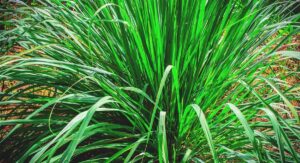
The lemon grass plant originates in the tropical regions of South Asia and Southeast Asia, where consistently high temperatures, monsoon rainfall, and rich alluvial soils create ideal growing conditions. It belongs to the grass family Poaceae and is closely related to other aromatic grasses like citronella and palmarosa. Its natural habitat gives important clues about its cultivation needs: it wants warmth, moisture during active growth, good air movement, and
Two primary species dominate home cultivation and commercial production. Cymbopogon citratus, the West Indian variety, is the one most commonly sold in nurseries and used in cooking — its fat, pale stalks carry the bold citrus flavor that chefs prize. Cymbopogon flexuosus, the East Indian variety, grows taller and thinner and is preferred by the essential oil industry for its higher citral content. Both share fundamentally similar care requirements, though the West Indian type tends to be slightly more sensitive to waterlogging and cold. A third species, Cymbopogon nardus or citronella grass, is widely planted as a mosquito-repelling companion plant and thrives under nearly identical conditions, making it a natural garden neighbor for your culinary clumps.
| Growing Attribute | Optimal Range | Warning Signs | Corrective Action |
| Soil pH | 6.0 – 7.0 | Yellow leaves, stunted growth | Amend with lime or elemental sulfur |
| Watering Frequency | 2–3 times per week | Root rot, sudden wilting | Improve drainage, reduce sessions |
| Daily Sunlight | 6–8 hours direct sun | Pale, leggy, thin stalks | Relocate to a full-sun position |
| Temperature Range | 20–35°C (68–95°F) | Browning tips in cold snaps | Mulch roots heavily before winter |
| Relative Humidity | 50–80% | Fungal spots appearing on leaves | Thin clump, improve air circulation |
| Fertilizer N-P-K | 10-5-5 monthly | Pale green color, no new growth | Apply nitrogen-rich liquid fertilizer |
| Container Diameter | 12–16 inches minimum | Root-bound, yellowing all over | Repot into a larger container |
| Pruning Frequency | Every 6–8 weeks | Dense inner stalks, disease buildup | Thin center clump aggressively |
| Mulch Layer Depth | 5–8 cm (2–3 inches) | Dry cracked soil, heat stress | Add fresh organic straw mulch |
| Repotting Cycle | Every 18–24 months | Cracked pot, no new shoots | Divide clump and replant divisions |
Lemon Grass Plant Soil Preparation, Drainage, and Root Zone Health:

Nothing matters more to the long-term health of a lemon grass plant than the quality of the soil it grows in. The ideal growing medium is loose, loamy, and rich in decomposed organic matter — a blend that holds just enough moisture to sustain root activity between watering sessions without ever becoming waterlogged.
Clay-heavy soils are the enemy of healthy root development: they compact over time, exclude the oxygen that roots need to respire, and create stagnant wet pockets where anaerobic bacteria and water-mold pathogens thrive unchecked. Before planting, always test your native soil and amend it generously with coarse sand or perlite for drainage, aged compost for nutrients and microbial life, and perhaps a handful of biochar to improve water retention without sacrificing aeration. This foundation work, done once at planting time, pays dividends for years.
Beyond the physical structure of the soil, the biological ecosystem surrounding a lemon grass plant is equally important. A thriving garden soil contains billions of microorganisms per teaspoon — bacteria, fungi, protozoa, nematodes, and actinomycetes — all interacting in a web of relationships that either support or undermine your plant’s health. When the soil ecosystem is balanced and diverse, beneficial organisms outcompete pathogens, break down organic matter into plant-available nutrients, and even produce natural antibiotics that suppress disease.
When it is disrupted by overuse of synthetic pesticides, excessive tilling, or chronic waterlogging, the balance tips toward harmful organisms. Building your soil’s microbial diversity through compost additions, organic mulches, and minimal disturbance is one of the highest-leverage practices available to any grower working with moisture-sensitive herbs.
Lemon Grass Plant Watering Science for Consistent and Healthy Growth:
Watering is the single area where the majority of growers go wrong with this herb. Getting the moisture balance right — adequate hydration without saturation — is absolutely fundamental to long-term vitality and maximum aromatic oil production.
1. Deep Watering:
The lemon grass plant responds dramatically better to infrequent, deep watering sessions than to light, frequent sprinkles that wet only the top layer of soil. When you water deeply, moisture penetrates to the lower root zone, encouraging the fibrous root system to grow downward into the cooler, more stable layers of the soil profile. This deep root architecture makes the plant far more resilient during dry periods and protects it from surface-level temperature extremes.
A practical technique is to water slowly at the base of the plant until you see moisture beginning to emerge from the drainage holes of your container or until the soil feels moist to a depth of at least 15 centimeters in a garden bed. Always allow the top 5 centimeters of soil to dry out completely before the next watering session to prevent fungal diseases from establishing in the warm, damp upper root zone where spore germination rates are highest.
2. Drought Stress:
When the lemon grass plant experiences prolonged water stress, it communicates distress through a predictable sequence of symptoms. Leaf tips begin to curl inward as the plant attempts to reduce transpiration surface area. The color shifts from a vibrant, waxy green to a duller, slightly grayish green. As stress intensifies, tips turn brown and crispy, and older leaves begin to die back from the outer edges of the clump. What many growers fail to recognize is that drought-stressed plants are also immunologically compromised — their natural defenses against bacterial infections and opportunistic fungal pathogens are significantly reduced.
Bacteria that would normally be kept in check by healthy root exudates find easy entry points through the dried, cracked tissue at the base of water-stressed stalks, turning a recoverable moisture problem into a serious disease issue that requires much more intervention to correct. This is why preventing drought in your lemon grass plant is always easier than treating its downstream consequences.
3. Root Rot Signs:
Root rot is perhaps the most feared problem among growers of moisture-sensitive herbs, and the lemon grass plant is fully susceptible when drainage is inadequate. The primary culprits are not true fungi but oomycetes — water-mold organisms including Pythium and Phytophthora species that thrive in oxygen-depleted, waterlogged soils. Symptoms develop insidiously: the outer leaves of the clump may look fine while the stalks at the very base become dark, soft, and slimy. A characteristic sour or fermented odor rises from the soil. When you gently pull an affected stalk, the base detaches easily with no resistance, revealing blackened, decayed root tissue beneath.
Leaves that were green yesterday may yellow and collapse within 48 hours once vascular transport through the roots is sufficiently disrupted. At this point, the most effective response is to carefully dig the entire clump, rinse the roots under running water, trim away all diseased tissue with a sterilized knife, and replant in fresh, well-draining soil with a surface drench of hydrogen peroxide solution to suppress remaining pathogen populations.
Lemon Grass Plant Diseases Fungal Infections, Bacteria, and Viruses:
Disease recognition and management is an essential skill for any grower who wants to keep harvesting from the same clump for multiple seasons. Knowing what each pathogen looks like, how it spreads, and which treatments are most effective saves both time and plants.
1. Fungal Blight:
Helminthosporium leaf blight is the most commonly encountered and economically damaging fungal disease of this herb in humid climates. It enters leaf tissue through natural openings and wounds, producing characteristic oval lesions that first appear water-soaked and pale green before progressing to tan or brown necrotic patches surrounded by narrow yellow halos. In warm, humid conditions with poor air movement, individual lesions merge rapidly until entire leaves collapse and die.
The pathogen produces vast quantities of airborne spores that spread to neighboring plants through wind, splash irrigation, and contaminated tools. Integrated management begins with cultural controls: spacing plants at least 60 centimeters apart, switching from overhead to drip irrigation, and removing infected leaves at the first sign of symptoms. When chemical intervention is needed, copper-based fungicides and neem oil applied at 10-day intervals provide effective suppression. Rotating between different fungicide classes prevents the development of resistant pathogen strains over time.
2. Bacterial Wilt:
Bacterial diseases of the lemon grass plant are less common than fungal ones but considerably more difficult to manage once established. Xanthomonas and Pseudomonas species are the primary bacterial pathogens involved, entering plant tissue through wounds caused by harvesting tools, insect feeding damage, or the natural leaf openings called stomata. The classic presentation is rapid wilting of individual stalks or entire clumps even when soil moisture is adequate — a diagnostic clue that vascular tissue rather than root function is compromised.
When you cut an infected stalk transversely and place the cut end in clean water, a milky bacterial ooze will stream from the vascular bundles within seconds, confirming bacterial rather than fungal causation. There is no effective chemical treatment once bacterial wilt is established inside the vascular system. Infected material must be removed and destroyed — not composted — immediately, and the surrounding soil should be drenched with a diluted bleach solution to reduce the reservoir of bacteria that could infect future plants.
3. Viral Mosaic:
Viral infections in grasses and grass-family herbs are increasingly well documented, and your herb is not immune. Mosaic viruses — typically transmitted by sap-sucking insects, primarily aphids, thrips, and whiteflies — produce highly distinctive visual symptoms that differ markedly from both fungal and bacterial disease patterns. Rather than discrete lesions or wilting, viral infection causes a systemic disruption of chlorophyll synthesis that results in irregular patches, streaks, or mottled patterns of light green and yellow distributed across the leaf blade in an unpredictable mosaic-like pattern.
New growth emerges distorted, stunted, or with abnormal curling, and the overall vigor of the plant declines steadily over weeks and months. Since there is no chemical cure for plant viruses — the virus replicates inside every cell of the plant — management is entirely preventive. Controlling the insect vectors through reflective mulches, insecticidal soap sprays, and regular monitoring is the most effective strategy, combined with removing and destroying any plants showing confirmed viral symptoms before they serve as a reservoir infecting nearby healthy growth.
Lemon Grass Plant Yellow Leaves Full Diagnosis and Treatment Guide:
Yellowing leaves are the most frequently reported concern among growers of this herb, and for good reason — the symptom is visible, alarming, and can indicate any of half a dozen different underlying problems that each require a different remedy.
1. Nitrogen Deficit:
Nitrogen deficiency is one of the most common nutritional disorders affecting fast-growing, leafy herbs, and this particular herb — with its rapid production of tall, chlorophyll-rich blades — is especially vulnerable when not regularly fertilized. The deficiency presents in a characteristic pattern: older leaves at the base and outer edges of the clump yellow first while newer growth emerging from the center may remain acceptably green, because the plant preferentially redirects its limited nitrogen supply toward developing tissues. In severe cases, the yellow progresses to pale cream and the affected leaves die back entirely.
A fast-acting nitrogen supplement such as liquid fish emulsion, diluted urea at 1% concentration, or a balanced slow-release granular fertilizer broadcast around the drip line corrects visible yellowing within 10 to 14 days in most cases. Going forward, a monthly feeding schedule with a nitrogen-forward fertilizer during the growing season prevents recurrence effectively and maintains the deep, saturated green color that signals a well-nourished, actively photosynthesizing plant.
2. Iron Chlorosis:
Iron chlorosis is a nutritional disorder that produces a visually striking and diagnostically distinct yellowing pattern: the tissue between leaf veins turns yellow while the veins themselves remain a sharply contrasting dark green, creating a striped or reticulated appearance. This interveinal chlorosis occurs not because iron is absent from the soil — it is almost always present in adequate quantities — but because high soil pH locks iron into insoluble chemical forms that plant roots cannot absorb. When pH exceeds 7.0 or 7.5, iron precipitates out of the soil solution regardless of how much fertilizer you apply.
The primary correction is pH adjustment: elemental sulfur worked into the soil lowers pH gradually over several weeks, while aluminum sulfate acts more quickly. For immediate symptom relief while the pH correction takes effect, chelated iron applied as a foliar spray bypasses the soil chemistry entirely, delivering bioavailable iron directly through the leaf surface. Recheck soil pH every six months and adjust as needed to maintain the optimal range of 6.0 to 6.8 — doing so keeps your lemon grass plant nutritionally balanced and visually vibrant all season long.
3. Overwatering Damage:
One of the most confusing aspects of diagnosing problems in any garden herb is that overwatering and underwatering can produce nearly identical visible symptoms — and this herb is no exception. When roots are waterlogged and oxygen-deprived, they lose their ability to function as nutrient and water transport organs. The result is a plant that is simultaneously drowning in water and experiencing drought-like stress in its leaves, because the damaged roots cannot move either water or nutrients upward through the stem.
Leaves yellow uniformly across the clump rather than starting at the oldest leaves as in nitrogen deficiency, and the base of the stalks may feel soft or slightly spongy rather than firm and fibrous. The definitive diagnostic test is simple: push your finger or a moisture meter probe 8 to 10 centimeters into the soil. If it is consistently wet there and has been for several days, overwatering is almost certainly your problem. Let the soil dry completely to that depth before watering again, and evaluate whether your current pot, container, or garden bed has adequate drainage to prevent this pattern from repeating.
Lemon Grass Plant Soil Biology Microorganism Benefits and Optimization:
Not every microorganism in your soil is working against you — in fact, the vast majority are neutral or actively beneficial allies. Harnessing this invisible biology is one of the most powerful and underutilized strategies available to organic growers.
1. Mycorrhizal Fungi:
Mycorrhizal fungi form one of the most remarkable partnerships in all of plant biology, and establishing this relationship in your growing medium is one of the highest-value investments you can make when starting a new clump. These fungi colonize the outer cell layers of plant roots and extend a network of ultrafine threads called hyphae outward into the surrounding soil, accessing water and phosphorus from pore spaces and mineral particles far too small for even the finest root hair to reach.
Studies have consistently shown that mycorrhizal-inoculated plants establish faster, withstand drought stress better, and show significantly greater resistance to soil-borne fungal pathogens — because the fungi actively produce antifungal compounds and physically block infection sites on the root surface. Commercial mycorrhizal inoculant powders are widely available and should be dusted directly onto root surfaces at transplanting time, or mixed into the potting medium before planting. Once established, avoid synthetic phosphorus fertilizers which can suppress mycorrhizal colonization by making the plant self-sufficient in phosphorus and reducing its dependence on the fungal partnership.
2. Beneficial Bacteria:
Bacillus subtilis, Bacillus amyloliquefaciens, and various Trichoderma species represent the frontline of biological disease control in the root zone. These beneficial microorganisms are naturally present in healthy garden soils, but their populations are often suppressed by synthetic pesticides, compaction, and poor management practices. Bacillus subtilis produces iturin and fengycin — natural lipopeptide antibiotics that directly inhibit the cell membrane function of Fusarium, Pythium, Phytophthora, and other important pathogens, effectively sterilizing the micro-environment around treated roots.
Trichoderma species are aggressive colonizers that physically outcompete harmful fungi for space on root surfaces while also producing enzymes that break down pathogen cell walls. Commercial biocontrol products containing these organisms can be applied as soil drenches monthly throughout the growing season, providing a consistent, cost-effective layer of biological protection that works synergistically with good cultural practices rather than replacing them.
3. Compost Tea:
Actively aerated compost tea (AACT) is a practical, economical, and highly effective method of amplifying the biological diversity of your growing medium, and it integrates seamlessly into any regular care routine. To make it, place a generous scoop of high-quality finished compost in a mesh bag, submerge it in a bucket of unchlorinated water, and bubble air through the mixture continuously for 24 to 36 hours using an aquarium pump and airstone. The aerobic conditions selectively multiply beneficial bacteria and fungi by factors of thousands, while the compost provides a diverse microbial seed bank and soluble nutrients.
The resulting liquid, which should smell earthy and pleasant — never sour or sulfurous — can be applied as a generous root drench every two to three weeks or sprayed on leaves early in the morning to dry before evening, when fungal germination rates are highest. Regular compost tea applications measurably improve soil structure, accelerate nutrient cycling, suppress opportunistic pathogens through competitive exclusion, and support the kind of vibrant, biologically active root zone that produces the most aromatic and productive plants.
Lemon Grass Plant Pest Management for Organic and Sustainable Gardens:
- Spray cold-pressed neem oil weekly to repel aphids, mites, and thrips attacking foliage.
- Introduce ladybugs and lacewings to naturally control soft-bodied insect populations in your garden.
- Hang sticky yellow traps at canopy height to monitor and reduce whitefly pressure effectively.
- Apply food-grade diatomaceous earth around the base to physically deter crawling pests and slugs.
- Remove dead or diseased stalks promptly because they harbor overwintering fungal spores and insect eggs.
Lemon Grass Plant Harvesting, Pruning, and Division for Maximum Yield:
- Always harvest outer stalks of the lemon grass plant first, keeping the central growing crown intact.
- Cut individual stalks cleanly 5 centimeters above soil level to stimulate vigorous new shoot emergence.
- Divide the clump every two years to prevent overcrowding, improve airflow, and reduce disease pressure.
- Prune yellowed, dead, or diseased outer blades regularly so air moves freely through the clump interior.
- Replant fresh rooted divisions in compost-enriched, well-draining soil for the fastest establishment and recovery.
Lemon Grass Plant Indoor Growing: Containers, Light, and Winter Care:
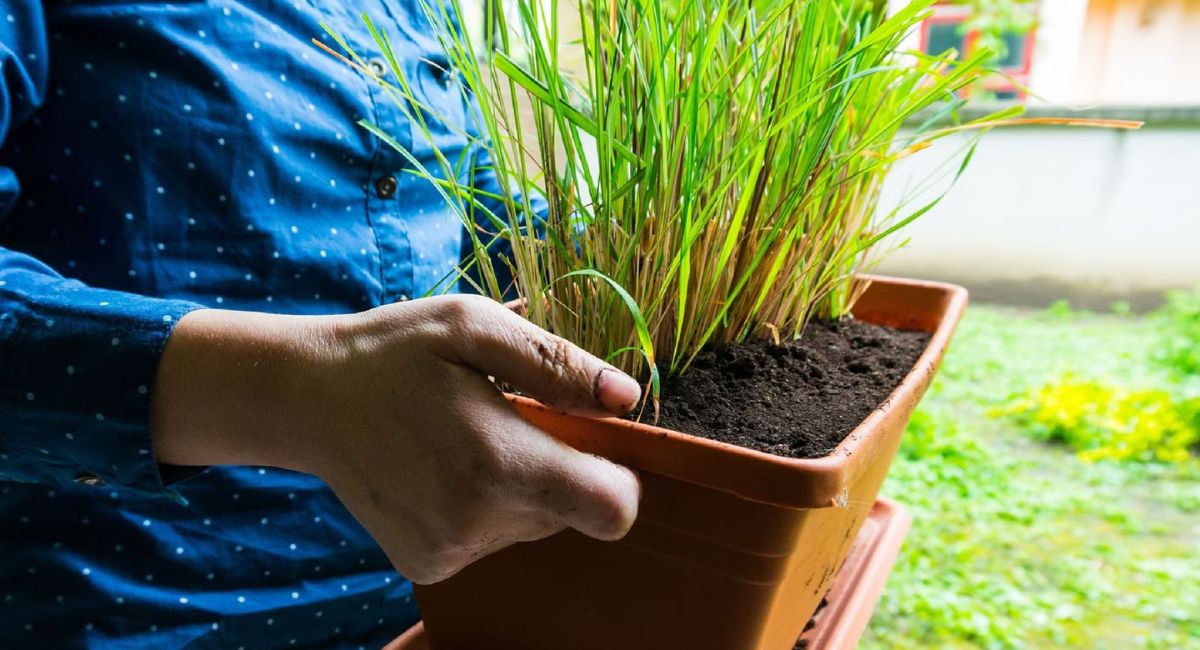
Many gardeners are surprised to discover that the lemon grass plant adapts remarkably well to container growing indoors, provided its core requirements for light and warmth are consistently met. A south- or west-facing window that delivers a minimum of six full hours of direct sunlight daily is the absolute threshold for maintaining a healthy, actively growing specimen indoors.
Container management for indoor specimens requires attention to several factors that outdoor growers rarely need to think about. Pot size is critically important: a container that is too small becomes root-bound within a single season, compressing the root system so severely that nutrient uptake collapses and the plant shows all the classic symptoms of deficiency despite regular fertilization.
Choose a pot at least 30 to 40 centimeters in diameter with generous drainage holes, and plan to step up one size every 18 to 24 months. During winter, reduce watering frequency to once weekly or even less depending on how slowly the medium dries in the cooler, lower-light environment.
Growing a thriving, productive clump is ultimately about understanding the plant on its own terms — as a living biological system with specific needs, predictable responses to stress, and an intimate relationship with the invisible world of soil microorganisms around it. The lemon grass plant rewards attentive, informed growers with abundant harvests, exceptional fragrance, and remarkable longevity when its core requirements of rich drainage, balanced moisture, full sunlight, and consistent nutrition are met. With the disease knowledge, watering science, soil biology insights, and seasonal management strategies covered throughout this guide, you now have everything you need to grow your healthiest clump yet and troubleshoot any problem that arises along the way with confidence.
FAQ’s
Q1. How often should I water my lemon grass plant in summer?
Water your lemon grass plant two to three times weekly, always allowing the topsoil to dry between sessions.
Q2. Why are the leaves on my lemon grass plant turning yellow?
Yellow leaves on a lemon grass plant typically indicate nitrogen deficiency, iron chlorosis, or chronic overwatering damage.
Q3. What causes root rot in the lemon grass plant?
Root rot in the lemon grass plant results from waterlogged soil hosting oomycete pathogens including Pythium and Phytophthora species.
Q4. Can the lemon grass plant survive winter outdoors in cold climates?
It tolerates brief light frosts but must be heavily mulched or moved indoors before sustained freezing temperatures arrive.
Q5. What fungal diseases most commonly threaten the lemon grass plant?
Helminthosporium leaf blight and Fusarium crown rot are the two most destructive fungal diseases affecting this herb.
Q6. Is the lemon grass plant susceptible to viral infections from insects?
Yes — aphids and whiteflies transmit mosaic viruses that cause mottled foliage and severely reduced vigor over time.
Q7. How do I divide and propagate my lemon grass plant correctly?
Dig the entire clump, separate rooted divisions using a sharp spade, then replant immediately in fresh compost-amended soil.
Q8. What is the ideal fertilizer ratio for a lemon grass plant?
A 10-5-5 nitrogen-dominant fertilizer applied monthly during active growth keeps this herb lush, green, and highly productive.
Q9. How do beneficial microorganisms improve lemon grass plant root health?
Mycorrhizae and Bacillus subtilis protect roots from harmful pathogens while dramatically improving nutrient uptake and overall drought resilience.
Summary
The lemon grass plant is a biologically fascinating, commercially valuable, and deeply rewarding herb to grow when you understand the science behind its care. From building the correct soil ecosystem and mastering the art of balanced watering, to identifying and treating fungal infections, bacterial diseases, and viral pathogens before they become catastrophic, every element of successful cultivation connects back to biology rather than guesswork.
This lemon grass plant guide has covered all nine critical areas in depth — from root zone microorganism management to indoor winter care — giving you the diagnostic tools and practical strategies to maintain a vigorous, aromatic clump in any climate or growing situation. The most important lesson is that consistent observation is your greatest tool: check your lemon grass plant regularly, respond early to any change in leaf color, stalk firmness, or soil condition, and you will rarely face a problem that cannot be corrected. Apply these principles with patience and care, and your lemon grass plant will reward you with fragrant, abundant harvests that make every season of cultivation deeply worthwhile.