Have you ever walked into a friend’s living room, noticed a giant glossy leaf covered in strange holes, and wondered what it was—and whether you could grow one yourself without killing it in three weeks?
I killed my first indoor cheese plant by overwatering it. After switching to a “soak and dry” routine and moving it to a brighter window, my second one grew five new leaves in a single summer.
An indoor cheese plant, better known botanically as Monstera deliciosa, is one of the most popular houseplants in American homes today. It’s forgiving, dramatic-looking, and surprisingly easy once you understand its basic needs.
Learn how to grow a healthy indoor cheese plant with this simple, expert-backed beginner care guide.
An indoor cheese plant needs bright, indirect light; weekly watering only when the top two inches of soil are dry; warm temperatures between 65 and 85°F; and monthly feeding during spring and summer. With these basics in place, it will grow quickly and develop its signature split leaves.
Table of Contents
- What Is an Indoor Cheese Plant?
- Why It Matters
- Signs, Features, and Types
- Step-by-Step Guide
- Common Problems and Solutions
- Biggest Myths Debunked
- Expert Recommendations
- Frequently Asked Questions
- Summary
- Conclusion
What Is an Indoor Cheese Plant?
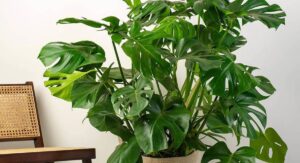
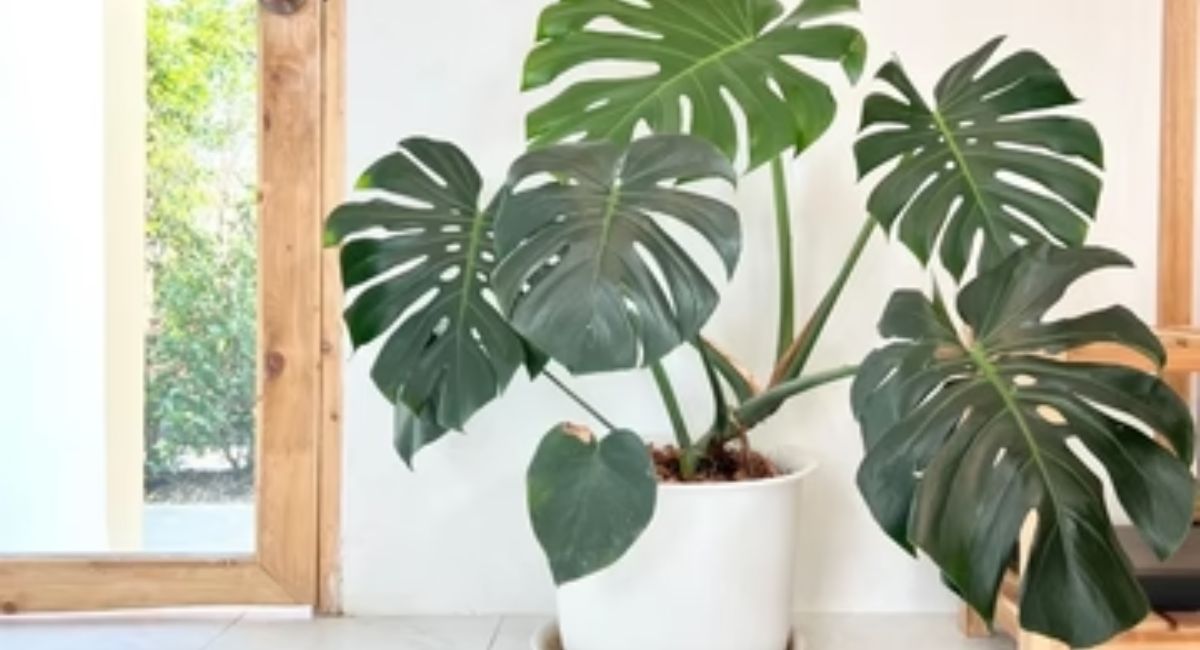
“Monstera deliciosa” is the common nickname for Monstera deliciosa, a tropical vine native to Central America. The name comes from the natural holes and splits that form in mature leaves, which early growers thought resembled Swiss cheese. Today, it’s grown across the United States as a bold statement houseplant.
Unlike many finicky tropical species, this plant adapts well to average home conditions. In the wild it climbs using aerial roots, which is why owners often give it a moss pole to grow upward instead of sprawling. Whether you’re a first-time plant parent or an experienced collector, an indoor cheese plant is a rewarding addition to almost any room.
Why It Matters
Growing an indoor cheese plant does more than fill an empty corner. Horticultural researchers note that indoor plants like this one can help improve air quality and reduce stress simply by being present in a room. It also acts as a natural humidity booster, since its large leaves release moisture through transpiration.
This houseplant is also a long-term investment. With proper care, a single Monstera deliciosa can live for decades, growing taller and fuller each year. Many owners propagate cuttings to share, since mature Monstera cuttings are in high demand.
Signs, Features, and Types
Not every indoor cheese plant looks the same. Common types include:
- Monstera deliciosa – The classic version with large, deeply split leaves.
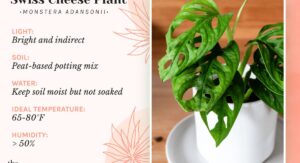
- Monstera adansonii – The “Swiss cheese vine,” a smaller cousin with delicate holes.
- Variegated Monstera – A rarer, pricier option with white or yellow patches.
- Mini Monstera – Not a true Monstera, but often marketed under the same nickname.
A healthy Monstera deliciosa shows firm, upright stems; deep green color; and new leaves unfurling every few weeks. If yours isn’t splitting yet, don’t worry — young plants often grow solid leaves for a year or two first.
Step-by-Step Guide
Follow these steps to keep your indoor cheese plant thriving year-round.
- Choose the right spot. Place it near an east- or south-facing window with bright, indirect light.
- Pick well-draining soil. Use a chunky mix of potting soil, perlite, and orchid bark.
- Water correctly. Water only when the top two inches feel dry, then soak until it drains from the bottom.
- Support the climb. Add a moss pole so the plant can grow upright and develop larger leaves.
- Feed during growing season. Apply a balanced liquid fertilizer once a month from spring through fall.
- Wipe the leaves. Clean the foliage with a damp cloth every few weeks to remove dust.
- Repot every one to two years. Move your Monstera deliciosa into a pot one to two inches larger.
Common Problems and Solutions
Even a well-cared-for indoor cheese plant can run into trouble. Here are the most common issues:
- Yellow leaves: Usually caused by overwatering; let the soil dry out more between waterings.
- Brown, crispy edges: Often a sign of low humidity or too much direct sun.
- No new growth: May mean the plant needs more light or feeding during its growing months.
- Root rot: Repot into fresh soil and trim away mushy roots right away.
- Spider mites: Wipe leaves with insecticidal soap and isolate the plant until resolved.
Biggest Myths Debunked
Several myths surround the indoor cheese plant that can confuse new growers.
Myth 1: It needs constant misting. Misting barely affects humidity — a humidifier works far better.
Myth 2: Cutting leaves encourages more splits. Fenestrations depend on maturity and light, not pruning.
Myth 3: The plant is toxic to touch. The sap can irritate skin or be harmful if eaten, but touching the leaves is not dangerous.
Myth 4: More water means faster growth. Overwatering is the top killer of a Monstera deliciosa, not underwatering.
Expert Recommendations
Horticulturists recommend rotating your indoor cheese plant every couple of weeks so it grows evenly toward the light instead of leaning to one side. Many also suggest starting with a smaller pot, since oversized containers hold excess moisture and raise root rot risk. For faster growth, add a sturdy support structure early, rather than waiting until the vine sprawls across the floor.
FAQ’s
1. How often should I water my indoor cheese plant?
About once a week, checking soil moisture first.
2. Does an indoor cheese plant need direct sunlight?
No, it prefers bright, indirect light rather than direct sun.
3. Why aren’t my indoor cheese plant’s leaves splitting?
Young plants need maturity and strong light before splits appear.
4. Is an indoor cheese plant pet-friendly?
No, it’s mildly toxic to cats and dogs if chewed or eaten.
5. How big can an indoor cheese plant grow indoors?
It can reach six to ten feet tall with proper support.
6. Can I propagate an indoor cheese plant in water?
Yes, stem cuttings root easily in water within a few weeks.
7. What’s the best soil for an indoor cheese plant?
A chunky, well-draining mix with bark and perlite works best.
8. How much daily light does an indoor cheese plant need?
Aim for six or more hours of bright, indirect light.
Summary
An indoor cheese plant, or Monstera deliciosa, is a beginner-friendly tropical houseplant known for its dramatic split leaves. It thrives with bright indirect light, careful watering, well-draining soil, and monthly feeding during the growing season. Yellow leaves or root rot usually stems from overwatering, while slow splitting is simply a matter of age and light. With a sturdy support pole and consistent care, this plant can grow tall and impressive for many years, making it one of the most rewarding houseplants for American homes.
Conclusion
Growing an indoor cheese plant doesn’t have to feel intimidating. Once you understand its light, water, and soil preferences, this tropical favorite practically cares for itself. Whether you’re drawn to its iconic split leaves or its air-purifying benefits, it makes a stunning, low-maintenance addition to any home. Start with the basics covered here, watch for signs of overwatering or low light, and give your plant time to mature. With patience, your Monstera deliciosa will reward you with lush, dramatic growth for years to come.