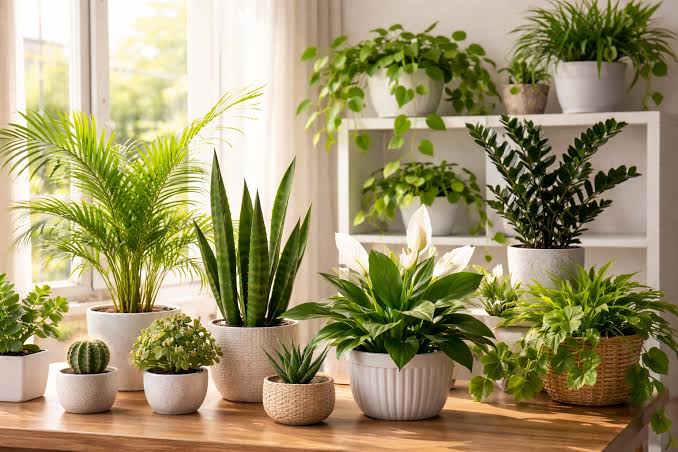
Houseplants can make a home feel calmer, brighter, and more lived in. They can also make a new owner feel defeated when the first leaf turns brown. If you have ever bought a plant with great hopes and watched it decline within weeks, you are in good company. Almost everyone starts that way.
The good news is that indoor plants for beginners do not have to be difficult. A small group of tough, adaptable species handles the conditions found in ordinary American homes, from sunny suburban living rooms to shaded city apartments. These plants forgive missed waterings, tolerate average room temperatures, and keep looking good even when you are still learning.
This guide to indoor plants for beginners walks you through the whole process. You will learn how to read the light in your home, how to pick safe options if you share your space with pets, which ten plants are the easiest to start with, and how to water, feed, and repot without guesswork. You will also find a list of common mistakes, a troubleshooting section, and a simple 30-day plan to get started.
My Personal Experience With Indoor Plants for Beginners
Author note: this section is a template. Replace the bracketed details with your real experience so the article stays honest and personal.
My first plant was a [plant name] from [stores, such as a local nursery or Home Depot]. I placed it on [a shelf far from the window] because the spot looked nice. Within [number] weeks, the leaves were [yellowing or dropping], and I assumed it needed more water. I gave it more, and it got worse.
The turning point came when I stopped guessing. I began checking the soil with my finger, moved the plant closer to the window, and repotted it into a container with drainage holes. [Describe what happened next.] After [timeframe], new growth appeared, and I was hooked.
Three lessons from that experience shaped this guide. Light matters more than almost anything else. Soil moisture is a better guide than a calendar. And choosing easy indoor plants for beginners, rather than a trendy plant with demanding needs, makes the first few months far more enjoyable.
Quick Answer: What Are the Best Indoor Plants for Beginners?
The best indoor plants for beginners are pothos, snake plant, ZZ plant, spider plant, and peace lily. They cope with irregular watering and a wide range of light. Pick one that fits your brightest or dimmest spot, water when the top inch or two of soil is dry, and always use a pot with drainage holes. If you have pets, check the ASPCA plant database first.
How to Choose Indoor Plants for Beginners
Spend ten minutes studying your home before you shop. This step prevents most early failures.
Read the Light in Your Home
Light is the biggest factor in plant success. Walk through your home around midday and notice where sunlight lands.
- Bright light: Within a few feet of a south- or west-facing window. Direct summer sun can scorch some leaves.
- Medium light: Near an east-facing window, or set back from a sunny one.
- Low light: A north-facing window or a room far from any glass. Low light still means some daylight. No plant lives well in a dark closet.
Light also changes with the seasons, which matters for indoor plants for beginners in northern states. A windowsill that is bright in July may be dim in December, especially in northern states with short winter days.
Check Pet and Child Safety
Many common houseplants irritate the mouth and stomach if chewed. The ASPCA lists pothos, philodendron, snake plant, ZZ plant, peace lily, jade plant, and Chinese evergreen as toxic to cats and dogs. It lists spider plant, cast iron plant, and parlor palm as non-toxic. When shopping for indoor plants for beginners, search each plant’s name in the ASPCA database before you buy. If a child or pet eats part of a plant, call Poison Help at 1-800-222-1222 for people, or contact your veterinarian for pets.
10 Easy Indoor Plants for Beginners
Each plant below tolerates mistakes better than most. Use the light and pet notes to build your short list.
- Pothos. This is the classic first plant. Its heart-shaped leaves trail beautifully from shelves and baskets, and it grows in low to bright indirect light. Water when the soil dries out. Cuttings root easily in a glass of water, so you can share or multiply your plant. Pets: toxic.
- Snake plant. Stiff, upright leaves give this plant a modern look. It handles low light and irregular watering, and it is more likely to suffer from too much water than too little. Water about every two to three weeks, and less often in winter. Pets: toxic.
- ZZ plant. Thick underground stems store water, so this plant shrugs off a busy schedule. Its glossy dark leaves suit offices, entryways, and dim apartments. Let the soil dry thoroughly between waterings. Pets: toxic.
- Spider plant. Arching striped leaves and dangling baby plants make this a friendly choice. The “pups” can be snipped off and potted to start new plants. It likes bright, indirect light and moderate, regular watering. Pets: listed as non-toxic by the ASPCA.
- Peace lily. Glossy leaves and white blooms add a softer touch. It tolerates lower light than many flowering plants, although it blooms more in brighter indirect light. When it wilts, water it, and it usually perks up within a day. Pets: toxic.
- Heartleaf philodendron. Similar to pothos, with softer leaves and a trailing habit. It does well in medium light and forgives the occasional dry spell. Pinch stems now and then to keep it full. Pets: toxic.
- Cast iron plant. Its name says it all. This slow grower tolerates low light, uneven watering, and general neglect. It is a strong choice for shady rooms and for pet owners. Pets: listed as non-toxic by the ASPCA.
- Jade plant. A succulent with plump, rounded leaves that store water. Give it a bright window and let the soil dry out completely between waterings. It grows slowly and can live for many years. Pets: toxic.
- Chinese evergreen. Patterned green, silver, or pink-tinged leaves add color without demanding much. It handles low to medium light and regular household conditions. Water when the top inch of soil is dry. Pets: toxic.
- Parlor palm. A soft, feathery palm that adds a tropical feel and tolerates lower light. It grows slowly and likes evenly moist but not soggy soil. Pets: listed as non-toxic by the ASPCA.
Basic Care for Indoor Plants for Beginners
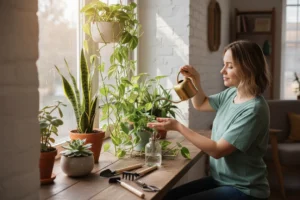
You do not need a complicated routine. Five habits cover most of what a new plant owner needs.
Watering
Overwatering is the most common mistake with indoor plants for beginners. Instead of watering on a fixed day, push your finger into the soil. If the top inch or two feels dry, water thoroughly until water drains out the bottom, then empty the saucer. If the soil still feels damp, wait a few days.
Succulents like jade, and plants like ZZ and snake plant, prefer to dry out more between waterings. Plants with thinner leaves, such as peace lily and spider plant, like more consistent moisture. All plants drink less in winter, when growth slows. Another useful check is the weight of the pot. A freshly watered pot feels heavy, and a dry one feels much lighter.
Light and Placement
Place your indoor plants for beginners according to the light each one prefers, then watch how it responds. Leaves that stretch toward the window or grow sparse and leggy usually want more light. Scorched, bleached, or crispy patches suggest too much direct sun. Rotate pots a quarter turn each week so growth stays even.
Give every new plant a few weeks to settle before moving it, since constant changes can stress it more than an imperfect spot. If a plant needs more light, shift it a foot or two closer to the window instead of making a dramatic jump. In winter, when days are shorter, you may need to move plants closer to the glass, then pull them back in summer to avoid scorching. Sheer curtains soften harsh afternoon sun in south- and west-facing rooms. Wipe dust from leaves every month or two, because a clean surface absorbs more light.
Temperature and Humidity
Most common houseplants do well at normal indoor temperatures, roughly 65 to 80°F. Keep them away from cold drafts, heating vents, and radiators. You do not need a humidifier for most indoor plants for beginners, although tropical plants like peace lily appreciate extra humidity if your home is very dry.
Soil and Pots
Most indoor plants for beginners do well in a quality all-purpose potting mix, while jade prefers a cactus or succulent mix. Always choose a pot with drainage holes. If you love a decorative pot without holes, keep the plant in a plain plastic nursery pot and set it inside the decorative one, emptying excess water after each watering.
Fertilizer and Repotting
Beginners often fertilize too much, and indoor plants for beginners need very little. Feed lightly during spring and summer with a balanced houseplant fertilizer diluted according to the label, and skip it in winter. Repot when roots circle the drainage holes or poke out of the bottom, usually every year or two. Move up to a pot one to two inches wider, and do it in spring when growth is active.
Your 30-Day Plan for Indoor Plants for Beginners
A little structure helps you build habits without feeling overwhelmed.
Week 1: Plan and place. Map the light in your home and choose one or two indoor plants for beginners that fit. Bring them home, check for pests, and place them in the spot you picked. Avoid fussing with them.
Week 2: Learn the soil. Check the soil every few days with your finger, but only water when it feels dry. Notice how long that takes. This is your plant’s real schedule.
Week 3: Observe and adjust. Look for stretching, scorching, or drooping. If a plant seems unhappy, change one thing at a time, such as the placement or the watering, so you can tell what helped.
Week 4: Build the routine. Pick a weekly day to check all your plants, rotate pots, and wipe leaves. By now you should feel more comfortable reading your plants. Consider adding a third plant or rooting a cutting.
Indoor Plants for Beginners in US Homes
Where you live can change which plants do best. Here are some common situations.
- North-facing city apartment: In places like New York or Chicago, many apartments have limited light. Snake plant, ZZ plant, and cast iron plant cope well.
- Sunny Southwest or Texas home: A south- or west-facing window can scorch leaves in summer. Use a sheer curtain, or choose sun lovers like jade plant.
- Pacific Northwest and other gray regions: Long overcast winters make bright windows valuable. Move plants close to the glass, and consider a basic LED grow light.
- Northern states in winter: Short days and dry forced-air heat slow growth and reduce water needs. Keep plants away from vents and check the soil before watering.
Where to Buy Indoor Plants for Beginners
Home Depot, Lowe’s, Trader Joe’s, and Walmart garden sections carry many of the plants above at friendly prices. Local garden centers and independent nurseries often have healthier stock and staff who can answer questions about your specific light.
Common Mistakes With Indoor Plants for Beginners
Almost every plant owner makes these mistakes at first. Knowing them in advance saves time and plants.
- Watering on a rigid schedule. Soil dries at different rates depending on light, season, pot size, and plant type, so check the soil first.
- Choosing the wrong plant for the light. A sun-loving jade plant will struggle in a dark corner, and a low-light snake plant does not need a scorching window.
- Using pots with no drainage. Water collects at the bottom, roots rot, and the plant declines.
- Moving the plant constantly. Plants adjust slowly to new spots. Give a plant a few weeks before deciding it is unhappy.
- Over Fertilizing. More food does not mean faster growth, and too much can burn roots.
- Ignoring pests. Look under leaves and along stems when you water. Early detection makes pests easier to manage.
- Skipping the pet check. Many of the easiest indoor plants for beginners are toxic to pets, so verify before you buy.
Troubleshooting Indoor Plants for Beginners
Plants communicate through their leaves. Here is how to read the most common signs.
- Yellow leaves: Often a sign of overwatering, especially if the soil stays wet. Low light and natural aging of old leaves can also cause yellowing. Check the soil first.
- Brown, crispy tips: Frequently linked to dry air, inconsistent watering, or too much fertilizer. Trim the damaged tips and review your routine.
- Drooping leaves: Can mean thirst or overwatering. Feel the soil before you act. Dry soil calls for water, and soggy soil calls for patience and better drainage.
- Leggy, stretched growth: The plant is reaching for light. Move it closer to a window.
- Sticky leaves or tiny insects: Possible pests. Isolate the plant, wipe the leaves, and ask your local garden center or extension office for treatment options.
Expert Tips for Growing Indoor Plants for Beginners
- Start small. Begin with one or two plants and add more as you gain confidence.
- Observe before reacting. Plants rarely change overnight. Look at the soil, the light, and the leaves before you change anything.
- Wipe the leaves. Dust blocks light, so wipe broad leaves with a damp cloth every month or two.
- Quarantine new plants. Keep new arrivals apart from your other plants for a couple of weeks and watch for pests.
FAQ’s
What are the easiest indoor plants for beginners?
Pothos, snake plant, ZZ plant, spider plant, and cast iron plant are reliable first choices. They tolerate irregular watering and a range of light conditions, which makes them forgiving while you learn.
Which indoor plants for beginners are safe for pets?
The ASPCA lists spider plant, cast iron plant, and parlor palm as non-toxic to cats and dogs. Many other popular plants, including pothos, snake plant, and peace lily, are listed as toxic, so always check the ASPCA database before buying.
How often should I water indoor plants for beginners?
There is no universal schedule. Check the soil with your finger and water when the top inch or two is dry for most plants, or when it is fully dry for succulents, ZZ plants, and snake plants. Expect to water less in winter.
Conclusion
Starting with indoor plants for beginners is the easiest way to build confidence and enjoy a greener home. Choose one or two plants that match your light, learn to read the soil instead of the calendar, and double-check pet safety before you buy. Mistakes will happen, and they are part of learning. With patience and a simple routine, your first plant can become the start of a collection you are proud of.
Summary
Indoor plants for beginners work best when they match your light, forgive missed waterings, and suit your household. This guide explains ten easy picks, a simple care routine, pet safety, US buying tips, troubleshooting, and a simple 30-day starter plan.