

It was a Saturday evening after eating chicken salad from a deli counter. I felt unwell by nine and sick by eleven. By one in the morning the symptoms of food poisoning had arrived, and I was lying on the bathroom floor feeling miserable. Nausea came first, followed by cramping. My husband kept asking about calling an ambulance, but I could barely think clearly. Later I researched what happened and learned important details about food poisoning recovery, warning signs, and symptoms overall.
Symptoms of food poisoning affect millions of people every year across different countries. Most cases improve without medical treatment but some become serious enough to require professional care. Understanding symptoms of food poisoning helps people recognize the difference between temporary illness and dangerous warning signs. Many symptoms are unpleasant yet expected during recovery, while others signal dehydration, infection, or complications. needing immediate attention Learning these differences matters because of quick decisions.
Recognizing symptoms of food poisoning early helps prevent manageable illness from becoming dangerous before conditions worsen beyond safe treatment at home.
Symptoms of Food Poisoning Early Warning Signs:

One taste might bring discomfort if unseen germs slip into your food. What happens next depends on the kind of intruder present. Each one changes things differently. Some offenders wreck things from within, growing stronger as meals wait untouched Those ready-made poisons spark sickness fast, usually between one and six hours post-meal, since there’s no delay waiting for bugs to multiply inside the gut. Staphylococcus aureus is the classic example of this. The nausea and vomiting come fast.
The cramping arrives quickly. Most of the time, symptoms hit hard yet fade fast since it’s poison at play, not an invading germ that spreads. After sickness or loose bowels flush out the harmful substance, things usually calm down by the next day. Later signs of food illness appear gradually since germs must multiply inside the digestive tract before triggering noticeable inflammation. Symptoms caused by Salmonella, Campylobacter, or E. coli usually show up anywhere from half a day to seventy-two hours after eating tainted food—timing shifts based on how much was ingested, which variant is involved, and how strong a person’s defenses are.
These kinds of bacterial cases often last longer compared to those sparked by fast-acting toxins, occasionally bringing worse discomfort too. Fever is more common. Diarrhea may be more persistent. The body is fighting an active bacterial infection rather than clearing a preformed toxin, which means the immune system is more heavily engaged and the illness duration is correspondingly longer and more depleting for most people who experience it.
Symptoms of Food Poisoning Early Warning Signs to Recognize Fast:
The earliest symptoms of food poisoning are frequently dismissed because they overlap with many ordinary feelings of being slightly unwell. Something feels off after lunch. Maybe a bit of nausea; nothing stands out at first. It could be from rushing through the meal, you think. Or maybe that tension in your head came from a hectic day. Each sign alone does not point straight to spoiled food. Together and in the right context, arriving within hours of a specific meal, they are worth taking seriously rather than explaining away.
Nausea is the most common early symptom of food poisoning, and it has a specific quality to it that people who have experienced food poisoning often describe as different from ordinary nausea. More insistent. More deep-seated. Resistant to the usual things that ease nausea, like lying still or drinking ginger tea. Abdominal cramping is the second most consistent early symptom of food poisoning, and it tends to come in waves rather than as a constant ache. The cramping reflects the gut attempting to push the contaminated contents out as quickly as possible. This is actually the body doing the right thing.
Unpleasant as it is, the cramping and subsequent diarrhea are the immune system and digestive system working in coordination to remove the threat. Understanding this does not make the experience more comfortable, but it does change the framing of symptoms of food poisoning from something happening to you into something your body is actively doing on your behalf. The problem arises when this response is so severe or so prolonged that it causes dehydration before the body has finished dealing with the original pathogen. “Symptoms of food poisoning at full intensity are genuinely hard to misread. The problem is the two hours before full intensity arrives when you keep telling yourself it’s probably nothing and it isn’t nothing.”
Symptoms of Food Poisoning From Various Pathogens:
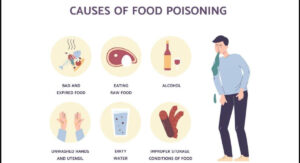
Some types of food poisoning show different signs simply because germs aren’t all alike. Depending on which one caused it, how fast things unfold can change completely. What you feel—and when—often points back to the exact invader behind the illness. Knowing these differences helps make sense of sudden stomach troubles.
1. Salmonella Symptoms Pattern:
Most cases of food illness around the world come from salmonella. Poultry not fully cooked, along with raw eggs or milk that hasn’t been pasteurized, often carries it. Hours tick by—six, maybe nearly two full days—before symptoms appear following a meal gone bad. Blood sometimes shows in diarrhea, along with fever; nausea kicking in, vomiting follows close behind, while cramps twist deep in the gut. Most cases ease off within a week, often four days in, rarely needing antibiotic help at all.
2. Campylobacter Symptom Timeline:
Campylobacter is actually the most common bacterial cause of symptoms of food poisoning in the UK and produces some of the most severe cramping of any food poisoning pathogen. Raw poultry is the primary source. Symptoms of food poisoning from Campylobacter typically begin two to five days after exposure and include profuse watery diarrhea that may become bloody, severe abdominal pain, fever, and significant fatigue that persists after the acute phase resolves completely.
3. Norovirus Food Poisoning Signs:
Norovirus causes symptoms of food poisoning that are often confused with stomach flu because the virus spreads person-to-person as well as through contaminated food and water. Twelve to forty-eight hours post-exposure, norovirus hits fast—vomiting and diarrhea show up hard, often paired with deep nausea plus belly cramps. Lasting one to three days, the worst fades fairly quickly. Yet tiredness lingers. So does a tender stomach.
Symptoms of Food Poisoning Compared to Stomach Flu:
Something that feels like spoiled dinner may instead come from a viral visitor. Hints hiding in your symptoms can whisper the true source. Knowing what sets them apart guides decisions about care and who else may have been affected. Clues hide in timing, how fast things unfold, and where symptoms point.
1. Timing After Eating Matters:
Hours matter when telling apart food poisoning from stomach flu. A quick start—just one to six hours after eating—points straight at bad food. That tight window often ties sickness directly to what was on your plate. When it hits fast like that, contamination is likely the culprit. Later onsets point elsewhere—sometimes way later, like a day plus. The stomach flu doesn’t rush; it waits, often one to three days. You won’t trace it back to that last snack. It drifts in without clear warning.
2. Who Else Is Affected Matters:
One person falls ill shortly after having that spoiled meal. Then another shows symptoms not long afterward, each case linked to the same plate. As more people eat it, more start feeling unwell—timing lines up too neatly to ignore. The pattern clicks once every diner ends up sick. In contrast, regular stomach viruses spread quietly, slipping from room to room. Illness appears here an hour later, there a full day down the line. Illness spreading like ripples across water suggests infection passing hand to hand, not something served on a plate.
3. Fever Level Is Different:
High fever is more characteristic of certain bacterial symptoms of food poisoning than of typical norovirus stomach flu. Fever climbing past 38.5°C often tags along with Salmonella or Campylobacter infections, the body fighting back against harmful bacteria. Stomach viruses, though? They can hit hard with vomiting and diarrhea even when temperature barely rises. When heat in the body holds strong as belly troubles grow—especially after bad food—it’s time to seek medical advice rather than wait it out. A person needs care when these two things happen together.
Symptoms of Food Poisoning: Dehydration Warning Signs Needing Care
What makes food poisoning risky isn’t always the bug in your gut—more often it’s losing too much fluid. Spotting clear clues of serious water loss shifts everything: timing, response speed, what you do next. When those signals show up, recognizing them alters how quickly things move.
1. Dark Urine Is a Warning:
Urine turning dark amber or brown often shows dehydration has deepened during food poisoning. Pale yellow means things are normal inside. If sickness includes throwing up or loose bowels, fluids drop fast—making what comes out darker. Eight hours without needing the bathroom? That hints your body might need more than just drinks. Other signs aside, this delay can mean it’s time to see someone who knows medicine.
2. Dizziness Upon Standing:
When fluid levels drop, rising quickly can leave you lightheaded. That dizziness hits hard during food poisoning—vomiting or diarrhea pulls out large amounts of water. With less blood on hand, getting it to the brain takes longer than normal. A drop in pressure follows movement because there simply isn’t enough fluid to keep flow steady. This postural dizziness alongside symptoms of food poisoning indicates significant dehydration that warrants same-day medical contact without further home management delay.
3. Confusion in Elderly People:
When older individuals get food poisoning, odd sleepiness or mental fog can signal deep dehydration messing with the brain. Their bodies hold less water to begin with, so even without feeling parched, they might already be slipping fast. If someone aged shows puzzlement during a stomach illness, doctors need to step in—no waiting, no matter how light things seemed at first. A hazy mind here isn’t normal; it shifts everything into urgent territory.
Symptoms of Food Poisoning Home Management Steps That Actually Work
- Most folks get better from food poisoning just by resting at home. What helps? Water helps – take slow sips often. Wait, then eat; only when nausea fades. Bland bites come next: think plain toast, cooked rice. Sleep pulls at you? Let it. Stillness heals more than motion ever could. Avoid meds that stop diarrhea unless a doctor says otherwise – it can slow healing. Most times, signs go away after one or two days. Later on, if it just won’t let up, talking to someone familiar with the situation can make sense. Staying calm as you go means recovery doesn’t get knocked off track.
- Start with sipping something clear instead of food right away. When your belly feels off, fluids vanish fast—along with vital salts they carry.
- Water alone won’t fix that gap. A proper mix hits harder than anything else you keep at home. Balance shifts quicker when the right blend goes in.
- Every few minutes, try a tiny sip instead of gulping down lots. When nausea is already happening, the stomach struggles with big loads. Five to ten milliliters at a time slips through better. Large drinks often bring back vomiting right away. Frequent little amounts work where bigger ones fail.
- Healing begins when you pause, truly. Food poisoning hits hard, taxing body defenses while gut function struggles, so pushing through tasks only stretches recovery time far past where rest could shorten it, again and again. Most folks just need stillness, then.
- After the illness fades completely, try offering light meals. Since digestion takes a hit during food poisoning, pausing helps—solids can wait. About twenty-four hours past vomiting, modest servings of plain choices such as toast, crackers, or bananas fit best. Starting soft gives the body space to mend, easing strain on the gut.
- Each morning, jot down how you feel—recovery from food poisoning usually means slow progress. If your condition dipped lower today or yesterday rather than improved, contact a physician without delay. Staying put might turn dangerous should the decline carry on.
Symptoms of Food Poisoning: When to Stop Managing at Home:
Knowing exactly when symptoms of food poisoning have moved beyond home management is as important as knowing how to manage them at home. These specific signs mean to call a doctor or go to an emergency department today.
- When you see blood in what you throw up or pass through your bowels—especially while already dealing with signs of food poisoning—it’s a signal something serious could be happening. Even if everything else seems under control right now, that detail changes the situation completely. Getting checked by medical professionals without delay becomes essential, no matter how mild things might appear elsewhere. Waiting can turn risky when blood shows up like this.
- A temperature rising above 39.5°C can mean trouble if it refuses to drop even after taking paracetamol. This becomes more likely when nausea or stomach cramps show up too. Bacteria could be behind it all, quietly spreading. In such cases, doctors sometimes turn to antibiotics because rest alone won’t stop the invasion. Relying only on home care could be risky. Seeing a healthcare provider becomes important instead of waiting things out. Medical evaluation helps decide the right next move.
- Eight straight hours without holding anything down, combined with food poisoning signs, means a hospital visit might be necessary since IV fluids aren’t something you can give yourself at home. Replacing lost liquids that way only happens under medical supervision when things reach this stage.
- Belly troubles during pregnancy could mean trouble beyond mere digestion issues. Right away care becomes key when nausea strikes from tainted meals. Pathogens such as Listeria tend to move past the intestines. Gut infections sometimes hide deeper risks. Immediate attention helps protect both mother and unborn child. They can reach places that affect how the pregnancy goes. Trouble could start even if symptoms seem mild at first. A doctor should check things out early.
- Little ones show trouble fast when sick from bad food. Hours matter, since tiny bodies lose fluids quicker than grown-ups. A doctor should check things today—waiting risks a swift decline. Care plus a close watch make sure things do not spiral. Help now keeps small problems from growing.
Conclusion
Symptoms of food poisoning are miserable but almost always temporary for healthy adults who manage the illness correctly. Hydration first. Rest without compromise. Bland food when the stomach is ready. Here we are. That chicken salad showed me exactly when food poisoning gets serious enough to quit treating it alone and seek care right away. A different teacher would’ve been better, truthfully. Today’s lesson arrived anyway.
FAQ’s
Q1. What determines how quickly food poisoning symptoms begin after eating contaminated food?
Most times, how soon food poisoning hits ties back to what caused it. Instead of waiting long, Staph aureus brings sickness fast—just one to six hours. With Salmonella, trouble shows up later, anywhere from half a day to two full days later. When Campylobacter is to blame, it might take two whole days before signs appear, sometimes stretching past four. If stomach issues start quickly after eating, odds rise that a ready-made poison was in the food.
Q2. How long do symptoms of food poisoning usually last?
Most symptoms of food poisoning in healthy adults resolve within one to three days in the acute phase. Some symptoms of food poisoning from bacterial infections like Campylobacter can persist for a week. Symptoms of food poisoning involving significant dehydration may leave fatigue and gut sensitivity lasting longer. Symptoms of food poisoning beyond ten days without improvement warrant medical assessment without further waiting.
Q3. What are the most serious symptoms of food poisoning to watch for?
The most serious symptoms of food poisoning include blood in stool or vomit, fever above 39.5°C, inability to keep fluids down for eight hours, and signs of significant dehydration. Symptoms of food poisoning causing confusion in elderly people are also serious. These specific symptoms of food poisoning always warrant medical contact rather than continued home management and watchful waiting.
Q4. Are symptoms of food poisoning different in children compared to adults?
The core symptoms of food poisoning are similar across ages, but children dehydrate faster and show fewer reliable verbal signs of deteriorating. Food poisoning symptoms in children under two always warrant same-day medical assessment. Symptoms of food poisoning causing significantly reduced wet nappies, unusual lethargy, or no tears when crying indicate dehydration requiring prompt clinical intervention rather than home management.
Q5. Should I take antibiotics for symptoms of food poisoning?
Most symptoms of food poisoning do not require antibiotics and resolve without them. Antibiotics are only appropriate for specific bacterial symptoms of food poisoning when confirmed by testing or when food poisoning symptoms are severe, prolonged, or affecting vulnerable people. Taking antibiotics for viral food poisoning symptoms is ineffective and disrupts gut recovery. Symptoms of food poisoning requiring antibiotics should be assessed and confirmed by a doctor first.
Summary
This blog covered symptoms of food poisoning from the earliest warning signs through to the indicators that require emergency medical attention. Food poisoning symptoms vary by pathogen but almost always involve nausea, vomiting, diarrhea, and cramping with timing linked to a specific meal. Recognizing food poisoning symptoms early changes how quickly you act. And knowing which symptoms of food poisoning cross the line from manageable at home to medically urgent could genuinely make the difference between a bad week and a dangerous situation.