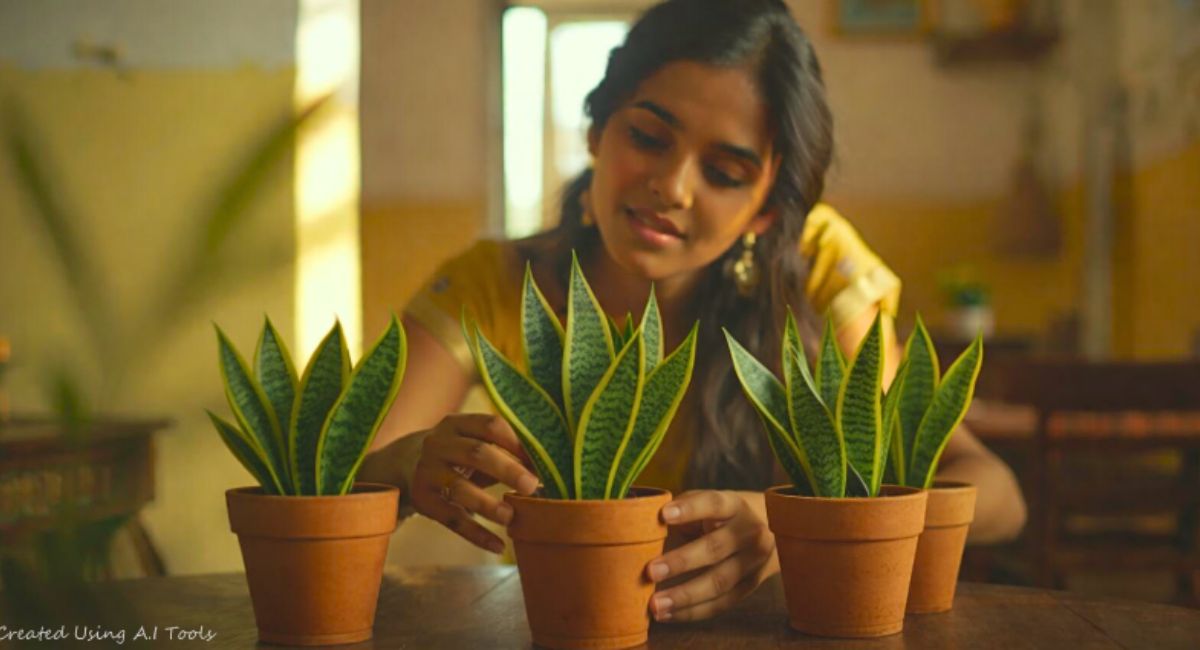
I remember placing my first snake plant in a dim corner of my apartment where nothing else seemed able to survive. Within weeks, the space felt fresher, my mornings seemed more energetic, and the room looked noticeably more inviting. That experience sparked a lasting interest in understanding the true snake plant benefits and what makes this plant so resilient and popular. After caring for many snake plants in different indoor environments, humidity levels, and climates, I have seen how this remarkable plant can enhance living spaces while requiring very little maintenance.
The snake plant benefits extend far beyond simple decoration. This popular houseplant is valued for its ability to improve indoor spaces, tolerate challenging conditions, and require very little maintenance. From helping create a fresher environment to thriving despite common plant problems, it remains a favorite among beginners and experienced growers alike. Whether placed in a home, office, or bedroom, snake plants offer lasting value. Their popularity is supported by research, long-standing cultural appreciation, and the experiences of countless plant owners worldwide.
Discover the amazing snake plant benefits that purify your indoor air, boost your mood, and make any living space healthier.
Snake Plant Benefits That Genuinely Transform Indoor Air Quality:
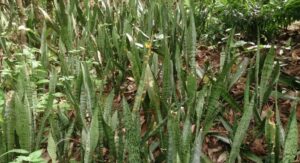
Among all the celebrated snake plant benefits, air purification stands firmly and undeniably at the top of the list. Unlike most common houseplants that absorb carbon dioxide during daylight hours and go completely dormant once the sun sets, the snake plant — scientifically known as Dracaena trifasciata and formerly classified as Sansevieria trifasciata — performs a unique metabolic process called Crassulacean Acid Metabolism, or CAM. This means it continues actively releasing fresh oxygen into your indoor environment even after dark, making it extraordinarily valuable in bedrooms where air quality directly and measurably affects sleep depth, cellular recovery, and your morning energy levels.
NASA’s landmark Clean Air Study, one of the most referenced pieces of plant science research in the world, identified the snake plant as one of the most effective natural filters of formaldehyde, xylene, benzene, toluene, and trichloroethylene. All of these are volatile organic compounds, known as VOCs, that are commonly released into your indoor air from paint, furniture varnish, synthetic carpets, adhesives, and everyday household cleaning products.
Breathing these chemicals over months and years has been linked to chronic headaches, respiratory irritation, hormonal disruption, and even increased cancer risk. When you understand the true depth and breadth of these Benefits of Snake Plant for air quality, placing one in every frequently occupied room of your home becomes an obvious health decision rather than simply a decorative afterthought.
What makes the snake plant uniquely powerful compared to other air-purifying plants is the combination of its CAM photosynthesis, its large leaf surface area, and its ability to function efficiently even in low-light conditions where other plants barely survive. A single mature snake plant in a medium-sized room can meaningfully reduce airborne toxin concentrations within 24 hours of placement. For maximum air purification, plant experts recommend placing one snake plant for every 100 square feet of living space — a simple, affordable, and completely chemical-free solution to indoor air pollution that also adds visual beauty to any room.
Snake Plant Benefits for Sleep, Stress Reduction, and Mental Clarity:
The connection between indoor plants and improved mental health has been documented extensively in peer-reviewed literature, but the snake plant benefits for psychological wellbeing go surprisingly and meaningfully deep. Research published in the Journal of Environmental Psychology consistently demonstrates that people working or sleeping in rooms with plants report measurably lower cortisol levels, significantly reduced perceived stress, enhanced concentration, and improved mood compared to individuals in plant-free environments. The snake plant, with its bold upright architectural form, deep green color, and year-round visual stability, provides a calming, grounding presence that subtly but powerfully soothes the nervous system over time.
Because the snake plant releases oxygen continuously throughout the night through its CAM metabolism process, the bedroom air around a snake plant maintains a higher oxygen-to-carbon-dioxide ratio during your deepest and most critical sleep cycles. Research in sleep medicine consistently shows that better-oxygenated sleep environments lead to more restorative slow-wave sleep stages, sharper cognitive function and memory consolidation the following morning, reduced systemic inflammation linked to chronic sleep deprivation, lower blood pressure during sleep, and better regulation of hunger hormones. These often-overlooked snake plant benefits make it far more than a decorative item sitting on your windowsill — it is an active, functioning contributor to your physical and mental health every single night.
Beyond sleep, the act of caring for a snake plant itself provides measurable mental health benefits. Horticultural therapy research shows that nurturing plants, even low-maintenance ones, reduces symptoms of anxiety, depression, and loneliness. The snake plant is particularly well-suited for this purpose because it is forgiving of imperfect care, resilient under stress, and visually rewarding throughout the year. Every new leaf it produces is a small but genuine source of accomplishment, connection to nature, and daily mindfulness that busy modern lives so desperately need.
| Benefit Category | Specific Advantage | Difficulty Level | Impact Rating |
| Air Purification | Removes formaldehyde, benzene and xylene from indoor air continuously | Passive | ★★★★★ |
| Oxygen Production | Releases O2 at night via CAM photosynthesis unlike most plants | Passive | ★★★★★ |
| Sleep Quality | Higher nighttime oxygen measurably improves deep sleep cycles | Passive | ★★★★☆ |
| Mental Wellness | Reduces cortisol, stress hormones, and improves daily focus | Passive | ★★★★☆ |
| Disease Resistance | Naturally resists most bacterial, fungal, and viral infections | Moderate | ★★★★☆ |
| Humidity Regulation | Transpires moisture consistently, balancing dry indoor climates | Passive | ★★★☆☆ |
| Low Maintenance | Thrives on neglect; highly drought-tolerant and environment-adaptable | Easy | ★★★★★ |
| Feng Shui and Aesthetics | Channels protective energy; delivers strong architectural visual form | Easy | ★★★☆☆ |
| Root Rot Resistance | More tolerant than most succulents when planted in well-drained soil | Moderate | ★★★★☆ |
| Propagation Ease | Multiplies freely and reliably from leaf cuttings or root division | Easy | ★★★★★ |
Snake Plant Benefits for Disease Resistance and Robust Plant Health:
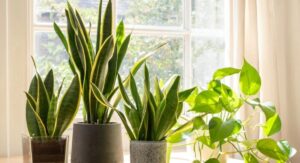
One of the most underappreciated and rarely discussed snake plant benefits is the plant’s remarkable natural resistance to the wide range of diseases, bacterial infections, fungal pathogens, and viral microorganisms that regularly devastate more sensitive and delicate houseplants. The snake plant’s thick, waxy leaves create a physical barrier that most fungal spores and bacterial cells cannot penetrate under normal conditions. Its low water requirements mean the soil stays drier for longer periods, creating an inhospitable environment for the moisture-loving microorganisms that cause the most destructive root and stem diseases. Understanding these natural defenses helps you maintain a truly thriving specimen for decades with very little intervention.
1. Root Rot Prevention:
Root rot, caused by water-mold microorganisms like Phytophthora and Pythium species that thrive in waterlogged, oxygen-depleted soil, is the single most common killer of indoor houseplants across all species. The snake plant’s thick, fleshy, succulent rhizomes store water extremely efficiently, meaning the plant has its own internal water reserves and does not need frequent soil moisture to survive. Its waxy leaf coating also repels excess surface moisture and reduces the rate of water absorption through the leaf surface.
To prevent root rot entirely and preserve all your snake plant benefits long-term, always plant in a coarse, well-draining potting mix that includes perlite, coarse sand, or pumice, and allow the soil to dry out completely between waterings. When you water correctly, the plant rewards this apparent neglect with strong, vigorous, explosive growth.
2. Fungal Infection Defense:
Common fungal diseases including southern blight caused by Sclerotium rolfsii, red leaf spot, Fusarium crown rot, and Cylindrocladium root rot can attack snake plants when they are kept in humid, poorly ventilated conditions with consistently wet soil. Symptoms of fungal infection appear as soft water-soaked patches on leaves, reddish-brown circular lesions with yellow halos, or a distinctive white cottony fungal mycelium growing at the soil surface line.
If you notice any of these signs, immediately improve air circulation around the plant, drastically reduce watering frequency, and carefully remove all affected leaves at their base using clean, sterilized scissors. Applying a diluted neem oil solution mixed with a small amount of dish soap every 7 to 10 days effectively addresses active fungal spores and also prevents secondary bacterial colonization of damaged tissue.
3. Bacterial and Viral Threats:
Bacterial soft rot, most frequently triggered by Erwinia carotovora and related species entering the plant through wounds, pruning cuts, or the roots of plants sitting in overwatered soil, produces unmistakably foul-smelling, rapidly spreading mushy tissue that quickly destroys entire leaves and stems if not treated immediately. Viral infections in snake plants spread primarily through contaminated pruning tools and through sap-sucking insect vectors like aphids, mealybugs, and thrips, causing mosaic-like yellow and green discoloration on leaves, stunted and distorted new growth, and significantly reduced overall plant vigor.
To protect all your snake plant benefits from these threats, always sterilize pruning shears between plants using rubbing alcohol, isolate any symptomatic specimens immediately to prevent spread, and never add diseased plant material to your compost bin where pathogens can survive and multiply.
Snake Plant Benefits Revealed Through Common Symptoms and Diagnosis:
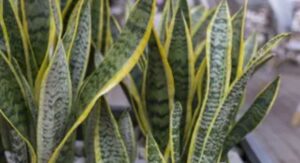
Recognizing early warning signs and correctly diagnosing problems before they escalate is the most important skill for sustaining all the snake plant benefits your plant naturally provides. Yellow leaves, brown tips, soft stems, and stunted growth are not random occurrences — they are your plant’s precise and reliable communication language. Learning to interpret these signals fluently and accurately will make the difference between a thriving long-lived specimen and a struggling plant that never reaches its full potential.
1. Yellow Leaves Decoded:
Yellow leaves on a snake plant communicate three distinct and very different primary distress signals that require completely different responses. First and most commonly, overwatering combined with resulting root rot deprives the roots of oxygen, prevents nutrient uptake, and causes rapid chlorophyll breakdown throughout the leaf, producing the characteristic uniform yellow coloration. Second, exposure to cold drafts below 10 degrees Celsius damages cell membranes and disrupts the cellular machinery responsible for maintaining chlorophyll structure, causing patches of yellow or translucent discoloration.
Third, soil nutrient deficiency—particularly nitrogen, which is the core building block of chlorophyll molecules, and magnesium, which sits at the center of every chlorophyll molecule—prevents adequate green pigment production and causes older lower leaves to yellow progressively upward through the plant. Correctly and calmly diagnosing which cause is responsible before taking any action prevents misguided interventions that compound the original problem and destroy the plant’s natural resilience.
2. Brown Tips and Edges:
Crispy, dry brown leaf tips and edges on a snake plant most commonly indicate one of three correctable problems: chronically low indoor humidity below 30%, fluoride toxicity accumulating from regular tap water irrigation, or overfertilization causing salt buildup that burns and desiccates the leaf margins from the outside inward. To address tap water fluoride toxicity, switch to collected rainwater, distilled water, or filtered water that has been allowed to sit in an open container overnight, allowing both chlorine and fluoride to dissipate.
Flush the entire soil volume thoroughly every three to four months by running large amounts of water through the pot to physically leach accumulated mineral salts out through the drainage holes. Maintaining indoor relative humidity between 40% and 60% by grouping plants together, using a pebble water tray, or running a small humidifier nearby will keep the foliage looking clean, healthy, and pristine.
3. Mushy Stem Base Issues:
A soft, darkened, water-soaked stem base is one of the most serious symptoms a snake plant owner can encounter and almost always signals advanced root rot that has moved upward into the crown tissue, typically combined with secondary bacterial soft rot infection that accelerates tissue destruction. The critical question is whether the rot has reached the central growing meristem at the very base of the newest leaves — if it has not, full recovery is entirely possible with swift and decisive intervention. Immediately unpot the plant, remove all soil, and carefully inspect every root.
Trim away all blackened, mushy, or foul-smelling root tissue with sterilized scissors until only firm, white, healthy roots remain. Dust all cut surfaces generously with powdered cinnamon, powdered activated charcoal, or agricultural sulfur — all of which act as natural antifungal and antibacterial agents. Allow the entire root system to air-dry in indirect light for 24 to 48 hours before repotting into completely fresh, dry, gritty soil.
Snake Plant Benefits Include Incredible Adaptability to Every Environment:
Few plants in the entire world of horticulture match the extraordinary environmental flexibility and adaptability that makes snake plant benefits genuinely accessible to every type of person, regardless of home conditions, available light levels, climate zone, apartment size, or gardening experience. This plant has evolved over millions of years in the rocky, semi-arid regions of West Africa where conditions are harsh, unpredictable, and unforgiving — and that evolutionary heritage is exactly what makes it so extraordinarily capable of thriving in the controlled but often imperfect conditions of modern indoor living.
1. Low Light Mastery:
The snake plant tolerates lower light levels than virtually any other popular and widely available houseplant, surviving and maintaining its appearance comfortably in north-facing rooms, interior office spaces far from windows, dark hallways, and bathroom environments where most other plants perish within just a few weeks of placement.
While bright indirect light from an east or west-facing window certainly accelerates growth rates and enhances the crispness of the plant’s variegation patterns, the snake plant sustains itself on as little as 25 to 50 foot-candles of ambient light — roughly equivalent to the light level found four to five meters away from a standard north-facing window. This exceptional light tolerance is one of the most practically important snake plant benefits for people living in urban apartments with limited natural light access.
2. Temperature Resilience:
Snake plants perform consistently and reliably well across a remarkably broad temperature window spanning 15 degrees Celsius at the cool end to 35 degrees Celsius at the warm extreme, making them suitable for both heavily air-conditioned modern offices and warm, humid tropical households. Below 10 degrees Celsius, the plant begins to experience cellular damage as the water inside its leaf cells expands, rupturing cell walls and producing characteristic soft, translucent, water-soaked patches that gradually turn brown and collapse.
Above 38 degrees Celsius in direct intense sunlight, leaf tips can scorch and develop dry, papery brown patches. A sheltered indoor windowsill position away from cold winter drafts and air conditioning vents keeps the plant thriving and maintaining all its snake plant benefits throughout every season of the year.
3. Drought Tolerance Explained:
The thick, fleshy, water-storing succulent rhizomes underground and the heavily cuticled, moisture-retaining leaves of snake plants allow them to survive extended drought periods that would kill most other houseplants within days. The cuticle — a waxy, waterproof coating on the leaf surface — dramatically reduces the rate of water loss through transpiration, allowing the plant to conserve moisture efficiently even in dry, heated indoor environments.
In winter, when growth slows and water requirements drop significantly, once-monthly watering is frequently more than sufficient to maintain a healthy plant. In the active growing season of spring and summer, watering every two to three weeks satisfies the plant’s needs while keeping the soil dry enough to prevent root rot. This exceptional water efficiency makes the snake plant nearly indestructible for frequent travellers, busy professionals, and forgetful plant owners.
Snake Plant Benefits for Your Home’s Humidity and Microclimate Balance:
- Snake plants release water vapor through transpiration, naturally and consistently raising humidity levels in chronically dry indoor spaces.
- Balanced indoor humidity between 40% and 60% reduces respiratory tract irritation, prevents dry skin and chapped lips, and eliminates uncomfortable static electricity buildup on furniture and clothing.
- Placing higher densities of plants in a single room creates a measurable and noticeable microclimate humidity shift of 5 to 10 percentage points compared to a plant-free room.
- The snake plant’s transpiration rate remains relatively consistent across both summer and winter seasons, delivering reliable year-round humidity benefits without seasonal variation.
- Strategically grouping three or more snake plants together in one space amplifies both the humidification effect and the collective air-purifying output, creating a significantly healthier indoor microenvironment.
Snake Plant Benefits Worth Knowing Before You Buy Your First Plant:
- Snake plants contain saponins and are considered mildly toxic to cats and dogs if ingested — always keep them elevated on shelves or in rooms your pets cannot access.
- Repot your snake plant every two to three years or immediately when roots become visibly compacted and begin escaping through the drainage holes at the bottom of the pot.
- Fertilize very sparingly — applying a diluted balanced liquid fertilizer at half the recommended strength just once a month during spring and summer is fully sufficient for healthy growth.
- Wipe the broad, flat leaf surfaces with a damp soft cloth every two to three months to remove accumulated dust that blocks light absorption and measurably reduces photosynthesis efficiency.
- Always choose terracotta or unglazed ceramic pots over plastic containers because terracotta is porous and allows excess soil moisture to evaporate from the sides, significantly reducing the risk of overwatering and root rot.
Snake Plant Benefits Backed by Science, Culture, and Ancient Tradition:
The deep reverence for the snake plant as a protective, healing, and beneficial plant spans multiple continents and thousands of years of human history. In West African Yoruba tradition, the snake plant is closely associated with the powerful deity Ogun, the orisha of iron, protection, and strength, and is believed to carry powerful defensive spiritual energy capable of warding off negative forces and evil intentions from households and communities. Placing the plant near entrances, doorways, and windows in Yoruba culture is a longstanding and deeply meaningful protective practice.
In Chinese feng shui philosophy and practice, Benefits of Snake Plant extend to the energetic realm, where the plant is said to absorb harmful, stagnant, and negative energy from living spaces while simultaneously introducing upward-growing, vigorous “wood element” chi — the life force energy associated with growth, new beginnings, health, and prosperity — when positioned near the main entrance of homes and business premises.
Modern scientific research validates and substantiates many of these ancient cultural beliefs from a concrete biochemical and psychological perspective. Beyond the widely cited NASA air-purification findings, independent research conducted at Wageningen University in the Netherlands has confirmed through controlled experiments that the presence of plants in indoor environments significantly and measurably reduces cortisol — the primary human stress hormone — in human subjects exposed to them for extended periods, with species producing larger leaf surface areas like the snake plant generating the strongest and most consistent cortisol-lowering response among all tested varieties.
Additional research from Japanese universities on the concept of “shinrin-yoku” or forest bathing has demonstrated that visual contact with living green plant material alone — even without physical touch or outdoor exposure — activates the parasympathetic nervous system, slows heart rate, lowers blood pressure, and induces a measurable state of physiological calm. The convergence of millennia of ancestral wisdom with rigorous contemporary science powerfully reinforces why snake plant benefits have captured sincere global attention across wildly different cultures, belief systems, and generations throughout human history.
Snake Plant Benefits Through Proper Care, Propagation, and Long-Term Growth:
Sustaining and maximizing every snake plant benefits your plant naturally provides over many years and decades requires a solid foundational understanding of its care requirements, growth patterns, and the common mistakes that prematurely shorten its lifespan. The single most important principle governing successful snake plant care is understanding the plant’s fundamental nature as a semi-arid succulent adapted to periodic drought rather than constant moisture.
The most frequent and damaging mistake made by well-intentioned plant owners is treating the snake plant like a tropical moisture-loving species that needs regular watering — overwatering is conservatively estimated to be responsible for over 90% of all indoor snake plant deaths worldwide. Internalize the simple rule that it is always better to underwater than overwater this plant, and the vast majority of common problems will simply never arise.
Propagation represents one of the most genuinely rewarding long-term Benefits of Snake Plant available to committed plant owners, offering the ability to multiply a single purchased plant into a thriving collection of dozens over just a few growing seasons without spending any additional money. Leaf cuttings taken with a clean, sharp blade and placed either in a clean glass of water or directly into slightly moist, coarse sand will develop visible root systems within three to eight weeks depending on temperature and light conditions.
Division of the underground rhizome system at repotting time produces instant fully-formed offset plants — commonly called “pups” — that are ready to grow independently and vigorously from the very first day of separation. Each propagated pup carries the full complement of snake plant benefits and will deliver air purification, nighttime oxygen production, humidity regulation, and aesthetic beauty to every space it inhabits. Gifting these propagated plants to family members, friends, colleagues, and neighbors creates a meaningful and lasting ripple effect of cleaner air, calmer living environments, and deeper human connection to the natural world spreading far beyond the boundaries of your own home.
Conclusion
The snake plant benefits covered comprehensively throughout this guide build a compelling, thoroughly evidence-backed, and deeply practical case for adding this extraordinary plant to every living and working space you regularly inhabit. From actively purifying indoor air of dangerous chemical compounds and consistently improving sleep quality through nighttime oxygen release, to naturally resisting fungal disease, bacterial infection, and viral attack while demanding almost nothing in return from its owner, no other commonly available houseplant delivers this remarkable breadth and depth of genuine value.
The snake plant is simultaneously a scientific tool, a cultural symbol, a mental health aid, and a design object of enduring beauty. Embrace the snake plant today — your home, your body, your sleep, and your mind will feel the positive difference far more quickly and powerfully than you might expect.
FAQ’s
Q1. What are the main snake plant benefits for indoor air quality?
The main snake plant benefits include removing formaldehyde, benzene, and releasing nighttime oxygen continuously.
Q2. Can snake plant benefits improve my sleep at night?
Yes — snake plant benefits include continuous oxygen release at night, measurably enhancing sleep quality.
Q3. Why are my snake plant’s leaves turning yellow?
Yellow leaves usually indicate overwatering — reduce frequency to unlock full snake plant benefits again.
Q4. How do I prevent root rot and preserve snake plant benefits?
Use fast-draining soil and water only when completely dry to protect all snake plant benefits long-term.
Q5. Are snake plant benefits recognized in scientific research?
Yes — NASA’s Clean Air Study validates core snake plant benefits, particularly toxin absorption and oxygen production.
Q6. Do snake plant benefits include fighting fungal infections naturally?
The plant resists most fungal infections naturally; neem oil treatment preserves all snake plant benefits effectively.
Q7. How often should I water my plant to maintain snake plant benefits?
Water every 2 to 3 weeks in summer and monthly in winter to sustain all snake plant benefits consistently.
Q8. Can bacteria or viruses harm a snake plant and reduce its benefits?
Yes — bacterial soft rot and viral mosaic disease can reduce snake plant benefits; isolate and treat promptly.
Q9. Where should I place my plant to maximize snake plant benefits?
Bedrooms and living rooms receive maximum snake plant benefits; bright indirect light positions amplify every advantage.
Summary
The snake plant benefits documented across this comprehensive guide confirm what plant lovers and scientists alike have known for a very long time — this resilient, air-purifying, disease-resistant species is truly one of nature’s most exceptional indoor companions. From removing dangerous toxic microorganisms and volatile organic compounds from your breathing air and boosting nighttime oxygen levels to resisting root rot, fungal disease, and bacterial attack while thriving on minimal care and attention, snake plant benefits make it the single smartest plant investment any home or workspace can make.
Whether you are addressing yellow leaves caused by overwatering, managing dry indoor humidity levels, healing from stress, or simply seeking a calmer and more beautiful living environment, snake plant benefits deliver consistent, measurable, and evidence-backed results every single day. Add one to your home today and experience firsthand why the snake plant benefits have been celebrated passionately across cultures, climates, belief systems, and generations throughout the entire history of human civilization.