
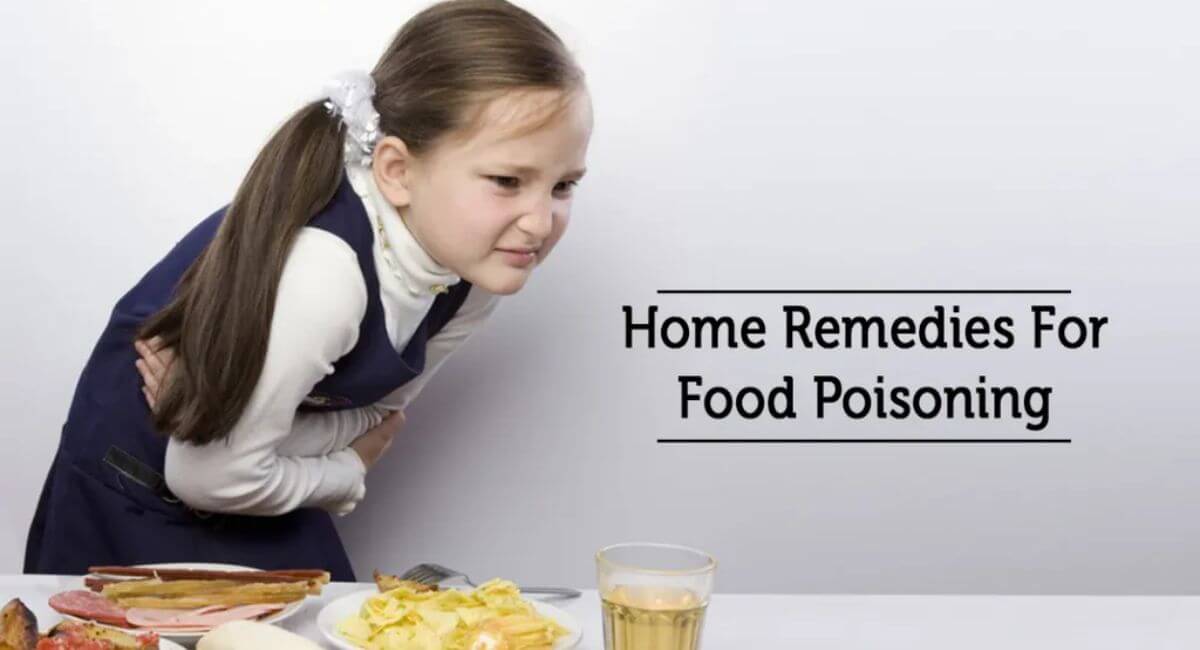
My father-in-law called one Sunday saying he felt strange after eating prawns at a buffet restaurant. I drove over and found him pale, sweating, dizzy, and unable to stand properly. He had ignored the signs of food poisoning for several hours, hoping the symptoms would pass. We called for medical help and he was treated for dehydration caused by food poisoning. He spent recovering in the hospital. That experience stayed with me because earlier action could have prevented the situation becoming so serious overall.
Signs of food poisoning are often missed early because symptoms resemble ordinary feelings like tiredness mild cramps or discomfort after eating. People usually assume harmless explanations before considering infection. By the time symptoms become obvious dehydration and weakness may already be developing. This blog explains symptoms of food poisoning from the first body signals through the warning signs requiring medical help. It covers biological causes differences between food poisoning and stomach flu and practical ways to protect yourself and others. Understanding these signs earlier helps people respond faster overall.
Recognizing signs of food poisoning early helps prevent manageable illness from becoming severe enough to require extended hospital treatment afterward.
Signs of Food Poisoning: What Your Body Is Telling You First

The very first signs of food poisoning are so commonly dismissed because they feel like nothing specific. A background nausea that settles in without a clear explanation. A stomach that feels vaguely wrong in a way you cannot quite locate or describe. A mild headache that you attribute to being tired or to the heat or to staring at a screen too long. These earliest symptoms of food poisoning typically arrive between one and six hours after consuming contaminated food in toxin-mediated cases, or between six hours and several days in bacterial infection cases where the pathogen needs time to replicate before the body produces a full immune response.
The timing relative to a specific meal is actually one of the most important early symptoms of food poisoning and one most people do not think to clock until much later when they are looking backward, trying to work out what happened. What makes early signs of food poisoning particularly easy to explain away is that they mimic the completely ordinary experience of eating something that did not agree with you. Most people eat something that sits badly occasionally.
Most of the time it resolves within an hour or two with no escalation. Symptoms of food poisoning follow a different trajectory. They do not plateau and ease.
They build. The nausea becomes more insistent. The stomach discomfort intensifies into cramping. The general feeling of wrongness becomes more specifically wrong. Recognising this escalating pattern as distinct from ordinary digestive discomfort is the practical skill that changes how quickly you respond to symptoms of food poisoning. The building trajectory is the tell. Ordinary post-meal discomfort does not keep getting worse. Symptoms of food poisoning do.
Signs of Food Poisoning The Full Symptom Picture as It Develops:
Once signs of food poisoning move past the early vague stage, the picture becomes considerably less ambiguous. Vomiting tends to strike quickly, rarely giving warning once it starts. Still, the queasiness builds slowly, turning into something that never really fades. Pain in the gut shows up in bursts, vanishing just before you expect more. When things move faster through the bowels, waste gets forced out with urgency. That reaction shows the body doing exactly what it should when danger appears.
Even though food poisoning feels awful, these symptoms mean digestion and immunity are teaming up to clear the issue. The gut is not malfunctioning. It is operating at emergency speed, and the collateral experience of that emergency speed is significant discomfort that is hard to sit with but genuinely purposeful in biological terms. Diarrhea typically follows or accompanies the vomiting phase and is one of the most consistent signs of food poisoning across virtually all pathogens. Fever appears in many cases, particularly those involving bacterial infection rather than toxin-mediated food poisoning.
Muscle aches and a profound tiredness arrive alongside the gastrointestinal symptoms of food poisoning in many people and are frequently misinterpreted as the flu. Fluid loss builds up, and a headache follows—dehydration is usually behind it. Fever shows itself through sweats or sudden cold spells. On their own, none of these point straight to food poisoning. Only once everything lines up does the pattern become clear, obvious in hindsight. The problem is most people experience the full picture before they have acted on any of the early symptoms of food poisoning that arrived hours before.
Signs of Food Poisoning: How Different Pathogens Produce Different Signs

Not all signs of food poisoning look identical because not all food poisoning comes from the same source. The specific organism involved shapes both the timing and the character of the symptoms of food poisoning in ways that are practically useful to understand when trying to identify what you are dealing with.
1. Salmonella Symptoms and When They Appear:
One day usually passes before signs appear following bad food. When salmonella enters, the bellyache lands without warning. Fever climbs while stools turn red with blood. Twisting cramps pull muscles into stiff coils. Nausea rushes in, sudden and sharp. Undercooked poultry carries this bug more than anything else. Eggs served raw pose just as much risk. Signs of food poisoning from Salmonella tend to last four to seven days and sometimes produce a fever high enough to require medical assessment rather than home management throughout the full illness duration.
2. Campylobacter Signs Are Distinct:
Cramps hit hard when Campylobacter is involved – sharper than most stomach bugs cause. Usually within a few days of eating something risky, things start going wrong.Fever hits hard when bloody stools appear, draining strength quickly. Unpasteurized dairy or undercooked poultry usually triggers the mess. Medical visits happen a lot, even if drugs don’t fix it every time. The intensity tricks people into seeking help sooner.
3. Staph Aureus Acts Fastest:
Signs of food poisoning from Staphylococcus aureus arrive fastest of all common food poisoning pathogens because the bacteria produce toxins during food preparation before consumption. Symptoms of food poisoning, including intense nausea and vomiting, arrive within one to six hours of the meal. The episode is typically shorter than bacterial food poisoning because the toxin clears faster than a replicating infection, but the symptoms of food poisoning are intense while they last.
Signs of Food Poisoning: Serious Signs That Need Medical Attention Today:
Some symptoms fade on their own when you’re otherwise well. Yet certain changes mean the body can’t handle it alone anymore—those need urgent checks to avoid worse outcomes.
1. Blood in Stool or Vomit:
Something red showing up in vomit or poop when sick from food? Don’t wait. Feeling okay means nothing. Problems can grow while you’re not looking—silent at first, then sharp. A delay could change everything. The presence of red streaks changes everything quickly, no matter the earlier comfort level. Emergency rooms exist for moments like this, especially when digestion turns against you unexpectedly. Quick decisions matter most once bleeding joins nausea or diarrhea in the mix. This is not a normal part of food poisoning and indicates intestinal bleeding that requires clinical assessment. Signs of food poisoning producing blood warrant emergency contact rather than continued home management and monitoring regardless of the severity of other symptoms present.
2. Dehydration Signs Are Urgent:
Dark yellow pee or not peeing for nearly a whole day could mean serious water loss. Feeling faint when getting up might follow too. A parched throat often shows up. Eyes looking hollow is another clue. Severe tiredness can come along as well. When these happen together with stomach upset from bad food, drinking fluids by mouth might fall short. Getting liquids through a vein at a medical center sometimes becomes necessary. My father-in-law’s situation showed exactly how quickly symptoms of food poisoning plus dehydration can reach this point.
3. Neurological Signs Require Emergency Care:
Strange nerve symptoms like trouble thinking clearly, slurred words, shaky eyesight, or limbs that won’t move right can point to botulism—a rare but dangerous problem tied to bad food. When these odd reactions show up with typical bellyaches or vomiting from spoiled meals, it’s not just an upset stomach. Help must come fast because the situation could turn deadly without urgent care. This isn’t something to wait out at home. Breathing becomes harder when botulism goes unchecked. When a stomach upset comes with blurred vision or weak muscles, move fast—emergency care is needed.
Hesitate, and the body may lose its ability to function properly. Trouble speaking or swallowing means something serious could be happening. If normal sickness feels different, act without delay. Medical teams must step in before it worsens. Stomach troubles followed by numbness or dizziness? Get help right away. If balance slips or thoughts feel foggy after possible exposure, the safest move is heading to a clinic without delay. Strange muscle signals show up early—that is when medical eyes should take over. Nothing gets fixed by just sitting around.
Food Poisoning Compared to Stomach Flu Symptoms:

Something hitting your stomach might come from anywhere—watch how it moves through people. Signs hide in who else feels it, whether they share food or something sneaky in the air. Patterns tell what’s really going on. Timing, symptoms, and who gets hit—all point toward poison or virus. Close circles get affected differently by each. One person’s meal may not match a shared sickness pattern.
1. Meal Link Is Key:
One of the most reliable distinguishing features of signs of food poisoning versus stomach flu is the link to a specific meal. Symptoms of food poisoning onset are traced clearly to a particular food consumed within the previous 1 to 48 hours. Stomach flu has a longer incubation of one to three days, and the onset is less clearly linked to any single eating event. The ability to identify a specific suspected meal is a strong symptom of a food poisoning indicator.
2. More Than One Person Involved at Once:
Most folks hit by bad food tend to feel sick around the same time – timing lines up because they ate together. When one bites into something tainted, others from that batch often follow suit soon after. Illness spreading plate by plate points back to what was on the table. A bug passing quietly from person to person creeps through homes slower, not all at once like spoiled dishes do. One coughing doesn’t mean dinner caused it – it might just be circling air.
3. Fever Pattern Differs:
High fever is more consistently associated with bacterial signs of food poisoning than with stomach flu in most presentations.Besides gut discomfort, infections tied to Salmonella often come with a steady temperature over 38.5°C. While viral belly issues might upset digestion badly, they sometimes skip raising body heat much at all. When intense heat lingers during food-related illness, reaching out to a doctor beats waiting it out solo. Despite similar digestive chaos, how the body heats up tells different stories.
Signs of Food Poisoning: What to Do When Signs First Appear:
Right away, when stomach troubles start after eating something off, doing certain things at once shapes just how rough the hours ahead might get – especially if you are otherwise well. What follows next tends to stretch or shorten the whole experience, depending on choices made before fever climbs or weakness settles in.
- Right when stomach upset shows up—before throwing up gets worse—give an oral rehydration mix. Early sipping keeps fluids balanced, stopping severe water loss that might otherwise lead to needing medical care down the road.
- Once symptoms hit, drop solids right away—stick to liquids only. The stomach just won’t take real food while it’s fighting back. Trying anyway tends to crank up queasiness, dragging out the sickness longer than needed.
- Watch when symptoms start after eating—timing linked to what you consumed can clue a physician in on the probable cause. That detail shapes decisions around tests or targeted care based on the items on your plate.
- When food poisoning hits, lying down helps. The body fights better if it is not moving around. Energy usually spent walking or working goes straight to healing instead. Pushing yourself slows everything down. Most times, resting cuts recovery time short.
- Later sickness after a meal? Tell someone fast—people sharing your food could need to check their symptoms. Help often arrives quicker if signs are caught early, before problems grow. Someone else could catch it early just because you spoke up at the beginning.
Food Poisoning Signs That Need More Than Home Care:
Knowing when signs of food poisoning have moved beyond what home management can safely address is as important as knowing how to manage them at home. These specific indicators mean you should call a doctor or go today.
- When you see blood in vomit or stool during food poisoning, get help fast—no matter if everything else seems under control right now. A sudden red flag like that shifts the situation without warning. Even mild cases take a sharp turn when bleeding shows up. The body sends urgent signals we can’t afford to ignore. That symptom changes everything on the spot. Medical care must follow straight away, even if discomfort feels light otherwise. Waiting isn’t an option once blood appears. Urgency enters the picture the moment such signs show. Quick response matters more than comfort level at home. Care needs to step in before anything worsens behind the scenes.
- Eight hours without holding down liquids, plus signs of food poisoning, means a hospital visit could be necessary. Replacing fluids by vein isn’t something that works at home. When swallowing fails that long, medical help should come fast. Waiting might worsen things. IV hydration requires equipment only clinics have. Sudden dizziness or dry mouth during this time adds urgency.Later overwhelm beats no safety every time.
- Temperature climbing above 39.5°C, even after taking paracetamol, may signal a bacterial cause behind the sickness—this kind of response often means it’s time to visit a doctor rather than wait things out alone. While home care works sometimes, certain signs pull you toward professional help.
- Most times, a belly ache might seem small. Yet when it hits someone expecting, alarm bells should ring early. Certain bugs – say, Listeria – don’t stop at nausea. They travel further, reaching places where harm spreads fast. Without swift care, trouble grows quiet but dangerous. What feels mild can hide deep threats beneath. A newborn could face risks too. Getting help fast makes handling these issues more doable.
- Young kids or elderly people showing sickness after bad food need a doctor right away. Fast fluid loss hits their systems harder. Help must come before problems grow worse than in healthy adults. Getting seen the same day makes all the difference.
Conclusion
Signs of food poisoning are not subtle once you know what to look for. The nausea that builds rather than eases. The cramping that comes in waves. The fever that arrives alongside the gut symptoms. The escalating trajectory that ordinary indigestion does not follow. Recognising signs of food poisoning early and responding to them immediately is what separates my father-in-law’s two days on a drip from a much simpler story about a rough Sunday that resolved by Monday morning.
FAQs
Q1. How quickly do signs of food poisoning appear after eating?
Signs of food poisoning timing depend entirely on the pathogen. Toxin-mediated symptoms of food poisoning from Staph aureus arrive within one to six hours. Signs of food poisoning from Salmonella take 6 to 48 hours. Symptoms of food poisoning from Campylobacter take two to five days. Earlier symptoms of food poisoning after a meal typically suggest a preformed toxin rather than an actively replicating bacterial infection.
Q2. What are the first signs of food poisoning I should watch for?
The earliest signs of food poisoning are nausea that builds rather than eases, vague abdominal discomfort becoming cramping, and headache driven by early dehydration. These early signs of food poisoning are frequently dismissed as ordinary indigestion. The building escalating trajectory distinguishes symptoms of food poisoning from ordinary post-meal discomfort that typically plateaus and resolves within an hour or two without further progression.
Q3. Which signs of food poisoning mean I should go to hospital?
Signs of food poisoning requiring emergency care include blood in vomit or stool, inability to keep fluids down for eight hours, fever above 39.5°C not responding to medication, and signs of significant dehydration. Signs of food poisoning in elderly people, young children, or pregnant women always warrant earlier medical contact. Neurological symptoms of food poisoning, including confusion or blurred vision, need immediate emergency attendance without delay.
Q4. How long do signs of food poisoning typically last?
Most signs of food poisoning in healthy adults resolve within one to three days in the acute phase. Symptoms of food poisoning from Campylobacter may persist up to a week. Signs of food poisoning causing significant dehydration extend recovery because the body needs time to restore fluid balance after the acute illness. Symptoms of food poisoning not improving after five days warrant medical assessment rather than continued home management.
Q5. Can I have signs of food poisoning without vomiting?
Yes. Signs of food poisoning do not always include vomiting. Some people experience diarrhea and cramping without significant vomiting. Signs of food poisoning from certain pathogens produce more diarrhea-dominant illness. Symptoms of food poisoning can also present with predominantly fever and fatigue in some cases, particularly in partially immune individuals. Absence of vomiting does not rule out symptoms of food poisoning when other features fit the pattern.
Summary
This blog covered signs of food poisoning from the earliest dismissible signals through to the indicators requiring emergency medical care. Symptoms of food poisoning vary by pathogen but almost always involve nausea, vomiting, cramping, and diarrhea with timing linked to a specific meal. Recognizing signs of food poisoning early changes every outcome. And knowing which symptoms of food poisoning mean stop managing at home could be the difference between a difficult two days and a genuinely dangerous situation that needed medical intervention from the start.