My friend Dario bet me twenty dollars during a late night drive home from a camping trip We stopped at a gas station and there was packaged sushi beside the hot dog rollers Dario said I would not eat it and I accepted the challenge I ate three pieces of spicy tuna sushi that had clearly been sitting there too long I felt proud for about ninety minutes before everything changed Looking back that moment taught me more about symptoms of food poisoning because the sickness arrived fast.
At 1 a.m. I woke in Dario’s car with terrible stomach pain while we were still hours from home The drive became miserable with multiple highway stops and endless regret By morning I was lying on my bathroom floor feeling frightened exhausted and completely confused I did not understand what was happening inside my body or when symptoms become dangerous I had no idea what to drink eat or avoid and did not know when medical help becomes necessary That experience taught me how little I understood about symptoms of food poisoning.
Food poisoning affects millions yearly yet most people misunderstand what happens inside the body and which warning signs matter most
What Food Poisoning Really Is and Why Your Body Goes So Extreme:
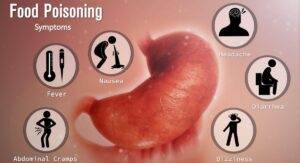
The thing that surprised me most when I read about food poisoning afterward was learning that my body had not malfunctioned. That awful time in the car, then later on the bathroom tiles – my body acted precisely as it should when poison enters. Not because I willed it, but because survival circuits kicked in without asking. Throwing up wasn’t random; it was an emergency flush, routing toxins out through the mouth fast. Meanwhile, the gut pushed backward just as hard, flushing invaders out the opposite end.
Heat built inside me not by accident – the higher temp made germs sluggish while boosting defense units. Hunger vanished too, not due to choice, yet serving purpose: fuel normally used for meals shifted entirely to frontline combat.None of it was random. All of it had a biological logic. Bacteria or viruses? Most stomach troubles after eating come from one of them. Usually it’s Salmonella taking first place, but Campylobacter tags along close. E. coli shows up a lot too, appearing without warning. Now and then, Listeria shows up. From time to time, Staphylococcus aureus makes an appearance. Clostridium perfringens also pops in every so often.
Norovirus causes plenty of cases – often called food poisoning – but it mainly moves through dirty hands touching food, not by multiplying in the meal. Certain microbes invade and multiply right within the gut’s inner layer. Heat might stop germs in leftovers, yet some poisons stay behind.
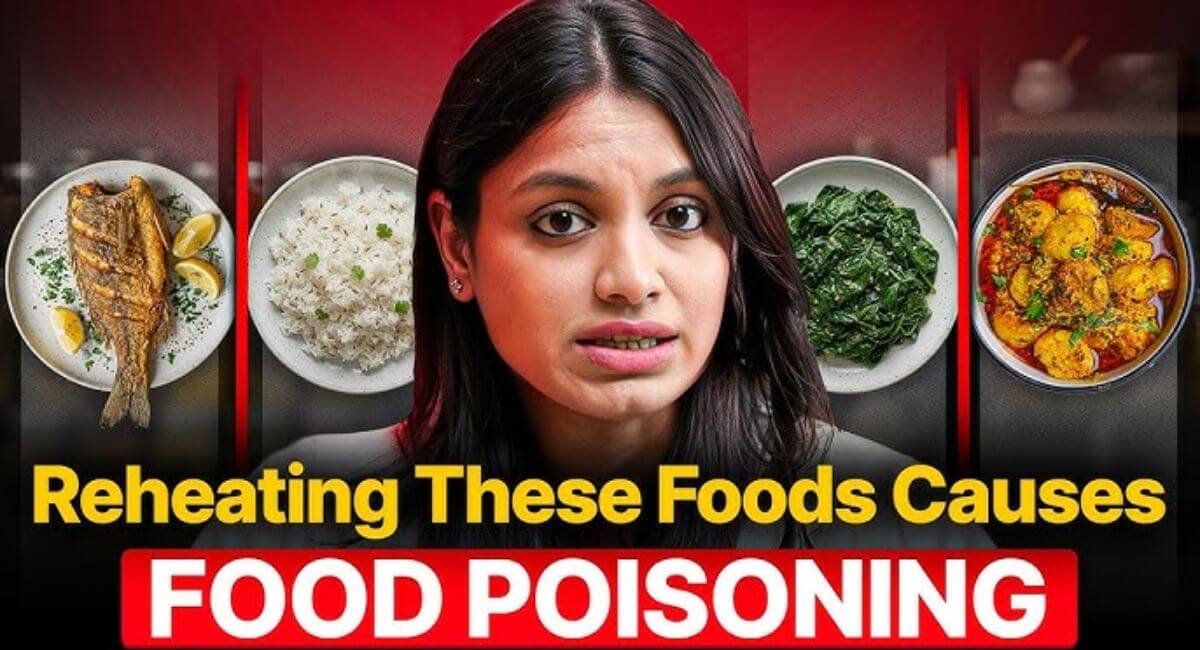
This part trips up plenty of people, though it matters a lot. When food gets warmed again, microbes die – true – but what they left behind sticks around. One stubborn example? The harmful substance from staph aureus refuses to break down, even when things get hot. Even after killing every germ by boiling, the poison remains active. That’s one reason meals seem safe but still make someone ill. Being careful about cooking temperature does not address the toxin problem at all.
What the Symptom Pattern of Food Poisoning Is Telling You:
The specific way food poisoning presents itself in your body is not random. The timing, the sequence and the combination of symptoms all point toward which organism is likely responsible and how serious your particular situation is likely to be. Here is what to read from your own symptom pattern.
1. Vomiting Starting Between One and Four Hours:
Happening just an hour or two after a meal, vomiting like this usually points to toxins – not growing germs – as the trigger. Think staph or bacillus; these bugs poison before they ever reach your intestines. What strikes fast isn’t an invasion, but a reaction to something already made while the food sat out. It strikes fast, true, but rarely lingers long. For many healthy adults, feeling better comes within a day – just sip water, wait it out.
2. Diarrhea Starting Hours or Days After Eating:
Time moves on – suddenly, diarrhea appears, striking between six and seventy two hours post-meal. This time, vomiting may stay absent. That gap? Points straight to bacteria still moving inside: Salmonella, maybe Campylobacter, or E. coli tagging along. These aren’t quick invaders; they take their time. The delay in onset is why people get the source wrong nearly every time they try to trace their food poisoning.
You feel fine for 36 hours and then assume it was breakfast this morning when it was actually the restaurant three nights ago. This delayed bacterial type lasts longer, three to seven days typically, dehydrates you more significantly, and needs closer monitoring than the fast toxin type. Blood in the diarrhea means a same-day doctor visit without any debate.
3. Body Aches and Fever That Go Way Beyond Your Stomach:
When food poisoning makes your legs ache and your joints hurt and gives you chills and a fever alongside the gut symptoms, your immune system has gone systemic. It is releasing inflammatory proteins called cytokines that travel through your bloodstream and cause whole-body inflammation. The aching in your muscles during a gut infection is not the bacteria in your muscles. It is your immune response making itself felt everywhere at once. Fever showing up with food poisoning? That’s when checking your temp often makes sense. Things going downhill instead of getting better? Time to phone the doctor sooner. A slow climb back feels different from steady decline – notice that shift.
The foods most linked to food poisoning and why they cause it:
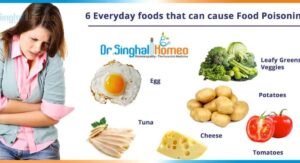
What sits too long on the shelf tends to shift how people act in the kitchen later. Not just what’s inside matters – how it changes while waiting does too.These are not general warnings. They are the actual mechanism behind the majority of cases.
1. Gas Station and Convenience Store Raw Fish:
Okay yes I know this one is going to seem obvious now but I am including it anyway. Raw fish requires continuous refrigeration below 40 degrees Fahrenheit to be safe and convenience store refrigeration cases have highly variable temperature consistency. The problem with raw fish specifically is histamine poisoning from Scombroid bacteria, which produces histamine as fish protein breaks down, and that histamine causes a rapid flushing, sweating, rash and nausea reaction within minutes to hours of eating it. Food poisoning from fish is one of the fastest-onset types and the fish often tastes completely normal. Fifty cents might’ve been fair. Just so you know how I see it.
2. Food Left in Warm Spots:
Besides warmth, tiny microbes thrive when meals linger too long without cooling. Around room temperature up to a warm touch, their crowd multiplies fast – every twenty minutes another round appears. Once past two hours in that span, invisible colonies grow bold enough to make someone very ill. Think of trays under lamps at gatherings, plates outdoors when sun beats down, shared dishes drifting through evening chats, even dinner waiting overnight on kitchen surfaces. Each moment adds risk, building unseen until symptoms arrive.
Two hours is the real deadline. In summer heat above 90 degrees it drops to one hour. The food looks fine. It tastes fine. You cannot tell by looking at it or smelling it or tasting it. Bacteria exist regardless.
3. Leftover Rice Left Out Too Long:
Most folks don’t expect this. Rice sitting out past a couple of hours can turn risky because of Bacillus cereus – its spores ignore boiling, wake up during cooling, then make heatproof poisons.Leftover grains from yesterday’s meal? Even when reheated, they can hold hidden dangers. Warming doesn’t remove what settled in during cooling. An hour past cooking time is the turning point – into the refrigerator it goes. That small move blocks one of the usual triggers behind kitchen-related sickness.
Food Poisoning Spreads Beyond The First To Eat Spoiled Food:

Wrong. That’s what I thought until illness hit me hard. My belief? Only those eating spoiled meals would get sick. Turns out, it spreads wider than that. It is not.Most people do not realize how little of a virus it takes to get sick. Starting just one illness might be less than twenty tiny particles. Touching things like door handles or utensils after someone infected can pass it along. This germ spreads fast when hands meet shared spots. A single cough near a surface may leave enough behind. What seems clean could carry the problem forward. A sick person produces billions of particles during active illness.
When a sick person uses a bathroom and does not wash hands thoroughly before touching a door handle or a kitchen surface and someone else later touches that surface and touches their face, transmission happens efficiently and invisibly. This is how food poisoning turns from one sick person into a whole household sick within 48 hours, and it happens in home kitchens just as readily as it happens in restaurants during outbreak investigations.The cleaning mistake that almost everyone makes during a household food poisoning episode is using alcohol-based hand sanitizer instead of soap and water. Standard hand sanitizer does not inactivate norovirus. The alcohol cannot penetrate the protein coat surrounding the virus at concentrations found in commercial products.
Soap and water for a genuine 20 seconds with friction between fingers and under nails is what removes it from hands effectively. For hard surfaces, meaning toilet handles, sink faucets, door knobs, refrigerator handles and light switches, a diluted bleach solution is the tool that actually works against norovirus. Most household disinfectant sprays have not been tested specifically against norovirus and cannot be assumed to be effective against it regardless of what the label says about killing 99.9 percent of germs. Bleach solution from the first day of illness, not day three after your partner and your kids are also sick. Day one is when it matters.
Food Poisoning What To Do:
- Start drinking a rehydration solution soon after stopping food. When you throw up or have diarrhea, your body loses salt just as it does potassium – replacing both quickly matters. Replenish them without delay.
- These lost minerals keep a common stomach bug from becoming something worse – like needing IV fluids at urgent care just hours later. That shift happens fast if nothing is done. The fluid balance tips when salts vanish too quickly. So begin sipping now, even if it feels pointless. Waiting makes recovery harder than it has to be.
- Start listing everything you consumed lately – meals, drinks, snacks – before details slip away. When food poisoning strikes, thoughts blur quickly, making recall harder. That clear sequence matters most. Your physician relies on precise timing to spot patterns. Without it, guessing the source becomes guesswork. Treatment choices depend heavily on what came when. Even small gaps hide clues. Include even tiny sips or bites. Missing pieces might delay decisions. Rest helps, yes – but only if appropriate. Hydration supports recovery, yet won’t fix everything alone.
- Someone else might’ve eaten the same thing. Tell them right away how you’re feeling. That way, they’ll notice if something feels off. Starting fluids sooner helps. Waiting could mean they’re already too dry by the time they realize it’s serious.
- Right after you can walk again, wipe down kitchen and bathroom spots using a bleach mix. Since norovirus jumps fast via dirty areas, doing this early stops it from spreading. One wiped countertop Monday might mean only you feel awful instead of everyone else too by week’s end.
- Every now and then, check your phone notes. Jot down the peak fever number you hit. Alongside that, mark how much pee is coming out – no need for exacts, just light or heavy will do. Toss in a count of how often cramps or nausea pop up through the day. When help gets involved later, those bits let someone train spot patterns fast. Within moments, they’ll see if things are winding down alone – or if it’s time to step in quicker.
The Specific Signs That Mean Food Poisoning Needs a Doctor Today:
- Blood showing up in poop or throw-up during food poisoning? Get to an emergency room immediately. Not soon – right now. Delaying risks making things worse. Something like this could mean there’s harm inside, linked to a bug called E. coli O157:H7. Left unchecked, the infection may start tearing down red blood cells fast. From there, problems in the kidneys tend to show up. Getting treatment soon becomes critical, just to keep control. Timing plays a big role – certain options work, but only when applied without delay. Hesitating risks lasting damage. Better safe than buried under complications.
- Fever hitting over 103 degrees Fahrenheit, staying high even after resting and drinking fluids while dealing with food poisoning – now picture bacteria escaping the gut into the blood. Bacteria show up in the bloodstream – that is what they call bacteremia. Rather than staying put with Tylenol and heat, care jumps straight to intravenous antibiotics. Medical teams monitor tight; resistance has little room left when resources run low.
- Eight hours without pee, or liquid like dark apple juice, shows something deeper is happening. When the body loses too much through sickness, it holds on tight. What once worked – drinking fluids at home – no longer matches the need. The system is running low, signals are flashing beneath the surface. At this point, only a direct line into the bloodstream brings back balance. Not later. Now.
- Symptoms measurably worse after 48 full hours of home management rather than slowly improving mean either your specific food poisoning organism requires targeted treatment to clear, a complication has developed on top of the original illness, or whatever you have is actually not stomach infection from food and needs a proper diagnosis from a medical professional today.
- Any neurological symptom at all during a food poisoning, blurred or double vision, drooping eyelids, difficulty swallowing, slurred speech, weakness in your arms or legs, is a possible botulism warning sign and requires calling 911 immediately because botulism toxin attacks the nervous system and moves faster than most people realize it can.
Conclusion
I gave Dario his twenty dollars back.Later on, yes – though not right away, not when the anger burned too hot to see straight. Blame didn’t land on him; he only made a dare. What followed came down to my own stubborn mind saying go. Midnight choices have consequences, like cold tiles under knees and words typed years after, alone, still raw.Food poisoning is survivable with the right information.
Oral rehydration solution in small sips from hour one. Bland food only once vomiting actually stops. Bleach on the surfaces before your whole household gets taken down.Watch closely – certain signals cut through the noise. That list? Skip it at your own risk. Know every point well before reaching for food out of habit, definitely not once warning signs show.
FAQ,s
Q1. Food poisoning begins how soon after someone eats something tainted?
Symptoms from Staph aureus toxins show up fast – sometimes in half an hour, rarely beyond two hours. In contrast, infections caused by Salmonella or Campylobacter need time, often appearing a day to three later. Because of this gap, guesses about which meal made someone sick are usually off target. Blame tends to fall on today’s breakfast, yet the real culprit was probably dinner long before that. What hits now may have started much earlier.
Q2. Can food poisoning spread to people in my house who never ate the bad food?
Yes. Norovirus-caused food poisoning spreads person to person through contaminated surfaces very efficiently. Standard hand sanitizer does not inactivate it. Soap and water and bleach surface cleaning are what actually prevent food poisoning from spreading through your household after the initial contaminated meal. Starting those two things on day one rather than day three makes a real difference to how many people end up sick.
Q3. Do I need antibiotics to recover from food poisoning?
Most food poisoning in healthy adults clears without antibiotics. Antibiotics are sometimes prescribed for specific bacterial causes or when infection spreads beyond the gut into the bloodstream. Taking antibiotics for viral or toxin-based food poisoning does nothing useful. Your doctor is the only person who can determine whether antibiotics are the right call based on your specific symptoms, history and test results.
Q4. How long before food poisoning actually starts clearing up?
Toxin-based food poisoning often resolves within 24 hours. Bacterial food poisoning typically runs three to seven days. Fatigue and appetite loss from stomach infection from food often linger beyond the acute phase even when recovery is on track. Any food poisoning showing no improvement after 72 hours of home care or getting actively worse needs a doctor visit the same day rather than continuing to wait at home hoping for a turn.
Q5. What is genuinely the most important thing to do in the first hours of food poisoning?
Start oral rehydration solution in small sips immediately. Plain water alone does not replace the electrolytes being lost through vomiting and diarrhea and large amounts of plain water can actually worsen electrolyte imbalance. Preventing dehydration from food poisoning from becoming serious is much easier than reversing it once it has progressed. Everything else you do during food poisoning matters less than staying ahead of fluid loss from the very first hour of symptoms.
Summary
Food poisoning is caused by bacteria, bacterial toxins, viruses or parasites consumed in contaminated food and the body’s response of vomiting, diarrhea and fever is intentional biology not failure. Most stomach infections from food in healthy adults resolve at home in two to three days with oral rehydration in small consistent sips, rest and careful reintroduction of bland food once vomiting stops.
Blood in stool, fever above 103 degrees, no urine for eight or more hours and any neurological symptoms are the specific signs that mean stomach infection from food has crossed into territory that needs same-day medical care rather than continued home management. Bleach cleaning of surfaces and soap-and-water handwashing from the first day of illness protects your household from secondary spread.
Leftover food sitting too long at room temperature, raw protein cross-contamination, and convenience store items with uncertain refrigeration history are the most common and most preventable causes in ordinary daily life. I learned all of this lying on a bathroom floor at 3 a.m. after making a twenty-dollar decision I would like to have back. You get to learn it now, seated, before anything bad happens. That is a genuinely better arrangement, and I am glad one of us gets to have it.