

I thought it was only a cold until the illness completely flattened me within days. I rarely get sick so I assumed rest would fix everything. Instead my fever rose my body ached badly and exhaustion made simple tasks difficult. I tried working through it but went home early and stayed in bed for days. Later my doctor confirmed influenza B symptoms and explained that the pattern matched exactly. The fever body aches dry cough and crushing fatigue were all classic signs. I ignored the importance of complete rest myself.
Influenza B symptoms are often underestimated because many people mistake the illness for a severe cold. The flu affects the entire body and can create serious complications when symptoms are ignored or poorly managed. Understanding influenza type B symptoms helps people recognize when normal home care is appropriate and when urgent medical attention becomes necessary. This guide explains the first warning signs, how symptoms progress throughout the illness differences between influenza types and what proper recovery actually requires. It also covers dangerous red flag symptoms never to be ignored.
Knowing influenza B symptoms clearly from the first morning improves illness management, supports recovery, and helps prevent unnecessary complications later.
Influenza B Symptoms: Why This Flu Hits So Hard and Fast

The thing that catches most people off guard about influenza B symptoms is the speed of onset. I went to bed on Wednesday feeling entirely normal. I woke up on Thursday feeling genuinely ill. That transition happening overnight rather than gradually over several days is one of the most characteristic features of influenza type B symptoms and is what distinguishes them most clearly from a cold in the early hours.
A cold builds slowly over one to two days. Influenza type B symptoms arrive. They do not ease in — they land. A temperature rising fast—usually past 38.5—is typically what shows up first. Not long after, soreness digs into the limbs: legs, back, arms, and occasionally the head too, unlike anything a regular cold brings on. This abrupt, multi-system presentation is the biological signature of influenza type B symptoms
Why do influenza B symptoms hit so hard? Because the immune response they trigger is systemically large rather than locally focused. When the influenza B virus enters the respiratory tract it provokes the release of inflammatory cytokines throughout the body. These cytokines are responsible for coordinating the immune response, but they also produce the fever, the aching, the fatigue, and the headache that define influenza type B symptoms.
The body is not malfunctioning. It is fighting aggressively. The misery of influenza type B symptoms is, at some level, evidence that the immune system is mounting exactly the kind of response the situation requires. This understanding does not make influenza type B symptoms more comfortable to experience. Yet your mindset shifts, so your choices do too—especially when handling recovery early on, where pauses between activity and sipping fluids actually shape outcomes.
Influenza B Versus Influenza A Symptom Comparison:
Folks standing beyond clinic doors usually can’t tell whether it’s flu A or B—signs look near identical. Spotting the difference? That takes a test tube, not guesses. Testing’s the only way to know which one shows up, even though most just see a nasty bug. The viruses act differently inside the body, still people lump them together without proof. But there are differences in influenza B symptoms that are worth understanding practically.
Most kids hit with flu B often get gut issues worse than with flu A. Alongside fever and cough, queasiness or belly pain shows up more often. Vomiting might tag along too. When the stomach troubles join in, losing fluids becomes a bigger problem. Getting ready ahead helps—especially once day two rolls around and new pains pile onto what you’re already dealing with.
Younger folks face flu B most often, even though it moves through seasons less predictably. Older adults usually handle it better due to past contact or shots that stick around longer in their system. That happens mainly since flu B changes at a slower pace compared to flu A. Surprisingly, strong and healthy younger individuals may get hit harder by its effects than those with ongoing health issues.
Years of repeated run-ins give some older people an edge when this version shows up. This is why influenza B symptoms in school-age children and teenagers are frequently described as particularly intense and why the illness duration in this age group can extend well into the second week despite what looks like appropriate management from the outside.
Influenza B Symptoms: Understanding Each Sign Your Body Shows

Each influenza B symptom has a biological explanation and understanding what each one represents helps patients manage the illness more effectively rather than fighting symptoms that are actually serving a useful purpose during the immune response and recovery process.
1. Fever Means Fighting Hard:
Fever is one of the most reliable early influenza B symptoms and one of the most mismanaged. The elevated temperature is the immune system deliberately creating conditions where the influenza B virus replicates less efficiently. Fever isn’t always something to crush right away with strong drugs. Sometimes, letting an influenza B fever stay present—while using mild paracetamol when needed and drinking plenty of fluids—makes better medical sense than hitting it hard at once. Rushing to full-strength fever blockers early can do more harm than good.
2. Body Aches Signal Inflammation:
Out in the muscles, aches dig in when flu B hits hard.Immune signals surge when trouble hits, rushing through blood vessels like messengers on urgent paths. Cytokines handle this job, moving fast between cells to wake up protection zones. When these molecules activate, delays shrink—response time tightens sharply. Legs aching, back stiffening, arms heavy at once—that pattern in flu type B shows how deep the inner battle runs. It is uncomfortable evidence that the body is taking the infection seriously and responding at full capacity.
3. Exhaustion Is Biological Instruction:
The profound fatigue associated with influenza B symptoms is not a weakness. It is the biological direction from the body to stop allocating energy to non-essential activities and redirect it toward fighting the virus. This influenza B symptom of total exhaustion is one the immune system enforces deliberately. Working through it or trying to remain productive during this phase consistently extends the total illness duration. The correct response to this influenza B symptom is complete rest without the guilt that many adults apply to taking it.
Influenza B Symptoms: Groups Who Face the Highest Risk:
Influenza B symptoms do not carry equal risk for everyone. When flu type B shows up nearby—or in them—older people, young kids, pregnant women, and those with ongoing health issues are far more likely to get very sick. Because of that higher danger, they should reach out to a doctor sooner than others who are generally well.
1. Children under five are vulnerable:
Little kids often feel flu type B much more harshly. Their bodies simply haven’t learned how to fight it well just yet. When under five, signs might rush toward serious trouble like high fever fits, a barking cough, or struggling to breathe. If a young child gasps, goes floppy, or throws up everything, see a doctor before sunset. Waiting at home could risk too much.
2. Elderly Adults Decline Fast:
Older adults often struggle to fight off flu type B. Their bodies take longer to react as they age. This weaker defense means worse outcomes when infected. Immune responses slow down over time. Flu season hits them harder for that reason. The most serious complication associated with influenza B symptoms in this age group is secondary bacterial pneumonia developing after the initial viral illness appears to be improving. Any elderly person experiencing influenza type B symptoms alongside worsening breathlessness or chest pain needs emergency medical assessment regardless of how the illness initially presented days earlier.
3. Pregnancy Changes Risk Entirely:
Influenza B symptoms during pregnancy carry elevated risk for both the mother and the baby throughout the pregnancy. Because the body’s defenses soften to protect the unborn baby, flu B can hit harder during pregnancy. When symptoms show up, starting medicine quickly matters a lot. Right away—on the very first day signs appear; speaking with a doctor or midwife is what helps most.
Influenza B Symptoms Day by Day:
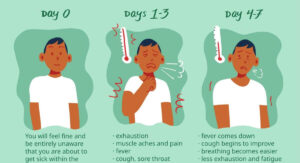
Most people get familiar with how influenza B usually moves through the body. That pattern gives a clear picture of what comes next. When symptoms shift outside that usual path, it raises questions. Caregivers start noticing differences they weren’t expecting. A change like that can mean something else is going on. Instead of staying at home and hoping things improve, reaching out to a doctor becomes necessary. The body sends signals when healing isn’t happening as planned.
1. Days One to Three Are Peak:
Early on, flu type B hits hardest—especially days one through three. That is when temperature climbs highest, muscles hurt worse, and people feel weakest. Instead of pushing forward, slowing down makes more sense now. Focus lands on lowering fever, drinking fluids steadily, and staying off your feet entirely. Any attempt to resume normal activity during peak influenza B symptoms consistently prolongs the total duration of the illness beyond what adequate rest would produce in the same individual.
2. Cough Outlasts Everything Else:
While most influenza B symptoms improve significantly by day five to seven in healthy adults, the dry cough typically persists for two to three weeks after the acute phase resolves completely. This post-influenza cough is caused by residual airway inflammation rather than ongoing active infection. Many people worry when other influenza type B symptoms clear but the cough continues. This is expected and normal and does not by itself indicate a complication unless it is accompanied by worsening breathlessness or chest pain.
3. Fatigue Lasts the Longest of All:
Most folks overlook how tired they might feel after flu B, even when feeling better. Fever fades fast, yet strength often needs more time, usually ten days or so, before things feel normal again. Jumping straight into busy routines right after sickness passes can drag exhaustion back sharply. That sudden comeback of weariness slows healing in ways many don’t expect. The body needs extended recovery time to restore the immune reserves that fighting influenza B symptoms depleted.
Influenza B Symptoms: Home Management Steps That Actually Work
- When flu B hits a healthy adult without added health issues, certain actions noticeably ease discomfort while speeding up healing along with lowering chances of problems later on. Recovery gains momentum through focused choices made early during sickness progression.
- Start with paracetamol, then switch to ibuprofen later—fever from influenza B often eases more when doses are rotated every few hours instead of sticking to just one drug the whole time. A shift between medicines can bring down temperature, whereas using only one might fall short.
- Throughout the day, keep drinking fluids steadily since flu B brings fever and sweat, both causing your body to lose water fast. When this happens, headaches often get sharper, and tiredness sticks around longer. Without enough liquid, your system struggles more when the sickness hits hardest. Staying hydrated helps balance things out, slowly reducing strain on your body as it fights back.
- Rest completely without checking phones or emails because influenza B symptoms require the immune system to have full energy access, and any mental or physical activity diverts resources away from the viral clearance the body is actively working through.
- Ask your GP about antiviral medication within 48 hours of influenza type B symptoms
appearing because oseltamivir taken in this window reduces symptom duration and severity significantly, especially for high-risk individuals and those with severe early presentations.
- Isolate yourself from vulnerable household members throughout influenza B symptoms because the virus spreads through respiratory droplets and close contact, and elderly people or pregnant women in the household face serious complication risk from the same infection.
Influenza B Symptoms Red Flags That Need Medical Attention Today:
Better odds exist for recovery at home when flu B strikes a strong immune system. Yet certain warning flags signal it’s time to see a doctor today—delaying past this point risks real harm.
- Difficulty breathing or shortness of breath appearing alongside influenza B symptoms always warrants emergency assessment because respiratory involvement may indicate pneumonia developing as a serious secondary complication requiring prompt clinical treatment.
- Influenza B symptoms seeming to improve then suddenly worsening again may indicate secondary bacterial pneumonia, which is one of the most serious complications following influenza B and requires antibiotic treatment confirmed through medical assessment today.
- When flu type B shows up with chest discomfort, get help fast. Heart muscle swelling caused by viruses does not happen often yet can turn dangerous. This issue linked to influenza B demands expert review and treatment that goes past regular doctor visits.
- When flu type B shows confusion, trouble staying alert, or changes in how someone acts, it might point to serious fluid loss or brain-related issues. These signs call for urgent hospital check-ups instead of waiting at home overnight. Quick medical attention becomes necessary under such conditions.
- By day seven, if a fit grown person still feels just as bad with flu type B, it is time to see a doctor. That pause lets someone check for problems brewing underneath. Maybe medicines that fight the virus could help at this point. Sometimes extra care makes sense once things are looked at closely. Waiting much longer might miss a chance to step in.
Conclusion
Influenza B symptoms are not a cold with ambition. They are a serious viral illness that demands genuine rest, consistent hydration, careful monitoring, and the knowledge to recognize when home management reaches its limit. I lost forty percent of my management quality by not having this information on day one. Influenza type B symptoms are understood fully and specifically from the first morning; change every decision that follows and shorten every illness that comes after.
FAQ’s
Q1. How are influenza B symptoms different from a bad cold?
Influenza B symptoms arrive suddenly rather than building gradually over days. Influenza type B symptoms produce a fever above 38.5°C, severe whole-body aching, and debilitating fatigue that colds simply never cause. Influenza type B symptoms make normal daily function genuinely impossible during the acute phase. A bad cold rarely prevents someone from functioning at all throughout its entire course from beginning to end.
Q2. How long do influenza B symptoms typically last?
Influenza B symptoms in healthy adults typically resolve in five to seven days for the acute phase. Influenza type B symptoms in teenagers and children may last seven to ten days. The dry cough associated with influenza type B symptoms often continues two to three weeks after acute illness clears. Post-viral fatigue from influenza type B symptoms may take another one to two weeks to fully resolve in most people.
Q3. Are influenza B symptoms worse in young people than older adults?
Influenza B symptoms tend to be particularly intense in children, teenagers, and young adults who have less immune memory of influenza B. Influenza type B symptoms in elderly people carry the most serious complication risk despite sometimes appearing milder initially. Influenza type B symptoms in pregnant women always require early medical contact regardless of apparent severity throughout the illness.
Q4. When should I see a doctor for influenza B symptoms?
Healthy adults with typical influenza B symptoms can usually manage at home with rest and hydration. Influenza type B symptoms in high-risk groups, including pregnant women, elderly people, and young children, always warrant medical contact. Influenza type B symptoms involving breathing difficulty, chest pain, or sudden worsening after improvement need same-day emergency assessment. Influenza type B symptoms in the first 48 hours may benefit from antiviral treatment.
Q5. Can vaccination prevent influenza B symptoms?
Annual flu vaccination significantly reduces influenza B symptoms’ risk and severity when the vaccine strain matches what is circulating. Influenza type B symptoms in vaccinated individuals are typically milder and shorter. Influenza B symptoms are not completely prevented by vaccination, but complications are consistently reduced. Influenza type B symptoms: Prevention through annual vaccination is especially recommended for elderly people, pregnant women, and those with underlying health conditions.
Summary
This blog covered influenza B symptoms from the abrupt onset through the full illness course and the warning signs requiring emergency care. Influenza B symptoms differ from influenza A in gastrointestinal involvement and particular intensity in young adults. Recognizing influenza type B symptoms accurately from day one changes every management decision. Knowing which influenza type B symptoms cross from manageable at home into medically urgent territory could change the outcome for vulnerable people experiencing influenza type B symptoms in your household or your own body.