Plant shedding is one of those topics that causes disproportionate anxiety among plant owners, partly because a pile of fallen leaves looks dramatic and alarming even when the cause is completely benign. A plant dropping a few older leaves in autumn is doing what it’s supposed to do. A plant dropping leaves due to root rot or fungal infection is doing something completely different — and those two situations need completely different responses.
This guide covers every real cause of plant shedding from seasonal leaf drop and environmental stress right through to fungal infections, bacterial diseases, viral damage, and the root rot situations that can escalate from invisible to catastrophic faster than most people expect. Real causes, real solutions, written in the kind of plain language that actually helps you make a decision.
Understand exactly why your plant is shedding leaves — and know what to do before Plant Shedding gets out of hand.
Plant Shedding Is More Normal Than Most Owners Realize:
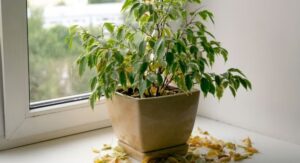
Here’s something that took me embarrassingly long to fully accept: a lot of plant shedding is perfectly healthy. Plants have lifespans for their individual leaves, just like people have lifespans for individual cells. Older lower leaves on most species complete their useful photosynthetic life and get dropped as the plant redirects its resources toward newer growth higher up the stem.
That said, not all plant shedding is benign, and the challenge is that healthy leaf drop and disease-driven leaf drop can look identical from a distance. The key is learning to look closer — at the pattern of which leaves are dropping, what condition they’re in when they fall, what the remaining leaves look like, and what’s happening in the root zone below the soil. Those details separate the “relax, it’s fine” situations from the “you need to act right now” ones, and getting that distinction right is worth the time it takes to learn.
Plant Shedding Causes Quick Diagnosis Reference Chart:
When you’re standing over a pile of fallen leaves trying to figure out what’s happening to your plant, fast pattern recognition helps enormously. This table covers the ten most common causes of plant shedding with what to look for and what to do.
| Cause of Shedding | Key Symptom Pattern | Likely Mistake Made | Recommended Action |
| Seasonal leaf drop | Older lower leaves, yellow then fall cleanly | Panicking unnecessarily | Monitor only — no intervention needed |
| Overwatering / Root rot | Soft yellow leaves, musty soil smell | Fixed watering schedule | Unpot, trim roots, repot in dry mix |
| Underwatering | Dry crispy leaves dropping fast | Ignoring soil dryness for weeks | Deep thorough watering, adjust schedule |
| Environmental shock | Rapid leaf drop after a move or repot | Sudden position change | Stable conditions, minimal disturbance |
| Fungal infection | Spotted or blotched leaves before dropping | Wet foliage, poor airflow | Neem oil treatment, remove fallen leaves |
| Bacterial disease | Water-soaked lesions, wet leaf edges | Splashing water on leaves | Remove infected material, copper spray |
| Viral infection | Mottled, distorted leaves dropping unevenly | Ignoring pest insects on plant | Isolate plant, eliminate pest vector |
| Low humidity | Brown crispy edges before leaf drop | Plant near heating vent | Humidifier, pebble tray, grouping plants |
| Nutrient deficiency | Pale yellowing, slow drop of multiple leaves | No fertilizing for many months | Balanced liquid fertilizer, soil flush |
| Pest infestation | Stippled, distorted, sticky leaves falling | Skipping weekly inspections | Neem oil, insecticidal soap, isolation |
Plant Shedding Caused by Watering Problems and Root Rot:
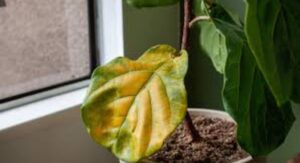
Watering-related plant shedding is the most common and most mismanaged category of leaf drop people deal with. Both overwatering and underwatering cause leaves to drop, which leads to the classic mistake of watering more in response to either problem — helpful in one case, disastrous in the other.
1. Overwatering Leaf Drop:
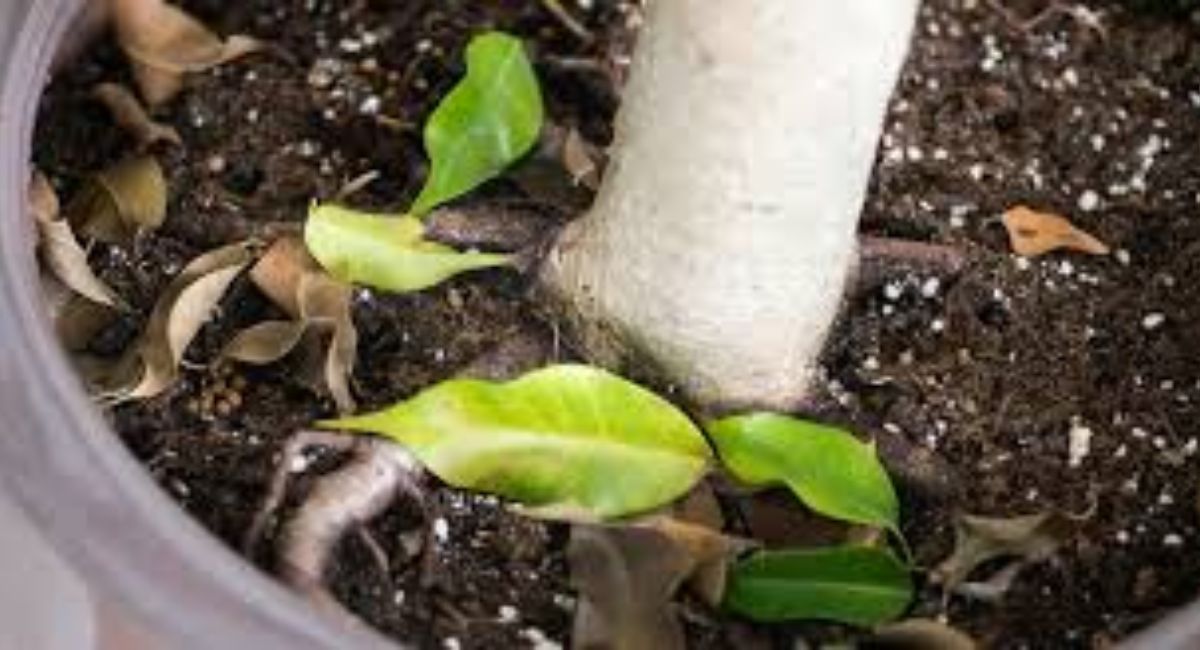
Overwatering-driven plant shedding is slower and sneakier than people expect. The leaves that drop first are usually older and lower — they go soft and uniformly yellow before detaching, often feeling slightly limp even when the soil is wet. The soil might have a faint sour smell. This pattern happens because persistently wet, poorly drained soil creates the anaerobic conditions where water mold microorganisms — Pythium and Phytophthora specifically — colonize root tissue and destroy it progressively. As root function declines, the plant can no longer support its full leaf load and begins shedding from the bottom upward.
2. Underwatering Leaf Drop:
plant leaf drop reasons from underwatering looks and feels different. The leaves that drop are typically dry and crispy rather than soft and wet — they feel papery before they fall, edges go brown and crunchy first, and the soil when you check it is bone dry and pulling away from the pot walls. The whole plant may look slightly wilted or limp in a dehydrated rather than waterlogged way. This kind of leaf drop responds quickly to correction — a thorough deep watering that soaks through to the drainage hole, then a consistent schedule of checking the top inch or two of soil regularly and watering when it dries out.
3. Root Rot Warning Signs:
The challenge with root rot-driven plant leaf drop reasons is that it hides underwater for weeks before showing above the soil. By the time leaves are dropping in volume, serious root damage has usually been developing for a long time. Early warning signs to watch for: a musty, sour odor from the pot that isn’t just damp soil smell, leaves that feel limp and dull even right after watering, and soft or discolored stem tissue at the very base near the soil line. When you unpot and look, healthy roots are white to pale cream and feel firm and springy.
Plant Shedding from Disease Fungal and Bacterial Infections:
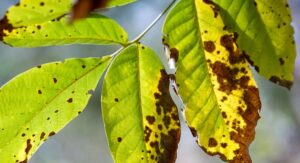
Disease-driven plant shedding follows patterns that are recognizable once you know what to look for. Fungal, bacterial, and viral causes each present differently — and treating them correctly requires knowing which one you’re actually dealing with before reaching for any product.
1. Fungal Infection Drop:
Falling leaves often trace back to fungi gnawing at the foliage, making it too frail so the plant lets go. Grayish fuzz creeping from old wounds? That is likely botrytis, a frequent guest where air barely moves indoors. Spots showing up like inkblots ringed in pale gold – courtesy of cercospora or colletotrichum – mean trouble already spreading under damp, still conditions. Moist air plus little circulation gives these invaders exactly what they need.
2. Bacterial Blight Shedding:
Water landing on leaves helps spread bacterial issues quicker than fungus, which often looks quite unlike what fungi cause. Spots filled with moisture show up when Xanthomonas or Pseudomonas get into houseplants, growing fast and shifting toward blackish tones, edges seeming damp. Softness comes next, a kind of see-through quality in damaged parts just before they fall off. Though fungi creep slowly, these invaders rush forward with help from shared tools, touch between leaves, or droplets flying around. Once signs appear, take out sick sections right away instead of waiting.
3. Virus-Driven Leaf Loss:
Viral infections cause plant leaf drop reasons through a fundamentally different mechanism than fungi or bacteria. Mosaic virus and similar pathogens, delivered by sap-sucking insects like aphids, thrips, and whiteflies, disrupt the plant’s cellular metabolism at a basic level — leaves develop irregular mottled yellow-green patterns, new growth emerges distorted and undersized, and the plant gradually sheds compromised leaves as its overall vitality declines. There is no chemical treatment for a virus.
Plant Shedding Due to Environmental Stress and Shock:
Some of the most dramatic and alarming plant shedding episodes have nothing to do with disease — they’re pure stress responses to environmental changes. Understanding these triggers prevents the anxiety and overreaction that can actually make the situation worse.
1. Relocation Stress Response:
Moving a plant — even just across a room — can trigger significant plant leaf drop reasons in sensitive species like fiddle leaf figs, gardenias, and citrus. These plants are remarkably attuned to light direction, air movement, temperature, and humidity in their established spot, and disrupting even one of those variables can cause rapid leaf drop within days of the move. The leaves that drop are often still green or only slightly yellow — the plant is genuinely shocked rather than diseased or nutrient-depleted. The best response is counterintuitive: do nothing.
2. Seasonal Leaf Cycling:
Truly natural plant leaf drop reasons — the kind that’s part of a plant’s normal lifecycle rather than a symptom of anything wrong — happens most visibly as day length shortens in autumn. Deciduous houseplants like some ficus varieties, certain citrus types, and many tropical species slow their metabolism as light levels drop, which triggers the dropping of older leaves that are no longer photosynthetically efficient enough to justify the resources the plant is spending to maintain them. This shedding is orderly — it happens gradually from the oldest leaves inward and upward — and the plant looks otherwise healthy throughout.
3. Low Humidity Leaf Drop:
plant leaf drop reasons driven by inadequate humidity is common in winter when indoor heating drops moisture levels sharply, and it’s often misread as underwatering because the timing is similar and the crispy leaf appearance is comparable. The difference: humidity-stressed leaves go brown and dry at their edges first, then drop, while the soil moisture level is actually fine. Tropical plants like ficus, gardenias, calatheas, and most palms are most vulnerable.
Plant Shedding Prevention Tips That Actually Work Consistently:
Most plant shedding emergencies are preventable. These five habits, practiced consistently, eliminate the majority of shedding causes before they develop far enough to become a problem worth panicking over.
- Check soil moisture with your finger two inches deep before every single watering decision — this one habit eliminates most overwatering-driven plant leaf drop reasons entirely, because it removes the guesswork that leads to roots sitting in soggy, pathogen-friendly conditions for days longer than they should.
- Inspect every plant’s leaves weekly — top surfaces, undersides, and where stems meet soil — because plant shedding driven by pest infestations, early fungal infections, and bacterial disease is dramatically easier and cheaper to treat in its first week than after it’s been developing unnoticed for a month.
- Maintain consistent temperature and position for sensitive species like fiddle leaf figs and gardenias, because plant leaf drop reasons triggered by environmental shock is almost entirely preventable — just decide where a sensitive plant will live before you bring it home and commit to keeping it there through seasonal changes.
- Use a well-draining soil mix with perlite and bark rather than standard potting mix alone, because the airy structure it creates actively prevents the waterlogged root zone where the microorganisms responsible for root-rot-driven plant leaf drop reasons establish themselves and begin destroying root tissue silently.
- Run a humidifier or use pebble water trays during winter heating months to maintain humidity above forty-five percent for tropical species, because low-humidity plant leaf drop reasons is entirely preventable with minimal investment and significantly outperforms misting, which evaporates too fast to genuinely move the humidity needle in most indoor spaces.
Plant Shedding Recovery Steps When Your Plant Looks Terrible:
When plant shedding has already gotten serious and the plant looks genuinely rough, the recovery process needs to be methodical rather than reactive. Here’s the sequence that actually works.
- Diagnose before treating — examine the dropped and remaining leaves carefully for signs of spots, mold, mottling, or pest damage so you can identify whether the plant shedding is disease-driven, stress-driven, or care-driven before accidentally making things worse with the wrong intervention applied confidently to the wrong problem.
- Pull the plant from its pot and inspect the root ball directly if yellowing is progressing and soil smells off — this step takes two minutes and reveals root rot or healthy roots immediately, which is the single most useful piece of diagnostic information you can have when plant leaf drop reasons is ongoing and the cause isn’t obvious from the leaves alone.
- Move the plant to a stable, well-lit, well-ventilated spot after any treatment and leave it alone for at least two weeks —plant leaf drop reasons recovery requires physiological stability, and moving, repotting again, fertilizing, or repeatedly changing conditions resets the stress clock and delays genuine recovery significantly.
- Hold off on fertilizing for six to eight weeks after any major intervention like repotting or root trimming — feeding a stressed, recovering plant pushes it to allocate energy toward growth it cannot yet support, prolonging the plant leaf drop reasons phase and potentially burning damaged roots with fertilizer salts before they’ve healed enough to handle nutrients.
- Document what the plant looks like with your phone camera every few days during recovery — this visual record makes it much easier to see whether plant shedding is slowing down and new growth is appearing, or whether the situation is still actively declining and requires a more aggressive intervention than what you’ve already tried.
Conclusion
Plant shedding is one of the most misread signals in houseplant ownership — alarming when it’s fine, invisible when it’s serious, and almost always diagnosable if you slow down and actually look at what the plant is telling you. Learn the patterns, check the roots when in doubt, respond with the right fix rather than the most obvious one, and the plants in your care will recover from most episodes faster than you’d expect.
FAQ’s
Q1. Is all plant shedding a sign that something is seriously wrong?
No — a significant amount of plant shedding is completely natural. Older lower leaves dropping as the plant grows, seasonal leaf cycling as day length shortens, and minor adjustment shedding after a move are all normal. The key is recognizing the pattern and pace to distinguish natural from problematic leaf drop.
Q2. How do I know if plant shedding is caused by overwatering or underwatering?
Overwatering-related plant shedding produces soft, uniformly yellow leaves with possible soil odor. Underwatering causes dry, crispy leaves that feel papery before dropping. Check soil moisture at two inches depth — wet soil confirms overwatering, bone-dry soil confirms underwatering, and treatment needs to match the actual cause found.
Q3. Can fungal infections really cause significant plant shedding indoors?
Absolutely. Fungal diseases like botrytis gray mold and Cercospora leaf spot are genuine causes of plant shedding in humid, poorly ventilated indoor spaces. Leaves develop visible spots or mold patches before dropping. Weekly neem oil treatment for three to four weeks resolves most fungal infections if started at the first spotted symptoms.
Q4. Why did my plant suddenly start shedding after I moved it to a new spot?
Relocation shock is a recognized cause of rapid plant shedding in sensitive species like ficus and gardenias. The plant is responding to changes in light, airflow, humidity, and temperature simultaneously. The best response is stabilizing conditions and leaving the plant completely undisturbed for two to four weeks while it adapts and settles.
Q5. What does virus-related plant shedding actually look like?
Virus-driven plant shedding is accompanied by irregular yellow-green mottling across leaves and distorted new growth that doesn’t improve regardless of care changes. Unlike nutrient deficiencies with clean geometric patterns, viral damage looks random and unpredictable. Isolate the plant immediately and eliminate any sap-sucking insects that may be spreading the pathogen.
Q6. How quickly does root rot cause plant shedding to start?
Root rot begins causing plant shedding gradually — typically weeks after waterlogging begins, as root function declines and the plant can no longer support its full leaf load. By the time visible shedding accelerates, significant root damage has usually already occurred. That’s why checking roots directly rather than waiting for leaf symptoms is so important.
Q7. Can low humidity alone cause serious plant shedding?
Yes — humidity-related plant shedding is common in winter when indoor heating significantly drops air moisture. Tropical plants show brown crispy leaf edges that progress to full leaf drop. This is often misdiagnosed as underwatering. The solution is a humidifier or pebble tray rather than increased watering, which risks creating root rot.
Q8. What soil mix best prevents disease-driven plant shedding from developing?
Two parts potting mix with one part perlite and one part orchid bark creates the airy, fast-draining structure that prevents the waterlogged root conditions where the microorganisms responsible for root-rot-driven plant shedding thrive. Dense standard potting mix alone compacts over time and holds moisture far longer than most indoor plants tolerate well.
Summary
Plant shedding covers everything from completely healthy seasonal leaf cycling to urgent disease emergencies — and knowing which one you’re dealing with is the entire challenge. This guide walked through every major cause: the watering patterns that lead to root rot, the fungal infections that spread through wet foliage and poor airflow, the bacterial diseases that escalate faster than people expect, viral damage carried in by pest insects, and the environmental stresses like humidity drops and relocation shock that trigger dramatic but recoverable leaf drop episodes