I discovered neem oil for plants the hard way — after losing two entire raised beds of vegetables to a combined spider mite and powdery mildew disaster that I had absolutely no idea how to handle. A neighbor walked over, took one look at my garden, and handed me a bottle of cold-pressed neem oil with a matter-of-fact “just use this.” I mixed it wrong the first time, burned a few leaves, nearly gave up on it entirely.
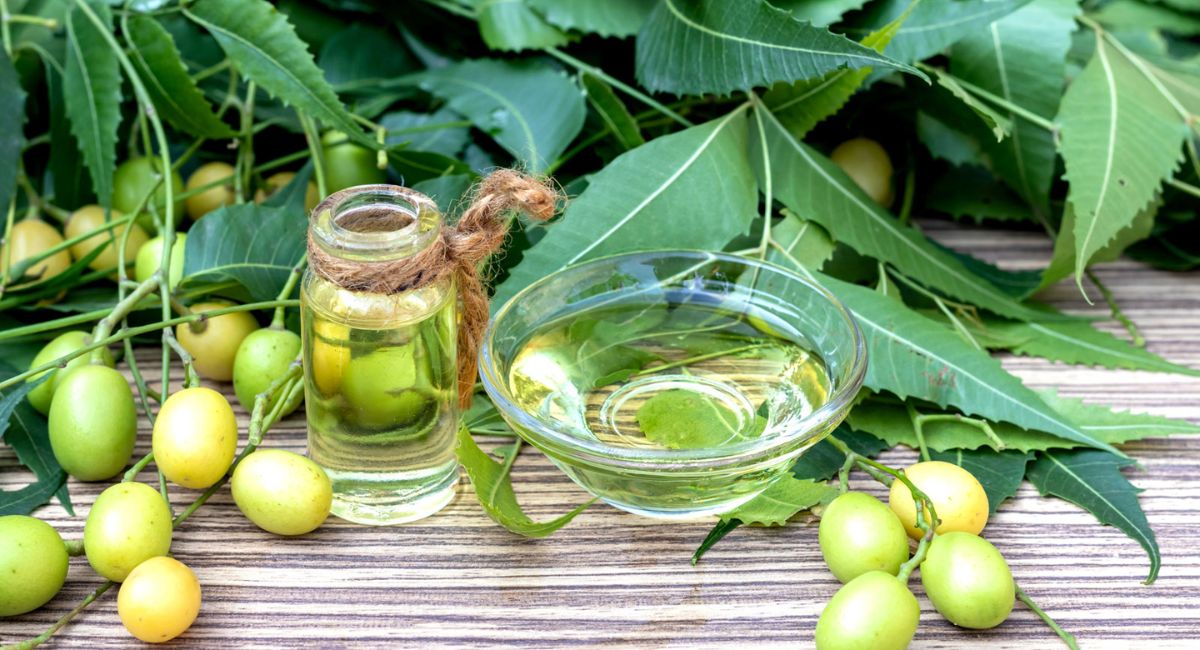
Neem oil for plants is not a trend or a gardening gimmick — it is a genuinely effective, broad-spectrum organic treatment that handles fungal infections, bacterial disease risks, pest infestations, and even acts as a soil drench against harmful microorganisms at the root zone. Extracted from the seeds of the neem tree (Azadirachta indica), it contains azadirachtin as its primary active compound — a substance that disrupts the hormonal systems of insects and suppresses the germination of fungal spores without creating the chemical residues or pest resistance patterns that synthetic treatments generate.
Learn these proven secrets for using neem oil for plants and get an organic solution that protects pests and diseases.
Neem Oil for Plants Understanding How It Actually Works:
Most people start using neem oil for plants without fully understanding the mechanism behind why it works — which is part of why so many people use it incorrectly and then conclude it does not work at all. The primary active compound, azadirachtin, does not kill insects the way synthetic pesticides do. It does not deliver a quick knock-down effect. Instead, it interferes with the hormonal system that insects rely on for molting, reproduction, and feeding behavior.
Beyond its insecticidal properties, neem oil for plants has meaningful antifungal and antibacterial activity that is often overlooked in basic pest-control discussions. The oil physically coats fungal spores and prevents them from germinating on the leaf surface — it works better as a preventive measure than as a cure for established fungal infections, but applied early enough it stops outbreaks of powdery mildew, downy mildew, and various leaf spot diseases before they cause serious damage.
Neem Oil for Plants Correct Mixing and Application Methods:
Right ratios decide whether plant neem oil succeeds – more often than not, mistakes happen here. Though powerful alone, raw cold-pressed neem resists water unless something helps bind it. Soap acts that bridge, so try blending a teaspoon of liquid dish soap or bug-killing soap into each liter of warm water before adding one or two teaspoons of the oil. That mix keeps things stable long enough to apply evenly.
When you use neem oil on plants, when you do it counts as much as how you mix it. Try early morning or late evening instead of under harsh daylight. Wet leaves with oil can focus sunlight like a magnifying glass, scorching greenery even if diluted right. High temperatures make the active ingredient fade fast – sometimes gone in hours. Spraying at dawn lets the liquid settle and dry before things warm up, hitting pests when they’re munching hardest.
Burned leaves after neem application? This almost always means the concentration was too high or it was applied in direct sun. Dilute to one teaspoon per litre instead of two, always apply in low-light conditions, and never spray a plant that is already drought-stressed — the oil penetrates stressed, partially open stomata more aggressively and causes the burn patches that make people abandon neem oil unnecessarily.
Neem Oil for Plants Complete Application Reference Table:
| Problem / Use Case | Dilution Rate | Application Method | Frequency / Notes |
| Spider Mites | 2 tsp neem + 1 tsp soap per litre | Full spray, focus on leaf undersides | Every 7 days for 3–4 weeks |
| Mealybugs | 2 tsp neem + 1 tsp soap per litre | Spray all surfaces; swab colonies | Every 5–7 days for 3 weeks |
| Aphids | 1–2 tsp neem + 1 tsp soap per litre | Spray new growth tips and undersides | Every 5 days; knock off with water first |
| Fungus Gnats (soil) | 2 tsp neem per litre soil drench | Drench soil to root zone depth | Every 7 days for 3 weeks; let topsoil dry |
| Powdery Mildew | 1.5 tsp neem + 1 tsp soap per litre | Spray all leaf surfaces thoroughly | Every 7 days, preventive use is best |
| Fungal Leaf Spot | 2 tsp neem + 1 tsp soap per litre | Spray; remove worst affected leaves first | Every 7 days for 4 weeks |
| Root Rot Prevention | 2 tsp neem per litre water, no soap | Soil drench once per month | Preventive; improve drainage first |
| Thrips | 2 tsp neem + 1 tsp soap per litre | Spray all surfaces; repeat consistently | Every 5 days; thrips are persistent pests |
| Scale Insects | 2 tsp neem + 1 tsp soap per litre | Scrub off first; then saturate stems | Every 10 days for a month |
| General Prevention | 1 tsp neem + 0.5 tsp soap per litre | Light spray all surfaces; soil drench monthly | Every 2–3 weeks through growing season |
Neem Oil for Plants Against Fungal Disease Problems:
Most plant fungi meet their match when neem oil steps in – one solution tackling many problems usually demanding separate treatments. Success leans heavily on using it before infection strikes, not after trouble shows up. Timing shapes results more than strength ever could.
1. Powdery Mildew:
Out comes a grayish coat on plant tips – mildew’s calling card, one wipe of neem knocks it down fast. When heat dances with damp air, those fungi types creep close, yet the oil stands like skin no pathogen slips through. Rather than wait for invasion, it chokes off beginnings mid-air. Hidden deep in every droplet, azadirachtin jams cell division, cutting supply lines early.
2. Fungal Leaf Spot:
Various fungal leaf spot diseases — caused by Cercospora, Alternaria, and Septoria species among others — produce the dark lesioned, yellow-haloed spots that alarm plant owners and spread rapidly through a canopy in humid conditions. Using neem oil plant spray at a slightly stronger concentration of two teaspoons per litre, combined with removing the most heavily affected leaves before spraying, stops most leaf spot outbreaks within three to four weeks. The neem coating on healthy remaining leaf tissue prevents new spore germination while the plant recovers and produces clean replacement growth.
3. Root Zone Fungi:
Right where roots struggle, neem oil steps in quietly. Monthly soaks into the ground cut down troublemakers like Phytophthora, Fusarium, and Pythium when plants get too much water. Instead of killing everything, it blocks their reproduction cycle thanks to azadirachtin and similar elements inside. Friendly fungi that feed roots stay unharmed throughout the process. Hidden beneath the surface, protection takes hold without fanfare.
Neem Oil for Plants Tackling Common Pest Infestations:
Pest control is probably the most well-known use of neem oil for plants, and for good reason — it has a documented effect on over 200 insect species while remaining safe for beneficial insects like bees and ladybirds when used correctly. The key to effectiveness is consistency and coverage, not concentration.
1. Spider Mite Control:
Those little spider mites? Neem oil hits them hard. Smothering happens fast – the oil coats each creature plus its eggs, cutting off air. Even if some escape suffocation, azadirachtin steps in, messing with their growth so they never mature right. What matters most: aim under every leaf. That hidden space beneath foliage is where they eat, hide, and multiply. Most sprays miss it completely. Stick to a rhythm once each week, no breaks. A single pause gives hatched young time to regroup before the next round arrives.
2. Aphid Management:
Water blasting comes first when tackling aphids – hit the plant hard with a stream to wash most of them away. Only after that does neem oil become far more effective. The spray takes care of stragglers, messing with their life cycle so fewer come back. Survival chances drop sharply once the combo is used together. These pests spread nasty diseases like mosaic virus from leaf to leaf. Regular neem use blocks both bugs and illness, doing real protective work beyond just cleaning up appearance.
3. Fungus Gnat Larvae:
Fungus gnats are where the soil drench application of neem oil plant spray truly shines. The adult gnats are annoying but largely harmless — it is the larvae living in the top few inches of moist soil that damage roots by feeding on root hairs and creating wounds that soil-borne bacteria and fungi then exploit. Drenching the soil with diluted neem oil every seven days for three weeks kills larvae at the root zone level and prevents new eggs from developing.
Neem Oil for Plants Addressing Yellowing and Stress Symptoms:
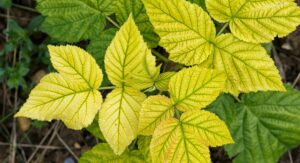
Plant growers sometimes turn to neem oil for plants when they notice yellow leaves, hoping it will fix a disease or pest problem causing the discoloration. In some cases it will — but yellow leaves have multiple causes, and correctly identifying which one you are dealing with changes whether neem is the right response or whether something else needs to happen first.
1. Pest-Caused Yellowing:
When yellowing leaves on a plant result from pest feeding damage, neem oil for plants is genuinely the right intervention — spider mites, thrips, and aphids all cause chlorosis by puncturing leaf cells and draining their contents, leaving behind the yellow stippling and bronzing that looks similar to nutrient deficiency. Close inspection with a magnifying glass to confirm pest activity before spraying saves time. Once pests are confirmed, weekly neem applications for three weeks while simultaneously treating the root zone as a drench typically resolves both the infestation and halts further yellowing from spreading to newer growth.
2. Fungal Yellowing:
Yellow leaves often point to fungal issues, yet spotting that early gives you an edge. Though downy mildew shows splotches up top, its real mark lies underneath – fuzzy grey or purple signs hiding beneath the surface. Most mistake this for poor feeding, but moisture and shade actually feed the mold. Spraying neem oil every week coats both sides of each leaf, breaking how spores multiply. Fresh green tips emerge once the spread slows, proof the treatment sticks. Timing matters more than strength when stopping creep between stems.
3. Bacterial and Viral Issues:
Bacterial infections and viral diseases both cause leaf discoloration, though neem oil plant spray has limited direct effect on established bacterial lesions and zero curative effect on viral infections once they are inside the plant’s tissue. Where it helps with bacterial problems is in preventing the soft-bodied insect vectors — aphids, whiteflies, thrips — from spreading bacteria and virus particles between plants. Regular neem applications as a preventive program meaningfully reduces viral transmission rates in a plant collection by keeping vector populations low throughout the growing season.
Neem Oil for Plants Indoor Use Safety and Storage Guide:
- Always testneem oil for plantson a single leaf 24 hours before treating the whole plant — every species reacts slightly differently, and this patch test catches sensitivity issues before a full application damages foliage that was perfectly healthy before treatment.
- Store your neem oil plant spray in a cool dark place away from sunlight and temperature extremes — the azadirachtin compound degrades quickly in heat and light, and oil that has been stored incorrectly for more than a few months loses most of its active potency even when the product looks and smells perfectly normal.
- Never apply neem oil plant spray to seedlings under two weeks old or to plants experiencing drought stress — both situations leave the plant physiologically vulnerable to the oil penetrating stomata too aggressively, causing the leaf burn that most beginners encounter and incorrectly attribute to using the wrong product.
- Mix only what you need for each session when using neem oil plant spray — the emulsified solution degrades within about eight hours and loses effectiveness rapidly after mixing, so making large batches to store and use across multiple days wastes product and delivers inconsistent results with each subsequent application.
- When using neem oil plant spray indoors, open windows for ventilation during and after application — the oil has a strong, distinctive garlic-sulfur smell that most people find unpleasant in enclosed spaces, and adequate airflow during application also helps the spray dry properly rather than pooling on leaf surfaces.
Neem Oil for Plants Seasonal Application Schedule and Tips:
- Start usingneem oil for plantsas a preventive spray every two to three weeks from the very beginning of spring — hitting plants before pest populations build and fungal spores germinate is dramatically more effective than trying to catch up with an established problem mid-season when populations are already high.
- Increase application frequency of neem oil plant spray every seven days during monsoon or high-humidity periods when fungal diseases like powdery mildew, downy mildew, and various leaf spot infections are at their peak pressure — warm, wet conditions accelerate spore germination faster than the standard biweekly schedule can keep up with.
- Scale back neem oil plant spray applications significantly in winter for outdoor gardens — most pest populations drop naturally in cold weather, and applying neem to cold, slow-growing plants increases the burn risk while delivering less benefit since target insects are largely dormant and fungal pressure is lower.
- After heavy rain washes off a recent neem oil plant spray application on outdoor plants, reapply within 24 hours — rain completely removes the protective coating from leaf surfaces and the soil drench dilutes below effective concentration, leaving the plant unprotected during the moist post-rain period when fungal spore germination peaks.
- Combine preventive oil for plants spraying with a monthly soil drench throughout the growing season to create a layered defense that handles both aerial pest and fungal pressure through foliar application and soil-borne pathogen suppression through root zone treatment simultaneously.
Conclusion
After fifteen years of gardening and trying more products than I can remember, neem oil for plants remains the one thing I genuinely cannot imagine gardening without. It handles pests without creating resistance, treats fungal infections before they spiral into defoliation disasters, suppresses soil-borne pathogens that cause root rot, and does all of it without leaving dangerous residues on edible crops. Mix it right, apply it at the right time, do it consistently — and neem oil plant spray becomes the most reliable tool in your entire plant care kit.
FAQ’s
Q1: How often should I apply neem oil for plants in my garden?
For active pest or fungal problems, apply neem oil for plants every five to seven days for three consecutive weeks to break the pest reproductive cycle. For general prevention during the growing season, every two to three weeks is sufficient. Consistency across the full treatment period matters more than frequency of any single application.
Q2: Can neem oil for plants burn leaves?
Yes — neem oil for plants burns leaves when concentration is too high, applied in direct sun, or used on drought-stressed plants. Always apply in early morning or evening, stick to one to two teaspoons per litre, and patch-test on one leaf 24 hours before treating a whole plant to catch any species-specific sensitivity early.
Q3: Does neem oil for plants kill beneficial insects like bees?
Neem oil for plants is safe for bees, ladybirds, and other beneficial insects when applied correctly — specifically by spraying in the early morning or evening when pollinators are not actively foraging. The azadirachtin compound affects insects through ingestion and contact during feeding, and beneficial insects generally avoid treated surfaces once dry.
Q4: Can I use neem oil for plants as a soil drench for root rot?
Yes — neem oil for plants as a soil drench suppresses the Phytophthora and Pythium microorganisms responsible for root rot without harming beneficial mycorrhizal fungi. Use two teaspoons per litre without soap and drench monthly. Improving drainage and fixing overwatering habits must happen simultaneously — neem alone cannot overcome structural soil problems.
Q5: How do I mix neem oil for plants properly?
Proper mixing for neem oil for plants requires an emulsifier — add one teaspoon of liquid dish soap to a litre of lukewarm water first, then add one to two teaspoons of cold-pressed neem oil and shake vigorously before and throughout application. Pure neem oil will not disperse evenly in water without the soap emulsifier present.
Q6: Does neem oil for plants work against fungal diseases?
Neem oil for plants works well against powdery mildew, downy mildew, and various fungal leaf spots by coating and preventing spore germination on the leaf surface. It works best as a preventive measure or in early infection stages. Established fungal infections with heavy leaf damage need the worst leaves removed before neem spray becomes fully effective.
Q7: Is neem oil for plants safe on vegetables and edible crops?
Neem oil for plants is widely considered safe on edible crops and is approved for organic growing in most countries. Allow 24 hours between application and harvest to let the coating dry. The compound azadirachtin breaks down rapidly in sunlight and does not accumulate in plant tissue or soil in ways that affect food safety.
Q8: Why is my neem oil for plants not working on pests?
The most common reasons neem oil for plants fails to control pests are incorrect dilution, missing the leaf undersides where pests actually live, applying in hot direct sunlight which breaks down azadirachtin before it works, or applying only once rather than consistently every seven days for the full three-week treatment cycle needed to eliminate an established population.
Summary
Neem oil for plants is the closest thing to a single all-purpose organic plant care solution that genuinely exists — it controls pests through hormonal disruption, suppresses fungal infections by preventing spore germination, protects the root zone against the microorganisms behind root rot as a soil drench, and reduces virus transmission by keeping vector insect populations in check. Mixing it correctly with an emulsifier, applying in early morning or evening, and maintaining consistent weekly applications through each treatment cycle are the three things that determine whether neem oil for plants works brilliantly or disappoints entirely.