Thursday morning I woke at 5 a.m. with stomach pain I could barely stand. I stayed on the floor questioning everything. My wife became sick afternoon and my daughter Nadia followed Saturday got infected inside our house over six days. We had underestimated how quickly stomach flu spreads within families and how easily contact passes illness between people. Looking back, I realized we lacked the knowledge needed to stop the infection and protect everyone once the virus entered our home.
Thursday morning I woke at 5 a.m. with pain so intense I could barely stand. I stayed on the bathroom floor questioning everything. My wife became sick in the afternoon and my daughter Nadia followed Saturday. One person after another got infected our house over six days We had underestimated how quickly stomach flu spreads within families and how easily contact passes illness between people. Looking back, I realized we lacked the knowledge needed to stop the infection once virus entered our home.
Stomach flu affects millions yearly yet most people misunderstand what causes it how it spreads and what treatments help recovery
The Name Is Wrong and That Causes Real Problems in Stomach Flu:
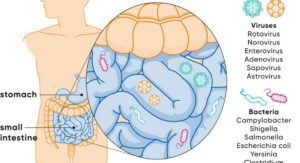
Right off the bat, stomach flu isn’t the flu at all. Clearing up that mix-up matters—people hear the name and assume it’s related to influenza, which trips them up later. What most refer to as “stomach flu” really goes by “viral gastroenteritis.” “Gastro” points to the gut, including the stomach and intestines. Inflammation there? That’s the “-itis.” And when a virus drives it, not bacteria, you land on viral. Names matter more than they seem. Most grown-ups get sick from norovirus, while rotavirus, adenovirus, or astrovirus sometimes play a role too. Contrary to what many think, none are related to influenza.
They stem from entirely different virus groups. The yearly flu vaccine does nothing to stop these particular viruses. Tamiflu does nothing against them. They are completely different illnesses that happen to both make you feel terrible in their own specific ways. Here’s why it counts: folks act on their beliefs about illness. Right after Tariq fell ill, I turned to my mom—she remembered an old bottle of antibiotic liquid tucked away since his ear problem back in autumn.
Her idea? Try giving it to him now. These drugs wipe out bacterial invaders. But what he actually faced came from a viral spark. The gut bug spreads through viruses. That antibiotic would have done exactly nothing for the stomach flu, and giving unnecessary antibiotics to a child contributes to antibiotic resistance which is its own serious public health problem.
Knowing what stomach flu actually is means knowing what it is not and therefore knowing which treatments are a waste of time and which are genuinely useful. The short version is that there is no medication that kills the viruses causing stomach flu. The illness runs its course. Your job during it is to keep yourself hydrated enough to get through the course without landing in urgent care for IV fluids
Stomach Flu Compared to Food Poisoning and Influenza:
That morning on Thursday, sickness hit without a clear reason. Hard to tell one cause from another at first glance. Symptoms look too much alike. A quick contrast might have cleared things up sooner.
| Comparison Point | Stomach Flu | Food Poisoning | Real Influenza |
| What Actually Causes It | Norovirus, rotavirus or related viruses | Bacteria, toxins or parasites from contaminated food | Influenza A or B virus specifically |
| How Fast Symptoms Start | 12 hours to 3 days after contact with virus | 30 minutes to 8 hours after eating the bad food | 1 to 4 days after exposure to the flu virus |
| Main Symptoms You Feel | Nausea, vomiting, diarrhea, stomach cramps, low fever | Vomiting and diarrhea, cramps, sometimes fever | High fever, severe body aches, fatigue, cough, congestion |
| Runny Nose or Chest Symptoms | Almost never at the start | No | Yes, almost always cough and congestion |
| How Long It Typically Lasts | 1 to 3 days for most healthy adults | Usually 24 to 48 hours | 5 to 7 days, fatigue can last weeks |
| How It Spreads | Person to person through contact and surfaces | Through contaminated food or water only | Through coughs, sneezes and respiratory droplets |
| Do Antibiotics Help | No. Virus not bacteria | Sometimes if bacterial cause is confirmed | No. Antivirals only in severe cases |
| Is There a Vaccine | Rotavirus vaccine for infants only | None available | Yes, annual flu shot works well |
| Best Clue to Tell Them Apart | No runny nose, fast fever onset, gut symptoms dominant | Ate something suspicious hours before getting sick | Chest and respiratory symptoms prominent from early on |
Turns out the stuff I kept using by the sink did zero to stop what was spreading. Only found this out once every person in the home was already down with it. That common sanitizer? Don’t touch norovirus. My routine of squeezing gel each time I touched a knob or plate felt responsible and looked diligent – but changed nothing. The whole week, I acted like it helped while the germ passed right through us.
Norovirus has a protein outer coat that resists the alcohol concentrations found in standard sanitizer products. What actually works is soap and water for a minimum of 20 seconds with genuine friction between fingers and under nails. And for surfaces, a bleach solution. Specifically around 5 to 25 tablespoons of regular household bleach per gallon of water depending on the concentration listed on your bottle.
Most standard disinfectant sprays, even ones marketed as killing 99.9 percent of germs, are not certified effective against norovirus. I own three different kinds of those sprays. None of them were the right tool. Bleach was the right tool, and I did not use it until day four when everyone was already sick. Live and learn. Now you know before the situation arrives.
What Happens Inside Your Body During Stomach Flu:
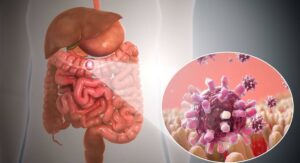
One moment it hit—nausea, then chills. Suddenly, reading about the germ made the shaking feel smaller somehow. Here’s the quiet invasion that unfolds when the illness reaches your gut.
1. Why Vomiting Feels Intense Early On:
Inside the small intestine, norovirus targets the lining cells without delay – once it moves in, copying itself kicks off right away during Stomach Flu. When harm spreads through these cells, swelling follows; absorption across the gut wall then fades out like a signal lost. Water meant for blood absorption collects in the gut instead during Stomach Flu.
When the gut’s own nerve web notices trouble, it fires urgent messages. These warnings set off both vomiting and diarrhea at once, clearing out the problem. The body uses this double response like an internal flush during Stomach Flu. The vomiting is most intense in the first 12 to 18 hours because that is when viral replication is peaking. After that window it tends to decrease significantly in most healthy adults even while other symptoms remain present for another day or two during Stomach Flu.
2. Body Aches During Stomach Illness Explained:
Out of nowhere, my arms and legs burned like I’d run miles, though I just lay there sick. Fever carved grooves under my skin, sharp and low. Every shift in bed tugged at something tender, far beyond the cramps twisting my center. It surprised me how deeply it reached – aching elbows, stiff neck, a scalp that stung to touch. Not because germs camped out in tissue. Just how the sickness moved through, without asking.
When invaders slip into the gut, tiny proteins called cytokines pour into blood during Stomach Flu. Made by immune cells, these signals shoot outward the instant guards sense danger. Trouble triggers a swift reply – messages spread wide, leaping past where it started. Discomfort surfaces throughout the body as these messages take effect. Widespread unease follows their path. Heat rises, energy drops, joints protest, thinking slows – all signs pointing to defense work, not viral presence down below. Your body is fighting hard and that fight has a physical cost that you feel everywhere, not just in your stomach during Stomach Flu.
3. The Fever and What It Means:
Body heat rising to 100–102°F when you have Stomach Flu? That’s normal. Instead of slowing things down, warmth pushes immune cells to move faster. Viruses find it harder to multiply inside a hotter body. So the fever isn’t the problem – it’s part of the fix. Fever isn’t proof that things got worse.
Sometimes heat in the body shows defenses at work. Still, when readings climb past 103 and stay high despite fluids and calm, take note. Another red flag appears when the fever vanishes for about twenty-four hours before rushing back stronger. This kind of shift may point to bacteria instead of a virus at work. Or perhaps another illness has taken hold while the stomach bug lingers. In such cases, staying home might
Hydration Is the Main Job, and It Is Harder Than It Sounds:

Everybody says drink fluids and nobody explains what that actually means when your body is rejecting every fluid attempt you make. Let me be more honest and more specific about this than most sources are willing to be.
1. Plain Water During Active Vomiting Can Actually Make Things Worse:
When you vomit repeatedly over several hours during Stomach Flu, you are not just losing water. You are losing sodium, potassium, chloride and bicarbonate in significant quantities. The specific symptoms of serious dehydration, the lightheadedness, the muscle cramps, the mental fog that goes beyond normal sick-brain, the racing resting heart rate, these come from electrolyte loss not just fluid volume loss during Stomach Flu. When your body lacks fluids, gulping down too much regular water spreads out what salts remain in your bloodstream.
This thinning effect might intensify hyponatremia, a state where low sodium levels trigger headaches or queasiness at first, yet lead to disorientation if things escalate. Solutions taken by mouth were made for this – they deliver moisture along with essential minerals. Instead of plain water alone, they balance what the body actually needs. Pedialyte, Liquid IV, homemade water with a small amount of salt and sugar, these do what plain water cannot. Sports drinks are better than nothing but their high sugar content can worsen diarrhea in some people so they are a distant third choice behind a proper oral rehydration solution.
2. Small Sips Are Not Just Comfort Advice They Are Physiology:
When your body lacks fluids, gulping down too much regular water spreads out what salts remain in your bloodstream. This thinning effect might intensify hyponatremia, a state where low sodium levels trigger headaches or queasiness at first, yet lead to disorientation if things escalate. Solutions taken by mouth were made for this – they deliver moisture along with essential minerals. Instead of plain water alone, they balance what the body actually needs.
One tablespoon of oral rehydration fluid every five minutes sounds completely inadequate when you are desperate and haven’t kept anything down for six hours. But at that rate the fluid absorbs through the stomach mucosa before the volume builds high enough to trigger rejection. It is slow. It is frustrating. It works. Attempting to gulp a glass of anything when your stomach is at peak inflammation will almost certainly produce a result that sets you back to zero in under five minutes. I know this from personal experience and I share it so you can skip that particular lesson.
3. The Signs That Dehydration Has Gone Beyond What Home Management Can Handle:
Some grown-ups feel better after sipping a little water now and then. Yet when certain symptoms show up, staying at home might not be enough anymore. Urine that is very dark amber or no urine at all for eight or more consecutive hours means your kidneys are in conservation mode from severe fluid deficit. Dizziness is genuine instability when standing, not just a brief head rush. Dry, sticky lips and mouth go beyond simple thirst.
Pull up the skin on the back of your hand—when it holds its peak briefly, that slow bounce means fluid loss has gone far enough for medics to take note. Your pulse pounds at rest even though nothing’s pushing it. Thinking feels off, not like regular illness fatigue but something deeper, unfamiliar, harder to shake. Any of these in a healthy adult means urgent care. In children under two and adults over 70 these signs appear at lower fluid deficits and the threshold for going in should be meaningfully lower.
What to Eat While Sick and Recovering from Stomach Flu:
When throwing up happens, eating isn’t helpful. The body uses that time to push out what’s causing trouble. Putting food in only gives it more to deal with.
Once vomiting has stopped and you have had four to six consecutive hours without an episode, food becomes relevant again. Here is how that progression actually goes in real life.
1. The Window Right After Vomiting Stops:
Clear liquids only for the first stretch after the vomiting phase ends. Broth, diluted apple juice, electrolyte solution, ice chips if taking in liquid is still difficult.Start light. Skip anything rich, sour, or fizzy. When your gut hurts, milk can make it worse by irritating the sore walls inside. Instead of orange juice, think twice – it burns because of its sharpness. Even regular coffee bothers a healthy belly; if things are already tender and raw, it stings more. Carbonation causes gas that adds to cramping that is already uncomfortable enough. The hunger returning is a good sign.
Honoring it too quickly by eating a full meal is where most people make the mistake that sends them back to square one on what should have been their first real recovery day.
2. Starting Solid Food Carefully:
White rice sits soft on the stomach. Crackers, simple and unsalted, ease down without strain. Toast, dry and unadorned, offers a mild return to chewing. A potato, boiled until tender, slides through without demand. Each choice carries little fat, almost no fiber, minimal acidity. They pass quietly, asking little for digestion. This approach lets inflamed gut lining mend by avoiding harsh work.
Instead of pushing function too soon, these foods wait gently at the edge of appetite. A few crackers first to test the response before committing to a full portion is genuinely smarter than plating a full bowl and discovering 20 minutes later that you read the situation incorrectly.
3. Getting Back to Normal Eating Without a Setback:
Most people feel genuinely ready for regular food around 48 to 72 hours after the worst symptoms resolve. The gut lining itself stays somewhat sensitive for up to a week after a significant norovirus infection even when you feel fine on the surface. Spicy food, full-fat food, raw vegetables with high fiber content, alcohol and strong coffee all carry real risk of causing cramping and discomfort in that first week back even though they would be completely fine for you on an ordinary day.
Easing back over several days rather than treating your first good morning as a green light for everything tends to produce a cleaner final recovery than pushing too fast and landing back in discomfort on what was supposed to be day one of feeling normal again.
How to Stop Stomach Flu From Traveling to Everyone in Your House:
I failed at this with our family and I want to explain specifically where and why so you do not make the same errors during a stomach flu outbreak. The core problem was that I was using the wrong cleaning products and I did not know that hand sanitizer was essentially useless against the specific virus making my son sick. Here is what actually works for stopping Stomach Flu from spreading inside a household.
Bleach solution on hard surfaces. Specifically toilet seats, flush handles, sink faucets, door handles, light switches, cabinet pulls, refrigerator handles and phones because all of these get touched repeatedly by everyone in a household dozens of times a day without anyone thinking about it. The sick person ideally uses a separate bathroom entirely if the house has one. If not, bleach cleaning after every use is the closest substitute.
Contaminated laundry including towels, sheets and clothing should go into the washing machine on the hottest cycle the fabric can tolerate. Dishes and utensils through the dishwasher rather than hand washed. The sick person eating off disposable plates for the duration of the acute illness is not excessive caution. It is a real containment measure that actually reduces Stomach Flu transmission risk in a meaningful way.
And stay home. The guidance is 48 hours after the last episode of vomiting or diarrhea before returning to school or work. Norovirus remains detectable and transmissible in stool for up to two weeks after full symptomatic recovery, which is genuinely longer than most people realize and is why careful handwashing before food preparation remains important even after you feel completely normal and back to your regular life.
The person who feels fine on day five and goes back to making sandwiches without washing their hands properly is how norovirus outbreaks in restaurants happen. Every documented food-based norovirus outbreak traces back to an infected food handler who had recovered symptomatically but was still shedding the Stomach Flu virus.
When to Stop Managing at Home and Go See a Doctor:
I want to be straight with you about this rather than padding the list with every conceivable symptom because that kind of defensive advice wastes your time and money and crowded out urgent care slots that other people genuinely need. The honest version is that most healthy adults and school-age children get through stomach flu completely at home in one to three days with rest and electrolyte fluid and nothing else.
That is the baseline situation for the majority of people reading this.The situations that genuinely require medical evaluation are more specific than most blogs admit. Blood in vomit or in stool is always a same-day medical visit because blood somewhere in your digestive tract is not a stomach flu symptom. It indicates something else is happening that needs to be identified.
A fever that climbs above 103 degrees Fahrenheit and stays there despite rest and fluids can indicate a bacterial infection rather than viral and bacterial gastroenteritis sometimes requires antibiotics. Symptoms showing no meaningful improvement after a full seven days of illness because typical viral gastroenteritis does not last that long in healthy adults and persistent symptoms suggest something else may need to be evaluated.
Severe localized pain specifically concentrated in the lower right abdomen rather than general cramps spread across the whole belly because that localized pattern can indicate appendicitis which stomach flu does not cause. And the dehydration signs listed earlier in this piece. For infants, for children under two years old, and for adults over 65, the evaluation threshold should be lower across all of these because both age groups deplete fluid reserves faster and with fewer warning signs than healthy adults in the middle decades of life.
Conclusion
My family went through stomach flu one after another that week in a way that was completely preventable if I had known what I know now. Bleach on surfaces from day one. Soap and water, not hand sanitizer. Electrolyte fluid in small sips not large glasses of plain water. Bland food is introduced slowly once vomiting stops.
A clear list of which symptoms mean go get medical help rather than keep waiting. Stomach flu is temporary and survivable and most people come out of it completely fine within a week. But going through it informally is a fundamentally different experience from going through it confused. Write down the bleach thing. That one specifically I wish someone had told me on a Tuesday rather than a Sunday when the damage was already done.
FAQ,s
Q1. Can you be contagious with stomach flu before you feel sick at all?
Yes. Norovirus shedding can begin before symptoms appear which is a major reason it spreads so effectively in households and workplaces. Symptoms typically show up between 12 and 48 hours after exposure but you can pass the virus to others before you have any idea you are infected. This pre-symptomatic contagiousness makes early household containment measures particularly important even before anyone feels obviously sick.
Q2. Is it possible to get stomach flu multiple times in the same season?
Completely possible and more common than people think. Recovery from one norovirus strain gives you short-term immunity against that specific strain only. Multiple strains circulate at the same time and norovirus mutates regularly to produce new variants each season. Some people genuinely do get stomach flu twice in the same winter and it is not a sign of an immune system problem. It is just how this particular virus works.
Q3. Is it okay to take anti-diarrhea medication like Imodium during stomach flu?
For healthy adults loperamide can reduce the urgency and frequency of diarrhea and make the illness more manageable day to day. It does not shorten the illness or treat the virus. It should not be taken if there is blood in the stool or if fever is above 102 Fahrenheit. It is not recommended for children without specific pediatric guidance because the dosing considerations and age-based recommendations differ significantly from adult use.
Q4. How long are you actually contagious after stomach flu symptoms stop?
Longer than most people assume. Norovirus remains detectable in stool for up to two weeks after you feel completely recovered. The standard recommendation from public health guidance is staying home from work and school for a minimum of 48 hours after the last vomiting or diarrhea episode. Careful handwashing before any food preparation should continue for at least a week after full recovery even if you feel completely fine.
Q5. Does getting the flu vaccine every year protect you against stomach flu?
No protection whatsoever. The annual influenza vaccine is designed specifically against influenza A and B respiratory viruses. Stomach flu is caused by norovirus, rotavirus and related viruses that share no family relationship with influenza. The two illnesses share the word flu only in casual common usage and not in any virological or medical sense. The flu shot is still worth getting for its actual purpose. It just does nothing for stomach flu.
Summary
Stomach flu is viral gastroenteritis caused primarily by norovirus and it has no connection to influenza despite the shared name. It spreads through direct contact and contaminated surfaces with alarming efficiency, requires fewer than 20 viral particles to infect a new person, and resists alcohol-based hand sanitizer in a way that makes soap and water handwashing and bleach surface cleaning the only genuinely effective hygiene tools during an active household outbreak.
Symptoms arrive fast, hit hardest in the first 24 hours, and resolve in one to three days for most healthy adults with rest and proper electrolyte hydration in small consistent sips rather than large amounts of plain water. Bland food reintroduced gradually after vomiting stops and a careful week-long return to normal eating prevents the setbacks that derail most recoveries.
Blood in stool, fever above 103, symptoms persisting beyond seven days, and dehydration signs are the situations that require medical care rather than continued home management. For almost everyone else this illness is temporary, survivable, and entirely manageable with the right information and a bottle of bleach solution you use on day one rather than day four.