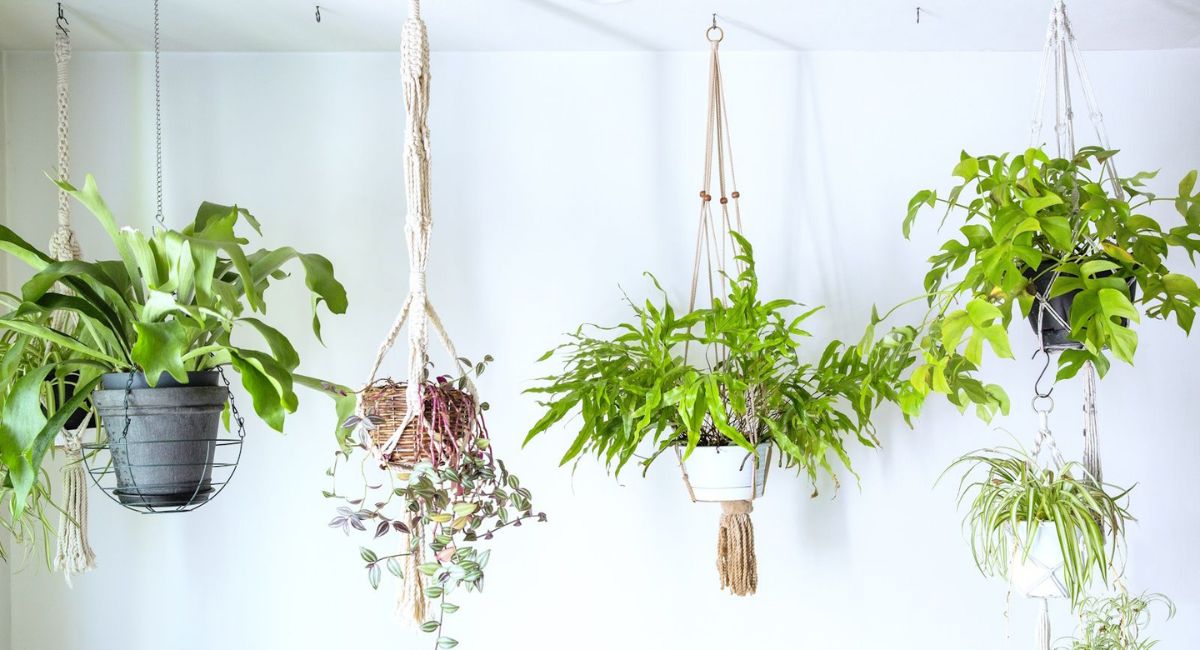
Honestly, I was the worst plant parent you’ve ever seen. My first pothos — the so-called unkillable one — went brown and crispy within three weeks. I cried a little. Okay, a lot.That embarrassing failure pushed me to actually learn what hanging plants want, not just guess. I repotted, researched, and obsessively checked every leaf for months. Slowly, things started to change.
Here’s the thing about hanging plants — they aren’t hard to keep alive once you understand a few core principles. Light placement, watering rhythm, soil drainage, and knowing what a sick leaf is actually trying to tell you. That’s genuinely most of it.This guide brings together everything I wish someone had told me before my first three plants died needlessly. From fungal infections to root rot to those baffling yellow leaves, we’re covering all of it in real language, not plant-care jargon.
Real advice from real mistakes gives your hanging plants the support needed to survive month one, year one, and beyond.
Hanging Plants Are Changing How People Decorate at Home:
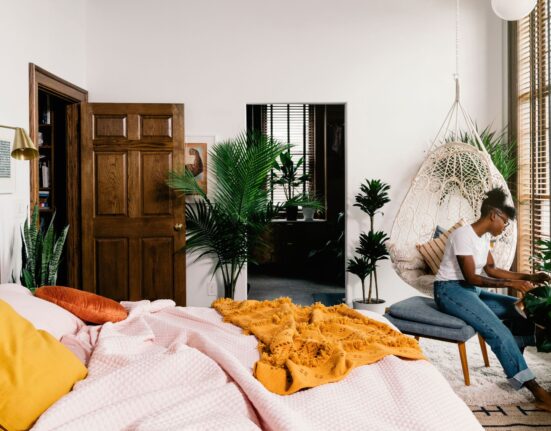
You’ve probably noticed it — everyone seems to have hanging plants these days. Not just one sad little fern by the window, but full trailing cascades of pothos and philodendrons and hoyas spilling over shelves and dangling from ceiling hooks. There’s a reason for it. Something about a plant hanging in mid-air just hits differently than one sitting on a table. It uses space nobody else was using. It brings the eye upward. It makes a room feel alive in a way no throw pillow or wall print ever quite manages.
But here’s what the pretty Instagram photos don’t show you: those gorgeous indoor hanging greenery took work. Regular watering checks, disease monitoring, the occasional awkward perch on a step-stool to inspect a root ball. None of that is hard, but you do have to actually do it. Once you get a rhythm going, maintaining them becomes as natural as making coffee every morning — and ten times more satisfying when you see a brand new leaf unfurling on something you’ve kept alive.
Hanging Plants Quick Reference Care Chart for Everyone:
Before getting into the deep stuff, here’s a practical table covering ten popular hanging plants. Keep this bookmarked — it’s genuinely useful when you’re standing in a garden center trying to remember what you came for.
| Plant Name | Light Needs | Watering Frequency | Common Disease Risk |
| Pothos (Devil’s Ivy) | Low to bright indirect | Every 7–10 days | Root rot, bacterial leaf spot |
| Spider Plant | Bright indirect | Every 7 days | Fungal tip blight |
| String of Pearls | Bright indirect to direct | Every 14 days | Botrytis mold |
| Boston Fern | Medium indirect | Every 5–7 days | Pythium root rot, scale |
| Heartleaf Philodendron | Low to medium | Every 7–10 days | Yellow leaves, bacterial blight |
| Burro’s Tail Sedum | Full sun to bright | Every 14–21 days | Fungal rot, mealybugs |
| English Ivy | Medium to bright | Every 7 days | Xanthomonas leaf spot, spider mites |
| Tradescantia Zebrina | Medium to bright | Every 7–10 days | Botrytis, powdery mildew |
| Hoya (Wax Plant) | Bright indirect | Every 10–14 days | Sooty mold, virus mosaic |
| String of Hearts | Bright indirect | Every 10–14 days | Root rot, fungal crown rot |
Hanging Plants Watering Mistakes That Kill Roots Fast:
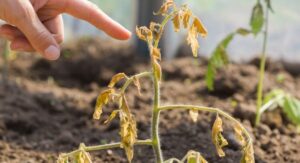
Surprise, your routine might be killing those green friends. Instead of watching calendars, watch dirt – it tells better stories. Plants ignore dates completely, focused only on moisture levels beneath their roots. Mistake number one: assuming consistency helps when nature hates clocks. Truth hides in how heavy the pot feels after a drink.
1. Skip the Schedule:
Most helpful move for my hanging plants? Tossing the watering timetable. Now I test the dirt myself, just sticking a finger down every couple of days. Slide your pointer knuckle-deep into the soil. Dampness there means leave it be – shut the spout, walk away. Wait two, maybe three more before peeking again. Pour only once that upper layer turns dry enough.
2. Reading Root Rot Signs:
Most times, root rot stays quiet at first. Weeks might pass before your hanging greenery shows clear trouble above ground. Look closely. Leaves may seem floppy despite recent water. Sometimes the dirt gives off a stale or damp odor. Instead of drying out, older bottom leaves turn yellow and mushy. Lift the plant free from its container if these hints appear. Inside, contrast jumps out. Normal roots hold their shape – light in color, either white or light tan. Damaged ones crumble under gentle pressure, dark like wet coffee grounds.
3. Building a Draining Soil Mix:
The soil you put your indoor hanging greenery in does a lot of the heavy lifting when it comes to disease prevention. Standard potting mix on its own tends to compact and hold onto moisture longer than most hanging varieties actually want. Mix roughly two parts potting soil to one part perlite and one part orchid bark. That combination drains fast, stays airy between the particles, and actively discourages the wet stagnant conditions where fungi and bacteria set up shop.
Hanging Plants Disease Diagnosis and Fungal Infection Fixes:
The plants get sick. That’s just reality, and it helps to stop feeling personally responsible every time it happens. What matters is being able to look at a sick leaf and make a reasonable guess about the cause, then act on it quickly. Hanging plants are particularly prone to certain problems because of where they live — up high, often near ceilings where air circulation can be sluggish and humidity can build up around dense foliage.
1. Spotting Fungal Issues:
Out of nowhere, a strange look on your dangling plants? Cold and damp brings gray mold – called Botrytis – sneaking in, particularly where airflow lags. Clusters turn fuzzy, shade shifting toward dull brown, then spread fast unless checked. Starts its work near worn foliage or damaged zones, later reaching untouched areas. Overnight dusting of white stuff, almost like flour dropped by accident? Funny how it shows up where air stays still, spots that warm fast by day then cool off sharp at night.
2. Bacteria and Virus Damage:
Watering from above pushes bacterial trouble across hanging greens – Xanthomonas creeps in as damp specks turning dark, edged in yellow. These spots swell fast, wrecking leaves when moisture lingers where it shouldn’t. Insects bring different chaos: one stray thrip, hitching in after biting an ailing neighbor, can leave behind warped tissue and blotchy fading. Aphids do similar harm without warning. Sprays barely touch these issues once they take hold. Fixing either kind rarely happens – the damage just sticks.
3. Decoding Yellow Leaves:
Most folks point fingers at yellow leaves without really watching. Look closer, though, and the whole story shifts shape. When drooping plants show even yellowing on older bottom leaves, something’s off below soil – too much drink or roots turning soft. Instead of solid color, if rims fade to gold while centers stay dark, hunger might be real, especially lack of nitrogen. Mottled spots where green lines stand out against pale splotches? That hints at missing iron or magnesium. Splotchy bursts of light, scattered like accidental paint drops, scream hidden viral trouble.
Hanging Plants Light and Humidity Needs Broken Down Simply:
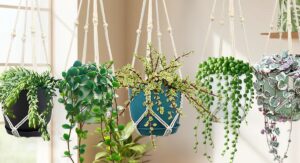
Light and humidity are the two things people most commonly get wrong with hanging plants, usually because both are invisible problems until damage has already been done for weeks.
1. Understanding Indoor Light:
Here’s a useful mental test for hanging plants: hold your hand a foot above a white sheet of paper in the spot where you want to hang your plant. A sharp, defined shadow with clear edges means direct light — too harsh for most trailing varieties. A soft, blurry shadow means bright indirect light — ideal for pothos, philodendrons, and hoyas. Almost no shadow at all means low light, which limits your options but doesn’t mean zero options.
2. Humidity Problems Indoors:
Out in the jungle, those dangling greens – ferns, pothos, philodendrons – breathe heavy, wet air without pause. Inside our houses? The air often dries out, sitting between 30 and 45 percent humidity – not deadly, yet far from ideal. Watch the edges of leaves closely – they’ll turn brown, brittle, despite damp soil below. When things get too parched, spider mites move in quietly, multiplying fast once the air turns thin.
3. Seasonal Care Changes:
Winter catches a lot of people off guard with their indoor hanging greenery The plant goes quiet — growth slows or stops entirely, it barely drinks, and any fertilizer you add just sits in the soil building up as salt residue that eventually burns the roots. That salt buildup is itself a pathway for disease, weakening the plant’s natural defenses against fungal pathogens. Ease off watering by stretching intervals by a week or more. Stop fertilizing from around October through February.
Hanging Plants Styling Tips for Maximum Visual Drama at Home:
Great care keeps your hanging plants alive. Great styling is what makes people walk into your home and immediately ask where you got everything. These five approaches genuinely transform how a collection looks.
- Start high near the ceiling for one basket, then let another dip close to the countertop. Such differences in drop height build depth. A single line of evenly hung pots lacks visual weight, even when each plant thrives. Shifting levels mimic how things grow outdoors, less ordered, more alive. One dangles low, the next stops short. That contrast adds fullness without crowding.
- Start with mismatched outlines instead of grouping twins overhead – hang the plump beads of a string of pearls beside the wide hearts of a pothos, yet each gains spark when divorced from its clone. A single contrast beats rows of sameness every time, so let edges clash on purpose now and then.
- Start with how the container breathes – terracotta, left unfinished, dries out fast, a solid fit for spiky succulents that hate wet feet. On another note, slick glazes or plastic slow evaporation, keeping soil damp much longer, just right for lush ferns or wandering tradescantia craving steady sips.
- Every week or two, give each plant a quarter spin – same day, no skipping. Light pulls climbing greenery hard in one direction. Left alone, they stretch uneven on one side before long. A small twist weekly evens things out. Roundness stays. Shape holds. Growth spreads fair.
- A single bold plant takes charge – think a full-grown Boston fern or a long cascading golden pothos. This one grabs attention right away. Around it, place smaller hanging greens, each hung at different levels. Because of the height shifts, the gaze lands on the big piece first. Only after it does it wander through the others nearby.
Hanging Plants Feeding Guide to Encourage Healthy New Growth:
Feeding your hanging plants feels optional until you see what regular fertilizing actually does to growth rate and leaf color. It’s not optional. Here’s a practical approach that works without overcomplicating things.
- Use a balanced liquid fertilizer — something close to a 10-10-10 NPK ratio — at half the strength recommended on the bottle every two to four weeks through spring and summer, because container-grown indoor hanging greenery run out of nutrients faster than ground plants and half-strength prevents the root burn that full-dose feeding in a small pot commonly causes.
- Shift to a potassium-heavier formula in late summer to help your hanging plants harden their new growth before the slower, cooler months arrive — this practical switch makes the plant noticeably more resistant to fungal infections and cold-related stress that can cause leaf drop and dieback through autumn.
- Give newly repotted indoor hanging greenery a full six to eight weeks before their first fertilizer application, because fresh potting mix already contains enough nutrients to cover the transition period and feeding too soon puts unnecessary chemical stress on roots that are still recovering from being disturbed and moved.
- Do a full soil flush every two or three months by running plain water slowly through the pot until it drains freely from the bottom, repeating this two or three times in a row — this washes out the salt residue from fertilizer that accumulates invisibly and eventually causes the brown-tipped leaves that people mistakenly blame on everything except fertilizer buildup.
- If liquid feeding feels like too much maintenance, push a few slow-release granular pellets into the top of the soil every three to six months and let them quietly do their job — this genuinely works for hanging plants that you want thriving without a lot of intervention, and it virtually eliminates any risk of over-fertilization.
Conclusion
Here’s what I want you to take away from all of this: hanging plants are forgiving when you’re paying attention and unforgiving when you’re not. Yellow leaves, mushy stems, dusty white coatings on foliage — those aren’t failures, they’re messages. Read them, respond quickly, and your plants will almost always bounce back. Start with one or two easy species, get comfortable with the watering rhythm, and let confidence grow from there. The jungle aesthetic you’re dreaming of is genuinely within reach.
FAQ’s
Q1. Why do my hanging plants keep getting yellow leaves no matter what I try?
Nine times out of ten, yellow leaves on hanging plants trace back to inconsistent watering — either too much or not enough. Check your drainage, feel the soil before every water, and rule out root rot by inspecting the roots if yellowing is widespread and worsening quickly.
Q2. How often should I actually be watering my hanging plants?
Forget fixed schedules. Water your hanging plants when the top inch of soil is dry, which usually lands somewhere between seven and fourteen days depending on pot size, season, and room temperature. Check with your finger rather than a calendar for best results.
Q3. What causes root rot in hanging plants and can I actually save the plant?
Root rot in hanging plants comes from overwatering combined with poor drainage, which creates the wet anaerobic environment that Pythium and similar microorganisms thrive in. Catch it early, trim the rotted roots, treat with diluted hydrogen peroxide, and repot in fresh airy soil — it works if you act fast.
Q4. Can indoor hanging plants really get fungal infections?
Absolutely, and more often than people realize. Indoor hanging plants face fungal threats like botrytis gray mold and powdery mildew whenever conditions are humid and airflow is poor. Weekly neem oil spray catches most outbreaks early if you start at the first sign of spotting or white coating.
Q5. Which hanging plants actually survive in a dark apartment?
Pothos and heartleaf philodendron are your most reliable choices for genuinely low-light situations. Both of these hanging plants tolerate dim conditions far better than most species, though they still grow faster and look healthier with at least some ambient brightness near a window.
Q6. What’s the best way to stop pests from taking over my hanging plants?
Prevention beats treatment every time with hanging plants. Inspect leaves weekly — undersides included — wipe them down with a damp cloth regularly, keep humidity adequate, and avoid overwatering. Fungus gnats, spider mites, and mealybugs all establish faster in stressed, poorly maintained plants than in healthy, well-cared-for ones.
Q7. Do hanging plants really need fertilizer or is it just marketing?
It’s genuinely necessary. Container soil depletes fast, and unfed hanging plants show it through pale leaves, slow growth, and increased disease susceptibility over time. Half-strength balanced fertilizer every two to four weeks through the growing season makes a visible difference within a few weeks of starting.
Q8. What soil mix should I use to stop my hanging plants getting diseases?
A mix of two parts potting soil, one part perlite, and one part bark works brilliantly for most hanging plants. It drains fast enough to prevent the waterlogged conditions where root rot fungi and bacterial pathogens breed, while still holding enough moisture between waterings to keep roots hydrated and healthy.
Summary
Hanging plants reward the people who actually pay attention to them. This guide covered the watering habits that prevent root rot, how to identify and treat fungal infections and bacterial diseases before they destroy a plant, what those confusing yellow leaves are actually trying to tell you, and the styling and feeding routines that take a collection from “keeping it alive” to genuinely thriving. The core message throughout is that hanging plants aren’t delicate or mysterious—they have real, learnable needs that make total sense once you understand them.