

Two years into my coding career I had a supervisor say my strep throat coding needed work Not wrong just imprecise I used J02.9 for almost every sore throat encounter It was acceptable but lacked specificity I did not understand J02.0 or J03.00 versus J03.01 The ICD 10 for strep throat codes had never been explained as a system My supervisor Linda sat with me and explained each code when it applied and what documentation was needed That conversation changed how I thought about coding and showed me what I should have been taught from the start This blog shares that explanation for others.
ICD 10 for strep throat looks simple from the outside Common diagnosis frequently seen limited code options But the nuance inside those code options is real and getting it wrong creates audit exposure affects data integrity and produces a record that does not reflect what physicians documented Understanding strep throat ICD 10 code means knowing when J02.0 applies versus J02.9 why pharyngitis and tonsillitis have different codes what documentation supports recurrent tonsillitis and which situations pull additional codes This blog covers codes documentation requirements errors seen in audits special situations and habits that make coding accurate rather than acceptable.
Find the correct ICD 10 for strep throat code and make your medical billing process faster, easier, and completely stress free.
ICD 10 for Strep Throat: When J02.0 Applies and When It Doesn’t?

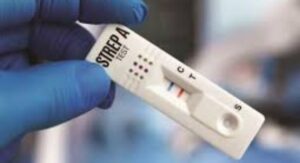
J02.0 — Streptococcal pharyngitis — is the ICD 10 for strep throat code most coders are trying to reach when a strep diagnosis appears in the chart. But reaching for it correctly requires one thing that a surprising number of coders skip: confirming that the documentation actually supports it. J02.0 is for confirmed streptococcal pharyngitis. Confirmed. That word is doing real work. It means a positive rapid antigen test, a positive throat culture, or physician documentation that explicitly states the diagnosis as streptococcal pharyngitis based on test results. “Symptoms consistent with strep” doesn’t confirm it.
“Probable strep” doesn’t confirm it. “Rule out strep” is not a diagnosis at all. If the physician suspected strep but the test result isn’t in the documentation, J02.0 is not the right strep throat ICD 10 code code for that encounter — and using it without documented confirmation creates the kind of audit vulnerability that corrective action plans are built from. The flip side of this — and this is the error Linda flagged most in my coding — is defaulting to J02.9 even when J02.0 is fully supported.
When a chart contains a documented positive RADT result, a physician assessment that says streptococcal pharyngitis, and a treatment plan including penicillin or amoxicillin, everything needed to support J02.0 is sitting right there in the record. Using J02.9 in that scenario isn’t just imprecise — it’s under-coding. It misrepresents the clinical complexity of the encounter. It contributes to a data pattern at the practice level that doesn’t reflect what physicians are actually diagnosing and managing.Strep throat coding isn’t about guessing – J02.0 or J02.9 depends entirely on what’s written down. Following the record beats following routine every single time. Details matter more than assumptions when picking the right code.
Strep Throat ICD 10 Codes Pharyngitis and Tonsillitis Differences:
Here’s something Linda specifically pulled up a chart to show me — because she knew I wouldn’t fully grasp it from explanation alone. Two encounters, same confirmed strep diagnosis, different documentation of the primary anatomical site. One physician wrote strep pharyngitis. The other wrote strep tonsillitis with significantly enlarged, exudative tonsils noted on exam. One kind of germ.
One type of medicine. Still, two separate ICD 10 tags for strep throat show up. The first one reads J02.0. Next comes J03.00 instead. Swap them? Not allowed. Infection in the throat passage defines pharyngitis. Meanwhile, tonsillitis targets tissue masses at the back of the mouth mainly.The structures are adjacent and frequently both involved, but the code follows what the physician documented as the primary site — and if you’re assigning J02.0 to every confirmed strep encounter regardless of what the exam found or what the physician wrote in their assessment, you’re not coding accurately.
J03.01 — recurrent streptococcal tonsillitis — is the ICD 10 for strep throat code that probably gets the least use relative to how often it actually applies. When a patient has repeated confirmed episodes of streptococcal tonsillitis and the physician documents this as recurrent tonsillitis — not just notes in passing that the patient has had strep before — J03.01 is the more specific and more accurate code.
What it is not is a code you assign because the patient mentioned three previous strep episodes at registration. The physician has to document recurrent tonsillitis as the clinical diagnosis. That language needs to appear in the assessment or plan. Without it, J03.00 for a single acute episode is what the documentation supports, regardless of what the patient’s history might suggest about their actual pattern of illness over time.
ICD 10 for Strep Throat: Documentation That Supports Each Code
The right ICD 10 for strep throat code is only as defensible as the documentation that sits behind it. Knowing what to look for — and what to query when it isn’t there — is what separates accurate coding from coding that just gets claims out the door.
1. Test Results Drive Everything:
For J02.0 to be the correct ICD 10 for strep throat assignment, documented test confirmation needs to be present in the record. The physician noting “RADT positive, streptococcal pharyngitis” in the assessment is ideal. A scanned lab result showing positive throat culture also works. What doesn’t work is inferring confirmation from the fact that antibiotics were prescribed — physicians sometimes treat empirically, and antibiotic prescription alone cannot serve as documentation of confirmed strep diagnosis for strep throat ICD 10 code code selection purposes.
2. Anatomical Site Needs Clarity:
Whether the documentation specifies pharyngitis, tonsillitis, or pharyngotonsillitis determines ICD 10 for strep throat code selection at the site level. Coders cannot assume tonsil involvement from symptoms — it needs to appear in the physician’s documentation. If the note says strep throat without anatomical specification, code to pharyngitis. If tonsillitis is specifically documented as a finding or diagnosis, the tonsillitis codes apply and J02.0 is no longer the most accurate strep throat ICD 10 code selection for that particular encounter.
3. Recurrence Requires Explicit Language:
J03.01 as the ICD 10 for strep throat code needs more than a patient reporting prior strep episodes. The physician must explicitly document recurrent tonsillitis as the clinical diagnosis — ideally with reference to the pattern of prior episodes in the record. Without that physician-authored language, J03.00 for a single acute episode is the supportable choice. A coder assigning J03.01 based on patient-reported history without physician documentation of recurrent tonsillitis is making an assumption the record doesn’t support and cannot defend under review.
ICD 10 for Strep Throat: Errors That Show Up in Every Audit:
These errors appear in ICD 10 for strep throat audits across different practice sizes and specialties. Knowing what they are before you make them — rather than after a corrective action plan lands on your desk — is considerably more useful to everyone involved.
1. J02.0 Without Confirmation:
Assigning J02.0 when the documentation shows clinical suspicion rather than confirmed diagnosis is the most common ICD 10 for strep throat error auditors find.Just because symptoms look like strep throat doesn’t mean the test confirmed it. A positive rapid test points to J02.0. Without that result, you’re likely stuck with J02.9. The difference in wording seems minor. But the code changes matter. When records get reviewed, gaps like this stand out fast – especially if every visit shows the same mismatch. Patterns emerge easily when habits stay unchanged.
2. Permanent J02.9 Default:
Defaulting to J02.9 for every sore throat encounter regardless of what the documentation says is the opposite error — and equally problematic in a different direction. When confirmed strep documentation exists and J02.9 is assigned anyway, the practice is consistently under-coding and misrepresenting clinical complexity. Over hundreds of encounters this creates a data picture that doesn’t match the patient population being served. ICD 10 for strep throat accuracy requires reading the documentation every time, not selecting the most familiar code from memory as a habitual shortcut.
3. Missing B95.0 When Needed:
B95.0 — Group A Streptococcus as cause of diseases classified elsewhere — is the additional ICD 10 for strep throat related code that most coders simply never use. When strep is documented as the causative organism for a condition coded in another ICD-10-CM chapter, B95.0 adds specificity the primary code alone doesn’t provide. Not every encounter needs it. But knowing it exists and knowing when it adds documentation value is part of coding strep encounters to their full specificity rather than stopping at the throat-code level and calling it done.
ICD 10 for Strep Throat: Special Situations That Complicate Coding

Most times, strep cases fit neatly into codes. Yet certain patient details slip through the usual ICD 10 choices for strep throat. Getting these right matters early on – fewer follow-up questions come up later because of it. Claims land more accurately when coded with care upfront. Time stays saved; headaches shrink when loose ends get tied before they unravel.
1. Strep With Complications Present:
When strep throat occurs alongside a documented complication in the same encounter — peritonsillar abscess, otitis media, scarlet fever — additional codes are required beyond the primary ICD 10 for strep throat code. J36 covers peritonsillar abscess. Scarlet fever has its own A38.x code range reflecting Group A Strep infection with the characteristic scarlatiniform rash. Coding only the strep throat code and missing documented complications understates the clinical complexity of the encounter in ways that affect reimbursement, data integrity, and documentation accuracy simultaneously.
2. Carrier Status Versus Active Infection:
A patient who tests positive for Group A Strep but has no symptoms — carrier status — codes completely differently from active streptococcal pharyngitis. Z22.338 covers carriers of other specified bacterial diseases including streptococcal carrier status. The ICD 10 for strep throat codes J02.0 and J03.00 are not appropriate when the physician has documented carrier status rather than active symptomatic infection. The distinction must come from the physician’s documentation — not from the coder’s interpretation of a positive test result without clinical context.
3. Pediatric Encounters Code Same:
ICD 10 for strep throat code selection follows the same logic in pediatric encounters as in adult ones — J02.0 for confirmed pharyngitis, J03.00 or J03.01 for tonsillitis with the appropriate recurrence modifier. What differs is the documentation pattern. Pediatric notes often have more detailed physical exam findings and clearer test result documentation, which typically makes code selection more straightforward. The common pediatric error is assigning tonsillitis codes when the physician documented pharyngitis — even in children who clearly have significant tonsil involvement based on symptom description alone.
ICD 10 for Strep Throat: Practical Steps for Cleaner Coding
These are the habits that actually improve ICD 10 for strep throat coding accuracy — not from a guidelines manual, but from the kind of practical experience that comes from coding hundreds of these encounters and understanding where the errors consistently appear.
- Check test documentation before touching a strep code — strep throat ICD 10 code specificity lives entirely on whether a positive result is documented, and inferring confirmation from symptom description or antibiotic prescription alone is an error every audit will find.
- Read the physician assessment, not just the chief complaint — strep throat ICD 10 code. Code selection follows what the physician concluded, not what the patient presented with, and those two things are sometimes meaningfully different in ways that change the entire code assignment.
- Query rather than assume when documentation is genuinely unclear — strep throat ICD 10 code accuracy depends on clear physician documentation, and a short clarification query sent before claim submission is always better than an assumption that doesn’t survive a payer review six months later.
- Check prior records before using J03.01 — ICD 10 for strep throat recurrent tonsillitis code requires documented recurrence pattern, and pulling prior encounter notes to confirm the physician has an established basis for this diagnosis is the coder’s responsibility before this specific code goes on any claim.
- Review ICD-10-CM updates every October without fail —strep throat ICD 10 code core codes are stable but adjacent code guidance shifts, and missing an annual update creates errors that are entirely avoidable and particularly difficult to explain to a compliance reviewer after the fact.
ICD 10 for Strep Throat: Why Accuracy Here Actually Matters
Getting strep throat ICD 10 code right isn’t just about compliance. The downstream effects of consistent coding accuracy — or consistent inaccuracy — show up in reimbursement, quality reporting, clinical data, and the overall picture your coding builds of the practice over time.
- Accurate ICD 10 for strep throat codes support appropriate reimbursement — consistently under-coded strep encounters don’t capture clinical complexity accurately, which affects how payers value encounters over time and can create patterns that trigger focused reviews across the whole practice.
- Defensible codes protect the practice at audit —strep throat ICD 10 code codes supported by clear documentation hold up under review, while codes assigned without supporting documentation create exposure that corrective action plans and overpayment demands are built directly from during any external audit.
- Quality measures depend on diagnosis accuracy — strep throat ICD 10 code coding accuracy affects antibiotic prescribing appropriateness measures, testing rate metrics, and other quality indicators that matter for value-based care arrangements and practice performance across entire reporting periods.
- Clinical data integrity starts here — ICD 10 for strep throat codes that don’t reflect what physicians documented contribute to inaccurate population health data that affects clinical research validity and public health reporting at every level above the individual practice encounter.
- Coding discipline built on small diagnoses transfers everywhere — strep throat ICD 10 code is simple enough to understand completely, and developing the habit of asking why for every code selection here builds the kind of rigorous coding instinct that improves accuracy across every diagnosis you ever handle.
Conclusion
ICD 10 for strep throat is manageable. It’s not a complicated coding area. But it has enough real nuance — confirmed versus suspected, pharyngitis versus tonsillitis, single episode versus recurrent — that getting it consistently right requires actual understanding, not just familiarity. Read the documentation every time. Check for confirmation before using J02.0. Follow what the physician wrote, not what the patient reported. Query when it’s unclear. And understand that strep throat ICD 10 code accuracy, built across hundreds of encounters, adds up to a coding record that either reflects your practice honestly or quietly doesn’t — and auditors always find out which one it is eventually.
FAQ’s
Q1. What is the primary ICD 10 for strep throat code?
The primary ICD 10 for strep throat code for confirmed cases is J02.0 — Streptococcal pharyngitis. This strep throat ICD 10 code code requires documented confirmation of the diagnosis — typically a positive rapid test or throat culture result in the chart. Without that documented confirmation, strep throat ICD 10 code defaults to J02.9 for acute pharyngitis unspecified, which is the appropriate code when specificity isn’t supported by what the physician documented.
Q2. When does ICD 10 for strep throat use J03.00 instead of J02.0?
ICD 10 for strep throat uses J03.00 when the physician has documented tonsillitis as the primary site of infection rather than pharyngitis. The two codes are not interchangeable — site documentation determines selection. If the strep throat ICD 10 code note documents strep throat without anatomical specificity, J02.0 applies. If tonsillitis is explicitly documented as the finding or diagnosis, J03.00 is the more accurate ICD 10 for strep throat code for that specific encounter.
Q3. What ICD 10 for strep throat code covers recurrent tonsillitis?
ICD 10 for strep throat recurrent tonsillitis uses J03.01. This ICD 10 for strep throat code requires the physician to explicitly document recurrent tonsillitis as the diagnosis — not just a patient mentioning prior strep episodes. Without that physician-authored recurrence documentation, J03.00 is the correct strep throat ICD 10 code assignment. Coders cannot assign J03.01 based on patient history alone without corresponding physician documentation of the recurrent pattern in the clinical record.
Q4. Can I use J02.0 as the ICD 10 for strep throat code when strep is suspected but not confirmed?
No — ICD 10 for strep throat code J02.0 requires confirmed streptococcal pharyngitis documented in the physician’s note, typically supported by a positive test result. Suspected strep without confirmation does not support J02.0. The appropriate strep throat ICD 10 code code for unconfirmed presentations is J02.9. Using J02.0 without documented confirmation creates audit vulnerability that cannot be defended under payer or compliance review of the encounter record.
Q5. What is B95.0 and when does it apply to ICD 10 for strep throat encounters?
B95.0 — Streptococcus group A as cause of diseases classified elsewhere — is an additional ICD 10 for strep throat related code used when Group A Strep is documented as the causative organism for a condition coded in another ICD-10-CM chapter. It adds causative specificity beyond what the primary strep throat ICD 10 code code provides and applies when the primary condition sits outside the respiratory chapters and Group A Strep is clearly documented as the cause of that condition.
Summary
This blog covered ICD 10 for strep throat completely — the primary codes, when each applies, what documentation supports each selection, the common errors auditors find repeatedly, special situations like carrier status and complications, and the practical coding habits that separate accurate from merely acceptable. strep throat ICD 10 code starts with J02.0 for confirmed streptococcal pharyngitis — but getting there correctly requires understanding what confirmed actually means in documentation terms, when tonsillitis changes the code, when recurrence changes it further, and what additional codes the standard strep encounter might be missing. Get those distinctions genuinely clear and strep throat ICD 10 code becomes one of the cleaner parts of your workload.