
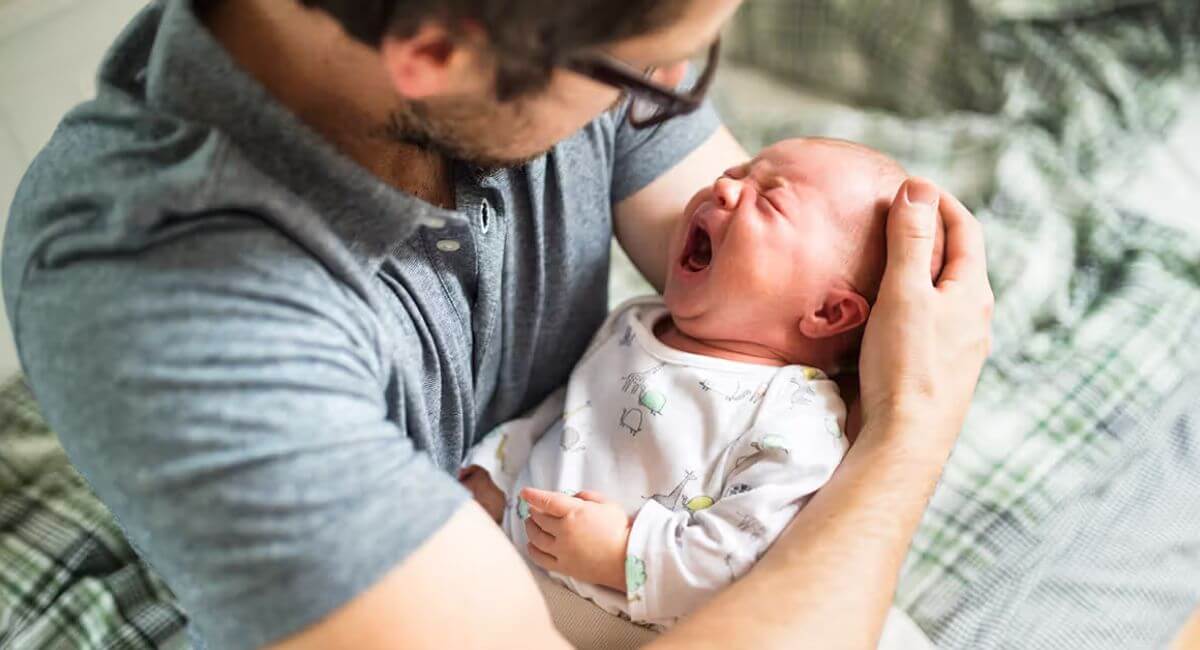
My daughter was eight weeks old and it was early morning and she was making a sound I had never heard before She felt warm and the thermometer showed 38.4 We sat there not knowing what to do I searched do newborns get strep throat and found answers that were unclear We called for help and she was seen quickly It was a urinary tract infection not strep That night taught me things I had not known including the answer to do newborns get strep throat and why understanding symptoms matters for acting quickly and keeping babies safe and aware.
If you are a new parent, you are probably asking do newborns get strep throat and whether your little one is at risk. It is one of the most common concerns among American parents and completely understandable. Knowing the facts early on can help you spot the warning signs, take the right action, and keep your precious newborn safe and healthy from day one.
Do newborns get strep throat if you are reading this at 2am with a warm baby call for help tonight.
Do Newborns Get Strep Throat: What the Evidence Actually Shows?

Let me answer if newborns get strep throat directly before anything else, because that’s what you came here for. Classic strep throat — the presentation most parents recognise from their own childhood or from their older kids — is genuinely uncommon in babies under three months old. The reason is partly protective.Little ones start life with help from mom’s germ fighters, passed during pregnancy through the placenta.
Protection grows when they drink breast milk, especially in those first fragile weeks. Their tiny throats are built differently – think smaller tonsil tissue, not ready yet. Because of this shape, strep doesn’t show up like it does in bigger children. White spots on swollen glands? Not likely here. Babies won’t grab their necks or say it hurts. What doctors expect in school-aged kids just isn’t visible in infants. One reason spotting illness gets tricky.
Yet here’s what counts: can babies catch strep throat caused by Group A Strep right after birth? Yes. Just not through the classic throat presentation. In very young babies, strep and most other bacterial infections present as systemic illness rather than localised symptoms. Fever. Unusual lethargy. Feeding difficulties. A general wrongness that parents who know their baby well often pick up before any specific measurable symptom appears.
A newborn cannot tell you their throat hurts. They can only show you that something is wrong in the way newborns show everything — through behaviour, through feeding, through the quality of their cry. This is why newborns get strep throat as a question matters less than: my newborn is unwell, they have a fever, and I need to call someone right now without waiting to identify a more specific cause.
Do Newborns Get Strep Throat Group A Versus Group B:
Right there, in the middle of new parenthood, lies a mix-up few see coming – babies catching strep like older kids. Truth is, the germs aren’t the same at all, nor are their effects. Schoolchildren often pick up sore throats from Group A Streptococcus, the usual suspect. That bug travels by tiny sprays when people cough or talk, also passing through touch. So when moms wonder whether infants can catch that exact illness, they’re thinking of this version.And the answer, as established above, is that classic Group A Strep throat presentation is uncommon in newborns — though Group An infection in a systemic form is still possible and still serious if it occurs in this age group.
Group B Streptococcus is something else entirely. It lives harmlessly in the gut and genital tract of roughly one in four adults — including pregnant women — causing no illness in the adults who carry it. But it can pass to a baby during labour and delivery. And in a newborn without the immune capacity to contain it, GBS can cause pneumonia, meningitis, or bloodstream infection within the first days or weeks of life.
This is not strep throat. It’s a completely different presentation of a related bacterial family. When midwives and obstetricians talk about Group B Strep testing in pregnancy, this is what they’re worried about — not the sore throat version. Understanding this distinction doesn’t make newborns get strep throat a simpler question. But it does make it a more accurate one. Both strep types matter. They just matter in different ways and at different points in a baby’s earliest life.
Do Newborns Get Strep Throat: Warning Signs That Need Immediate Action

In a newborn, infection — including strep-related infection — doesn’t always present with the obvious localised symptoms you might expect. These are the signs that should prompt immediate action, regardless of whether the specific cause has been identified yet.
1. Fever Is Always Urgent:
Any temperature above 38°C in a baby under three months is a medical emergency until proven otherwise. Full stop. It doesn’t matter if the baby otherwise seems okay. It doesn’t matter if the room was warm or the baby was wrapped up. Do newborns get strep throat or any infection causing this temperature — you call for help immediately, tonight, not in the morning. Newborn immune systems cannot reliably contain bacterial infections, and the window for safe home observation is not there in this age group under any circumstances.
2. Poor Feeding Signals Trouble:
A sudden drop in how much a baby eats might mean something is wrong deep within. Feeding poorly, or seeming worn out during meals, sometimes points to hidden illness. Strep throat could be brewing – even without clear signs, changes at mealtime whisper early warnings. When infants cannot speak, their actions do the talking instead.Alongside a rise in temperature or odd actions, shaky eating means speaking with a doctor fast instead of waiting until morning alone.
3. Unusual Quietness Concerns:
Little ones who seem harder to wake up might be sending silent alarms. Think about how they feel in your arms – if their body seems too loose, like a rag doll, something could be off. When their reactions slow down, not tracking light or voice as before, watch closely.A sharp cry cuts the silence, yet sounds fragile, like it might break – could hint at something wrong inside.
Strange noises do not always bring harm, still, any difference matters. With very small babies, illnesses like group B strep skip usual signs, swap them for quiet changes in how aware they seem. How a baby stirs, reacts, or does not grab the breast when feeding – weave into what is really going on.If you spot this, get help right away – fever makes it worse. A sudden spike changes everything fast.
Do Newborns Get Strep Throat Why They Differ From Older Children:
Understanding why newborns respond to infection so differently from older children helps explain why newborns get strep throat has a different answer than the same question asked about a school-age child — and why medical guidance around newborn fever is so unambiguous and absolute.
1. Immune Systems Not Ready:
A newborn’s immune system is not capable of the targeted, coordinated bacterial response that an older child mounts. Maternal antibodies from the placenta provide some early coverage, but they’re selective and they decline across the first weeks and months. In the do newborns get strep throat context, this means strep and other bacterial infections can overwhelm a newborn’s defences faster and with fewer obvious preceding signs than the same infection would produce in a child old enough to mount a full immune response.
2. Symptoms Present Differently:
A sore throat makes a five year old speak up. The mouth opens wide, red tonsils catch your eye, doctor gets a phone call. Can a newborn even get that kind of infection in the same way? Not quite. Instead, they burn with fever, act unlike themselves, turn away from feeding – signs too vague for parents to pin down without medical help.
This isn’t a failure of parental observation. It’s biology. Newborns communicate illness through the only channels they have available to them at this point in their development.
3. Escalation Happens Suddenly:
Surprising things happen when tiny bodies face sickness. Unlike schoolchildren who get ill bit by bit, newborns sometimes fall very sick almost right away. Might an infection such as strep spread faster in a baby just days old compared to one much older?
Infections taking hold after birth tend to spiral by afternoon.Yes — significantly. A newborn can move from mildly unwell to seriously ill within hours. This isn’t meant to frighten people needlessly. It’s meant to explain exactly why the medical guidance on newborn fever is so clear and why acting fast consistently beats watching and waiting in this specific age group.
Can newborns get strep throat and how hospitals check and treat it:

A tiny baby showing signs of illness sets off different alarms in a clinic compared to bigger kids. The way doctors respond moves faster, digs deeper – because risks shift sharply in early days. Seeing how checks unfold can settle nerves. Parents start recognizing steps instead of just sensing urgency. What comes next stops feeling mysterious once you’ve watched it play out.
1. Thorough Testing Done Fast:
When a newborn under a month old presents with fever, hospitals typically perform a full sepsis workup as standard — blood cultures, urine cultures, sometimes a lumbar puncture to check spinal fluid for meningitis. This is frightening to witness. But it’s not an overreaction. Do newborns get strep throat or any bacterial infection go undetected — the consequences of missing serious bacterial infection in a newborn are severe enough that thorough investigation is always the appropriate clinical choice regardless of how well the baby appears to be doing at first presentation.
2. Antibiotics Started Early:
When a baby runs a fever, treatment often starts fast if germs are suspected. Doctors may give medicine without waiting for lab work. Might a sore throat caused by strep mean extra caution? Definitely – much like any germ threat in young babies.Waiting 24 to 48 hours for laboratory confirmation is not clinically safe in this age group. Antibiotic choice is adjusted once cultures confirm which organism is actually present. Starting treatment early while waiting for confirmation is standard neonatal practice for clearly established and well-documented clinical reasons.
3. Hospital Stay Is Standard:
A baby showing signs of fever plus possible infection stays under watch at a hospital instead of going back home with pills and a check-in set for days later. Could it ever happen that tiny infants receive treatment for bacterial issues like strep outside the hospital walls?No — not in this age group. The risk of rapid deterioration means clinical monitoring, IV access, and immediate response capacity need to be present and available throughout the acute phase of any newborn bacterial illness without exception regardless of initial presentation.
Five Things Every Parent Must Know About Do Newborns Get Strep Throat:
These are the five most practically important things any parent of a young baby should know about whether newborns get strep throat — understood before illness ever happens rather than searched for desperately in the dark at 2am with shaking hands.
- Any fever above 38°C under three months is a same-night emergency — do newborns get strep throat or anything else causing this temperature, there is no safe version of waiting until morning to see how it develops.
- Classic strep throat presentation is uncommon in very young babies — do newborns get strep throat through the visible tonsillitis route is rare, but Group A Strep can still cause serious systemic illness presenting completely differently in this age group.
- Group B Strep is a completely separate newborn risk — do newborns get strep throat questions often confuse Group A and Group B, but GBS is transmitted during delivery and causes serious systemic infection entirely distinct from throat infection.
- Trust your gut completely as a parent — do newborns get strep throat or any serious illness, parents who know their baby well often notice something is wrong before any measurable symptom appears. That instinct is clinically valid and should be acted on without delay.
- Never wait until morning when something feels wrong tonight — do newborns get strep throat or other bacterial infections that escalate rapidly, and the window between mildly unwell and seriously ill in a newborn is narrower than most first-time parents expect or understand initially.
When Do Newborns Get Strep Throat Means Call Emergency Services Now:
Some signs in a newborn go straight past “call the GP” and into “call 999 or go directly to A&E right now” territory. These specific signs require immediate emergency response — not monitoring, not waiting, not a call to the surgery when it opens tomorrow.
- Any temperature above 38°C in a baby under three months — do newborns get strep throat or any infection causing this fever, this threshold always triggers the need for immediate medical assessment tonight regardless of every other factor appearing normal.
- Unusual limpness or extreme difficulty staying awake — do newborns get strep throat complications affecting neurological function, floppy unresponsiveness beyond normal sleep is among the most alarming signs any parent can observe in a very young baby at home.
- Laboured or visibly fast breathing — do newborns get strep throat causing respiratory involvement, any breathing that looks difficult or faster than normal in a young baby always needs emergency assessment because deterioration in newborns happens faster than parents typically anticipate.
- Rash appearing alongside fever — do newborns get strep throat causing a rash with fever needs immediate emergency care as certain bacterial infections produce rashes indicating serious systemic illness requiring treatment that genuinely cannot safely wait until the morning comes.
- Any gut feeling that something is seriously wrong — do newborns get strep throat or other serious illness, a parent’s instinct that their baby is genuinely unwell is a clinically valid signal that should always be acted on immediately rather than rationalised away alone at home.
Conclusion
Do newborns get strep throat in the classic sense — rarely. But Group A Strep can still infect newborns in serious systemic ways, and Group B Strep is a separate and significant risk in the newborn period altogether. What matters most is not the specific diagnosis you arrive at on your own at 2am. What matters is knowing that a fever in a baby under three months needs help that same night — and that calling for help immediately is always the right call when something feels wrong with your baby. Always. Without exception.
FAQ’s
Q1. Most times, newborns do not show strep throat like older kids. White spots and trouble swallowing?
Rare at this age. Instead of sore throats, tiny infants might react differently. Infection with Group A strep can happen – though it acts more quietly. Fever shows up. Eating shifts. The usual signs seen later in life often skip right by. Illness spreads through the body first. Throat pain just isn’t the main clue here. Older patterns don’t fit so well.
Q2. What is the difference between Group A and Group B Strep in do newborns get strep throat?
Do newborns get strep throat from Group A Strep — rarely in classic throat form. Group A causes classic strep throat in older children. Do newborns get strep throat risk from Group B Strep — this is transmitted during delivery and causes serious systemic newborn infection entirely distinct from throat infection. Both matter — they are genuinely different bacteria with very different transmission routes and clinical presentations.
Q3. Do newborns get strep throat from infected family members at home?
Do newborns get strep throat exposure from household members with active strep — possible through respiratory droplets. Any family member with confirmed strep should avoid close contact with a newborn as a straightforward precaution. Do newborns get strep throat this way in the classic throat form — uncommon, but systemic Group A infection from household exposure in vulnerable newborns remains a genuine and worth-avoiding risk.
Q4. What should I do if I think my newborn might have strep or any infection?
Do newborns get strep throat or any infection with fever — call 999 or go to hospital immediately tonight. Do not wait until morning. Do newborns get strep throat safely assessed at home — no. Any fever above 38°C in a baby under three months requires same-night professional assessment because bacterial infections in newborns can deteriorate rapidly and unpredictably in ways that home observation genuinely cannot manage safely.
Q5. Do newborns get strep throat treated differently from older children with strep?
Yes — very differently. Do newborns get strep throat or bacterial infection treated with IV antibiotics started before culture results return because waiting is not clinically safe. Do newborns get strep throat managed at home on oral antibiotics — no. Hospital admission with monitoring is standard for bacterial infection under one month old. Do newborns get strep throat recovery the same timeline as older kids — recovery is typically slower and requires more intensive medical support throughout.
Summary
This blog answered do newborns get strep throat honestly and completely — explaining why classic strep throat is uncommon in very young babies, how Group A and Group B Strep differ as newborn risks, what signs require immediate emergency action, and how hospitals approach suspected bacterial infection in babies under three months old. Do newborns get strep throat in the classic sore throat form — rarely. But do newborns get strep throat related bacterial infection that can become serious — yes, absolutely. And do newborns get strep throat or any infection with fever under three months that you should wait on — never. Call tonight.