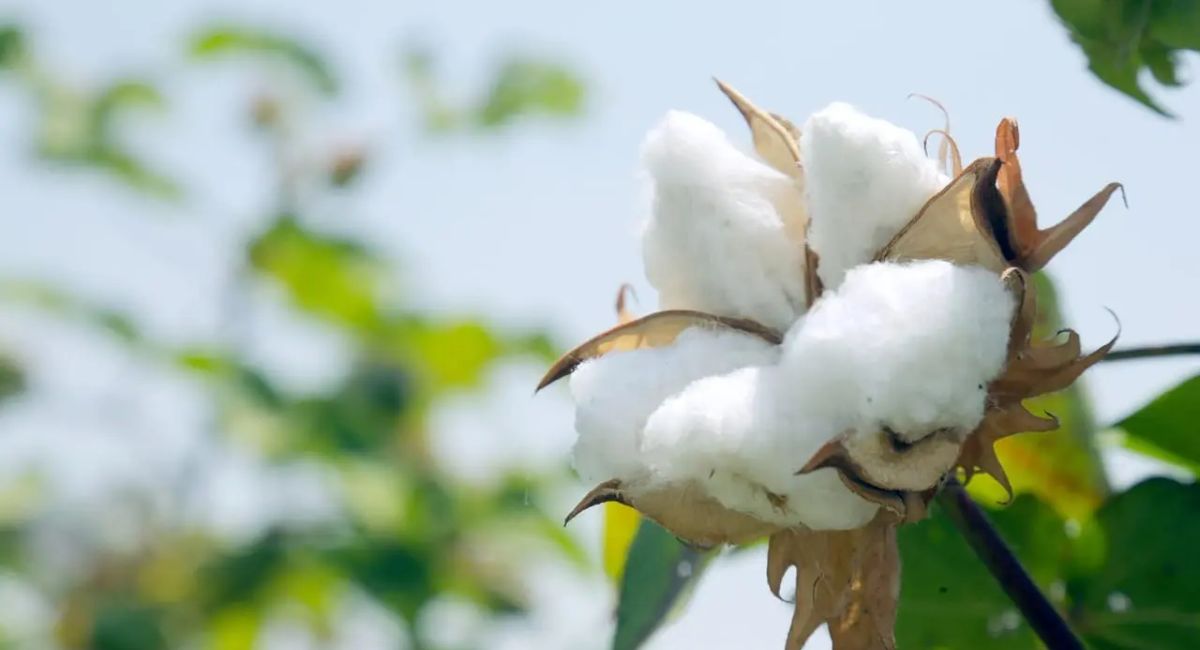
The cotton plant — Gossypium hirsutum in its most widely cultivated form — is one of the most economically significant plants in human history, but most people who decide to grow one in their garden or as a decorative ornamental know surprisingly little about what it actually needs to thrive. It’s a warm-season subtropical plant that produces some of the most visually striking flowers and seed balls in the botanical world, progressing from creamy white blooms to pink and eventually deep burgundy as they mature, before splitting open to reveal the iconic white fibre that makes the species famous globally.
This guide is built around real problems that real cotton plant growers encounter — not a list of generic tips recycled from agricultural extension pamphlets, but an honest, biology-informed look at why diseases happen, what yellow leaves are genuinely trying to tell you, how root rot develops in cotton’s specific root architecture, and what the early-warning signs look like before damage becomes irreversible. Whether you’re growing cotton for ornamental interest, historical curiosity, or practical fibre production on a small scale, understanding the plant at this level makes everything else easier.
Whether you’ve planted your first cotton plant seedling or troubleshooting a mature plant, this guide covers real biology, diseases, fixes.
Cotton Plant Care Fundamentals That Most Growers Overlook:
The foundational thing to understand about the cotton plant is that it evolved in warm, semi-arid subtropical environments where the soil drains rapidly, rainfall is seasonal rather than constant, and temperatures stay reliably warm throughout the growing cycle. That background matters for every care decision you make. Cotton wants full sun — a minimum of six to eight hours of direct sunlight daily, not partial sun, not bright indirect light, but genuine full-day sun exposure. It wants warm soil that never drops below 60°F even at night.
The other thing worth understanding early in your cotton plant growing journey is its growth timeline, because it’s longer than most gardeners expect. From germination to open boll, cotton typically takes 150 to 180 days — roughly five to six months of warm growing season. That means in most temperate climates, the window for outdoor cotton is tight and timing is everything.
Cotton Plant Watering The Balance That Determines Everything:
Water management is probably the most consequential ongoing decision in cotton plant care, and it’s where both overenthusiastic beginners and experienced growers who aren’t paying close attention tend to go wrong. The cotton plant needs reliable moisture during the vegetative growth phase and especially during flowering and boll development — water stress at those critical stages directly reduces fibre quality and boll set. But consistent overwatering, or poor drainage that keeps roots sitting in saturated soil, creates the oxygen-depleted root zone conditions where anaerobic bacteria multiply and water mold pathogens like Pythium establish themselves in root tissue.
Watering cotton well means soaking the ground deeply but doing it only now and then instead of a little every few days. Reach down into the earth – about one to one-and-a-half feet deep – with each soak, after which let the upper layer turn fully dry before adding more moisture. Roots start pushing lower when they hunt for water below, not lingering up where dampness sits close, leading to stronger underground growth that handles dry spells better across months. When young and just sprouting leaves, the plant drinks less; once blooms appear and pods begin forming, its thirst grows much greater
Early watering works well for cotton plants because sunlight dries wet surfaces by midday instead of leaving them soaked through dark hours. Moisture trapped after sunset often feeds fungus, especially when heat and humidity build up in the air. Morning routines prevent dampness from lingering where it can cause harm.
Cotton Plant Complete Care Quick-Reference Table:
| Care Factor | Best Approach | Common Mistake | What Goes Wrong |
| Sunlight | Full sun, 6–8 hours minimum daily | Partial shade or indoor growing | Weak stems, poor boll development |
| Watering | Deep, infrequent — let surface dry | Frequent shallow daily watering | Root rot, fungal disease, yellowing |
| Soil type | Sandy loam, pH 5.8–7.0, well-draining | Heavy clay without amendment | Waterlogged roots, disease pressure |
| Temperature | 65–95°F (18–35°C) growing season | Planting before soil warms to 60°F | Poor germination, cold stress damage |
| Fertilizing | Balanced NPK, higher K at boll stage | Excess nitrogen throughout season | Excessive leaf growth, fewer bolls |
| Planting depth | 1 inch deep, 12–18 inches apart | Too deep or overcrowded planting | Poor germination, disease pressure |
| Pest management | Regular inspection, early intervention | Ignoring early signs of damage | Boll weevil, aphid colony establishment |
| Disease control | Crop rotation, fungicide where needed | Replanting in infected soil | Recurring wilt and root disease |
| Humidity | Moderate — good airflow essential | Dense planting, poor ventilation | Boll rot, grey mould infections |
| Harvesting | When bolls fully split and dry | Picking before bolls fully open | Damp fibre, storage mould growth |
Cotton Plant Diseases Fungal Infections You Must Identify Fast:
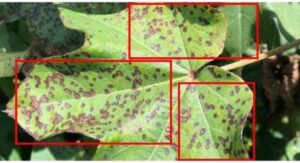
Fungal disease is the most persistent and economically significant category of health problem affecting the cotton plant, and the specific fungal species involved vary depending on growing region, soil conditions, and seasonal weather patterns. What they share is a dependence on moisture — either in the soil around the roots or on the leaf and boll surfaces — which is why good drainage, appropriate plant spacing for airflow, and morning-only irrigation are the three most powerful disease-prevention tools available to any cotton farming soil needs grower, whether farming at scale or managing a small garden bed.
1. Fusarium Wilt:
Yellow patches creep across bottom leaves, usually starting off lopsided, even when the ground stays damp. Inside the stalk, slices reveal streaks of brown threading through the core. A fungus named Fusarium oxysporum f. sp. vasinfectum slips into the plant’s inner channels, spreading quietly. Once settled, it clogs pathways that carry food and water upward, choking the cotton slowly.
2. Verticillium Wilt:
Later in the season, a fungus called Verticillium dahliae triggers issues in cotton that look much like those from Fusarium wilt – leaves turn yellow, droop, and show darkened veins inside – but it moves at a slower pace. What sets it apart? Often, before total yellowing, leaves develop an irregular mix of green and yellow spots, creating streaks or blotches across the surface. This patchiness stands out compared to the even discoloration seen when Fusarium strikes.
3. Boll Rot Fungus:
Boll rot is a complex of fungal diseases — involving species like Diplodia, Colletotrichum, and Aspergillus — that attacks the developing bolls of the cotton plant during warm, humid weather when ripening bolls are damaged by insects or mechanical injury. Infected bolls show water-soaked dark patches on the outer surface, internal discoloration of the developing fibre, and in severe cases full boll collapse before the fibres mature.
Cotton Plant Yellow Leaves What Every Colour Change Signals:
Yellow leaves on a cotton plant are one of the most common concerns growers bring to forums and extension services, and they’re also one of the most frequently misdiagnosed problems in the crop — largely because yellowing is a non-specific symptom that can result from at least eight different underlying causes, each requiring a completely different response.
1. Nutrient Lockout:
Nutrient-related yellowing in the cotton farming soil needs often results not from absent nutrients but from soil conditions that prevent their uptake — a situation called nutrient lockout. Excessively acidic or alkaline soil, waterlogged anaerobic conditions, or soil temperatures too cold for root enzyme function all prevent the plant from absorbing available nutrients regardless of what’s been applied to the soil. Nitrogen deficiency shows as uniform pale yellowing across older lower leaves. Magnesium deficiency produces interveinal chlorosis — yellowing between the leaf veins while the veins themselves stay green.
2. Bacterial Blight:
Yellow patches show up first when bacteria invade cotton plants, not fungi. These spots look wet at first, shaped like sharp-edged rectangles trapped between leaf veins. Over time, they darken into brittle brown areas as cells die off. Raindrops flinging upward carry the germs from soil to leaves. Water flowing from sprinklers does the same, moving trouble across rows. Dirty farming tools pass it along too, hand to hand without anyone noticing. Clean equipment helps slow things down. So does watering close to the ground instead of dousing from above.
3. Root Zone Stress:
Root zone stress — caused by compacted soil, flooding, extreme drought, or active root rot — produces yellowing in the cotton farming soil needs that starts at the tips and margins of leaves before spreading inward, or appears as a general whole-plant pallor that doesn’t fit the pattern of any specific nutrient deficiency. The connecting thread is that the root system can no longer supply adequate water and nutrients to the above-ground tissue, regardless of the specific cause.
Cotton Plant Root Rot Identify It Early and Act Fast:
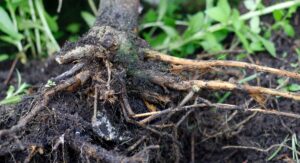
Root rot is arguably the most serious non-pest threat facing a cotton plant in home garden or small-scale growing situations, primarily because it operates invisibly below the soil surface while appearing to cause above-ground symptoms that suggest completely different problems to untrained observers. A plant that just seems to be “not doing well” despite adequate fertiliser and regular watering almost always turns out, on closer inspection, to have a root system being progressively destroyed by water mold or fungal pathogens working in the oxygen-depleted conditions of consistently saturated soil.
1. Soil Smell Warning:
The earliest and most reliable warning of root rot developing in a cotton farming soil needs is the smell of the soil — not the look of the plant. Healthy well-drained soil around cotton roots smells clean, earthy, and faintly mineral. Soil in an active root rot environment smells sour, fermented, or slightly sulphurous — the odour of anaerobic bacterial activity and water mold metabolism breaking down root tissue underground.
2. Root System Inspection:
Start by digging near the main root and its branches if you think root rot might be present. A clear look at the roots will show what is happening underground, plus help decide how serious it is. Firm roots that hold their shape when pressed slightly mean things are going well – they should be pale beige to light brown. When rot caused by pathogens like Pythium or Rhizoctonia takes hold, color shifts dramatically toward deep brown or black.
3. Treatment and Prevention:
Treating root rot in a potted cotton farming soil needs follows the standard rescue approach — remove affected roots with sterilised tools, dust cut surfaces with sulfur, air-dry, and repot in fresh well-draining mix. For field-grown cotton, prevention is more practical than treatment: raised beds or ridged planting improve drainage significantly, crop rotation breaks pathogen cycles in infected soil, and reduces irrigation frequency during early vegetative growth — when root rot pressure is highest in cool spring soils — dramatically reduces disease incidence.
Cotton Plant Pests and Bacterial Virus Threats Explained:
Beyond fungal diseases and root problems, the cotton plant faces pressure from a well-documented range of insect pests and bacterial-viral pathogens that, if not identified and managed early, can reduce yields dramatically or kill plants outright during the vulnerable early growth stages. The pest and disease pressure on cotton is, frankly, more significant than on most ornamental plants, which is part of why cotton farming at commercial scale is such a pesticide-intensive industry globally.
1. Aphid Colonies:
Out in the fields, tiny green bugs called cotton aphids stick close to cotton crops year after year. These pests weaken plants by sucking fluid straight from fresh shoots and new leaves. Twisted foliage appears. Leaves roll up. A sticky mess builds on surfaces below. That syrup draws in dark molds that smother leaf tissue over time. Movement spreads trouble further. As they crawl around, aphids carry viruses from sick plants to sound ones nearby. One such illness, known as Cotton leafroll dwarf virus, moves easily because of their travel. Damage isn’t just physical.
2. Viral Leaf Roll:
Cotton leafroll dwarf disease, caused by a group of polerovirus strains transmitted primarily by aphid vectors, produces characteristic symptoms in the cotton farming soil needs that include upward leaf rolling, reddening or purpling of foliage, shortened internodes, and reduced boll development in infected plants. Viral infections have no chemical cure — once a plant tests positive for cotton leafroll virus, managing the aphid vector population to prevent spread to healthy neighbouring plants is the primary management objective. Removing and disposing of confirmed infected plants reduces the inoculum source available to aphid vectors. Resistant variety planting is the most effective long-term response where viral pressure is consistently problematic across multiple growing seasons on the same ground.
3. Boll Weevil Damage:
The boll weevil (Anthonomus grandis) is historically the most destructive insect pest ever to affect the cotton farming soil needs capable of destroying the majority of a season’s boll crop in heavily infested areas before eradication programmes dramatically reduced its range across much of the United States. Adult weevils puncture developing flower buds and young bolls to feed and lay eggs, causing the attacked structures to discolour, fail to open, and drop from the plant prematurely. Regular scouting of bolls and buds for the characteristic entry holes and frass deposits, combined with targeted insecticide applications during peak adult emergence periods, provides adequate control for most small-scale cotton farming soil needs growing situations in regions where the pest is still present.
Cotton Plant Growing Benefits Beyond the Obvious Fibre:
- Growing a cotton plant provides one of the most visually dramatic flower-to-boll progressions in the botanical world — the blooms change from white to pink to deep burgundy over three days, creating a constantly evolving display that no static ornamental flowering plant can replicate through a single growing season.
- The cotton farming soil needs to produce cottonseed as a byproduct alongside its fibre — cottonseed oil is an edible culinary oil used globally, and the protein-rich cottonseed meal left after oil extraction is a valuable livestock feed supplement that makes small-scale cotton growing genuinely productive beyond the visible white fibre alone.
- Growing a cotton plant from seed to open boll is one of the most genuinely educational gardening experiences available — it connects you directly to the origins of the most widely used natural textile fibre in human history, making even a single ornamental plant a living lesson in agricultural and cultural history.
- The dried open bolls of the cotton farming soil needsare among the most sought-after natural decorative elements in home interiors and floral design — harvested in autumn and dried, they provide long-lasting, biodegradable decorative material that has sustained cottage industry businesses and artisan craft practices for generations of rural growers.
- A well-managed cotton farming soil needs in full growth attracts pollinators consistently — the large, showy flowers produce significant nectar and pollen resources for bees and beneficial insects, making cotton a useful addition to garden ecosystems designed to support pollinator populations through the warm summer and early autumn growing months.
Cotton Plant Mistakes That Cost Growers Time and Harvest:
- Planting a cotton plant before soil temperatures reliably reach 65°F is the most common timing mistake beginners make — cold soil severely inhibits germination, leaves seedlings vulnerable to damping-off fungal disease, and produces weakened plants that never fully recover their growth momentum despite warming conditions arriving weeks later.
- Applying excess nitrogen fertiliser to cotton farming soil needs throughout the season encourages vigorous vegetative leaf growth at the direct expense of reproductive development — the plant channels energy into producing more foliage rather than setting bolls, resulting in a lush, impressive-looking plant that produces frustratingly few actual harvestable cotton bolls by season end.
- Failing to adequately space cotton farming soil needs specimens creates the dense, poorly ventilated canopy conditions that fungal leaf diseases, boll rot pathogens, and insect pest colonies all exploit — twelve to eighteen inches between plants isn’t optional spacing guidance, it’s the practical minimum for adequate airflow and disease pressure management.
- Harvesting cotton plant bolls before they have fully split and dried produces fibre with elevated moisture content that develops mould during storage within days, particularly in humid post-harvest conditions — waiting for complete boll opening and at least two consecutive dry days before picking is the single most important harvest timing rule for preserving fibre quality.
- Replanting a cotton farming soil needs in the same soil where Fusarium or Verticillium wilt was identified the previous season without rotating to a different crop or treating the soil recreates identical disease pressure conditions — both pathogens persist in soil for multiple years, and simply replanting without intervention virtually guarantees repeat infection in susceptible varieties.
Conclusion
The cotton plant is demanding in ways that reward the growers who take the time to understand its specific biology — its subtropical warmth requirements, its sensitivity to waterlogged roots, its vulnerability to specific fungal and bacterial pathogens, and its absolute dependence on good drainage and full sun to reach the dramatic white-boll stage that makes growing it worthwhile. Every problem I described in this guide is preventable with the right foundational conditions.
FAQ’s
Q1. How often should I water my cotton plant?
Water your cotton plant deeply but infrequently — allow the soil surface to dry out between sessions rather than watering on a fixed schedule.
Q2. Why are my cotton plant leaves turning yellow?
Yellowing cotton plant leaves can signal nutrient deficiency, Fusarium or Verticillium wilt, bacterial blight, overwatering damage, or root rot.
Q3. What causes root rot in cotton plants?
Root rot in the cotton plant is primarily caused by water mold pathogens like Pythium and Phytophthora that establish in oxygen-depleted, waterlogged soil.
Q4. What light does a cotton plant need?
The cotton plant requires a minimum of six to eight hours of full direct sunlight daily — not bright indirect light, but genuine full sun exposure. Insufficient light produces weak stems, poor flowering, and inadequate boll development.
Q5. How do I treat Fusarium wilt in cotton plants?
There is no effective chemical cure for Fusarium wilt once it infects a cotton plant. Management relies on planting disease-resistant varieties, rotating away from cotton in infected soil for several seasons, and improving drainage to reduce conditions that favour the pathogen.
Q6. What pests most commonly attack cotton plants?
Cotton aphids, boll weevils, and various caterpillar species are the most common pest threats to the cotton plant. Aphids additionally transmit viral diseases between plants, making early population management particularly important.
Q7. When should I harvest my cotton plant balls?
Harvest cotton plant bolls only after they have fully split open and the exposed fibre has had at least two consecutive dry days to reduce surface moisture. Harvesting early-split bolls produces damp fibre that develops mould quickly in storage.
Q8. Can I grow a cotton plant in containers?
Yes — the cotton plant grows reasonably well in large containers of at least five gallons with excellent drainage. Use a sandy loam mix, ensure full sun positioning, and water deeply but infrequently, emptying saucers completely after each irrigation.
Summary
The cotton plant is one of the most rewarding — and most demanding — plants you can commit to growing in a home garden setting. It needs full sun without compromise, well-drained soil managed carefully to prevent the root rot conditions that kill more cotton farming soil needs than any insect or disease, and consistent monitoring for the fungal, bacterial, and viral diseases that target it specifically throughout the growing season.