Last summer my back patio was completely unusable after 6pm. We’d light citronella candles, spray ourselves down, and still end up retreating inside within twenty minutes. A neighbor mentioned she’d completely transformed her garden using plants that resist mosquitoes and hadn’t touched a can of spray all season. I was skeptical but desperate enough to try.
Mosquitoes are more than an annoyance—they carry diseases affecting millions worldwide. Plants that resist mosquitoes offer a natural, chemical-free way to reduce mosquito pressure around homes, patios, and gardens without the environmental costs of synthetic repellents.
Plants that resist mosquitoes can transform your outdoor space naturally — here’s everything you need to know to make them work effectively.
Plants That Resist Mosquitoes: How Natural Compounds Actually Work
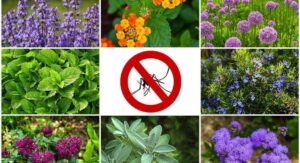
Plants that resist mosquitoes produce specific volatile organic compounds — primarily in leaves, stems, and flowers — that interfere with olfactory receptors mosquitoes use to locate hosts. These compounds include citronellal, linalool, cineole, and geraniol, each overwhelming the sensory signals mosquitoes rely on to find carbon dioxide and body heat from humans.
These active compounds release passively into the air, especially in warm weather. Rubbing or crushing the leaves increases volatile concentration significantly. Planting in areas with airflow — along fence lines, near doors, in containers by seating areas — maximizes their effectiveness without additional effort from you.
Plants That Resist Mosquitoes Best: Top Varieties to Grow
The most effective options combine high volatile oil concentration with good growth habits and garden usefulness. Lavender, lemon balm, citronella grass, catnip, basil, rosemary, marigolds, peppermint, eucalyptus, and scented geraniums all rank among the most reliable and widely available. Each brings a different profile of active compounds, growth habit, and care requirement.
This core selection covers a wide range of garden needs — ground covers, container plants, border hedges, and double-duty culinary herbs. Selecting a mix ensures multiple active compounds are present simultaneously, which proves more effective than relying on a single variety throughout the season.
Best Plants That Resist Mosquitoes — Complete Reference Table
| Plant Name | Active Compound | Growth Habit | Care Level | Best Placement |
| Lavender | Linalool, camphor | Shrubby perennial | Low | Sunny borders, containers |
| Lemon Balm | Citronellal | Spreading herb | Low-medium | Near seating, containers |
| Citronella Grass | Citronellal, geraniol | Tall grass | Medium | Large containers, beds |
| Catnip | Nepetalactone | Spreading perennial | Low | Borders, raised beds |
| Basil | Estragole, linalool | Annual herb | Medium | Containers, kitchen garden |
| Rosemary | Cineole, camphor | Shrub | Low | Borders, containers, topiary |
| Marigolds | Pyrethrin-related | Annual flowering | Low | Borders, vegetable garden edges |
| Peppermint | Menthol, menthone | Ground cover | Low | Containers — spreads aggressively |
| Eucalyptus | Eucalyptol | Tree or large shrub | Medium | Large garden, containers young |
| Scented Geranium | Geraniol, citronellol | Compact shrub | Low-medium | Containers, window boxes |
Plants That Resist Mosquitoes—Lavender and Its Garden Benefits
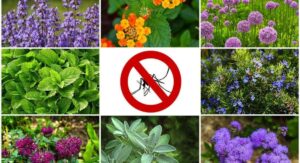
Lavender is one of the most recognizable plants that resist mosquitoes, combining exceptional repellent properties with outstanding aesthetics. Its high concentration of linalool and camphor makes it effective against mosquitoes, moths, and flies simultaneously. Lavender also has remarkable resistance to fungal infections and root rot when grown in well-draining soil — its Mediterranean origins mean it thrives where many other plants struggle.
Plant care involves minimal watering, full sun exposure, and excellent drainage. Yellow leaves on lavender almost always indicate overwatering or poor drainage rather than nutrient deficiency. Root rot caused by waterlogged soil is the most common disease issue — proper drainage eliminates it entirely. Prune after flowering to encourage fresh growth with the highest oil concentration.
Plants That Resist Mosquitoes — Rosemary in Your Garden
Rosemary is one of the most underappreciated plants that resist mosquitoes in the home garden. Its woody, evergreen structure means it provides year-round presence even in climates where most herbs die back in winter. The active compounds—cineole and camphor—are released continuously through the foliage and increase significantly when the plant is pruned, brushed against, or placed near a heat source like a grill or fire pit.
Growing rosemary successfully as part of a mosquito-deterring garden requires understanding one simple principle: it hates wet roots more than almost any other commonly grown herb. Rosemary planted in heavy, poorly-draining soil almost always develops root rot within one to two growing seasons. Once root rot caused by Phytophthora microorganisms establishes in a rosemary plant, recovery is difficult. The signs are yellowing lower leaves, wilting despite adequate soil moisture, and eventually black or brown mushy tissue at the stem base.
Plant rosemary in raised beds or containers with gritty, fast-draining mix whenever garden soil is heavy clay. Water deeply but infrequently — allow the top two inches of soil to dry completely before watering again. In humid climates, powdery mildew can develop on rosemary foliage when airflow is poor. Improve spacing between plants and avoid overhead watering to manage this fungal infection without chemical intervention.
Plants That Resist Mosquitoes — Peppermint and Its Growing Needs
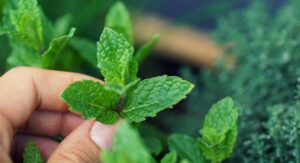
Peppermint contains menthol and menthone at concentrations that make it one of the most potent natural mosquito deterrents available to home gardeners. The challenge with peppermint is not growing it — it grows almost too vigorously — but managing it so it doesn’t take over the entire garden while still keeping it healthy enough to produce the active oils that make it effective.
Container growing is the standard recommendation for peppermint because its spreading root system can overtake garden beds within a single season. In containers it stays manageable and can be positioned exactly where mosquito deterrence is most needed — beside outdoor seating, along doorways, and under windows. Replace container soil annually because peppermint depletes nitrogen quickly, and nitrogen deficiency shows up as yellowing leaves that reduce photosynthesis and ultimately oil production.
Common disease issues in peppermint include mint rust — a fungal infection producing orange, dusty pustules on leaf undersides — and verticillium wilt, a soilborne fungal disease that causes sudden wilting and internal stem discoloration. Mint rust spreads through spores in wet weather and is managed by removing affected leaves promptly and improving airflow. Verticillium wilt comes from contaminated soil and has no cure — replace affected plants and use fresh sterile potting mix each season.
Plants That Resist Mosquitoes — Marigolds as Companion Plants
Marigolds deserve far more credit than they typically receive in mosquito-repelling plant discussions. Most conversations focus on their above-ground foliage and the limonene compounds their leaves produce. What often goes unmentioned is that marigold roots produce thiopene — a sulfur-based compound that suppresses soil-dwelling nematodes and other microorganisms that attack vegetable roots. This makes marigolds genuinely useful planted along the edges of vegetable beds where they deter pests both above and below ground simultaneously.
French marigolds perform better in this dual role than African marigolds. Their smaller, more compact habit means they can be planted densely along borders without crowding neighboring plants. The flowers themselves are long-lasting and attract beneficial insects like hoverflies and parasitic wasps that control aphids and caterpillars — meaning a border of French marigolds supports the entire garden ecosystem while deterring mosquitoes.
Marigold care is minimal but there are a few disease issues worth knowing. Gray mold caused by Botrytis fungal infection is the most common problem, particularly in wet seasons or when spent flowers are left on the plant too long. Remove dead flowers consistently and ensure good airflow between plants. Aphids occasionally attack young marigold growth — blast them off with water or introduce ladybirds. Leafhoppers can transmit viral infections that cause yellowing, distortion, and stunted growth. Remove affected plants promptly to prevent virus spread to neighboring garden plants.
Plants That Resist Mosquitoes — Catnip and Scientific Research
Catnip deserves specific attention because the research backing its effectiveness is more robust than most people realize. Studies published in entomology journals have found that nepetalactone — the active compound in catnip — shows repelling activity at concentrations significantly higher than DEET under controlled conditions. The practical application in a garden isn’t a one-to-one comparison with a chemical spray, but the underlying potency of this compound is genuine and measurable.
Catnip grows quickly, tolerates partial shade better than most repellent herbs, and spreads readily once established. Its spreading habit is both an advantage — creating broader coverage in a border — and a management challenge if you don’t want it taking over. Cutting it back hard after flowering encourages fresh growth with the highest concentration of active nepetalactone and prevents it from self-seeding throughout the garden.
Plant health issues with catnip are relatively minor. Powdery mildew affects it in humid, poorly-ventilated conditions — this fungal infection produces a white coating on leaves that reduces photosynthesis and weakens the plant progressively. Leafhoppers and spider mites occasionally attack catnip in hot, dry summers. Spider mites cause fine speckling on leaves and produce visible webbing under the foliage when populations become large. Increase humidity around affected plants and use neem oil spray to manage mite populations without disrupting beneficial insects.
Plants That Resist Mosquitoes — Eucalyptus and Lemon-Scented Varieties
Eucalyptus is the source of eucalyptol — one of the most widely researched and commercially utilized mosquito-repelling compounds outside of synthetic chemicals. Lemon-scented eucalyptus specifically produces p-menthane-3,8-diol, which is registered by the EPA as an effective insect repellent and is the active ingredient in many commercial natural repellent products. Growing lemon-scented eucalyptus in large containers or as a pruned shrub in a sheltered garden position brings this level of repellent activity directly into your outdoor space.
In cooler climates, eucalyptus can be grown in large containers and moved under cover during winter. In warmer climates it grows vigorously as a tree or large shrub. Young plants are particularly effective as mosquito deterrents because their foliage contains the highest oil concentration per leaf — mature trees produce less oil relative to leaf surface area. Annual coppicing — cutting the plant back hard in spring — keeps it producing the juvenile foliage with the highest repellent activity year after year.
Eucalyptus in containers is susceptible to root-bound stress — a condition where roots have completely filled the container, leaving no room for growth, water absorption, or gas exchange. Root-bound plants yellow at the tips, wilt between waterings despite receiving adequate water, and produce progressively less new growth each season. Repot annually into a container one size larger to prevent this. Eucalyptus planted in heavy soil can develop Phytophthora root rot — improve drainage before planting and avoid watering during wet weather periods.
Plants That Resist Mosquitoes — Basil Varieties and Their Specific Effects
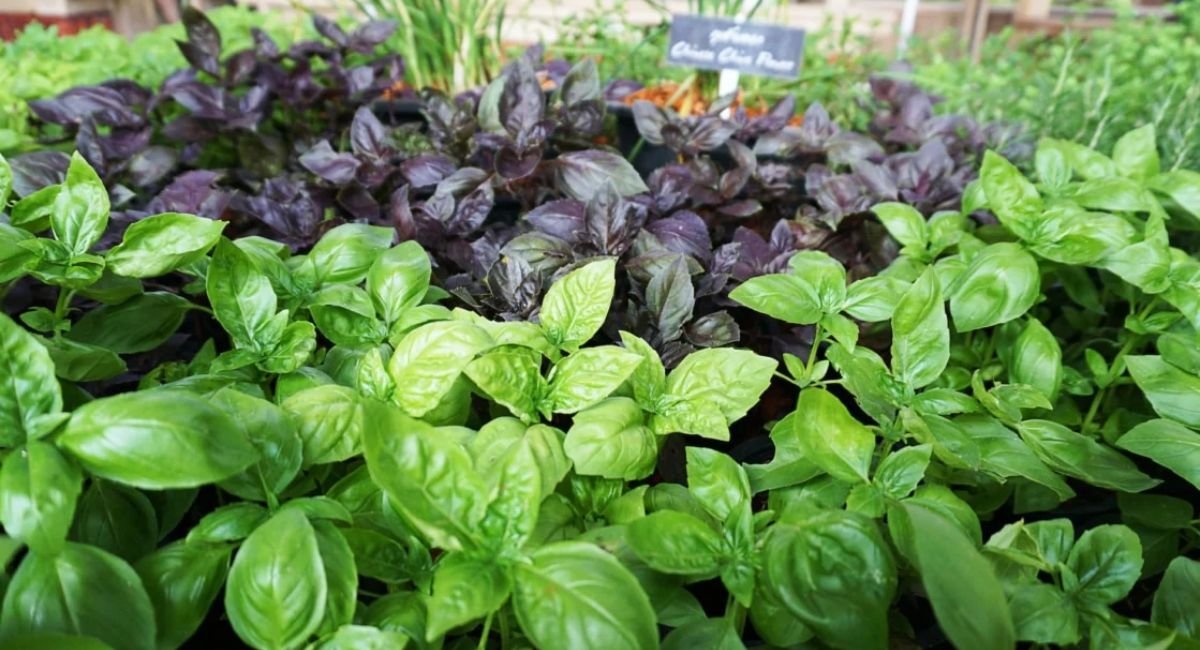
Not all basil varieties perform equally as mosquito deterrents. Sweet basil provides useful levels of estragole and linalool. Thai basil and holy basil produce higher concentrations of eugenol and other volatile compounds that have shown stronger repelling activity in research comparing basil varieties. Lemon basil produces additional citral compounds that add a citrus dimension to the repellent volatile profile. Growing all three varieties together creates a broader compound profile than any single variety provides alone.
Basil is an annual that thrives in warm conditions and produces its most active growth from midsummer through early autumn. It’s during this peak growth phase that the plant releases the highest concentration of volatile compounds and provides the most effective mosquito deterrence. Keep basil plants well-watered during hot spells — drought stress causes premature flowering, which reduces leaf production and shifts the plant’s energy away from the vegetative growth that produces repellent oils.
Basil faces several significant disease challenges. Fusarium wilt caused by a soilborne fungal pathogen causes sudden wilting and brown streaking inside the stem — infected plants cannot be saved and the pathogen persists in soil, so remove and destroy affected plants promptly. Downy mildew caused by the Peronospora belbahrii oomycete is the most economically significant basil disease worldwide, causing yellowing and grey-purple fuzz on leaf undersides. Improve airflow, avoid overhead watering, and choose resistant varieties where available. Bacterial leaf spot causes dark brown spots with yellow halos — spread by water splash and contaminated tools, managed by reducing moisture on leaf surfaces.
Plants That Resist Mosquitoes — Seasonal Care Through the Year
Managing a garden of Plants That Resist Mosquitoes effectively requires thinking seasonally rather than simply planting and leaving things to develop on their own. Different seasons bring different care priorities, disease risks, and opportunities to maximize the volatile oil production that makes these plants effective. Understanding what each season demands keeps the garden performing at its best throughout the entire mosquito season from late spring through early autumn. Seasonal care helps Plants That Resist Mosquitoes remain healthy, fragrant, and naturally effective against insects.
Spring is the establishment and setup season. This is when to plant out tender varieties like basil and citronella grass after the last frost risk passes, when to repot container specimens that have become root-bound over winter, and when to apply a slow-release organic fertilizer to perennial varieties like lavender, rosemary, and catnip that are breaking dormancy. Check for any fungal infections that developed over the wet winter months and remove affected growth before the season begins in earnest. Adding fresh compost around perennial varieties in spring feeds the beneficial soil microorganism community that supports nutrient uptake through the growing season. Healthy soil is one of the biggest factors behind successful Plants That Resist Mosquitoes.
Summer is the peak performance and active management season. This is when volatile oil production is highest, when mosquito pressure is most intense, and when most plant health problems tend to appear. Monitor for powdery mildew on lemon balm and basil during humid spells. Check container plants weekly for signs of underwatering — which reduces oil production — and overwatering — which promotes root rot. Harvest herbs regularly to encourage continued vegetative growth rather than flowering, which drops oil concentration in the foliage. Proper summer maintenance allows Plants That Resist Mosquitoes to produce stronger natural scents that help repel insects more effectively.
Autumn is the wind-down and preparation season. Tender annuals like basil finish their productive life in autumn and can be composted after the first cold snap. Perennial herbs should be trimmed back but not cut into old wood before winter. Container plants that won’t survive outdoor winter conditions need to be brought under cover before the first hard frost. Clean up dead plant material from borders thoroughly because fallen leaves and spent stems carry fungal spores that can cause infection pressure the following spring. Careful autumn cleanup keeps Plants That Resist Mosquitoes healthier and ready for strong regrowth when warmer weather returns.
Plants That Resist Mosquitoes — Creating an Effective Garden Layout
The difference between a garden that noticeably reduces mosquito pressure and one that looks attractive but performs poorly often comes down to layout rather than plant selection. Having the right plants in the wrong positions means their volatile compounds disperse away from the areas where people spend time rather than creating a barrier around those spaces. Thinking strategically about placement transforms a collection of repellent plants into a genuinely functional mosquito deterrent system. Smart placement is one of the most important factors when designing gardens with Plants That Resist Mosquitoes.
Start by identifying the primary outdoor spaces you want to protect — the main seating area, the dining space, the area around a doorway or window where mosquitoes tend to enter the house. These become the centers around which repellent plants are positioned. Work outward from these focal points rather than planting repellent species randomly throughout the garden where they look nice but have limited effect on the spaces people actually use. Proper positioning helps Plants That Resist Mosquitoes create a stronger natural barrier around outdoor living spaces.
Position the tallest varieties — citronella grass, rosemary trained into a standard, large eucalyptus containers — on the windward side of seating areas so their volatile compounds drift toward the spaces you occupy rather than away from them. Medium-height plants like lavender, catnip, and lemon balm work best in dense borders immediately adjacent to seating. Low-growing and container varieties like basil, peppermint in pots, and scented geraniums can be placed directly on tables and surfaces within the seating area itself for the most intense exposure to their active compounds. Grouping Plants That Resist Mosquitoes in layers around patios and entryways creates a more concentrated repellent effect.
For even better results, combine multiple Plants That Resist Mosquitoes together instead of relying on a single variety. A layered arrangement improves fragrance distribution, increases visual appeal, and provides stronger protection during peak mosquito season.
Plants That Resist Mosquitoes — Supporting Biodiversity While Deterring Pests
One of the most valuable aspects of building a garden around repellent plant varieties is that the approach naturally supports broader garden biodiversity rather than working against it. Synthetic mosquito control — fogging, barrier spraying — kills mosquitoes but also kills beneficial insects like bees, hoverflies, parasitic wasps, and lacewings that provide pollination and natural pest control services. A garden of repellent plants deters mosquitoes while actively supporting these beneficial populations.
Lavender, catmint, marigolds, and lemon balm are all significant nectar sources for bees and hoverflies. Their flowers support pollinator populations that contribute to broader garden health and food production. The aromatic compounds that make these plants effective against mosquitoes are broadly neutral or even attractive to beneficial insects — which is the opposite relationship from what synthetic chemicals create. Building a repellent garden is therefore also building a healthy, biodiverse garden ecosystem.
The soil microorganism benefits from compounding this effect further. Gardens managed with organic mulches, compost additions, and minimal synthetic chemical use develop thriving communities of beneficial fungi and bacteria in the soil. These communities suppress soilborne diseases naturally, improve plant nutrient uptake, and create the conditions in which repellent plants produce the highest concentration of volatile oils. Everything in a well-managed repellent garden reinforces everything else — making it genuinely more than the sum of its individual plant choices.
Plants That Resist Mosquitoes — Understanding Essential Oil Extraction for Home Use
Beyond their living garden presence, many mosquito-repelling plants can be harvested and processed into simple home preparations that extend their effectiveness beyond the garden boundaries. Dried lavender sachets placed near doorways and windows provide ongoing deterrence inside the home. Fresh basil and peppermint leaves rubbed directly on exposed skin provide temporary personal repellent activity. Simple infused oils made from rosemary or lavender in a carrier oil create a basic skin-application repellent for outdoor use.
None of these home preparations match the concentration or duration of commercial repellent products, but they provide useful supplementary protection and make use of the abundant harvest that a productive repellent garden generates. Harvesting for these purposes also benefits the plants — regular cutting encourages new growth with the highest oil concentration rather than allowing the plant to put energy into flowering and seed production.
The best time to harvest repellent herbs for drying or oil infusion is in the morning after any dew has evaporated but before the heat of midday has caused the volatile oils to dissipate from the leaves. Harvest just before the plant reaches full flower — this is when oil glands in the leaves contain the maximum concentration of active compounds. Dry harvested material quickly in good airflow and away from direct sunlight to preserve the volatile compounds that make these plants effective as both garden deterrents and home preparations.
Plants That Resist Mosquitoes With Citrus Scents That Work Perfectly
Citrus-scented varieties represent some of the most potent options in this category. Lemon balm, citronella grass, and scented geraniums each produce citronellal or related compounds at concentrations proven effective outdoors. These plants work particularly well when grouped together because their combined volatile output creates a broader aromatic barrier than any single variety achieves alone.
Growing citrus-scented repellent plants successfully requires understanding their specific vulnerabilities. Lemon balm is prone to powdery mildew — a fungal infection appearing as white powder on leaves in humid conditions. Citronella grass suffers brown tips from underwatering. Scented geraniums develop botrytis grey mold in wet weather. Managing these diseases keeps the plants healthy and actively producing their repellent compounds.
Lemon Balm Benefits
Lemon balm contains citronellal — the same compound found in commercial repelling products — at effective concentrations. This plant grows quickly, tolerates partial shade, and works well in containers near patios. Harvest regularly to prevent flowering and ensure airflow to reduce fungal disease pressure. Yellowing lower leaves indicate nitrogen deficiency or overwatering in containers.
Citronella Grass Effectiveness
Citronella grass is the source of the citronellal oil used in most commercial mosquito candles and sprays. As a living plant it releases compounds passively, particularly during warm afternoons. Brown leaf tips indicate underwatering, root rot comes from waterlogged containers, and yellowing signals nutrient depletion. Apply slow-release fertilizer in spring to support essential oil production.
Scented Geraniums for Compact Areas
Scented geraniums — particularly rose and citrus varieties — contain geraniol and citronellol, both effective deterrents. They release oils in warm conditions without needing to be touched. Watch for botrytis fungal infection causing grey mold on flowers, and bacterial blackleg — black rotting at the stem base — which spreads in cold, wet soil. Use fresh sterile potting mix when replanting.
Plants That Resist Mosquitoes Through Culinary Herbs You Can Eat
Culinary herbs represent the most practical choice because they serve two purposes — reducing mosquito pressure while providing fresh ingredients for cooking. Basil, rosemary, peppermint, and lemon thyme all contain volatile compounds that mosquitoes find deeply aversive while humans find pleasant or useful.
Basil produces estragole and linalool shown to have measurable repelling activity in research. Thai basil often produces the highest concentration of active compounds among basil varieties. Rosemary produces cineole and camphor — both documented in mosquito-repelling research — with the advantage of being an evergreen shrub in mild climates, providing year-round garden presence.
Plants That Resist Mosquitoes: Care Mistakes That Reduce Effectiveness
Keeping Plants That Resist Mosquitoes healthy is directly tied to their effectiveness. Healthy Plants That Resist Mosquitoes release stronger natural scents and oils that help discourage insects. Stressed, diseased, or poorly grown plants produce significantly fewer volatile compounds than healthy, well-maintained specimens. The three most common care mistakes all reduce essential oil production in measurable ways. Healthy Plants That Resist Mosquitoes always perform better than weak or damaged plants.
Understanding what weakens these plants — overwatering, fungal infections, and nutrient imbalances — is as important as knowing which varieties to choose. A garden full of struggling, disease-affected repellent plants provides far less protection than a smaller, healthier collection managed with attention to basic plant care principles. Proper care helps Plants That Resist Mosquitoes grow stronger and maintain their natural pest-repelling abilities throughout the season.
Overwatering Causes Root Rot
The most common care mistake is overwatering, which leads directly to root rot — a fungal and bacterial soil disease destroying root systems from the base up. Root rot is caused by microorganisms including Pythium and Phytophthora that thrive in saturated, oxygen-depleted soil. Once established, it causes wilting despite wet soil, yellowing leaves, and eventual plant collapse.
Most repellent herbs — lavender, rosemary, thyme, citronella grass — are naturally adapted to dryer conditions. Check soil moisture before watering rather than using fixed schedules. This simple adjustment prevents the conditions allowing root rot microorganisms to establish and eliminates the most common cause of failure with Plants That Resist Mosquitoes.
Fungal Infections Weaken Effectiveness
Fungal infections are the second most significant health challenge for repellent plants. Powdery mildew affects lemon balm and basil when airflow is poor or humidity is high. Downy mildew causes similar yellowing and distortion. Rust fungus occasionally affects marigolds, appearing as orange pustules on leaf undersides.
Managing fungal infections involves improving airflow through correct spacing, avoiding wetting foliage during evening watering, and removing affected leaves promptly before spores spread. Neem oil spray treats both fungal infections and common insect pests without disrupting the beneficial microorganisms living in the surrounding soil. Regular maintenance keeps Plants That Resist Mosquitoes healthier and more effective against insects.
Yellow Leaves Signal Specific Problems
Yellow leaves are common but rarely mean what gardeners first assume. In most cases, yellowing indicates overwatering, root rot, nitrogen deficiency in depleted container soil, or occasionally a viral infection disrupting chlorophyll production. True viral infections cause distinctive mosaic patterns — irregular yellow and green patches — rather than uniform yellowing.
Diagnosing yellow leaves requires examining the yellowing pattern, checking soil moisture, and assessing recent feeding history. Older lower leaves yellowing naturally is normal. Young top leaves yellowing suggests iron deficiency in alkaline soil or a systemic problem. Address the correct cause rather than defaulting to fertilizer, which only resolves nutrient deficiency. Proper diagnosis helps Plants That Resist Mosquitoes stay vibrant, healthy, and naturally protective in outdoor spaces.
Plants That Resist Mosquitoes: 5 Placement Tips for Maximum Effect
- Position repellent plants beside every door and window opening
- Group multiple mosquito-repelling species together in clusters
- Place tall citronella grass upwind of primary seating areas
- Use containers to concentrate plant density near outdoor furniture
- Crush or brush leaves before outdoor evenings to activate compounds
Plants That Resist Mosquitoes: 5 Common Mistakes to Avoid
- Planting in shade where volatile oil production drops sharply
- Watering too frequently causing root rot in Mediterranean herbs
- Never pruning which reduces fresh growth with highest oil content
- Growing a single species instead of a diverse repellent combination
- Ignoring fungal infections that weaken health and reduce oil output
Plants That Resist Mosquitoes and Soil Microorganism Health
Healthy soil microorganisms play a direct role in how effectively repellent plants perform. Beneficial bacteria and mycorrhizal fungi help roots absorb the nutrients fueling essential oil production. When soil health is compromised — by overwatering, chemical use, or compaction — the microorganism community collapses, nutrient uptake suffers, and the garden produces fewer active volatile compounds.
Supporting soil health involves using compost-enriched mixes, avoiding synthetic fungicides unless absolutely necessary, and incorporating organic matter into beds annually. The same microorganism community supporting your repellent herbs also suppresses soilborne diseases — creating a self-reinforcing system where plant health and pest resistance strengthen each other naturally over time.
Plants That Resist Mosquitoes Through Flowers — Marigolds and More
Flowering varieties bring visual appeal alongside pest-deterring function. Marigolds contain thiopene from their roots that deters soil-dwelling pests, and limonene in foliage that contributes to mosquito deterrence. French marigolds are especially effective and have been used as companion plants in vegetable gardens for decades because of their multi-target pest resistance properties.
Catmint and catnip — both containing nepetalactone — have shown impressive deterring activity in multiple research studies. Some results suggest nepetalactone is significantly more potent than DEET on a molecule-per-molecule basis. While this doesn’t translate directly to open garden conditions, it reflects the genuine potency of these plants when grown densely in areas where pest control matters most.
Conclusion
Plants that resist mosquitoes offer one of the most rewarding sustainable approaches to backyard pest management available today. Combining multiple varieties ensures broad volatile compound coverage. Good plant care — proper drainage, disease management, soil health — keeps plants producing the oils making them effective. Plants that resist mosquitoes look beautiful, smell wonderful, and genuinely change how you experience outdoor spaces every single season.
Frequently Asked Questions
Q1: Do plants that resist mosquitoes actually work outdoors?
Yes — they release active compounds continuously in warm weather. Density and placement significantly influence effectiveness.
Q2: Which varieties work best in containers?
Lemon balm, basil, scented geraniums, and peppermint all work excellently in patio and balcony containers for mosquito deterrence.
Q3: How many do I need for my patio?
Clusters of three to five repellent varieties grouped together create a far more effective barrier than scattered individual specimens across the garden.
Q4: Can they replace chemical repellents entirely?
They significantly reduce presence. Plants that resist mosquitoes work best combined with eliminating standing water sources nearby.
Q5: Do they require special care?
Most are low-maintenance. Mediterranean varieties like lavender and rosemary need excellent drainage above everything else to thrive and produce repellent oils.
Q6: Can they get diseases?
Yes — root rot, mildew, and fungal infections affect them like any garden plant. Good airflow, drainage, and careful watering habits keep them healthy.
Q7: Do they repel other insects too?
Many do. Lavender and marigolds also deter aphids, whitefly, and other common garden pests simultaneously through their volatile compounds.
Q8: When should I plant them?
Spring after last frost is ideal. Repellent varieties establish during mild weather and produce the highest oil concentration through peak summer months.
Q9: Can they grow in partial shade?
Most perform better in full sun. Repellent varieties in shade produce fewer volatile compounds and become more susceptible to fungal disease.
Summary
Plants that resist mosquitoes offer natural, beautiful, and effective protection for outdoor spaces. From lavender and citronella grass to basil and marigolds, plants that resist mosquitoes work through potent volatile compounds disrupting mosquito senses. Combine multiple varieties and maintain plant health through proper drainage. A well-planted garden using plants that resist mosquitoes completely transforms your outdoor experience every season.