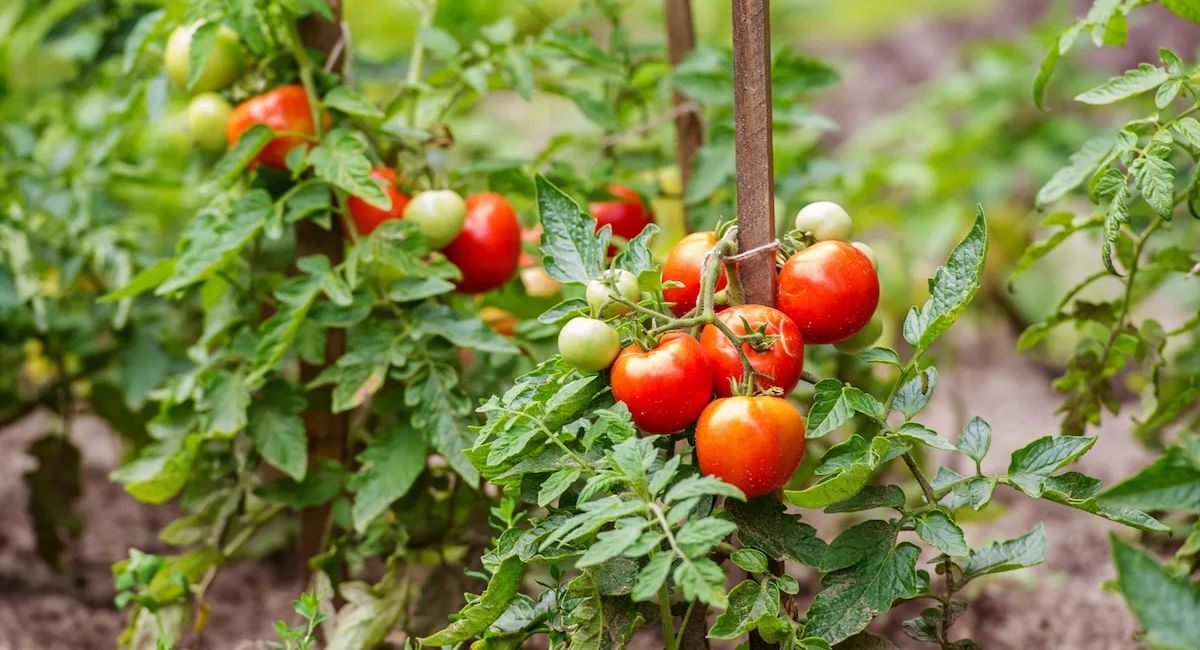
My first vegetable garden was a disaster — tomatoes planted wall-to-wall with no regard for neighbors, ravaged by aphids, blight, and yellowing leaves within weeks. I watched helplessly as bacterial and fungal diseases spread from plant to plant because nothing in that crowded row offered any protection. The following season, I overhauled the entire bed using strategic tomato companion plants and the transformation was nothing short of remarkable. Yields doubled, disease pressure dropped dramatically, and the garden became a thriving, self-regulating ecosystem.
Understanding tomato companion plants is one of the most powerful things any gardener can do to improve soil health, manage pests naturally, and reduce the fungal, bacterial, and viral threats that plague solanaceous crops season after season. Companion planting is not folklore — it is a science-backed approach rooted in the chemical signals plants emit, the microorganisms they encourage in the rhizosphere, and the insects they attract or repel. When you plant the right neighbors alongside your tomatoes, you create a garden that heals itself, feeds itself, and protects itself from the full spectrum of threats these plants face.
Choose your tomato companion plants wisely and watch your garden become productive, resilient, disease-resistant, and beautifully balanced throughout every season.
Tomato Companion Plants Boost Yield and Garden Health Dramatically:
The concept behind tomato companion plants goes far deeper than simply placing attractive flowers nearby. Every plant interacts with its surrounding soil community — releasing root exudates that shape populations of beneficial bacteria, mycorrhizal fungi, and pest-suppressing microorganisms that directly influence tomato health. Research consistently shows that gardens practicing intentional companion planting report fewer incidences of root rot caused by Fusarium and Pythium species, less foliar disease from bacterial pathogens like Pseudomonas syringae, and significantly stronger plant immunity overall. Strategic companions essentially pre-inoculate the soil with a protective microbial community before threats even arrive.
Beyond soil biology, the physical structure created by well-chosen tomato garden companions disrupts pest navigation, creates beneficial insect habitat, and provides airflow benefits that reduce the humidity responsible for most fungal infections. Powdery mildew, early blight caused by Alternaria solani, and late blight driven by the water mold Phytophthora infestans all thrive in still, moist air around dense plantings. Interplanting with lower-growing herbs and taller structural plants creates natural ventilation channels that keep foliage drier and far more resistant to the spore-laden conditions these pathogens require to germinate and spread successfully.
Tomato Companion Plants Quick-Reference Chart for Gardeners:
Use this at-a-glance reference table to quickly identify the best and worst tomato companion plants before planning your garden layout this season.
| Companion Plant | Primary Benefit | Problem It Addresses | Planting Tip |
| Basil | Repels aphids and thrips | Viral transmission by insects | Plant 12 inches from tomato base |
| Marigolds | Nematode suppression | Root rot, root-knot nematodes | Border rows around the bed |
| Borage | Attracts pollinators and predators | Tomato hornworm pressure | Allow to self-seed freely nearby |
| Carrots | Aerates soil near roots | Compaction causing root disease | Interplant in same raised bed |
| Parsley | Hosts predatory wasps | Caterpillar and aphid infestations | Let it flower to attract beneficials |
| Garlic | Antifungal root exudates | Fungal blight, bacterial wilt | Plant cloves between tomato rows |
| Nasturtiums | Trap crop for aphids | Aphid-vectored viral diseases | Plant at bed perimeter as decoys |
| Asparagus | Repels nematodes chemically | Root-knot and lesion nematodes | Permanent bed integration works best |
| Celery | Deters white cabbage moths | Leaf-chewing caterpillar damage | Alternate rows for best results |
| Fennel | Inhibits tomato growth | N/A — avoid this plant entirely | Keep at least 3 feet away always |
Tomato Companion Plants Basil Offers Remarkable Disease Protection:

Among all tomato companion plants, sweet basil holds a legendary status — and that reputation is fully deserved based on decades of both folk wisdom and formal scientific investigation into their relationship in the garden.
1. Aphid Repellent Power:
Basil’s volatile aromatic compounds — primarily linalool and eugenol — actively confuse and deter aphids that would otherwise colonize tomato foliage. This matters enormously because aphids are the primary vectors of tomato mosaic virus and cucumber mosaic virus, both of which cause mottled, distorted yellow leaves and irreversible yield loss. Having basil as one of your core tomato companion plants creates an invisible chemical shield around the crop without any synthetic input.
2. Fungal Disease Resistance:
Basil root exudates have demonstrated mild antifungal properties in soil studies, modestly suppressing populations of Rhizoctonia solani and Botrytis cinerea — the gray mold fungus responsible for stem lesions and fruit rot in humid summer conditions. Gray mold thrives on wounded or senescent tissue, spreading rapidly in still air. Planting basil close as one of your trusted tomato garden companions adds a biological layer of defense that slows spore germination on nearby tomato tissue measurably.
3. Pollinator Attraction Benefits:
When allowed to flower, basil becomes a powerful pollinator magnet that draws bees, hoverflies, and other beneficials directly into the tomato canopy zone. Improved pollination translates to better fruit set, fewer hollow or misshapen fruits, and a more productive overall harvest. The hoverflies attracted by basil blossoms are also voracious aphid predators in their larval stage, giving this versatile tomato garden companions a dual pest-control value throughout the entire growing season.
Tomato Companion Plants Including Marigolds Suppress Root Threats:
Marigolds are arguably the most scientifically validated of all tomato companion plants, with substantial peer-reviewed research confirming their nematode-suppressing properties and broader soil health contributions across many crop systems globally.
1. Nematode Suppression Mechanism:
French and African marigolds release thiophene compounds from their roots that are toxic to root-knot nematodes (Meloidogyne species), which otherwise create galls on tomato roots, disrupting water and nutrient uptake and leaving entry points for secondary bacterial and fungal pathogens. A single season of marigolds as tomato garden companions can reduce nematode populations by up to sixty percent in affected garden beds, according to university extension research.
2. Yellow Leaf Prevention:
Root-knot nematode infestations are one of the most common causes of unexplained yellow leaves on tomato plants — the root damage mimics nutrient deficiency symptoms as uptake pathways are physically blocked. By using marigolds strategically as part of your tomato companion plants selection, you protect the root system from these microscopic roundworm pests, keeping the vascular system intact and foliage green, healthy, and photosynthetically active throughout the productive growing season.
3. Beneficial Insect Habitat:
Marigold flowers attract predatory ground beetles, parasitic wasps, and lacewings that hunt caterpillars, whiteflies, and spider mites across the entire garden. These predatory insects establish territories around marigold plantings and actively patrol neighboring tomato foliage. When you incorporate marigolds as permanent tomato garden companions you essentially hire a biological security force that works continuously without any additional effort or expense on your part throughout the growing season.
Tomato Companion Plants with Garlic Create Natural Fungicide Effect:
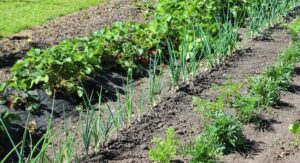
Garlic is one of the most underrated tomato companion plants available to home gardeners — its allicin-rich root secretions actively suppress a broad spectrum of soil-dwelling fungi and bacteria that cause serious disease problems in tomato crops across all growing regions and climates.
1. Antifungal Root Secretions:
Allicin and related sulfur compounds released by garlic roots create an inhospitable soil environment for pathogenic fungi including Fusarium oxysporum f. sp. lycopersici, the primary cause of Fusarium wilt — a devastating vascular disease that causes one-sided yellowing, wilting, and brown streaking in the stem tissue of affected tomatoes. Planting garlic cloves between tomato rows as dedicated tomato companion plants introduces this natural fungicide directly into the root zone where it is needed most urgently.
2. Bacterial Wilt Deterrence:
Bacterial wilt caused by Ralstonia solanacearum is a soil-borne pathogen that enters through root wounds, colonizes the xylem, and causes rapid, irreversible whole-plant collapse. Garlic’s sulfur compounds have demonstrated inhibitory effects on this bacterium in laboratory and field studies, making garlic one of the few tomato garden companions that addresses bacterial threats specifically rather than focusing exclusively on fungal or pest-related concerns that most other companions target.
3. Pest Deterrence Properties:
The same volatile sulfur compounds that protect against microbial threats also repel aphids, spider mites, and Japanese beetles that feed on tomato foliage and inadvertently transmit viruses between plants. Garlic’s strong olfactory signature masks the chemical signals tomatoes emit that attract these pests in the first place. As a dual-purpose entry in your tomato garden companions lineup, garlic delivers both above-ground pest management and below-ground disease suppression simultaneously with very little space requirement.
Tomato Companion Plants That Attract Beneficial Insects Effectively:
Certain flowering tomato companion plants serve primarily as insectary plants — their purpose is to attract, feed, and retain populations of beneficial predatory and parasitic insects that naturally control the pests most damaging to tomatoes. Follow these five principles when selecting insectary companions:
- Choose plants with open, accessible flowers that predatory wasps and hoverflies can easily feed from.
- Plant insectary companions in continuous succession so blooms are always available throughout summer.
- Allow some companion plants to bolt and flower fully rather than cutting them back prematurely.
- Include both short and tall insectary plants to create vertical habitat diversity for different species.
- Avoid using pesticides near insectary tomato companion plants, as this eliminates the beneficial insects you need.
Tomato Companion Plants to Avoid That Harm Your Crop Severely:
Knowing which plants to keep away from your tomatoes is just as important as knowing which tomato companion plants to encourage. These five combinations create serious, sometimes irreversible problems you must actively prevent:
- Fennel releases allelopathic compounds that stunt tomato roots and significantly reduce fruit production yields.
- Brassicas compete aggressively for calcium, triggering blossom end rot and severe micronutrient deficiencies throughout the season.
- Corn shares common pests — particularly corn earworm — that migrate freely and devastate nearby tomato plants.
- Potatoes share late blight pathogens with tomatoes, creating a devastating disease reservoir right in your garden bed.
- Dill in its mature stage suppresses tomato growth through allelopathy, though young dill is a perfectly safe neighbor.
Tomato Companion Plants and Soil Health Are Deeply Interconnected:
The relationship between tomato companion plants and soil microbial health is a rapidly evolving area of horticultural research that reveals just how profoundly plant communities shape underground ecosystems. Tomatoes are heavy feeders with large, sprawling root systems that exhaust localized nutrient reserves quickly — especially in raised beds or containers with limited soil volume. Strategic companions replenish what tomatoes deplete and introduce microbial diversity that makes existing nutrients more bioavailable throughout the growing season.
Leguminous tomato garden companions like bush beans and climbing peas fix atmospheric nitrogen directly into the soil through symbiotic relationships with Rhizobium bacteria housed in root nodules — effectively fertilizing the tomato’s root zone for free. Deep-rooted companions like comfrey mine subsoil minerals and bring them to the surface through leaf litter decomposition. This dynamic nutrient cycling, orchestrated entirely by well-chosen tomato garden companions reduces the need for synthetic fertilizers while simultaneously building long-term soil fertility and biological activity that benefits every subsequent crop rotation in that bed.
Tomato Companion Plants Placement Strategies for Maximum Garden Impact:
Even the best-chosen tomato companion plants will underperform if positioned incorrectly relative to your tomatoes. Placement determines whether a companion’s chemical, physical, or biological benefits actually reach the tomato plants they are meant to protect.
1. Close Proximity Planting:
Plants whose primary mechanism is root exudate chemistry — garlic, marigolds, and chives — must be planted within twelve to eighteen inches of tomato stems to ensure their beneficial compounds actually permeate the rhizosphere zone where tomato roots are actively feeding. Placing these tomato garden companions at the far edge of a bed reduces their biological effectiveness substantially, as soil diffusion of chemical compounds is highly localized and concentration-dependent within the root zone.
2. Perimeter Border Design:
Trap crops like nasturtiums and companions that function primarily as pest confusants work best when placed as a perimeter ring around the entire tomato planting. This intercept strategy catches aphids, whiteflies, and caterpillars at the garden boundary before they penetrate to the tomatoes at the center. When using nasturtiums as border tomato companion plants, monitor them weekly and remove heavily infested stems before pest populations build to the level where they overflow onto the protected crop.
3. Vertical Layer Integration:
Tall tomato garden companions like sunflowers and corn provide structural support for beneficial insects and offer thermal mass that moderates temperature fluctuations around sensitive tomato foliage. Low-growing companions like thyme and creeping oregano act as living mulch under the tomato canopy, suppressing weeds, retaining soil moisture, and hosting ground-dwelling predatory beetles that hunt soil-dwelling larvae and pupating pest insects that would otherwise emerge to damage plant roots and stems during critical growth phases.
Tomato Companion Plants Seasonal Care Keeps the System Working:
A well-designed tomato companion plants system requires ongoing management throughout the growing season to maintain its effectiveness. Plants shift their roles as they mature, and understanding these seasonal dynamics allows you to adjust your garden accordingly for peak protection and productivity.
1. Spring Establishment Phase:
Establish cold-tolerant tomato companion plants like chives, parsley, and garlic several weeks before tomatoes go in the ground. By transplant time, these companions are already established, actively releasing root chemicals and beginning to shape the local soil microbiome. Early-established companions also intercept the first wave of aphids and thrips that arrive in spring before tomatoes are large enough to handle pest pressure without significant damage to their early-season growth momentum.
2. Midsummer Management Tips:
During the heat of summer, monitor all tomato garden companions for signs of stress, disease, or pest buildup that could reverse their beneficial role and make them sources of infection rather than protection. Remove any companion showing symptoms of bacterial leaf spot, fungal blight, or viral mosaic patterns immediately — diseased companion plants in close proximity to tomatoes can accelerate disease spread through splash dispersal, mechanical contact, and shared insect vectors that move freely between closely planted species.
3. Late Season Transitions:
As summer ends, allow some flowering tomato garden companions to set seed for natural self-sowing the following year, reducing replanting effort. Chop and drop fast-decomposing companions like borage and nasturtiums directly onto the bed surface as green mulch, returning their captured nutrients to the soil where tomato root zones will benefit through the decomposition cycle. This closing ritual of the companion planting season builds the organic matter and microbial inoculum that will make your next season’s tomato garden companions even more effective than the year before.
Conclusion
Mastering tomato companion plants transforms every garden into a productive, self-protecting ecosystem. By selecting plants that suppress fungal disease, deter bacteria-spreading pests, address viral threats through insect management, prevent yellow leaves, combat root rot, and support beneficial microorganisms, you build lasting garden health that improves every single season you practice this proven, time-honored horticultural strategy.
FAQ’s
Q1. What are the best tomato companion plants for repelling aphids?
The best tomato companion plants for aphid control are basil, nasturtiums, and garlic planted in close proximity.
Q2. Can tomato companion plants prevent fungal diseases like blight?
Yes, certain tomato companion plants like garlic and marigolds suppress soil-borne fungal pathogens that cause blight effectively.
Q3. Do tomato companion plants help with yellow leaves caused by disease?
Strategic tomato companion plants reduce nematode and fungal damage — both common causes of unexplained yellowing leaves.
Q4. How close should tomato companion plants be to tomato stems?
Root-chemistry tomato companion plants like garlic and marigolds should be planted twelve to eighteen inches from stems.
Q5. Which tomato companion plants should I avoid planting nearby?
Avoid fennel, potatoes, and corn as tomato companion plants — they create disease reservoirs, pest bridges, or allelopathic growth suppression.
Q6. Do tomato companion plants improve soil microbial health?
Yes, leguminous and aromatic tomato companion plants actively cultivate beneficial soil microorganism populations that protect root systems.
Q7. Can tomato companion plants reduce root rot risk significantly?
Marigolds and garlic as tomato companion plants suppress the fungal pathogens most responsible for root rot in garden soil.
Q8. Are tomato companion plants effective against viral diseases?
Indirectly, yes — tomato companion plants that deter aphids significantly reduce virus transmission between plants in your garden.
Q9. When should I establish tomato companion plants in the garden?
Establish cool-season tomato companion plants several weeks before transplanting tomatoes to allow effective establishment and early protection.
Summary
A well-planned tomato companion plants strategy does far more than fill empty garden space — it creates a living, breathing defense system against the full range of threats that tomatoes face each season. From fungal infections and bacterial wilt to viral diseases vectored by insects and microorganism-driven root rot, the right tomato garden companions address every vulnerability simultaneously. Basil, marigolds, garlic, borage, and nasturtiums each contribute unique, measurable benefits that stack together into a garden ecosystem where tomatoes consistently outperform isolated plantings.