My aunt handed me a good luck plant in a little glass vase the week I moved into my first apartment. I didn’t know a thing about plants back then, and I definitely killed a few before this one stuck around. Three years later, it’s still sitting on my kitchen windowsill, taller than when I got it, and honestly a little bit of a comfort object at this point.
A lucky plant is one of those gifts everyone seems to have gotten at least once—a housewarming present, a graduation gift, maybe something from a coworker’s desk. But once you actually own one, the instructions that come with it are usually pretty thin. This guide covers everything I’ve learned about keeping a good luck plant alive and actually thriving, not just surviving in a corner somewhere.
Growing a good luck plant? Here are 7 real care secrets, common mistakes, and simple fixes to keep yours healthy and thriving for years.
A good luck plant, most commonly known as lucky bamboo (Dracaena sanderiana), grows well in indirect light with either clean water or loose, well-draining soil. It’s not actual bamboo at all, despite the name and the look. Change the water every one to two weeks if you’re growing it in water; keep it out of direct sun, and it’ll reward you with steady, easy growth for years.
Table of Contents
- What Is a Good Luck Plant, Exactly?
- Types and Varieties Worth Knowing
- Benefits of Growing One
- Step-by-Step Care Guide
- Common Problems, Diseases, and Pests
- Common Mistakes to Avoid
- Expert Tips for Long-Term Success
- Best Tools and Products
- Water vs. Soil: A Comparison
- Frequently Asked Questions
- Summary
- Conclusion
What Is a Good Luck Plant, Exactly?
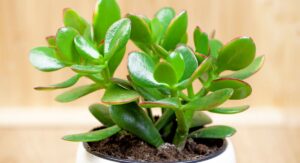
Here’s the thing that trips people up right away. A good luck plant isn’t bamboo, even though it’s usually sold as “lucky bamboo” and looks exactly like a little bamboo stalk. It’s actually a type of dracaena, a totally different plant family.
The confusion makes sense, though. The stalks have those same segmented rings, and growers often braid or curl the stems to make them look even more bamboo-like. It’s a clever trick, and it’s part of why the good luck plant became so popular as a gift in the first place.
In feng shui traditions, the number of stalks matters. Three stalks are said to bring happiness, five bring wealth, and so on. I won’t pretend to know the full symbolism, but I do know people take it seriously enough to ask for specific stalk counts at plant shops.
What I can tell you from experience is that a lucky bamboo plant is forgiving. It tolerates low light, inconsistent watering, and a decent amount of neglect. That’s probably the real reason it’s such a common gift—it survives beginners.
It also has a long history behind it that most people never hear about. The plant originally comes from Central Africa, though it became closely associated with Chinese feng shui practices and eventually spread through Asian markets before showing up in grocery stores and gift shops across the U.S. That backstory surprises a lot of people, since the “bamboo” branding makes it feel purely East Asian in origin.
One more thing worth knowing: a good luck plant is technically toxic to cats and dogs if chewed on. It won’t usually cause anything serious, but it can lead to vomiting or drooling in pets. Worth keeping in mind if you’ve got a curious cat wandering around your windowsill.
Types and Varieties Worth Knowing
Not every good luck plant looks the same on the shelf. Here’s what you’ll typically run into.
- Straight stalk—the simplest form, just a plain, upright stem. Easiest to care for and the most affordable option.
- Spiral or curled stalk — grown by rotating the plant toward a light source repeatedly during early growth. Purely decorative, no difference in care needs.
- Braided stalk—multiple stems woven together while young and flexible. These need slightly more attention since the braided stems can rot if water sits between them too long.
- Tiered or “pagoda” style — layered sections that look almost like a small tree. Usually more expensive and a bit slower growing.
None of these varieties are actually different species. They’re all the same good luck plant, just shaped differently while young.
Price tends to track with how much manual shaping went into the stalk. A plain straight stalk might cost you five or six dollars at a grocery store, while an elaborate braided or tiered arrangement can run well over thirty dollars at a specialty nursery. If you’re just starting out, I’d honestly recommend the straight stalk version. It’s cheaper, easier to care for, and just as capable of thriving as the fancier versions.
Benefits of Growing One
Beyond the symbolism, there are real, practical reasons people keep coming back to this plant.
- Low maintenance. It genuinely tolerates missed waterings and low light better than most houseplants.
- Compact size. Works well on a desk, windowsill, or small apartment shelf without taking over the space.
- Air quality. Like most dracaenas, it can help filter some common indoor air toxins.
- Easy to propagate. You can cut a healthy stalk and start an entirely new plant from it.
- Long lifespan. With decent care, a lucky plant can live for years, even a decade or more.
I’ll add one more benefit that doesn’t show up on most lists: it’s genuinely satisfying to watch something grow with so little effort. For a lot of first-time plant owners, that early success matters more than people give it credit for.
There’s also a practical gifting angle worth mentioning. Because a lucky plant travels well, doesn’t need soil, and looks tidy in almost any container, it makes an easy gift for coworkers, new homeowners, or anyone starting a new chapter. I’ve sent cuttings in the mail wrapped in a wet paper towel before, and they arrived just fine after two days in transit.
Step-by-Step Care Guide
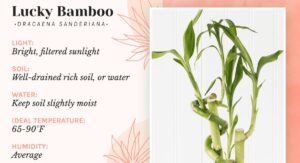
This is where most of the actual questions come in, so let’s go through it properly. None of these steps are complicated, but getting them right consistently is really the whole game.
Step 1: Choose Water or Soil
You can grow a good luck plant in either plain water or well-draining potting mix. Water is more common and honestly easier to monitor, since you can actually see the roots. I started mine in water and never bothered switching, mostly because it’s been working fine for three years running.
Step 2: Pick the Right Container
Use a container with enough room for the roots to spread, but not so deep that the stalk feels unstable. Clear glass containers are popular because they let you check root health and water clarity at a glance.
Step 3: Get the Light Right
Bright, indirect light is ideal. Direct sun will scorch the leaves, and too little light will make growth slow and leggy. An east-facing windowsill is usually close to perfect.
Step 4: Water Correctly
If growing in water, cover the roots completely and change the water every one to two weeks. If growing in soil, water when the top inch feels dry, and never let the pot sit in standing water.
I learned this one the hard way. Early on I let the water sit for almost a month without changing it, and the roots started turning a dull brown color instead of their normal healthy white. Swapping to fresh water right away and trimming off the damaged roots saved the plant, but it was a close call.
Step 5: Watch the Temperature
Good luck, plants like it warm, somewhere between 65 and 90 degrees Fahrenheit. Keep it away from cold drafts, air conditioning vents, and heaters.
Step 6: Feed It Occasionally
A diluted liquid fertilizer once a month during spring and summer is plenty. Overfeeding causes more problems than underfeeding does with this particular plant.
Step 7: Trim and Shape as Needed
Yellowing leaves or overly long stalks can be trimmed back. New growth will typically appear from the cut point within a few weeks.
Common Problems, Diseases, and Pests
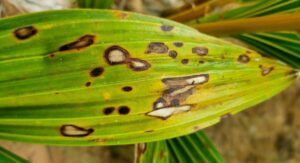
Even a forgiving plant runs into trouble sometimes. Here’s what to watch for.
Yellow leaves. Usually caused by too much direct sunlight or a buildup of chemicals in tap water. Switch to filtered or distilled water and move it out of direct light.
Root rot. The most common killer of a good luck plant is overwatering. It happens when water sits stagnant too long or the container has no way to release excess moisture. Roots will look brown and mushy instead of firm and white.
Brown leaf tips. Often linked to fluoride or chlorine in tap water. Letting water sit out for 24 hours before using it can help, or switch to filtered water entirely.
Mealybugs and spider mites. Small pests that show up as white cottony spots or fine webbing. Wipe leaves down with a damp cloth or diluted neem oil solution to clear them out.
Stalk rot. A soft, discolored section of stalk, usually from water sitting too high on the stem. Cut above the rot and re-root the healthy portion.
Slow or stalled growth. If your good luck plant hasn’t grown noticeably in months, check the light first. Low light is the most common cause of stalled growth, followed closely by a container that’s become root-bound and needs more space.
Common Mistakes to Avoid
- Using tap water straight from the faucet. Chlorine and fluoride build up over time and cause leaf tip burn.
- Placing it in direct sunlight. People assume more light is always better. With a good luck plant, it isn’t.
- Letting water go stagnant. Forgetting to change the water is the fastest route to root rot.
- Overfeeding. More fertilizer doesn’t mean more growth — it usually means burned roots.
- Ignoring yellow leaves. They’re an early warning sign, not something to wait out.
- Using a container with no drainage in soil. Standing water around the roots leads to rot within weeks.
- Repotting too often. A good luck plant doesn’t need to be disturbed constantly. Repotting more than once a year can actually stress the roots more than it helps.
- Keeping it too close to a heater or AC vent. Sudden temperature swings stress the plant and can cause leaves to yellow or drop.
Expert Tips for Long-Term Success
- Rotate the container every week or two so the plant grows evenly toward the light instead of leaning to one side.
- Use filtered, distilled, or rainwater whenever possible instead of straight tap water.
- Keep decorative stones or pebbles clean, since algae and mineral buildup can affect water quality.
- If a stalk turns yellow all the way through, remove it entirely rather than hoping it recovers.
- Repot into fresh soil or a clean container roughly once a year, even if everything looks fine.
- Give it a light wipe-down of the leaves occasionally to keep dust from blocking light absorption.
Small, consistent habits like these matter more than any single big fix. A good luck plant rewards steady attention far more than occasional intense effort.
Every Sunday morning, I spend a few moments checking on my plant, and it has become one of my favorite weekly routines. It doesn’t take much time, usually less than a minute. I look to see if the water is still clear, inspect the leaves for any signs of yellowing or damage, and gently rotate the vase so every side gets equal light. That’s really all it needs. Over time, I’ve realized that this simple habit has made a bigger difference than any expensive product or complicated care routine. Consistent attention, even for a few seconds, keeps the plant healthy and growing strong.
Best Tools and Products
- Distilled or filtered water—the single biggest upgrade you can make for leaf and root health.
- Clear glass vase or container — makes it easy to monitor root health and water clarity.
- Diluted liquid houseplant fertilizer—look for one formulated for foliage plants, used at quarter-strength.
- Neem oil spray — a gentle, effective option for handling mealybugs or spider mites.
- Sharp, clean pruning shears—for trimming yellow leaves or reshaping overly long stalks.
You don’t need much beyond these basics. Part of the appeal of a good luck plant is how little equipment it actually requires.
Over the years, I’ve experimented with all kinds of plant setups, hoping expensive tools would make care easier. I even bought a self-watering planter that promised perfect results, but it didn’t perform any better than a basic setup. In the end, I found that a simple glass vase filled with filtered water worked surprisingly well. The plant stayed healthy, produced fresh growth, and required very little effort. That experience reminded me that successful plant care isn’t always about buying the latest gadgets. Sometimes the simplest methods are the most reliable, saving both money and time while keeping your plant happy and thriving.
Water vs. Soil: A Comparison
| Factor | Water-Grown | Soil-Grown |
| Maintenance | Change water every 1-2 weeks | Water when top inch is dry |
| Root visibility | Easy to monitor | Hidden, harder to check |
| Growth speed | Slightly slower | Slightly faster |
| Risk of root rot | Lower if the water is changed regularly | Higher if drainage is poor |
| Best for | Beginners, desk or office spaces | Those wanting faster, fuller growth |
Summary
A good luck plant is one of the easiest houseplants to keep alive, even for total beginners. It’s not real bamboo, despite the name, but a type of dracaena that tolerates low light and inconsistent care. The biggest factors for success are clean water, indirect light, and avoiding overfeeding. Watch for yellow leaves and root rot, since those are the most common warning signs something’s off. With just a little consistency, a lucky plant can thrive for years on a windowsill, desk, or shelf.
FAQ’s
1. What exactly is a good luck plant?
A good luck plant, commonly called “lucky bamboo,” is actually a type of dracaena grown in water or soil, known for being low-maintenance and symbolically tied to good fortune.
2. How much light does a good luck plant need?
Bright, indirect light works best. Direct sunlight can scorch the leaves, while very low light slows growth and makes stalks weak.
3. Why are the leaves on my good luck plant turning yellow?
It’s usually from too much direct sun or chemical buildup in tap water. Switching to filtered water and adjusting light exposure typically fixes it.
4. How often should I change the water?
Every one to two weeks is a solid rule, sooner if the water looks cloudy or you notice any odor.
5. Can a good luck plant grow in soil instead of water?
Yes, it grows well in loose, well-draining potting soil as long as you avoid overwatering.
Conclusion
At the end of the day, a good luck plant earns its reputation honestly. It’s forgiving, low-maintenance, and genuinely satisfying to watch grow, even if you’ve never kept a houseplant alive before. Mine has survived three apartment moves and more than a few forgotten water changes, and it’s still going strong. Give yours clean water, indirect light, and a little patience, and there’s a good chance it’ll be around for years to come.