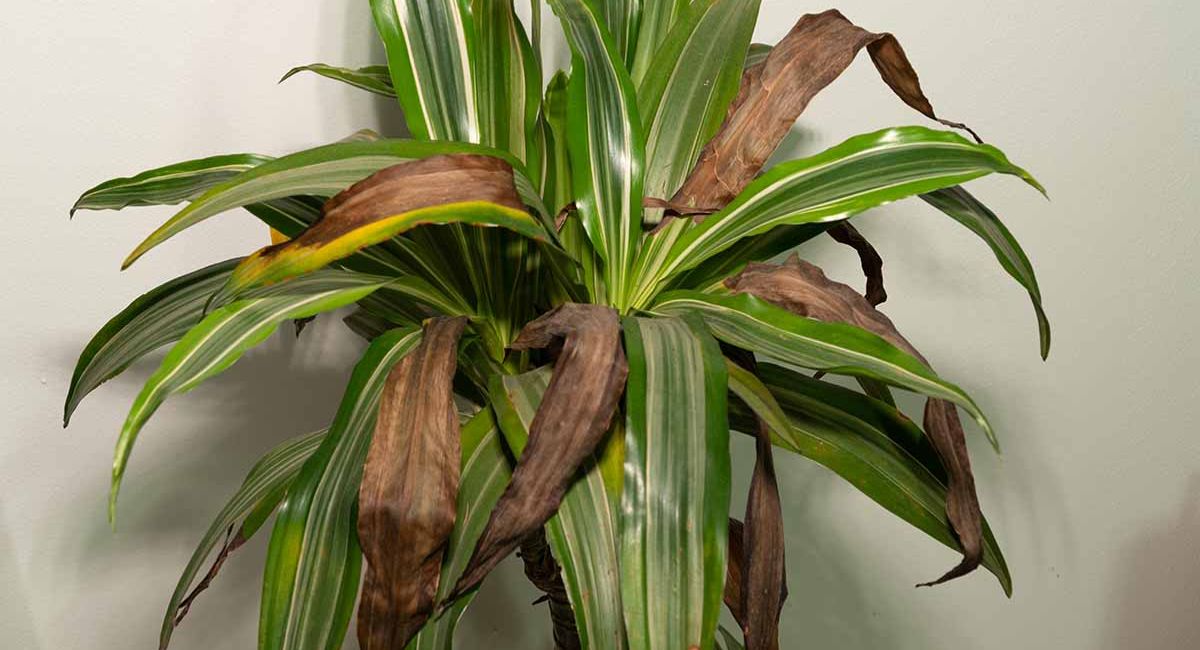
The first dracaena plant I ever owned sat on my desk for about four months before the tips started going brown and crispy. I panicked, figured it was dying, and watered it more. The browning got worse. I watered it again. By month six, half the leaves were brown and the whole thing looked miserable. My coworker glanced over one afternoon and said, without looking up from her lunch, “You’re overwatering it. Dracaenas hate wet feet.” She had grown the same variety for eleven years without a single problem.
That embarrassing little story is why I spent the next year actually learning how this plant works rather than guessing. I talked to plant nursery staff, read proper horticultural guides, and made deliberate mistakes on purpose to see what happened. The dracaena plant is genuinely one of the most forgiving houseplants on earth — but only once you stop making the handful of avoidable errors that trip up almost every new owner. This guide covers all of them plainly.
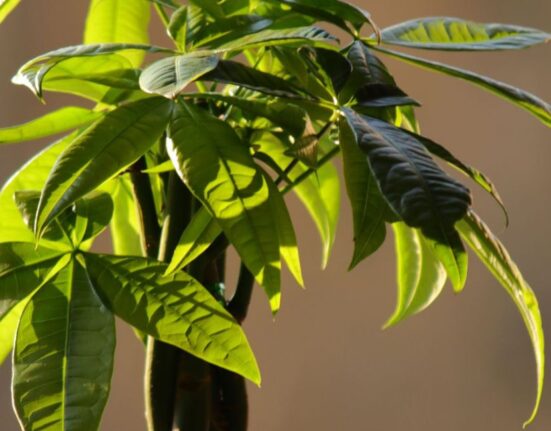
This gorgeous dracaena plant adds stunning tropical beauty to any indoor space and is incredibly easy to grow and maintain.
Dracaena Plant Watering Mistakes That Kill Most New Owners:
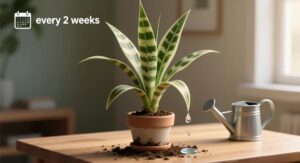
Overwatering is the single most common reason a dracaena plant declines, and it is almost always caused by a schedule rather than observation. Most people pick a watering day and stick to it regardless of what the soil is actually doing. The result is consistently wet roots sitting in soggy potting mix, which leads to root rot that works silently underground long before the leaves show any visible sign of trouble above the surface.
The correct approach with a dracaena plant is to always check the soil before watering, never the calendar. Push your finger about two inches into the potting mix. If it still feels damp at that depth, put the watering can down and walk away. Only water when the top two inches are genuinely dry. In winter especially, the plant’s metabolism slows significantly and it may only need watering once every two or even three weeks depending on your home’s temperature and humidity.
Dracaena Plant Varieties a Complete Popular Types Comparison:
Not all dracaena varieties behave identically indoors. Some tolerate lower light, others grow dramatically taller, and a few are significantly more sensitive to fluoride in tap water. Before you buy, the table below gives you a clear comparison of the ten most widely available dracaena plant types and what distinguishes each one.
| Variety | Max Indoor Height | Light Preference | Best Placement |
| Dracaena marginata | 6–8 ft | Bright indirect | Living room corner |
| Dracaena fragrans | 4–6 ft | Low to medium | Office, hallway |
| Dracaena sanderiana | 2–3 ft | Low light | Desk, bathroom shelf |
| Dracaena reflexa | 3–5 ft | Bright indirect | Bright living spaces |
| Dracaena deremensis | 4–6 ft | Medium indirect | Bedroom, study |
| Dracaena compacta | 2–4 ft | Low to medium | Tabletop, shelf |
| Dracaena lemon lime | 4–5 ft | Medium bright | Bright window area |
| Dracaena warneckii | 4–6 ft | Low to medium | Office, dim corners |
| Dracaena surculosa | 2–3 ft | Medium indirect | Side table, shelving |
| Dracaena arborea | 8–10 ft | Bright indirect | Large floor spaces |
Dracaena Plant Light Requirements Every Indoor Gardener Needs:
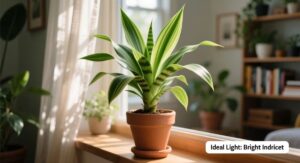
Most folks get the lighting wrong when caring for a dracaena. Some tuck it into shadowy spots, believing the low-light myth too well. Others bathe it in harsh sunlight, then puzzle over pale, burned foliage. Balance turns out to be the quiet hero here. What truly helps lies somewhere calm between those extremes.
1. Indirect Light Best:
Most dracaenas thrive where sunlight lands gently, not head-on. Several steps away from a sunny southern or eastern window often does just right. Sunbeams magnified by glass can scorch leaf edges during warm months, fading patterns on streaked types. When light dips too low, the plant shows signs – growth crawls, then fresh foliage pushes out tinier, washed-out compared to older blades.
2. Low Light Tolerance:
Dracaena plants, especially the fragrans and warneckii types, handle dim rooms far better than many indoor greens. Yet surviving in shadows does not mean doing well there. In near-dark corners, their growth nearly stops. Color fades from the leaves. They also struggle more when faced with problems – say, too much water or tiny bugs. Barely lit spots keep them alive. Brightness that doesn’t shine directly – that’s what makes them strong.
3. Seasonal Light Adjustments:
When days get short in winter, shift your dracaena nearer the window compared to where it sits during summer. Facing north in December feels nothing like catching morning sun on an eastern sill. Should the plant stop growing entirely, try a modest grow light set for six hours daily, placed about twelve inches overhead – it helps carry the plant through the gloomiest stretch.
Dracaena Plant Soil and Repotting Guide Done Right Always:
Soil choice and repotting timing are things most dracaena plant owners barely think about until something goes wrong. By the time the plant looks root-bound and stressed, it has often been struggling quietly for a full season or more. Getting ahead of this with the right mix and the right repotting schedule makes a noticeable difference to long-term plant health.
1. Well-Draining Mix:
An indoor tropical greenery needs a potting mix that drains freely rather than holding moisture around the roots for extended periods. A standard indoor potting compost mixed with around twenty percent perlite hits the right balance. Heavy, water-retentive mixes sold as generic all-purpose composts are the wrong choice — they stay damp far too long between waterings and create exactly the root rot conditions these plants are vulnerable to over time.
2. Repotting Timing Matters:
Report your indoor tropical greenery t when roots start emerging from the drainage holes or when the plant dries out noticeably faster than it used to — both are signs it has outgrown its current pot. Spring is the best time to report, just as the growing season begins. Move up only one pot size at a time. A pot dramatically larger than the root ball holds excess moisture around the roots and increases rot risk considerably.
3. Pot Material Choice:
indoor tropical greenery tend to thrive when housed in terracotta rather than plastic or glossy ceramics. Because the clay breathes, dampness escapes steadily, helping roots avoid prolonged sogginess. Moisture lingers far longer inside plastic containers – not disastrous by itself, yet asking closer attention so excess water does not quietly build up unseen.
Dracaena Plant Fertilizing Schedule for Healthier Faster Growth:

Feeding a dracaena plant is simpler than most care guides make it sound. These are not heavy feeders and they do not need complicated fertilizer regimes. What they do need is the right product at the right time of year. Get those two things right and you will see noticeably stronger, faster growth through the warmer months.
1. Spring Feeding Start:
When days start getting longer, that is when you might think about waking up your dracaena with some nutrients. Half-strength liquid feed, evenly mixed, works well if offered once every four weeks. Not much more than that suits its quiet nature. Come March, maybe even April, marks a smarter moment to begin. Before then, while roots sit idle through cold spells, extra minerals stay trapped in the dirt. Left sitting too long, those unused salts may creep into leaf edges and leave brown traces behind.
2. Avoid Overfeeding Always:
Brown leaf tips on indoor tropical greenery are sometimes blamed on watering but are actually caused by fertilizer salt buildup just as often. Monthly feeding at half strength through the growing season is genuinely plenty. More frequent feeding does not accelerate growth in proportion to the extra fertilizer applied. It mostly just increases the salt load in the soil, which the plant expresses as those familiar crispy brown edges on otherwise healthy-looking leaves.
3. Stop in Winter Always:
Stop fertilizing your indoor tropical greenery entirely from October through February. The plant’s growth slows significantly in low winter light and it simply cannot use the nutrients effectively during this period. Fertilizing a dormant plant does nothing useful and gradually builds up mineral salts in the potting mix. Resume feeding in spring only once you see new leaves beginning to emerge — that is the plant’s own signal that it is ready to grow again.
Dracaena Plant Brown Tips Real Causes and Actual Fixes:
Brown tips are the most Googled problem associated with the indoor tropical greenery and most of the answers people find online are vague or incomplete. “Low humidity” gets blamed constantly, but in my experience it is usually one of three other things first. Here is how to actually diagnose and fix the problem rather than just chasing symptoms.
1. Fluoride Causes Burning:
Water straight from the faucet often holds fluoride, something dracaenas react to badly. Leftover tips turning brown? That might be why. Try using filtered liquid instead. Or pour regular water into a jug, leave it open for hours till morning – fluoride fades that way. Notice how leaves respond once changes happen. Browning edges persist even when care feels right? Blame likely sits with what flows through the hose. Most times, nothing else fits the pattern.
2. Salt Buildup Effects:
White crusty deposits on the soil surface of your indoor tropical greenery pot are fertilizer salts building up over time. Those salts draw moisture away from roots osmotically and directly cause the brown crispy tips most people assume are caused by underwatering. Flush the soil thoroughly with plain water every three months — pour water through the pot generously until it runs freely from the drainage holes, then let it drain completely before returning the plant to its spot.
3. Humidity Below Needed:
Winter heat pulls moisture from indoor air, making it tough on dracaenas. Nearby, a little machine that puts out steam can make things easier for the plant. Water pooled under the pot on stones works too. So does placing it close to other greenery. Droplets sprayed into the air vanish fast – hardly any lasting change follows. That wet fog fades before it helps.
Dracaena Plant Common Pests and How to Beat Them:
A healthy, well-cared-for dracaena plant resists pests reasonably well, but a few persistent insects treat these plants as a reliable food source regardless. Catching infestations early is what separates a ten-minute fix from a month-long battle. Here are the five pest problems worth knowing about before they find your plant first.
- Fine webs tucked where leaves meet stems? That’s spider mites loving low moisture. A sudden blast of water washes them away clean. Damp air around the pot makes it less inviting next time.
- Bumps that seem lifeless on plant stems? Those could be scale insects. Try wiping each one gently using a cotton bud soaked in alcohol. Afterward, bring out the neem oil – apply it every seven days without skipping. Three rounds usually do the trick. Watch how they stop spreading after consistent effort.
- White, cottony spots tucked where leaves meet stems? That is mealybugs. These pests jump from one green to another without delay. Get the sick dracaena away from others right then. Douse it with a mix of neem oil, watered down, or a spray made for bugs. Repeat each week, maybe a day sooner or later.
- Moisture-loving fungus gnats thrive where dampness lingers; let the upper layer of earth turn dry to the touch before watering again. This small shift stops young ones from surviving, cutting their development short through timing alone. No chemicals needed when routine does the work.
- Out in the open, leaves show silvery trails where thrips have fed, moving fast when it warms up. Yellow sticky cards pull in flying adults, stopping some of the spread. Beneath, in the dirt near roots, tiny forms hide until a soak with neem oil reaches down and knocks them out.
Dracaena Plant Propagation Easiest Methods That Actually Work:
Propagating a dracaena plant is one of those tasks that looks complicated in diagrams but is genuinely straightforward once you try it. One healthy mature plant can produce several new ones with nothing more than a clean pair of scissors and a glass of water. Here is what actually works reliably.
- Start with a sturdy stem piece, around four to six inches long, snipped beneath a leaf joint. Bright light helps, so find a sunny window where warmth stays steady. Take off the bottom leaves carefully, leaving a bare stem below. A glass of fresh water holds it in place while roots begin to form. This way usually works best when done right after morning watering.
- Most times, little roots show up on stem pieces after around a month. Swap out the water regularly so gunk does not form. Once those white threads stretch one full inch, move them to dirt. A fresh start happens when they settle into their new home.
- Start high up on a lanky dracaena bare at the base. Take off the green crown right where it meets the stem. That tip can grow roots once set aside in soil. Meanwhile, the old stalk stays behind, waiting to sprout fresh shoots from its stubby frame. One move gives two plants instead of just saving one.
- From what’s left of the cane once the top part is removed, nothing needs discarding. Break it into pieces about four inches long. Place them flat across damp earth. Given time – four to six weeks – tiny green tips rise where the joints touch ground.
- Spring or early summer works best when starting new plants – those snipped later tend to develop roots at a crawl. Come fall, cuttings face tougher odds, often rotting before any roots show up. Timing isn’t just helpful here – it shapes whether the attempt lives or fails.
Conclusion
The dracaena plant is one of those genuinely rewarding houseplants that pays back every bit of attention you give it, sometimes tenfold. Stop watering on a schedule and start watering by feel. Give it bright indirect light rather than a dark corner. Feed it lightly through summer and leave it alone all winter. Fix the water quality if tips keep browning. Do those four things consistently and the plant will grow confidently for years — likely outlasting every other houseplant you own alongside it.
FAQ’s
Q1: How often should I water my dracaena plant at home?
Water your dracaena plant only when the top two inches of soil feel completely dry. In summer that is typically every seven to ten days. In winter it may stretch to every two to three weeks. Always check the soil rather than following a fixed watering calendar.
Q2: Why are the tips on my dracaena plant turning brown?
The most common causes are fluoride in tap water, fertilizer salt buildup in the soil, or very low humidity. A dracaena plant is particularly fluoride-sensitive, so switching to filtered or overnight-rested tap water often resolves persistent tip browning faster than any other single change.
Q3: Is the dracaena plant safe to keep around pets?
No — the dracaena plant is toxic to dogs and cats if ingested. It contains saponins that cause vomiting, drooling, and loss of appetite. Keep it out of reach of pets or choose a pet-safe alternative if you have animals that regularly chew on houseplant foliage.
Q4: How much light does a dracaena plant actually need indoors?
A dracaena plant does best in bright, indirect light — a few feet back from a window rather than directly in it. Some varieties tolerate low light reasonably well, but growth slows noticeably and leaves lose color vibrancy. Direct sun through glass will scorch and bleach the foliage.
Q5: When should I repot my dracaena plant into a bigger pot?
Repot your dracaena plant when roots emerge from drainage holes or when the soil dries out much faster than usual. Spring is the ideal time. Move up only one pot size — a dramatically oversized pot holds too much moisture and increases the risk of root rot developing.
Q6: Can a dracaena plant survive in a room with no windows?
A dracaena plant will survive in low light but it will not grow well long-term without some natural light. In a truly windowless room, a grow light on a six-hour daily timer is genuinely necessary. Without any light source, even the most tolerant variety eventually declines over several months.
Q7: How do I make my dracaena plant grow faster and bushier?
Move your dracaena plant to a brighter position, begin monthly feeding at half strength in spring, and ensure correct watering. Pruning the top stem encourages branching and a fuller shape. Most slow growth comes down to insufficient light rather than any other care factor worth adjusting.
Q8: What is the easiest way to propagate a dracaena plant at home?
The simplest method is a stem cutting placed in a glass of clean water on a warm, bright windowsill. Roots appear within three to five weeks. A dracaena plant propagates this way in spring roots faster and establishes more reliably than cuttings taken during the slower winter months.
Summary
Caring for a dracaena plant successfully comes down to a handful of consistent habits. Water only when the top two inches of soil are dry — never on a fixed schedule. Provide bright indirect light and move closer to windows in winter. Feed monthly at half strength from spring through summer, and stop completely in autumn. Use filtered or rested water to prevent fluoride tip burn. Repot in spring when roots outgrow the pot. Follow these basics reliably and your indoor tropical greenery will reward you with years of effortless, dramatic indoor greenery.