I always enjoyed growing tomatoes and peppers until I noticed itchy skin after pruning them one summer. At first, I ignored it, but the irritation returned every season. That experience made me curious about allergy to nightshade plants and how different people react.
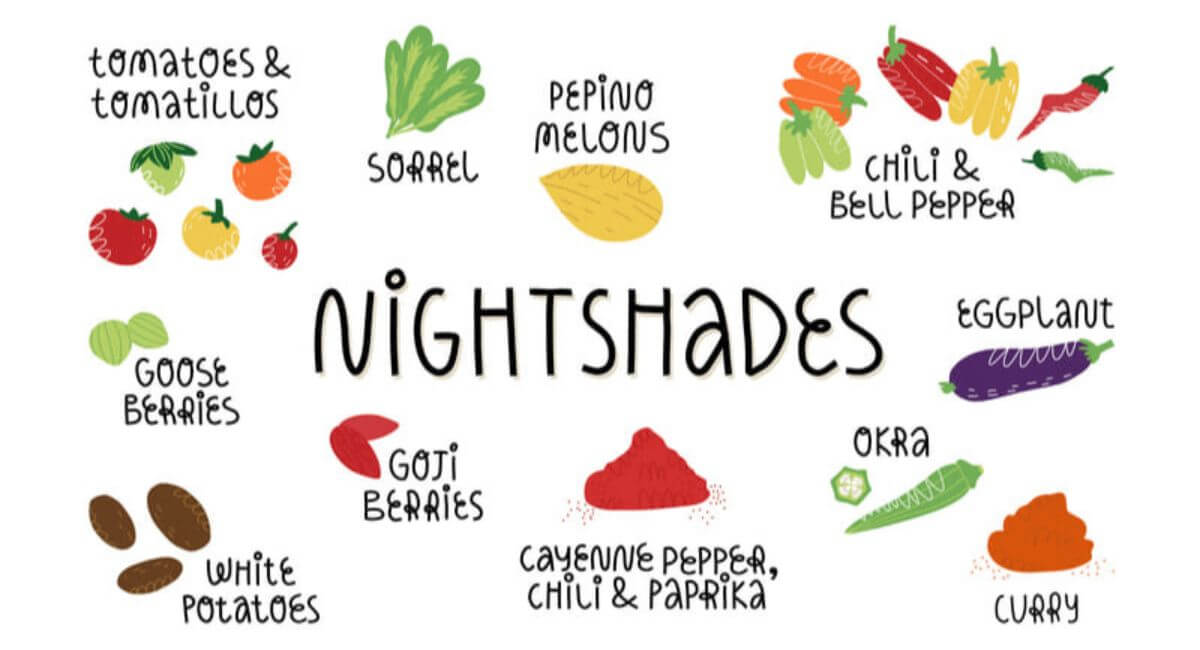
Tomatoes, potatoes, peppers, eggplant — this stuff is in basically every meal, right? Which is exactly why nobody suspects it. You don’t think, “Oh, it must be the potatoes,” because potatoes feel too normal to cause problems. But for some of us, that’s exactly the issue. Allergy to nightshade plants is one of those things that hides in plain sight, meal after meal, until you finally connect the dots.
Learn about allergy to nightshade plants, including symptoms, common triggers, diagnosis, treatment options, and practical tips for avoiding reactions safely.
Why It Even Happens
Nightshades have these compounds in them, alkaloids, and some immune systems just… overreact to them. Treat them like they’re dangerous when they’re not. That’s really the short version of an allergy to nightshade plants—your body getting confused.
The weird part is it’s not consistent. Same food, different day, different reaction. Ripeness matters, cooking matters, and even the specific pepper you grabbed matters, apparently. So don’t be surprised if you’re fine one week and miserable the next.
Symptoms People Usually Miss
Small stuff comes first, usually. Tingly lips. A throat that feels scratchy for no reason. Maybe a hive or two that shows up and disappears before you even think to mention it to anyone.
Then sometimes it’s bigger—cramping, joints that ache more than they should, puffy eyes for no clear reason. If that keeps repeating after similar meals, that’s probably an allergy to nightshade plants doing its thing quietly in the background.
Table of Contents
- Why It Even Happens
- Symptoms People Usually Miss
- Where These Foods Hide
- Living With It Day to Day
- Signs Worth Paying Attention To
- FAQs
- summary
Where These Foods Hide
This part surprised me honestly. Once you’re watching for allergies to nightshade plants, you realize how often this stuff sneaks into meals you’d never suspect.
Tomatoes Are Everywhere, Basically
Ketchup. Pasta sauce. Salsa. Pizza, obviously. Sauces are the real trap for a nightshade allergy because you don’t think of them as “food,” just almost seasoning.
Potatoes, Including the Sneaky Kind
Regular potatoes, sure, easy to spot. But potato starch turns up in soups and bread too, and nobody’s checking for that on a random Tuesday.
Peppers and All the Spice Stuff
Bell peppers, paprika, chili flakes, cayenne — all nightshades. Spice blends especially, since you’d never guess half the ingredients just from the smell.
Living With It Day to Day
Not gonna lie, managing an allergy to nightshade plants felt overwhelming at first. But it gets easier once you build a rhythm around it, which took me maybe a month honestly.
Labels Get Easier With Practice
You start scanning for words like “paprika,” “tomato powder,” and “potato starch”—after a while it’s automatic; you barely think about it.
Finding Stuff That Actually Works
Sweet potato, cauliflower, squash — solid swaps. Once you find two or three go-to substitutes, allergy to nightshade plants stops feeling like such a big deal.
Just Go See Someone
Testing is better than guessing forever. I put this off for way too long, and self-diagnosing an allergy to nightshade plants nearly made me miss something else going on too.
Signs Worth Paying Attention To
- Lips tingling within minutes of pizza, salsa, or anything pepper-heavy on your plate.
- Random bloating after meals built around potatoes or eggplant; nothing else changed.
- Joints feeling stiffer the morning after a nightshade-heavy dinner, oddly specific but real.
- Skin flaring up, hives, or eczema not long after certain meals repeatedly.
- Brain fog or tiredness that seems to follow the same handful of foods.
Final thought
Allergy to nightshade plants isn’t loud about it. It’s small clues stacking up over months, sometimes years, before anyone connects them. Pay attention to patterns, jot down meals if that helps, and stop assuming it’s “just stress” or “just you.” Once you find safe swaps, food stops feeling like a guessing game — that alone makes the whole thing worth figuring out.
FAQ’s
1. What’s actually going on with allergies to nightshade plants?
Basically, your immune system reacts to alkaloids in tomatoes, potatoes, peppers, and eggplant. It can be mild tingling or full digestive/skin issues; it depends on the person.
2. Can you develop this later, even after years of eating these foods fine?
Yeah, happens more than people think. Nightshade allergies can show up any time—gut health and stress seem to play a role somehow.
3. Is this different from just an intolerance?
Pretty different actually. Allergy to nightshade plants is immune-system stuff, hives and swelling included. Intolerance is more digestive; there’s no immune response really.
4. How do doctors even figure this out?
Usually elimination diets, sometimes skin or blood tests. Getting a nightshade allergy properly diagnosed beats guessing and cutting out food for no reason.
5. Does cooking these foods make them safer somehow?
Kind of, cooking lowers alkaloid levels a little. But if you’ve got a confirmed allergy to nightshade plants, don’t assume heat solves everything—test carefully still.
Summary
An allergy to nightshade plants messes with digestion, skin, and energy, sometimes all three at once. Tomatoes, potatoes, peppers, and eggplant are the usual suspects, hiding in sauces and spice mixes especially. Notice the pattern early, read labels, and keep a couple safe swaps around. Eventually managing nightshade allergy just becomes background noise instead of a daily struggle.