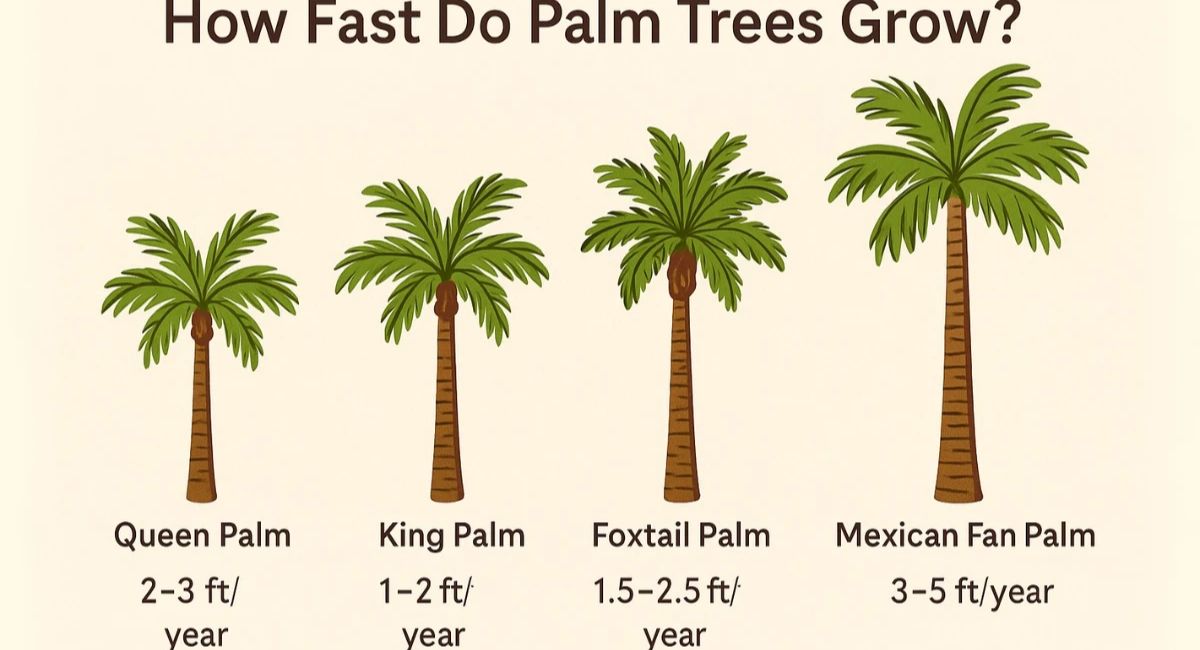
My first attempt at growing king palms plants ended in a very brown, very dead specimen that I’m still a little embarrassed to talk about. I planted it in the wrong spot, watered it on a rigid schedule, and ignored every early warning sign the fronds were throwing at me for weeks.
This guide covers every stage of caring for king palms plants properly — from soil selection and watering habits right through to diagnosing fungal infections, bacterial diseases, yellow frond problems, and root rot before they get out of hand. All of it is grounded in what actually works in real growing conditions.
The complete, no-nonsense guide to growing king palms plants confidently, from healthy roots to stunning fronds lasting decades indoors beautifully.
King Palms Plants Are Redefining Modern Tropical Landscaping:
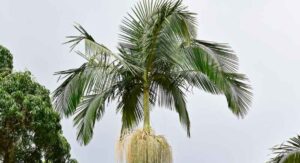
There’s a reason professional landscapers reach for king palms plants when they want instant drama in a garden design. That distinctive green crownshaft and the perfectly symmetrical spread of dark feathery fronds gives any space — from a suburban backyard to a resort poolside — a sense of scale and tropical elegance that genuinely takes years off the typical landscaping timeline. They grow fast, they look impressive almost immediately, and they’re far more resilient than people initially assume.
What catches most new growers off guard with indoor palm plant is how specifically they respond to their environment. Give them the right conditions and they push out new fronds with almost indecent speed. Put them in the wrong soil, the wrong drainage situation, or the wrong exposure, and the decline is equally fast. This plant communicates clearly through its fronds — and learning to read those signals early makes the difference between a stunning specimen and a frustrating one.
King Palms Plants Complete Care Chart at a Glance:
Before digging into the detailed care sections, here’s a full reference table covering the most important aspects of growing healthy king palms plants. It’s designed to give you fast answers when you’re standing in front of your tree trying to figure something out quickly.
| Care Factor | Ideal Condition | Common Mistake | Disease / Problem Risk |
| Watering schedule | Deep, infrequent — every 7–14 days | Shallow frequent watering | Root rot, Phytophthora infection |
| Soil drainage | Sandy loam, well-draining | Heavy clay with poor drainage | Fungal crown rot, anaerobic roots |
| Sunlight exposure | Full sun to part shade | Deep shade when young | Slow growth, yellow fronds |
| Fertilizer type | Slow-release palm formula 8-2-12 | High nitrogen lawn fertilizer | Potassium deficiency, frond tip burn |
| Soil pH | 6.0–7.0 slightly acidic | Highly alkaline soil | Micronutrient deficiency, yellowing |
| Cold tolerance | Above 25°F (-4°C) | Planting in frost-prone spots | Cold damage, bacterial entry points |
| Mulching | 3–4 inch ring, clear of trunk | Mulch piled against the trunk | Fungal infection at crown base |
| Frond symptoms | Dark green, firm, arching evenly | Ignoring early yellowing tips | Ganoderma butt rot, virus mottling |
| Pruning practice | Remove only fully brown fronds | Cutting green or yellowing fronds | Nutrient drain, open wound infection |
| Transplant timing | Late spring, warm soil | Transplanting in cold or drought | Transplant shock, root fungal stress |
King Palms Plants Watering Habits That Prevent Root Failure:
Watering is the area where I see the most avoidable damage done to king palms plants, and the frustrating part is that it usually comes from good intentions. People water too often, too shallowly, and without ever checking whether the soil actually needs it — and the consequences build quietly underground for months before anything shows on the fronds.
1. Deep Watering Basics:
Deep down, king palms can grow strong roots if conditions allow. Water must reach far beneath the soil for this to happen. When irrigation barely soaks in, roots stick near the top. There, heat threatens them. They lose moisture fast. The ground presses too hard on shallow systems over time.
2. Root Rot Warning Signs:
When roots stay too wet, king palms often fall victim to rot, usually because water lingers too long around the base. These harmful organisms – Phytophthora and Pythium – are types of mold that flourish where air can’t reach, feasting on weakened underground parts. Once leaves begin to fade, starting low and creeping higher, it means harm has likely taken hold beneath. Drooping foliage appears even when moisture levels seem fine, signaling trouble rooted deep below. A lifeless look across the topmost growth hints at what’s already unfolding out of sight.
3. Drainage Soil Solutions:
Water that sticks around spells trouble for king palms. When soil stays soggy long after a storm, fixing it first turns out smarter than waiting. Mix in gritty sand along with well-aged compost – about half local dirt, half fixer mix – to let roots breathe faster. A mound helps too, lifting the base of the tree just above flat earth so wet weather doesn’t drown the center. High ground works better when skies open.
King Palms Plants Disease Identification and Treatment Guide:
Diseases in king palms plants follow patterns — specific pathogens tend to present in recognizable ways, and the faster you can match the symptom to the cause, the faster you can respond with something that actually helps rather than guessing and hoping. Here are the main categories every king palm grower should know.
1. Fungal Crown Rot:
Out of nowhere, crown rot strikes king palms hard, sneaking in before you even notice. Wounds invite trouble, especially when mulch hugs the trunk too tight or lawn tools nick the lower stem. Fungi like Ganoderma zonatum or certain Fusarium types slip inside through those openings. Instead of healthy growth, fresh fronds arrive weak – duller in color, sluggish to open, sometimes bent or torn right from the start. When a shelf-shaped mushroom sprouts near ground level on the trunk, hope fades fast. That structure means serious decay hides within; the damage ran deep long before the surface gave any clue.
2. Bacterial Bud Rot:
Bacterial bud rot hits king palms plants fast and hard, and it tends to follow cold damage or physical injury to the crown. The bacteria — Erwinia species most commonly — colonize wounded or cold-damaged crown tissue and spread through the growing bud with alarming speed. The first symptom is the newest spear leaf failing to open properly, followed by a foul-smelling, water-soaked rot spreading through the crown.
3. Virus and Yellowing:
Yellowing fronds on indoor palm plant cause more unnecessary alarm than almost anything else, partly because yellowing can mean so many different things. Potassium deficiency — the single most common nutritional problem in palms — shows as yellow-orange spotting and necrosis on older fronds while newer growth stays relatively normal. Magnesium deficiency creates a distinctive yellow banding pattern, with yellow along frond edges and normal green toward the midrib. Virus infections, delivered by sap-sucking insects, show up as irregular mottling and mosaic patterning that doesn’t follow the clean geometric patterns of nutrient deficiency.
King Palms Plants Nutrient and Fertilizing Program Explained:
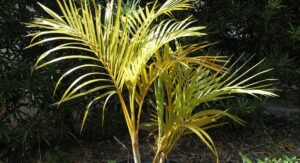
Nutrition is where a lot of king palms plants quietly struggle for years — not dramatically sick, not obviously thriving, just slow and slightly dull and never quite looking the way they should. Getting the fertilizer program right changes faster than almost any other single adjustment you can make.
1. Palm Fertilizer Formula:
Wrong choices like common yard fertilizers truly hurt king palms instead of helping. Fast green shoots appear when too much nitrogen feeds the plant, yet those parts break easily under bug attacks or sickness. What works better follows a palm’s true needs – think slow-feed mixes close to 8-2-12, filled also with manganese and magnesium. These go on three or four times during warmer months, spread wide to where rain drips off the leaves, never piled by the stem. Rather than flood roots once, time-released versions offer steady nourishment across many weeks.
2. Fixing Deficiencies Fast:
Nutrient deficiencies in king palms plants are easier to prevent than to correct, but they can be corrected if you act at the right moment. Potassium deficiency responds to supplemental potassium sulfate applications, though improvement in frond appearance takes months not weeks — the already-damaged fronds won’t recover, but new fronds should come in healthier. Manganese deficiency causes a condition called frizzle top, where new fronds emerge stunted and have a frizzled, crinkled appearance rather than unfurling cleanly. Foliar manganese sulfate applications directly to the crown can help in early stages.
3. Seasonal Feeding Adjustments:
indoor palm plant are active growers through the warm months and essentially coast through winter with minimal nutrient demand. Fertilizing in late autumn or winter wastes product and risks salt accumulation in the root zone — accumulated mineral salts damage root tips and create entry points for fungal pathogens even in otherwise healthy soil. Begin the spring feeding program once nighttime temperatures are consistently above 60°F and you see new frond growth initiating. Time the final application of the year for early autumn so nutrients are absorbed before growth slows.
King Palms Plants Styling Tips for Dramatic Landscape Impact:
Healthy king palms plants are genuinely architectural — they do a lot of visual work in a landscape without requiring anything decorative around them. These five approaches help you get the most from what they naturally offer.
- Plant indoor palm plants in groups of three or five at varied spacing rather than a single specimen — odd-numbered clusters create a natural, organic look that mimics how these trees grow in their native rainforest habitat and looks dramatically more intentional than one isolated tree.
- Use uplighting positioned at the base of each trunk to illuminate the distinctive green crownshaft from below at night — this simple addition transforms your indoor palm plant into genuine focal points after dark and dramatically extends how much visual impact your landscape delivers around the clock.
- Keep the area immediately beneath the canopy clear of competing shrubs and groundcovers for the first three years while roots establish fully, because surface-rooting competitors steal the moisture and micronutrients that young king palms need most during their most vulnerable growth phase.
- Pair indoor palm plant with lower-growing tropical companions like bird of paradise, heliconia, and giant bird of paradise to create a layered canopy effect — the tall palms form the upper tier while bold-leaved tropicals fill the middle level, creating genuine rainforest depth in a garden setting.
- When planting along a driveway or pathway, space your indoor palm plant at consistent twelve to fifteen foot intervals and align them precisely — the natural symmetry of these trees in a formal avenue creates one of the most striking entrances possible in residential or commercial landscaping anywhere in a warm climate.
King Palms Plants Pruning and Maintenance Schedule Made Simple:
Maintenance done correctly keeps your king palms plants healthy and looking their best year-round. Done incorrectly, it creates the exact problems — disease entry points, nutrient loss, structural weakness — that most people are trying to avoid.
- Remove only completely brown, dead fronds from your indoor palm plant and never cut into green or even yellowing fronds, because the palm actively pulls nutrients back from aging fronds before dropping them and cutting early robs the tree of that nutrient recovery process entirely.
- Always sterilize pruning tools between trees using a ten percent bleach solution or isopropyl alcohol wipe-down — skipping this one step is how fungal spores and bacterial pathogens like Fusarium travel invisibly from a diseased king palm to a completely healthy one right next to it.
- Never use climbing spikes on indoor palm plants for any reason — spike wounds in the trunk create permanent entry points for Ganoderma and other wood-rotting fungal pathogens that can silently destroy the structural integrity of the trunk from the inside over a period of years.
- Schedule deep fertilizer and soil drench applications a few days after pruning so the tree’s vascular system is actively moving nutrients when they’re available — this simple timing approach makes fertilizer more effective and supports faster wound compartmentalization at fresh pruning cuts.
- Inspect the crown and trunk base of your indoor palm plant at least twice a year — spring and autumn — specifically looking for early signs of fungal conks, soft tissue near the base, or discoloration in the crownshaft that can indicate bacterial or fungal problems developing well before frond symptoms appear above.
Conclusion
Growing great king palms plants comes down to getting the fundamentals right and staying observant enough to catch problems early. Drainage, nutrition, clean pruning, and consistent monitoring — those four things cover most of what separates a struggling palm from a genuinely spectacular one. Start with healthy stock, plant in the right conditions, and these trees will reward you with decades of tropical drama you genuinely cannot replicate with anything else.
FAQ’s
Q1. Why are the fronds on my king palms plants turning yellow suddenly?
Yellow fronds on king palms plants usually signal a potassium or magnesium deficiency rather than disease. Apply a slow-release palm fertilizer with micronutrients and check that soil pH sits between 6.0 and 7.0 for proper nutrient availability throughout the root zone.
Q2. How often should I water my king palms plants during summer?
Deep watering every seven to fourteen days is right for established king palms plants in summer — shallow daily watering keeps roots near the surface and triggers the drainage problems that lead to root rot. Let soil dry partially between thorough, deep watering sessions for best results.
Q3. What causes root rot in king palms plants and can I treat it?
Root rot in king palms plants comes from Phytophthora and Pythium water molds thriving in waterlogged, poorly drained soil. Improve drainage immediately, reduce watering frequency, and apply a phosphonate-based fungicide drench to the root zone if caught in early stages before crown symptoms appear.
Q4. Can king palms plants get serious fungal diseases in the ground?
Absolutely. King palms plants are vulnerable to Ganoderma butt rot and Fusarium wilt — both serious fungal diseases with no reliable chemical cure. Prevention through clean pruning tools, avoiding trunk wounds, and proper mulching practices is genuinely the only effective long-term strategy available to growers.
Q5. What is the best fertilizer to use on king palms plants?
A slow-release palm-specific fertilizer with an 8-2-12 ratio plus manganese and magnesium is ideal for king palms plants. Apply three to four times yearly through the growing season, broadcasting to the drip line. Avoid high-nitrogen lawn fertilizers — they push weak growth and worsen micronutrient deficiency symptoms over time.
Q6. How do I tell if my king palms plants have bacterial bud rot?
Bacterial bud rot in king palms plants starts with the newest spear leaf failing to open properly, followed by a foul-smelling wet rot spreading through the crown. Act immediately — remove infected tissue and apply a copper bactericide. If the growing point is already infected, recovery is unfortunately unlikely regardless of treatment applied.
Q7. Is it safe to prune king palms plants myself without professional help?
Yes, for lower fronds on manageable-height king palms plants — but sterilize every tool between trees without exception. Never use climbing spikes, which create permanent wound channels for fungal entry, and only remove completely dead fronds. Cutting green or yellowing fronds robs the tree of nutrients it’s still actively reclaiming.
Q8. What soil type do king palms plants grow best in at home?
Sandy loam with excellent drainage and a slightly acidic pH between 6.0 and 7.0 suits king palms plants best. Heavy clay needs amendment with coarse sand and organic compost before planting. Raised planting above grade prevents crown-level water pooling that triggers the fungal infections responsible for most serious long-term palm losses.
Summary
King palms plants are among the most rewarding landscape trees you can grow in a warm climate — fast-growing, structurally dramatic, and genuinely long-lived when their basic needs are consistently met. This guide covered everything from deep-watering habits and drainage solutions that prevent root rot, to diagnosing fungal infections like Ganoderma and crown rot, identifying bacterial bud rot before it reaches the growing point, and decoding yellow fronds by nutritional cause rather than just assuming disease. The fertilizing program, pruning practices, and styling suggestions throughout are built around what actually works in real outdoor conditions rather than theoretical best cases.