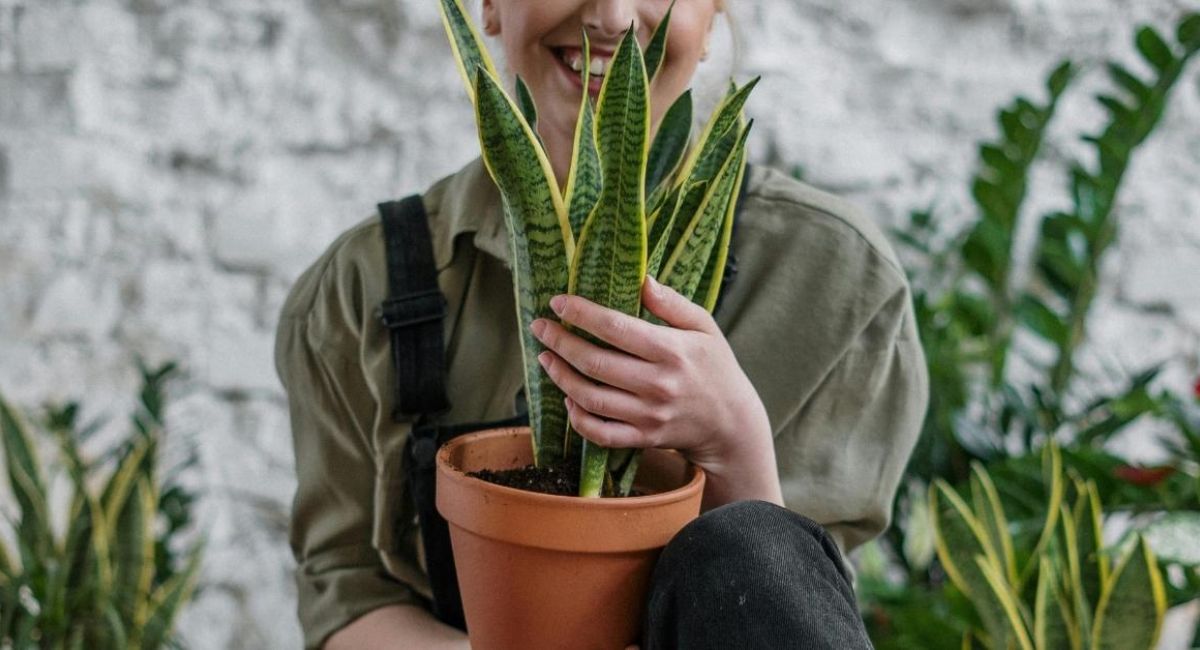
I won’t pretend I had it all figured out when I first got mine. My laurentii plant sat in a dark corner of my bedroom for almost two months before I realized it wasn’t actually happy — it was just too tough to die on me. The leaves started looking dull, a little washed out, and one morning I noticed a faint sour smell coming from the pot. That smell sent me down a research rabbit hole that honestly changed how I think about plant care entirely. I made mistakes. I read things.
The laurentii plant — officially Sansevieria trifasciata ‘Laurentii’ — is that tall, stiff, gold-edged houseplant you’ve probably seen in offices, hotel lobbies, and Pinterest boards for the last decade. People buy it because it’s supposedly indestructible. And yeah, it’s tough. But “tough” doesn’t mean “zero effort.” The tall indoor plant still gets root rot. It still catches fungal infections. Its leaves are still yellow when something’s off. People just don’t talk about those problems as much, which is exactly why so many of them quietly die on windowsills every year.
If you’ve wondered whether your laurentii plant is thriving or dying, this guide helps prevent those frustrating care mistakes permanently.
Laurentii Plant Care Basics Most People Get Wrong:
Here’s something I wish somebody had told me early on: the laurentii plant isn’t a low-maintenance plant in the way most people mean. It’s low-drama — meaning it won’t throw a fit if you skip a watering or forget to fertilize for a few months. But the second you start doing too much — watering too often, moving it into a too-dark corner, planting it in the wrong soil — it starts struggling. Quietly. Slowly. By the time you notice something’s wrong, the problem’s usually been building for weeks.
The most important thing I learned about caring for a laurentii plant is that it comes from semi-arid parts of West Africa. Sandy soil. Long dry spells. Bright light, sometimes harsh light. So when you bring it indoors and stick it in a pot of rich, moisture-retaining compost and water it weekly — you’re basically giving it the exact opposite of home. The soil stays wet too long, oxygen can’t reach the roots, and that’s when fungal pathogens and root rot organisms start showing up uninvited.
Laurentii Plant Watering Habits That Save or Kill:
I talk to a lot of plant people. And the number one thing that kills a laurentii plant — by a massive margin — is overwatering. Not underwatering. Not too little light. Overwatering. It’s almost always overwatering. The reason is pretty straightforward once you understand the biology: this plant stores water inside its thick, rubbery leaves. So by the time its soil has dried out and you water again, it’s already been drawing on reserves. It doesn’t need more water nearly as often as you’d think.
In summer, watering every two to three weeks is plenty for most laurentii plant setups. In winter — especially if you’re in a cooler climate — once a month is genuinely enough. What matters most isn’t the calendar though; it’s the soil. Stick your finger two inches in. If there’s any moisture at all, don’t water. Wait. The tall indoor plant will always be more grateful for a little drought stress than for sitting in soggy soil where anaerobic bacteria and mold spores start multiplying in the waterlogged gaps between soil particles.
Worth knowing: always water at soil level, never over the leaves. Water pooling between the upright leaves is one of the fastest ways to trigger fungal rot — that damp, enclosed space is practically a five-star hotel for Fusarium and other leaf pathogens.
Laurentii Plant Complete Care Reference Table:
| Care Factor | What Actually Works | Common Mistake | What Goes Wrong |
| Light | Bright indirect, 4–6 hrs daily | Permanent deep shade | Pale, slow, weak growth |
| Watering | Every 2–3 weeks (summer only) | Fixed weekly schedule | Root rot, yellowing leaves |
| Soil mix | Cactus mix + extra perlite | Dense, peat-heavy compost | Waterlogging, fungal disease |
| Temperature | 60–80°F (15–27°C) | Cold drafts or below 50°F | Tissue damage, scarring |
| Humidity | 30–50% — leave it alone | Misting the leaves directly | Fungal leaf spot infection |
| Fertilizing | Monthly, balanced liquid, spring/summer | Feeding through winter | Salt burn on leaf tips |
| Pot material | Terracotta — breathes well | Sealed glazed or plastic pot | Trapped moisture, root suffocation |
| Repotting | Every 2–3 years, spring only | Jumping to a huge pot at once | Too much soil stays wet too long |
| Propagation | Division from rhizome clusters | Leaf cuttings expecting variegation | Plain green offspring, no gold border |
| Pet safety | Keep well out of reach | Accessible to cats and dogs | Vomiting, drooling, GI distress |
Laurentii Plant Disease Fungal Infections Explained Clearly:
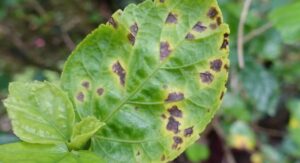
Fungal problems are, honestly, far more common in the laurentii plant than most people realize. The plant’s reputation for toughness tends to make owners assume it’s immune to this kind of thing — and that assumption is exactly what allows minor infections to turn into major damage. There are a handful of specific fungal species that target this plant consistently, and understanding them makes catching problems early so much easier.
1. Fusarium Rot:
Wet ground gives Fusarium its chance – it lurks in soil, creeping toward laurentii roots when moisture lingers too long. Look close at the lower part of leaf stems; a dark stain shows up there first, like something soaked through from below. That spot turns mushy, slowly caving into itself as if deflating under quiet pressure. Hard to catch early because what’s happening underground usually runs ahead of what you can see. Once the outside reveals damage, tangled threads of fungus may have traveled far beneath, moving unseen through delicate pathways inside the plant.
2. Southern Blight:
Warm weather brings southern blight, thanks to a fungus named Sclerotium rolfsii thriving where air stays thick with moisture – especially if laurentii roots sit too long in soggy ground through hot months. At the base of stems near dirt, watch for fuzzy white threads spreading out like mold; often they carry small brownish specks grouped tightly, resembling clusters of spice bits. Once spotted, lift sick greenery away from nearby containers without delay since earth contact can pass trouble across potted companions fast.
3. Leaf Spot Fungus:
Brown spots on laurentii leaves might show up thanks to tiny fungal invaders like Helminthosporium, forming round or uneven patches that sometimes glow with a pale yellow edge. A little cut or bug bite opens the door – so does lingering moisture resting too long on flat surfaces. Air moves differently when space is cleared nearby, leaves stay cleaner when kept free of wetness, while an early touch of weak copper-based spray can block trouble creeping from one blade to another. Each detail matters just enough to slow what spreads fast under still conditions.
Laurentii Plant Yellow Leaves Real Causes Nobody Mentions:
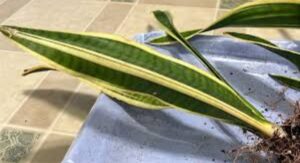
Yellow leaves get blamed on overwatering pretty much automatically — and yes, overwatering is usually involved. But I’ve seen plenty of laurentii plant leaves turn yellow for other reasons entirely, and misdiagnosing the cause means you end up “fixing” the wrong thing while the actual problem keeps getting worse. So let’s look at this more carefully.
1. Root Rot Signals:
Yellow leaves might point to root rot, especially if the discoloration begins near the base of the plant and climbs higher over time. Wet soil doesn’t help – the plant still sags, lifeless, even though it seems well-watered. Water movement fails when roots decay, cutting off supply lines to the foliage above. Leaves respond by shutting down, one after another. Take the plant out gently; soft roots, nearly black and giving off a sharp odor, signal trouble beneath. On the flip side, crisp ones with a light beige hue suggest health below ground – meaning something else caused the issue.
2. Low Light Problems:
A laurentii tucked into dim corners begins to lose its green punch slowly, then the color thins out – less like sunburnt tips, more like old paint left in rain, turning hazy and flat. Those crisp gold edges turn soft, almost tired. Shifting it nearer to daylight, maybe just a few steps toward glass, often brings back some strength after a month; fresh shoots rise with better shape while older foliage tightens, just a little.
3. Nutrient Depletion:
Most likely, a laurentii kept in one container for half a decade has used up every bit of food buried in the soil long ago. Pale foliage often means nitrogen is running out – especially on the oldest leaves. If instead it’s iron missing, the spaces between leaf lines turn yellowish while the lines hold their green. Early each year, adding an even slow-feed nutrient blend usually fixes things by mid-summer, so long as sunlight reaches the plant well enough for growth.
Laurentii Plant Root Rot What to Actually Do About It:
Root rot in the laurentii plant sounds like a death sentence, but it genuinely isn’t — if you deal with it quickly. I’ve rescued plants where more than half the root system was already rotted, and they pulled through. The key is acting the same day you discover the problem, not waiting to “see if it improves on its own.” It won’t.
1. Spotting It Early:
The smell test works better than almost anything else for catching root rot early in a laurentii plant. Healthy, well-draining soil smells earthy and neutral — like outdoor garden soil after rain. Soil with active root rot smells sour, almost vinegary, because anaerobic bacteria and water molds like Pythium are producing metabolic byproducts as they decompose root tissue. If you ever notice that smell without seeing any above-ground symptoms yet, unpot immediately — catching it at that stage gives the plant a much better chance.
2. Rescue and Repot:
Getting a tall indoor plant through root rot means removing every single rotted root — don’t try to save anything mushy or discolored. Use scissors you’ve wiped with rubbing alcohol. Once you’re left with only firm, healthy roots, dust the cut ends with powdered cinnamon or garden sulfur — both have real antifungal properties — and leave the plant sitting unpotted in open air for a full day before putting it in anything. That drying period lets the cut surfaces callous over, which physically blocks soil-borne pathogens from entering through the fresh wounds.
3. Preventing Recurrence:
The only real prevention for root rot in any tall indoor plant is drainage — full stop. Pots must have holes. Soil must be fast-draining. And you must water less often than feels natural. If you’ve already had one root rot episode, add an extra 25–30% perlite to your next soil mix, choose a terracotta pot over plastic, and consider switching to bottom-watering — where you set the pot in a shallow tray of water for 20 minutes, then remove it completely. It encourages roots to reach downward instead of sitting near the soggy surface layer where most pathogenic microorganisms concentrate.
Laurentii Plant Pests, Bacteria, and Hidden Threats:
Beyond the fungi and the watering issues, the laurentii plant occasionally deals with pest pressure and bacterial problems that get overlooked because they’re less well-known. Knowing what to look for means you can catch these things early instead of wondering why the plant looks off for three months before you finally figure out the actual cause.
1. Bacterial Soft Rot:
Waterlogged spots appear suddenly on laurentii when Erwinia strikes, turning leaf or stem bases into slippery mush. As the infection spreads, plant cells fall apart under relentless bacterial attack. Fungus killers sit useless here – bacteria ignore them completely. Sterilized blades remove every damaged bit, one careful slice after another. Air circulation needs a sharp boost, immediate and thorough. Moisture must stay clear of foliage crowns, left nowhere to pool between leaves.
2. Spider Mite Damage:
Spider mites love the tall indoor plan during winter months when indoor heating drops humidity to almost nothing. Tiny yellow stippling marks across the leaf surface — like thousands of pinprick dots — plus fine webbing tucked into tight spots between leaves are the two main signs. What people often miss is that by the time you see obvious webbing, the infestation is already well-established. A weekly spray of diluted neem oil solution for four consecutive weeks clears most mite problems, but you have to be consistent — skipping a week breaks the cycle and they bounce back quickly.
3. Scale and Mealybugs:
Both scale insects and mealybugs are drawn to the tall indoor plant particularly in warm indoor environments with limited airflow. Scales appear as small hard brown bumps along leaf margins; mealybugs show up as white cottony clusters in the crevices where leaves emerge from the central rosette. Both pests weaken the plant by feeding on its sap, and both excrete sticky honeydew that then attracts sooty mold fungal growth as a secondary problem. Manual removal with alcohol-dipped cotton swabs followed by neem oil treatment over several weeks handles most infestations effectively.
Laurentii Plant Benefits Worth Actually Knowing About:
- The laurentii plant is one of very few houseplants that performs Crassulacean Acid Metabolism, meaning it absorbs carbon dioxide at night rather than during the day — which makes it a genuinely useful plant for bedrooms, not just a decorative one.
- NASA’s Clean Air Study identified the tall indoor plant as one of the better performers at filtering common indoor air pollutants, including formaldehyde released from synthetic furniture, benzene from plastics, and trichloroethylene from certain cleaning products used in homes.
- For people living in small apartments or narrow spaces, the laurentii plant’s naturally vertical, upright growth habit means it can fill a room with living green without sprawling sideways and taking over floor space the way trailing tropical plants inevitably do.
- The tall indoor plant is genuinely one of the most drought-tolerant houseplants available — it uses dramatically less water than pothos, ferns, or tropical aroids, which makes it a smarter choice for travelers or anyone who struggles to maintain a consistent watering routine.
- Studies on indoor environments have found that workplaces and home offices with plants present — including varieties like the tall indoor plant — show measurable improvements in reported focus, reduced stress markers, and lower rates of sick-day absenteeism among workers over time.
Laurentii Plant Mistakes That Kill It Slowly Over Time
- Putting a laurentii plant in a pot without drainage holes is one of those mistakes that doesn’t show immediate consequences — but three months later you’re dealing with root rot and a plant that looks like it’s giving up, and by then the damage is usually extensive and frustrating to reverse.
- People assume their tall indoor plant is “fine” in a dark hallway because it isn’t dying — but surviving and thriving are very different things. Low light just means slow deterioration: paler leaves, no new growth, a weakened immune response that makes the plant far more susceptible to pest and disease pressure over time.
- Fertilizing the tall indoor plant through winter is genuinely damaging — the plant’s metabolic rate slows significantly in cooler months, it can’t process nutrients it isn’t using, and the mineral salts accumulate in the soil and burn the leaf tips into those ugly brown crispy edges that never green back up.
- Expecting leaf cuttings to produce golden-edged offspring is a disappointment that trips up almost every new tall indoor plant owner — the variegation is a chimeral trait, and only exists in specific tissue layers that don’t carry through propagation by leaf sections, only through rhizome division.
- Using a pot two or three sizes larger than the root ball when repotting a tall indoor plant backfires because all that extra soil around the roots holds moisture the roots can’t absorb — which just sits there, getting waterlogged, inviting exactly the kind of fungal and bacterial problems you were trying to avoid.
Conclusion
The laurentii plant is genuinely worth the small amount of attention it asks for. Once you understand what it actually needs — how rarely to water it, what healthy roots look like versus rotting ones, why its leaves yellow and what the smell of its soil is trying to tell you — it stops being a mystery and starts being one of the most satisfying plants you’ve ever grown. I keep mine near a bright east-facing window now, in a terracotta pot I sized down after the root rot incident, and it’s put out four new leaves this spring alone. The tall indoor plant rewards patience and observation more than any amount of fussing.
FAQ’s
Q1. How often do I actually need to water a laurentii plant?
Every two to three weeks in summer, once a month in winter. That said, always check the soil first — your laurentii plant should never be watered while there’s still any moisture in the top two inches. The soil dryness matters more than the calendar.
Q2. Why are my laurentii plant leaves going yellow?
Most commonly overwatering — but also possible causes include low light, nutrient depletion after years in the same pot, or the early stages of root rot. Check your watering habits and soil drainage first. The laurentii plant shows yellowing as a general stress signal, so context matters a lot.
Q3. Can I save a laurentii plant with root rot?
Yes, often. Remove all mushy roots, let the plant air-dry for 24 hours, dust cuts with cinnamon, and repot in fresh dry soil. Your laurentii plant needs to be kept on the drier side for the next few weeks while new roots establish themselves from the remaining healthy tissue.
Q4. What soil does the laurentii plant need?
A cactus or succulent mix amended with extra perlite — roughly 60% cactus mix to 40% perlite works well. The laurentii plant needs water to drain through quickly, and standard potting compost retains far too much moisture, especially in pots indoors where evaporation is slower than outside.
Q5. Is the laurentii plant dangerous for pets?
Yes. The laurentii plant contains saponins that are toxic to cats and dogs — if chewed or swallowed, symptoms include vomiting, drooling, and gastrointestinal distress. It’s not usually life-threatening in small amounts, but keep it out of reach as a sensible precaution regardless.
Q6. Will a laurentii plant keep its gold edges if I propagate by cuttings?
No — leaf-section cuttings always produce plain green offspring. The golden border on a laurentii plant is a chimeral characteristic that only passes through rhizome division. If you care about variegation, separate natural pups or divide the rhizome rather than taking leaf cuttings.
Q7. What does a fungal infection look like on this plant?
Usually soft, darkened patches — either at the base of leaves or on the leaf surface as irregular brown spots with yellow halos. A laurentii plant with Fusarium rot will show collapsing tissue near soil level. Leaf-spot fungi look more like scattered brown lesions, often with a defined border around each affected area.
Q8. How much light does my laurentii plant really need?
Bright indirect light for four to six hours daily is genuinely ideal. The laurentii plant won’t die in lower light, but it grows noticeably slower, looks dull rather than vibrant, and becomes more susceptible to disease because a weakened, light-starved plant can’t defend itself the way a well-lit, actively-growing one can.
Summary
The laurentii plant is one of those rare houseplants where understanding its background — where it evolved, what conditions it prefers, and what actually stresses it — unlocks everything. Water it less than feels comfortable. Give it real light. Use fast-draining soil. Catch root rot by smell before you see symptoms. Know your fungal diseases from your bacterial ones. Propagate by division if you want to keep those golden borders.