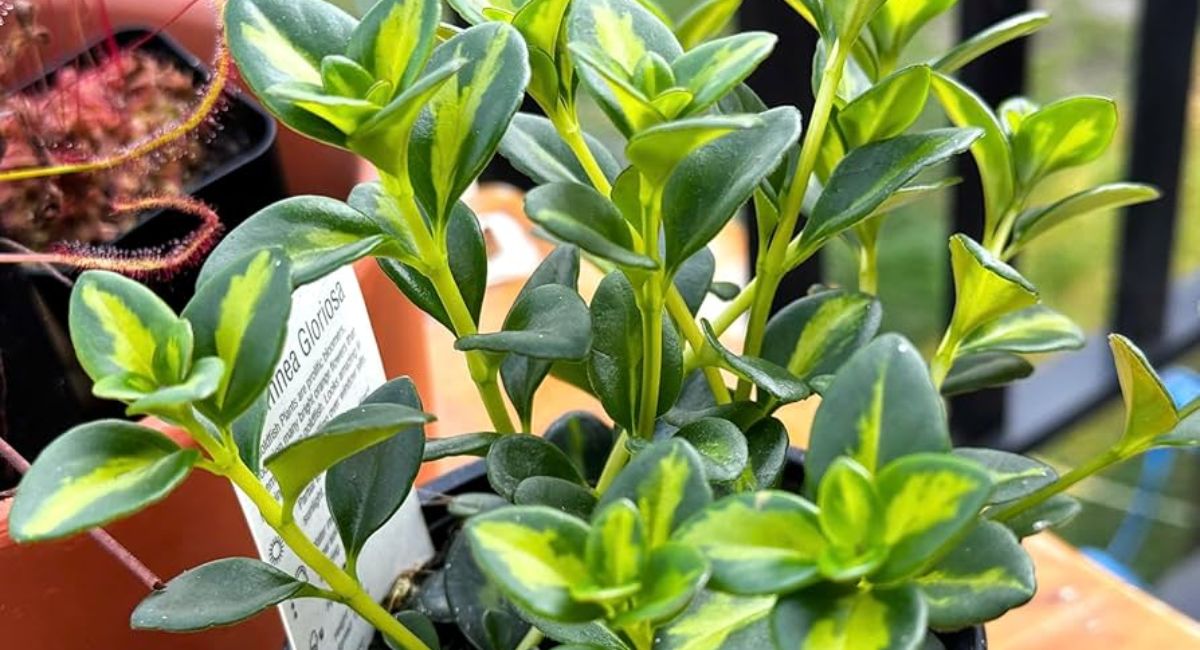
I discovered the goldfish plant completely by accident while browsing a small local nursery and the bright orange blooms shaped like tiny fish stopped me in my tracks. I had never seen anything like it and immediately had to bring one home even though I had no idea how to care for it. Watching those little flowers pop up along the vines became one of my favorite parts of my morning routine in a way I never expected from a houseplant.
Turns out, bud drop on a goldfish plant is one of the most predictable and preventable things in indoor gardening, once you understand why it happens. That one frustrating experience sent me down a proper rabbit hole. I spoke to the friend who gave it to me, read proper care literature rather than surface-level articles, and grew three more plants deliberately to test what made the difference. What I figured out changed how I care for this plant completely — and the blooms have been consistent ever since.
This stunning goldfish plant produces vibrant colorful blooms that look incredibly unique and make any indoor space feel truly alive.
Goldfish Plant Light Needs That Most Beginners Get Completely Wrong:
Light is the foundation of everything with a goldfish plant, and most people either give far too little or place the plant in conditions that scorch the leaves before they realize the problem. These plants come from humid tropical forest environments where they grow as epiphytes on tree branches, receiving bright but filtered light through a forest canopy. Replicating that indoors means finding a well-lit spot that never receives harsh direct rays through glass.
The ideal position for an indoor trailing flowering plant is within a few feet of an east or north-facing window, or set back from a south-facing window with a sheer curtain diffusing the light. A plant that gets enough light will produce those distinctive orange tubular blooms regularly and keep its foliage a deep, healthy green. One getting too little light grows slowly, stops flowering entirely, and becomes progressively leggier as it stretches toward whatever light source it can find.
Goldfish Plant Varieties a Full Comparison Guide for Buyers:
There are more goldfish plant varieties than most people realize, and they differ in trailing length, flower color, leaf texture, and ease of care. If you are choosing between options at a nursery or ordering online, this table breaks down the ten most widely available varieties side by side so you can pick the right one for your space.
| Variety Name | Flower Color | Trail Length | Best Display |
| Columnea gloriosa | Red-orange | Up to 3 ft | Hanging basket |
| Columnea microphylla | Orange-red | Up to 4 ft | High shelf, basket |
| Nematanthus gregarius | Bright orange | Up to 2 ft | Pot, hanging display |
| Columnea hirta | Red with yellow | Up to 3 ft | Hanging basket |
| Nematanthus wettsteinii | Yellow-orange | Up to 18 in | Compact shelf pot |
| Columnea arguta | Scarlet red | Up to 5 ft | Statement basket |
| Nematanthus nervosus | Deep orange | Up to 2 ft | Tabletop pot |
| Columnea linearis | Pink-red | Up to 2 ft | Shelf, small basket |
| Columnea schiedeana | Orange-brown | Up to 3 ft | Hanging basket |
| Nematanthus fluminensis | Yellow-red | Up to 2 ft | Bright windowsill |
Goldfish Plant Watering Guide: Getting the Balance Exactly Right
Watering is where most goldfish plant owners go wrong, and the frustrating part is that both overwatering and underwatering produce similar-looking symptoms. Leaves wilt and drop either way, which makes diagnosis tricky without checking the soil. Here is how to get the balance right from the beginning rather than learning through the same mistakes most of us make.
1. Check Soil First:
One inch down, give the soil a feel with your fingertip before any water touches the pot. When moisture lingers there, hold off – wait one more morning or skip ahead by forty-eight hours. Drying out just below the surface suits them best; constant wetness brings trouble. Let the upper layer vanish into dust each time, then pour. That bare spot on top acts like a signal – not too late, never too soon – keeping roots safe from decay that quietly ends many houseplants.
2. Avoid Cold Water:
Water your indoor trailing flowering plant only when it has warmed up to match the air. A shock from icy faucet flow can burst delicate leaf tissues overnight. Those damaged spots appear blotchy, tan or dark, never healing again. Fill a container ahead of time so chemicals like chlorine fade into the air slowly. One small delay wards off an issue many face without realizing how simple the fix truly is.
3. Reduce in Winter:
When daylight shrinks in fall and winter, indoor trailing flowering plants drink far less. Because sunlight fades, their growth eases off sharply – so they sip water at a crawl. If you still soak the soil like in summer, roots sit drowned, opening doors to rot. Wait longer between drinks through colder weeks; gaps of many days help it coast smoothly into spring.
Goldfish Plant Humidity Requirements for Consistent Healthy Blooming:
The goldfish plant originates in humid tropical environments and genuinely notices when indoor air becomes dry — particularly in winter when central heating strips moisture from the air. Getting humidity right is one of the less obvious but surprisingly impactful care adjustments that separates plants that bloom repeatedly from those that barely manage a flower or two before the buds drop.
1. Group Plants Together:
Grouping your indoor trailing flowering plant alongside other houseplants creates a small microclimate where transpiration from multiple plants raises the ambient humidity naturally around the whole group. This is genuinely one of the most effective and lowest-effort humidity solutions available. No equipment needed, no electricity, no daily misting ritual — just thoughtful placement near other plants that collectively create the slightly moister air this plant grew up in.
2. Pebble Tray Works:
Water slowly rising from a tray under your indoor trailing flowering plant keeps the air nearby moist. That tray holds small stones plus liquid below the pot. The container rests on rocks, never touching the water underneath. Roots stay dry even while moisture drifts up through the air. Top off the reservoir now and then – that is all it needs to keep going. Evaporation works quietly, day after day.
3. Avoid Misting Directly:
Most care tips suggest spraying your indoor trailing flowering plant yet that method hardly helps with lasting moisture. Tiny beads of water vanish fast – barely changing the air around it. Leaves soaked too often might develop mold problems, especially where blooms appear. Instead of spritzing, try placing a compact humidifier close by – it handles winter dryness much better. That quiet machine adds steady dampness without drenching anything.
Goldfish Plant Soil and Potting Mix That Supports Root Health:
The right potting mix for an indoor trailing flowering plant is one that drains quickly, holds just enough moisture between waterings, and stays light and aerated rather than compacting over time. These plants grow as epiphytes in the wild — their roots are accustomed to clinging to bark and organic debris rather than dense ground soil, so heavy standard compost on its own is genuinely the wrong environment for them.
1. Lightweight Mix Needed:
Build your potting mix for a indoor trailing flowering plant by combining two parts standard houseplant compost with one part perlite and one part orchid bark. This combination drains freely, never becomes waterlogged, and keeps the root zone aerated. The bark mimics the loose organic matter these plants grow in naturally in their forest habitat. Avoid heavy garden soil or peat-dominant mixes that compact with repeated watering and stay wet for far too long between drinks.
2. Pot Size Matters:
Start small – pushing an indoor trailing flowering plant into too big a container won’t speed things up. Too much space means excess dampness the roots can’t reach, leaving them sitting in soggy earth long after watering, inviting decay down the line. Surprisingly, blooms come easier when roots fill the pot just enough. Shift upward by just one size, but only once tangles peek through the bottom openings of its home.
3. Report in Spring:
Spring is by far the best time to report an indoor trailing flowering plant as the plant is entering its main growing period and will recover from root disturbance quickly. Repotting in autumn or winter when growth has slowed means the plant sits in fresh disturbed soil without the metabolic energy to settle in and establish. Spring repotting also gives you the opportunity to refresh the potting mix, which breaks down and loses its drainage properties significantly after about two years of use.
Goldfish Plant Fertilizing Tips for Maximum Flowering Performance Always:
Feeding a goldfish plant correctly is the difference between a plant that flowers sporadically and one that produces blooms in waves from spring through autumn. These plants respond strongly to regular feeding during their active growing period, but they are also easy to overfeed — which causes salt buildup that paradoxically reduces flowering rather than increasing it.
1. High Phosphorus Formula:
When growing an indoor trailing flowering plant , using fertilizer rich in phosphorus instead of nitrogen helps it make more flowers and fewer leaves. Try choosing a formula meant for blooming plants or orchids where phosphorus shows up first on the label. Every fortnight during warmer months, give your plant one-half of what the package says to use. Using less keeps mineral salts from building up, yet gives enough nourishment for blossoms plus sturdy vine-like branches.
2. Stop Feeding Winter:
As day length shortens in autumn, stop feeding your indoor trailing flowering plant entirely and do not resume until new growth appears in early spring. Fertilizing a plant that is not actively growing just loads the soil with unused mineral salts that eventually cause leaf tip burn and root stress. The winter rest period is important — a indoor trailing flowering plant that gets a genuine cool, dim, dry winter rest will frequently respond by producing a flush of blooms in spring that plants fed year-round simply do not match.
3. Flush Salts Regularly:
Every three months during the growing season, pour plain water through the pot of your indoor trailing flowering plant generously until it runs freely from the drainage holes for a full minute. This flushes accumulated fertilizer salts from the soil before they reach concentrations that damage roots and cause the brown leaf tips that look like underwatering symptoms but are actually a mineral toxicity issue. A simple quarterly flush takes two minutes and prevents problems that take months to diagnose correctly.
Goldfish Plant Bud Drop Causes and How to Fix Them Fast:
Bud drop is the single most heartbreaking thing that happens with a goldfish plant, and it almost always has a specific, fixable cause. Once you know what triggers it, it stops feeling random and starts feeling entirely preventable. Here are the five main reasons buds drop and what to do about each one.
- Moving the plant after buds form is the most common trigger for bud drop — an indoor trailing flowering plant in bud should stay in its spot and not be rotated, repositioned, or carried to show visitors.
- Cold drafts from open windows or air conditioning vents near the plant cause sudden temperature drops that shock the plant into dropping every bud it has set in a matter of hours.
- Low humidity during bud development causes buds to desiccate before they open — boost humidity around the indoor trailing flowering plant with a pebble tray or humidifier during the flowering period specifically.
- Overwatering during the bud set stresses the root system enough to trigger bud abortion — reduce watering frequency slightly once flower buds form and allow the soil to approach dryness between each watering session.
- Insufficient light during autumn prevents buds from developing and holding — move your indoor trailing flowering plant to the brightest available indoor spot before temperatures drop and natural daylight shortens significantly.
Goldfish Plant Propagation Methods That Work Every Single Time:
Growing new plants from an existing goldfish plant is one of the most satisfying things about owning one. A single trailing stem can produce several new plants with basic equipment and a bit of patience. Here is exactly what works reliably without any complicated techniques.
- Stem tip cuttings of three to four inches taken just below a leaf node root readily in moist perlite or a lightweight propagation mix placed in a warm, bright spot away from direct sun.
- Remove all leaves from the bottom half of the cutting before inserting it into the propagation medium — buried leaves rot quickly and introduce fungal problems that kill the cutting before roots have a chance to develop.
- Cover the pot loosely with a clear plastic bag to create a humid microclimate around the cutting — the indoor trailing flowering plant roots far faster and more reliably when ambient humidity stays consistently high around the cutting.
- Roots typically develop within three to five weeks — tug the cutting very gently after four weeks and any resistance means roots have formed and the new indoor trailing flowering plant is ready to pot into its first proper container.
- Take cuttings in spring or early summer for the fastest and most reliable rooting results — cuttings taken in winter root very slowly and are significantly more prone to rotting before roots establish in cooler conditions.
Conclusion
The goldfish plant is not a difficult plant — it just has a short list of preferences it feels strongly about. Bright indirect light, room-temperature water, high humidity, fast-draining soil, and a genuine winter rest. Get those fundamentals right consistently and it rewards you with wave after wave of those extraordinary little orange blooms that make visitors stop and look twice. My first one still lives on the same shelf where I nearly gave up on it. It has not stopped flowering for two consecutive seasons now.
FAQ’s
Q1: Why are the buds falling off my goldfish plant before opening?
Bud drop on a goldfish plant is almost always caused by moving the plant after buds form, cold drafts, low humidity, or overwatering. Identify which applies to your situation and correct it. Once you stabilize conditions, the next round of buds should open fully without dropping.
Q2: How much light does a goldfish plant actually need indoors?
A goldfish plant needs bright, indirect light for several hours daily. A position a few feet from an east or north-facing window works well. Direct sun through glass bleaches and scorches the foliage. Insufficient light stops flowering entirely and causes progressive legginess as the plant stretches toward any available light source nearby.
Q3: How often should I water my goldfish plant each week?
There is no fixed schedule for watering a goldfish plant. Always check the soil first — water only when the top inch feels dry. In summer that might be every five to seven days. In winter it could stretch to two weeks or more depending on your home’s temperature and light levels.
Q4: Does the goldfish plant need special humidity to bloom well?
Yes — a indoor trailing flowering plant blooms most freely in humidity above fifty percent. Group it with other houseplants, use a pebble tray beneath the pot, or run a small humidifier nearby. Central heating drops indoor humidity significantly in winter, which is precisely when consistent humidity matters most for bud retention and development.
Q5: When and how should I fertilize my goldfish plant for best results?
Feed a goldfish plant every two weeks from spring through summer using a high-phosphorus liquid fertilizer diluted to half strength. Stop feeding completely from October through February. Flush the soil with plain water every three months to clear accumulated mineral salts that cause tip burn and reduced flowering over time.
Q6: Can I grow a goldfish plant in a regular hanging basket indoors?
Absolutely — a hanging basket is one of the best ways to display a goldfish plant because it allows the trailing stems to cascade naturally and shows off the blooms beautifully from below. Use a lightweight, well-draining mix in the basket and position it near a bright window without direct sun exposure.
Q7: Is a goldfish plant safe to have around cats and dogs?
The goldfish plant is generally considered non-toxic to cats and dogs, which makes it a more pet-friendly option than many popular trailing houseplants. That said, ingestion of any plant material can cause mild digestive upset in sensitive animals, so keeping it out of reach of persistent chewers is still sensible practice.
Q8: How do I make my goldfish plant trail longer and look fuller?
Pinch the growing tips of your indoor trailing flowering plant regularly during the growing season to encourage branching rather than single long stems. More branches means more flowering tips and a denser, more dramatic trailing display. Feed consistently through summer and ensure bright light — both directly influence how vigorously new side shoots develop over the growing season.
Summary
Success with a goldfish plant comes down to five consistent habits: bright indirect light, room-temperature water applied only when the top inch of soil is dry, humidity above fifty percent, lightweight well-draining potting mix, and a genuine winter rest with no feeding. Never move an indoor trailing flowering plant once buds form, and pinch growing tips regularly to encourage the branching that produces the most flowers. Get these basics right and your indoor trailing flowering plant will trail beautifully and bloom in waves throughout spring, summer, and into autumn every single year.