

Even now I think about that moment. Not because she lacked sense – she worked as a nurse – but because knowing signs doesn’t always mean seeing them clearly. Flu B had crept up slow, then rushed in fast. Each small shift felt explainable until it wasn’t.Tired because of work. Achy because she’d been on her feet. The headache was stress. By the time she connected it all, she was already in trouble. Symptoms of Flu B were already fully present but easy to misread in real time.
Not a medical expert, just someone who paid attention after seeing loved ones caught off guard again and again. Each round follows the same path: too slow to react, then paying for it with extra weeks of feeling wrecked. What shows up isn’t clean bullet points – it’s chills that hit mid-sentence, exhaustion that drags through days, a fever that sneaks in like fog. Symptoms of Flu B Bodies show things differently than pages do. Signals arrive tangled, out of order, easily confused till the moment slips by.
Recognizing symptoms of flu B early helps you get the right treatment faster and get back to feeling completely great.
Why Influenza B Gets Underestimated Every Single Season:

People hear “flu B” and think it’s the lesser version. Type A gets the scary headlines — pandemics, bird flu, H1N1. But anyone who’s had a serious case of influenza B will tell you there’s nothing lesser about it. The symptoms of flu b can completely flatten a healthy adult for a week and a half. In kids and older adults the stakes are even higher.What makes it particularly hard to catch early is that influenza B circulates mainly in the back half of flu season — February, March, sometimes into April — when people have already let their guard down.
They got through December and January fine. They stop thinking about the flu. And then boom — the symptoms of flu b arrive, often mistaken for a late-season cold until they escalate far beyond what any cold does.The other thing worth knowing upfront: you’re contagious before you feel sick. Roughly a full day before the symptoms of flu b show up in your own body, you’re already shedding virus and spreading it.
Fever That Doesn’t Creep Up It Crashes In:
With a cold, the fever — if you even get one — builds slowly over a day or two. You feel off, then worse, then you check your temperature and it’s 99.8. The symptoms of flu b don’t work that way. The fever can go from nothing to 102, 103, sometimes 104°F within a matter of hours. My neighbor’s was 103.6 when she finally checked. She’d been assuming she was just warm because she was stressed.
1. Kids run even higher:
A child who’s playing fine in the morning and shaking with a 104.5°F fever by dinnertime is absolutely a situation where influenza B needs to be on your mental list, not just assumed to be teething or a growth spurt or whatever else we tell ourselves. The rapid climb is one of the most diagnostic features of the symptoms of flu b — it’s the thing that, if you know to look for it, tells you this isn’t ordinary.
2. Body Pain That Goes Deeper Than Muscle Soreness:
The aching that comes with symptoms of flu b is its own category of discomfort. People reach for words like “bone-deep” because that’s genuinely what it feels like — not surface soreness like after exercise, but something that seems to originate inside the tissue itself. Your legs feel heavy and wrong. Your lower back aches even lying still. The muscles around your temples and behind your eyes hurt. Turning your neck feels stiff.
3. Fatigue That Makes Normal Humans Feel Broken:
Here’s the one that surprises people most — not during the illness itself but after. Everyone expects to feel tired when they’re sick. What they don’t expect is still feeling genuinely unable to function two weeks after the fever breaks. The fatigue from symptoms of flu b is not proportional to what you’d expect from a respiratory illness. It’s systemic, it’s heavy, and it hangs on. Athletes get humbled by it. Busy executives who haven’t taken a sick day in years find themselves unable to sit through a one-hour Zoom call without needing to lie down afterward. That’s not weakness — it’s physiology. Your body spent enormous resources on this fight and it needs real time to rebuild.
Flu B or Something Else An Honest Comparison:
Because the early hours are so confusing, here’s a genuinely useful side-by-side of how symptoms of flu b stack up against the two illnesses people most commonly confuse it with.
| What You’re Feeling | Symptoms of Flu B | Common Cold | COVID-19 |
| Speed of onset | Hours — shockingly fast | Days — gradual buildup | Either, unpredictably |
| Fever height | High — 101 to 104°F common | Rare, mild if present | Variable, often moderate |
| Muscle and joint pain | Severe, full body, deep | Minimal | Moderate to severe |
| Energy levels | Completely gone from day one | Slightly drained | Ranges widely |
| Head pain | Often intense and pressure-like | Mild or absent | Common |
| Throat | Sore, often raw | Usually the first complaint | Occasional |
| Nose | Sometimes congested, not always | Running constantly | Sometimes |
| Cough character | Dry, deep, chest-based | Loose, mild | Dry, often severe |
| Smell and taste | Rarely affected | Rarely affected | Frequently lost |
| Total duration | Week to two weeks | Three to seven days | Highly variable |
What’s Happening in Your Chest and Airways:
Respiratory symptoms of flu b don’t always get enough attention in the early stages because the fever and body pain dominate everything. But the chest and airway piece is actually where things can go sideways if you’re not watching.
1. The Cough That Outlives Everything Else:
Dry. Persistent. Deep. The cough that comes with symptoms of flu b is the thing people complain about longest — sometimes still hacking three weeks after everything else has resolved. It doesn’t produce much. It doesn’t feel productive. It just sits there, irritating the lining of your airways and making your chest sore every time it fires. Cold air makes it worse. Exercise makes it much worse. Even laughing can set it off, which is its own special kind of misery.
2. Chest Heaviness Where Normal Ends and Dangerous Begins:
A dull pressure across the chest is common with symptoms of flu b and is usually just bronchial inflammation doing its thing. Pain might be uncomfortable but never risky. Yet here exists a boundary – knowing its place makes difference. Sudden tightness deep in the chest shows up without warning. When each breath seems heavy though the body stays motionless, attention shifts. Skin near lips or ends of fingers turns faintly blue or dull ash color.
3. Sore Throat as an Early Warning:
For a lot of people, the sore throat is actually the very first signal — showing up hours before the fever, before the aches, before they know anything real is coming. It’s easy to dismiss. “Probably dry air.” “Probably talked too much.” But if you’re in flu season and a raw throat appears suddenly and without obvious cause, keep an eye on it. When the other symptoms of flu b follow within 12 to 24 hours, that sore throat was your early warning and you’ll wish you’d paid attention to it sooner.
Children Adults Elderly Same Virus Different Outcomes:

Here’s when it really matters to see how flu b shows up differently depending on age. A child at six won’t react like someone at seventy. Mistake to handle both the same. Wrong move entirely.
1. In Kids, the Stomach Gets Dragged In Too:
Parents are often caught off guard when their child’s flu B case involves vomiting and diarrhea alongside the fever. Adults almost never get this. Children often do — and the combination of a high fever, gut symptoms, and a child who won’t drink anything is a dehydration risk that escalates faster than most parents realize. Small, frequent sips of electrolyte fluid work better than pushing big amounts of water. If a child is producing no urine for eight hours or more, that’s a call-the-doctor level situation regardless of what else is going on with the symptoms of flu b.
2. Adults Who Think They Can Push Through It:
The biggest mistake healthy adults make with symptoms of flu b is treating it like something to manage around rather than recover from. Working from bed. Answering emails between naps. Showing up to things when they “feel mostly okay.” Every one of those decisions costs recovery time. The fatigue is real and it compounds when you ignore it. People who genuinely rest — phone down, laptop closed, actual sleep — consistently recover faster than people who try to maintain partial functionality throughout. This is not complicated but it is hard for high-functioning people to actually do.
3. In Older Adults, the Classic Signs Sometimes Don’t Show:
Elderly people can have serious influenza B without ever spiking a dramatic fever. Most won’t react with strong inflammation, so what seems safer turns riskier – early signs often slip by unnoticed. Watch instead for moments of disorientation, unexplained drowsiness, or slower handling of routine activities. These can be the only visible symptoms of flu b in someone over 70 — and if you’re not looking for them specifically, they’re easy to chalk up to a bad day or poor sleep. They’re not. Get them tested.
When Symptoms of Flu B Stop Being a Home Management Situation:
Most people recover without drama. But these specific signals mean you need more than rest and fluids — go get evaluated the same day.
- Breathing that’s labored or painful even lying still — not just when coughing hard.
- Chest pain that builds rather than stays steady and doesn’t shift with position at all.
- Confusion or mental fogginess that’s noticeably worse than just feeling unwell and tired.
- Can’t keep water down for more than a few hours — medication isn’t staying in either.
- Felt better for a day then crashed again — especially if new chest symptoms appeared with it.
What to Actually Do When Symptoms of Flu B Hit You:
Antivirals — oseltamivir is the main one — genuinely work for influenza B. But they have a hard time making the cutoff. Illness cuts short when treatment begins soon – within two days of symptoms showing up. Less intense sickness follows if started early. Complications? Unlikely then. Past that point, help fades. Some effect remains. Just not the full strength.Which means the decision to go get tested early actually matters — not just for knowing what you have, but for whether medication can meaningfully help you. Beyond that:
- Real rest. Not modified rest. Actual horizontal, screen-off, sleeping-when-you-can rest.
- Fluids constantly — not in big gulps but steadily throughout the day, all day long.
- Pills for fever or ache? Stay ahead. Skip the misery. Time each dose before symptoms roar back.
- Step back when you’re near people more vulnerable – older relatives, pregnant neighbors, anyone whose body fights germs less strongly. Go slow if closeness can’t be avoided.
- Once hunger shows up again, try a light bite. Not too much at first. When the worst passes, pushing through matters less. Protein stays important though. If eating feels possible now, include some. Forcing meals early? Skip that. Later on, better choices help. Something small works fine. Just remember – when ready, add protein in.
Conclusion
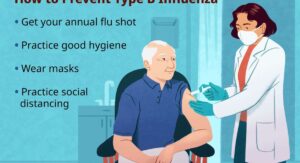
The symptoms of flu b are not dramatic in the way that makes people take them seriously immediately — they often start ambiguously, look like other things, and only declare themselves fully after you’ve already lost a day or two to denial. But when they land, they land hard. The fever, the aching, the fatigue that refuses to leave — none of it should be pushed through or minimized. Rest properly. Get tested early enough for antivirals to matter. Know the warning signs that mean escalation. And please, get the vaccine before flu season starts rather than after the symptoms of flu b have already introduced themselves to your household the hard way.
FAQ’s
Q1. How fast do symptoms of flu b show up after you’ve been around someone sick?
Usually one to four days — two being the most common. The cruel part is you’re already spreading the symptoms of flu b to others during that whole window before you feel anything. Not your fault. Just how this virus is built.
Q2. Is flu B actually different from flu A, or is that just a label?
The symptoms of flu b look almost identical to influenza A from the outside — fever, aches, exhaustion. Flu B tends to hit kids’ stomachs harder. A rapid nasal swab is genuinely the only way to know which one you have. Don’t guess.
Q3. Fever might skip some people – even with flu B?
One person could feel off yet run normal temps. Not every bug spikes heat. Body responses differ widely. Some fight it low-key, no spike needed.
True, especially among the elderly. Flu B might show up as crushing tiredness, sore muscles that won’t quit, yet no spike in body heat. When days feel heavy like illness during peak season, testing makes sense – fever or none. It could be the flu even if thermometers disagree.
Q4. Most times, fever stops after three days?
Body aches fade next, usually by day five. Cough lingers longer, sometimes up to two weeks. Energy returns slowly, not all at once. Some feel tired well past ten days. Recovery shifts person to person. Symptoms ease step by step, but full reset takes time.By days seven through ten, the fever lifts, so do the sharpest pains. Yet the cough sticks around, tiredness too – often because people resume routines too soon, well ahead of true recovery.
Q5. Were you contagious before your symptoms of flu b even started?
Almost certainly yes. The virus sheds from your body roughly 24 hours before the symptoms of flu b appear for you personally. Pre-symptomatic spread is a real, documented thing with influenza B — it’s not just theoretical.
Q6. Does Tamiflu actually do anything real for symptoms of flu b?
Within the first 48 hours — genuinely yes. Starting antivirals early reduces how severe the symptoms of flu b get and shortens the overall illness. After that window closes, the benefit drops off sharply. Early testing exists precisely so you don’t miss this.
Q7. Should I catch the flu after a shot, does it really shield me from flu B signs?
Year after year, it does the job fairly well. Built on predictions about which flu B strains will circulate widely. If people who got shots still get sick, symptoms usually aren’t so rough. Breathing problems or long bouts of fatigue show up far less frequently.
Q8. At what point should symptoms of flu b send you to an ER rather than just your regular doctor?
Breathing difficulty at rest, chest pain, mental confusion, or persistent inability to keep fluids down — any of those means go now, not in the morning. High-risk individuals should contact a doctor within the first 48 hours of symptoms of flu b appearing, full stop.
Summary
The symptoms of flu b arrive fast, hurt deeply, and take longer to fully clear than most people budget for — especially the fatigue, which has a habit of hanging around well past when everything else has resolved. Knowing the symptoms of flu b means knowing how they differ between kids, healthy adults, and elderly people, because this virus does not behave the same way across age groups. Act within 48 hours if antivirals are an option. Know the escalation signs. And treat the annual flu vaccine as the non-negotiable it actually is — because preventing the symptoms of flu b from starting is always going to be easier than recovering from them once they’ve arrived.