I still remember the afternoon I first brought a Sage Plant Spanish home from a weekend market in Seville — its narrow, silvery-green leaves shimmering in the Mediterranean afternoon heat, filling the air around me with a warm, resinous fragrance that was simultaneously earthy, camphor-like, and deeply calming. That single herb plant changed how I thought about growing fragrant herbs forever, because within just one growing season I had learned to read its moods entirely, diagnose its ailments accurately, and coax it into a genuinely productive and visually beautiful specimen that became the most-admired plant in my entire garden.
The sage plant Spanish, known botanically as Salvia lavandulifolia, is one of the most rewarding culinary and ornamental herbs a committed gardener can grow — but only when you truly and deeply understand its precise needs. This comprehensive guide covers everything from soil preparation and correct watering rhythms through to diagnosing yellow leaves, root rot, devastating fungal infections, bacterial and viral diseases, and the range of harmful microorganism-related soil issues that can silently destroy an otherwise healthy, well-established plant.
Master the Sage Plant Spanish and you unlock a remarkable herb that rewards patience, botanical knowledge, and consistent garden care.
Sage Plant Spanish Origins Exploring Its Rich Mediterranean Heritage
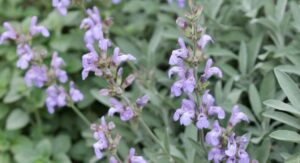
The sage plant Spanish originates from the rocky, sun-drenched limestone hillsides and dry scrublands of the Iberian Peninsula — primarily Spain and neighbouring southern France—where characteristically thin, alkaline, mineral-rich soils and intense ultraviolet exposure throughout the growing season shaped a naturally drought-tolerant, intensely aromatic perennial shrub over thousands of years of evolution. Understanding this wild, challenging native habitat in genuine detail is the single most important key to successfully replicating the precise environmental conditions your plant genuinely craves when you grow it in a domestic garden, raised bed, or container setting far from its Mediterranean homeland.
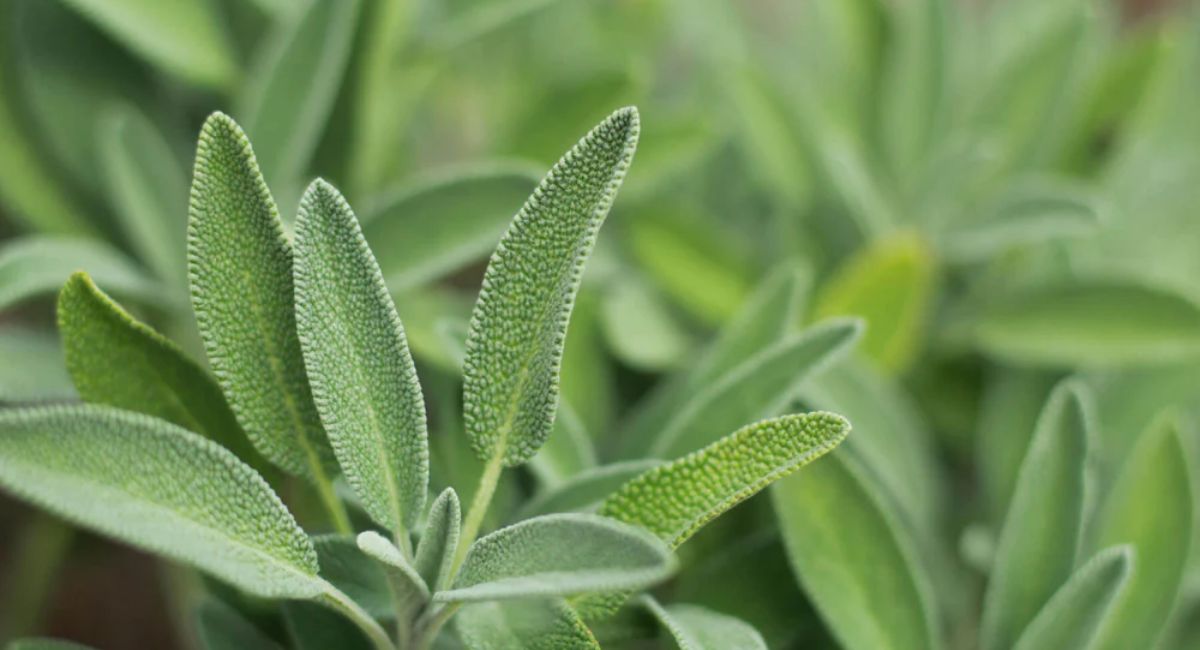
Unlike its more widely cultivated relative Salvia officinalis — the broad-leaved common garden sage familiar to most herb growers — the sage plant Spanish produces distinctly narrower, more lavender-like, silver-felted foliage and carries a markedly more camphor-forward aromatic profile that has been prized and actively used in traditional Spanish cuisine, folk medicine, and herbal therapeutics for many centuries. Its naturally compact growth habit, typically reaching between 30 and 60 centimetres in both height and spread at full maturity, makes it elegantly at home in formal herb gardens, informal cottage borders, terracotta containers on sunny terraces, or cascading beautifully over dry stone walls in a rock garden setting.
The botanical name Salvia lavandulifolia directly references the plant’s distinctive lavender-like leaf shape — lavandulifolia translating literally from Latin as “lavender-leaved” — which immediately distinguishes this species visually from other members of the enormous and diverse Salvia genus. This naming detail is practically useful too: it reminds growers that the cultural requirements of this plant closely parallel those of lavender, meaning full sun, sharp drainage, alkaline-leaning soil chemistry, and minimal supplementary watering are the foundation of successful cultivation.
Sage Plant Spanish Soil Preparation Building the Perfect Growing Foundation:
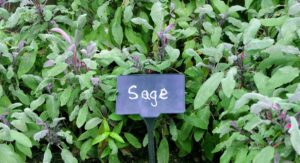
Providing rigorously correct soil conditions is genuinely non-negotiable when establishing a healthy, long-lived sage plant Spanish in your garden. This species demands outstandingly fast-draining, sandy or gritty loam with a soil pH sitting comfortably and consistently between 6.0 and 7.5 — from slightly acidic through to mildly alkaline. Soggy, compacted, or clay-heavy ground is categorically the fastest and most reliable way to invite devastating root rot and the proliferation of anaerobic soil-dwelling microorganisms and water moulds that cause rapid, irreversible crown decay and whole-plant collapse within a single growing season.
To create the ideal growing medium for Sage Plant Spanish, blend two generous parts of horticultural grit or coarse sharp sand with three parts quality loam-based potting compost. This mixture closely recreates the lean, mineral-rich soil conditions that Sage Plant Spanish naturally evolved within across Spain and southern France. Avoid nitrogen-heavy fertilisers completely because excessive nitrogen forces soft leafy growth that becomes highly vulnerable to aphids, fungal leaf spot, powdery mildew, and bacterial diseases thriving in dense moisture-retaining foliage.
When planting Sage Plant Spanish directly into garden borders, dig a hole roughly twice the width of the root ball and mix horticultural grit throughout the surrounding soil area rather than only inside the planting hole. This wider soil preparation allows water to drain efficiently away from the roots instead of collecting beneath the plant after rainfall. Proper drainage remains one of the most important long-term survival factors for Sage Plant Spanish, especially during colder wet seasons.
Applying a five-centimetre layer of coarse gravel mulch around the base further improves drainage while helping suppress weeds and reduce humidity near the lower stems where fungal problems commonly begin. Keep the gravel away from the central crown to avoid moisture buildup. With the correct soil structure, airflow, and drainage balance, Sage Plant Spanish develops stronger woody stems, healthier foliage, and greater resistance against disease pressure throughout the growing season.
| Care Factor | Ideal Condition | Common Problem Sign | Recommended Action |
| Sunlight | 6–8 hours full sun daily | Leggy, pale, floppy stems | Relocate to a south-facing position immediately |
| Watering | Deep, infrequent soaking only | Root rot from overwatering | Allow soil to dry fully between each session |
| Soil pH | 6.0–7.5 neutral to slightly alkaline | Interveinal yellowing of leaves | Amend with lime or sulphur as appropriate |
| Temperature | 15–30°C throughout growing season | Frost dieback below −5°C | Mulch crown deeply before first autumn frost |
| Humidity | Low to moderate, 40–60% | Powdery mildew on leaf surfaces | Improve plant spacing and overall airflow |
| Fertiliser | Dilute slow-release, low-nitrogen | Soft, disease-susceptible new growth | Use balanced 5-10-10 formula twice yearly only |
| Pruning | After flowering, trim by one-third | Woody, unproductive stembase | Hard prune into green wood in early spring |
| Repotting | Every two to three years containers | Root-bound stress and decline | Increase pot diameter by five centimetres each time |
| Pests | Weekly inspection under all leaves | Aphids, spider mites, whitefly | Apply neem oil spray or insecticidal soap solution |
| Diseases | Preventive copper fungicide annually | Botrytis, root rot, leaf spot | Copper-based spray applied at season commencement |
Sage Plant Spanish Watering Schedule Mastering Moisture Balance Perfectly:
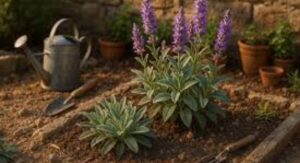
Correct watering rhythm is arguably the single biggest factor separating a thriving, long-lived specimen from a rapidly declining one. Water your herb deeply but genuinely infrequently, always allowing the top several centimetres of growing medium to dry out completely before returning with the watering can.
1. Deep Root Method:
Rather than providing shallow, frequent surface watering that keeps the upper soil layer perpetually moist and encourages surface rooting, soak the entire root zone of your herb deeply and thoroughly once or twice per week during summer, tapering off significantly through the cooler autumn and dormant winter months. Deep, thorough watering encourages roots to pursue moisture downward into lower soil layers, building exceptional structural resilience and substantially reducing the plant’s vulnerability to surface-dwelling bacterial and fungal microorganisms — particularly Pythium and Phytophthora species — that cause rapid crown rot and severe stem blight when surface soils remain persistently damp.
2. Seasonal Adjustment Tips:
A thriving herb specimen requires noticeably and deliberately different hydration management across the four seasons of the year. Spring and summer call for more regular watering as ambient temperatures rise steadily and active vegetative growth accelerates the plant’s water requirements considerably. From October onward, however, you must dramatically reduce watering frequency as the plant moves toward semi-dormancy. Excess soil moisture retained during the cooler autumn and winter months is the primary environmental trigger for devastating Phytophthora root rot infections and the grey mould disease caused by the ubiquitous fungal pathogen Botrytis cinerea, both of which can kill a well-established plant within weeks.
3. Container Drainage Essentials:
Container-grown specimens face a significantly elevated risk of waterlogging compared to border-grown plants, because drainage is entirely dependent on pot design rather than the natural percolation of garden soil. Always use terracotta or ceramic pots equipped with multiple generous drainage holes and elevate all containers on purpose-made pot feet or bricks to prevent drainage saucers accumulating standing water beneath them. Terracotta is far superior to plastic as a container material because its naturally porous walls actively and continuously wick excess moisture away from the root zone through evaporation, dramatically and reliably lowering the risk of anaerobic soil conditions that allow pathogenic microorganisms, bacteria, and water moulds to proliferate to damaging levels within the confined root environment.
Sage Plant Spanish Light Requirements: Maximising Sun Exposure for Growth:
This Mediterranean herb is an absolute sun-worshipper that genuinely and visibly suffers when positioned in shade or even partial shade for extended periods. Aim to position it where it receives a minimum of six — and ideally eight — hours of unobstructed, direct sunlight each day throughout the growing season.
1. Indoor Growing Strategies:
Cultivating this herb indoors is entirely and successfully achievable if you position the pot on the very brightest south- or west-facing windowsill available within your home throughout the year. During the shorter daylight hours of autumn and winter, supplement inadequate natural light levels by suspending a quality full-spectrum LED grow lamp directly above the plant, running it for fourteen to sixteen hours per day on an automatic timer. Without truly adequate daily light levels, plants rapidly grow spindly and floppy, develop characteristically pale or noticeably yellow leaves, and become disproportionately and chronically susceptible to damaging fungal infections including powdery mildew and the damping-off disease caused by soil-dwelling Pythium species.
2. Outdoor Placement Guide:
Outdoors, this sun-loving herb genuinely thrives when planted in open, unobstructed, south-facing borders or generously constructed raised beds where natural air circulation is consistently excellent throughout the day. Actively avoid planting this herb directly against solid walls, garden fences, or other structures that trap humid air around the foliage during cool, damp evenings, as stagnant moisture accumulating around the leaves and stems creates the ideal environmental conditions for Botrytis grey mould spores and bacterial leaf spot pathogens — particularly the damaging soil bacterium Pseudomonas cichorii — to rapidly colonise and spread destructively across the entire plant canopy.
3. Shade Stress Recognition:
A specimen receiving chronically insufficient daily light displays a very characteristic and recognisable set of stress signals that every grower should learn to identify quickly. These symptoms include noticeably elongated, floppy, and weak stems searching for light, significantly smaller-than-normal individual leaves, strongly muted silver-green leaf colouration due to reduced wax production, markedly diminished aromatic essential oil content, and substantially reduced overall vigour and growth rate. Leaves may additionally develop progressive yellow discolouration as chlorophyll synthesis falters in the absence of adequate photosynthetically active radiation. If your plant displays these stress symptoms, relocate it to a sunnier position immediately rather than attempting to compensate with additional fertiliser, which will worsen stress and attract pest pressure.
Sage Plant Spanish Disease Diagnosis Treating Fungal and Bacterial Infections:
Disease management is among the most critical and nuanced aspects of caring for any herb specimen. Knowing precisely how to identify fungal infections, bacterial diseases, and viral pathogens at the earliest possible stage is absolutely essential to saving a valuable, established plant before the damage becomes extensive and genuinely irreversible.
1. Powdery Mildew Treatment:
Powdery mildew — caused primarily by Erysiphe fungal species — appears as a characteristic, dusty white powdery coating spreading progressively across the upper surfaces of leaves. This fungal infection thrives most vigorously when warm days are immediately followed by cool, humid nights — a pattern that occurs most commonly during late summer and early autumn in temperate climates. Treat established infections promptly with a diluted solution of one part whole milk to nine parts clean water, applied generously to all affected foliage on a weekly basis, or use a certified organic sulphur-based fungicide product. Simultaneously improve airflow between plants by removing crowded stems and eliminate all visibly affected leaf material to prevent further spore dispersal.
2. Root Rot Warning Signs:
Root rot is genuinely the most insidious and destructive silent killer capable of destroying a well-established herb specimen with alarming speed and without adequate early warning. This devastating condition is caused primarily by the water-mould microorganisms Phytophthora and Fusarium species, which colonise and aggressively break down root tissue within waterlogged, oxygen-depleted soil.
The disease manifests initially as sudden unexpected wilting despite adequately moist soil, followed progressively by the characteristic appearance of yellow leaves across the lower canopy, and finally the discovery of brown, soft, mushy, foul-smelling root tissue when the plant is removed from its growing medium. At the earliest detectable stages, carefully remove the plant, cleanly trim all visibly diseased root sections, dust the remaining healthy roots with powdered sulphur, and repot into fresh, dry, gritty compost.
3. Bacterial Leaf Spot Control:
Bacterial leaf spot on this herb, caused by Pseudomonas and Xanthomonas bacterial species, presents visually as water-soaked, dark, irregularly shaped spots surrounded by distinctive yellow halos that gradually expand outward and progressively merge together as the infection advances across the leaf surface. These destructive bacterial pathogens typically enter plant tissue through physical wounds created by insect feeding, mechanical damage, or natural stomatal openings during extended periods of warm, wet weather. Control requires removing all visibly infected leaves immediately and disposing of them away from the garden, subsequently improving drainage and air circulation around the plant, permanently eliminating all overhead watering practices, and applying a quality copper-based bactericide solution according to the manufacturer’s recommended application rate and timing.
Sage Plant Spanish Yellow Leaves Causes, Diagnosis and Effective Treatment:
Yellow leaves appearing on a previously healthy specimen are never normal and always signal that something in the plant’s environment requires your immediate attention and correction — whether overwatering, nutritional imbalance, viral infection, or microorganism-driven soil degradation requiring specific and targeted treatment approaches.
1. Overwatering Leaf Yellowing:
Chronic overwatering is by far the most statistically common underlying reason why any herb gardener observes widespread yellowing developing across their plant’s foliage. Consistently waterlogged soil creates persistently oxygen-depleted, anaerobic growing conditions that actively encourage pathogenic soil microorganisms — particularly destructive Pythium and Phytophthora water mould species — to colonise the root zone and systematically disrupt the plant’s ability to absorb water and essential nutrients from the surrounding growing medium.
Characteristic yellowing symptoms appear first and most visibly on the oldest, lowest leaves at the base of the plant, then gradually progress upward through the canopy as root damage worsens. Reduce watering frequency immediately upon noticing these symptoms, dramatically improve growing medium drainage, and seriously consider complete repotting into fresh, dry, gritty compost.
2. Nutrient Deficiency Yellowing:
Iron deficiency and magnesium deficiency both cause distinctive and diagnostically useful interveinal yellowing patterns in the foliage — a condition where leaf veins remain clearly and definitively green while all the tissue between them fades progressively to a pale yellow or washed-out lime-green colour.
Importantly, this characteristic pattern most commonly results from an incorrect growing medium pH actively locking out otherwise available soil nutrients from plant uptake, rather than an actual physical shortage of those nutrients within the soil itself. Test your soil or compost pH accurately using a reliable pH meter and adjust accordingly. Apply a chelated iron foliar feed for acidic soils or incorporate dolomite lime for excessively acidic conditions, and you should observe clear and visible improvement returning to the foliage within approximately two to three weeks of correct treatment.
3. Viral Infection Identification:
Plant viruses — most notably cucumber mosaic virus (CMV), which is fully capable of infecting and severely damaging this herb species — cause highly distinctive mosaic-pattern yellowing, irregular chlorotic mottling, puckered or visibly distorted and misshapen leaves, and chronically stunted overall growth that absolutely no amount of adjusted watering, improved drainage, or supplementary fertiliser application will ever successfully remedy.
Viruses are transmitted with devastating efficiency by sap-sucking insects, principally and most commonly aphids, which carry viral particles from infected neighbouring plants on their mouthparts during normal feeding activity. There is no chemical treatment or cure available for established viral infections in plants. Remove and destroy all infected plant material immediately and completely to prevent viral spread, sanitise every tool used with isopropyl alcohol solution, and implement rigorous aphid population control across all remaining garden plants.
Sage Plant Spanish Pruning Secrets Keeping Plants Bushy and Productive:
Regular, correctly timed, and appropriately executed pruning is genuinely what keeps a specimen bushy, productive, aromatic, and attractive across multiple growing seasons. Improper pruning — especially cutting too aggressively into old, grey, leafless woody stems — can fatally damage this species within a single season.
1. Spring Renewal Pruning:
In early spring, as the first flush of new vegetative growth begins emerging visibly from the base and lower sections of established stems, prune your herb back by approximately one-third of its current total size and height. This timely, moderate pruning stimulates a dense, vigorous flush of fresh, resin-rich, aromatic new foliage and reliably prevents the plant from becoming progressively woodier, more open, and increasingly less productive with each successive growing season. Always use clean, genuinely sharp, properly maintained secateurs for all pruning tasks — blunt or contaminated blades crush and tear stem tissue rather than cutting cleanly, creating ragged wounds that provide ideal entry points for bacterial pathogens causing dieback, canker disease, and crown rot.
2. Post-Flowering Deadheading:
After the herb completes its spectacular summer flowering cycle — typically occurring between June and August in northern hemisphere temperate gardens — systematically deadhead all spent and browning flower spikes and lightly trim back the flowered stem sections by approximately five to ten centimetres beyond the last viable leaf node. This valuable secondary pruning operation effectively redirects the considerable energy the plant would otherwise invest in seed maturation back into the more agriculturally and ornamentally valuable production of aromatic new leaf growth, meaningfully extending the productive and visually attractive harvest season well into the earlier weeks of autumn and improving both the plant’s overall physical appearance and its aromatic essential oil concentration considerably.
3. Avoiding Woody Dieback:
The single most critical and non-negotiable pruning rule for any gardener growing this Mediterranean herb is an absolute prohibition on cutting back into truly old, mature, grey, leafless woody stems at the base of the plant that show no visible, accessible signs of living green tissue anywhere along their length.
Unlike many other garden shrubs that regenerate vigorously from old wood after hard pruning, this particular sage species does not reliably or predictably regrow from truly aged woody tissue. Cutting too deeply and aggressively into the woody base typically results in the permanent, unrecoverable dieback of entire primary branches or, in the most severe cases of overly aggressive pruning, the total death of the entire plant. Always prune to a point where living green tissue is clearly and confidently visible immediately below your cut.
Sage Plant Spanish Pest Problems Identifying and Controlling Destructive Insects:
- Aphid colonies cluster densely beneath leaves, sucking sap and spreading multiple viral diseases rapidly between nearby plants.
- Spider mites build fine, dusty webbing across stems and cause characteristic stippled bronze leaf discolouration in hot, dry conditions.
- Whitefly larvae feed persistently on leaf undersides, excreting sticky honeydew that encourages damaging sooty mould fungal growth.
- Thrips rasp leaf surfaces causing distinctive silvery streaking damage and distorted, tightly curled new growth on affected specimens.
- Vine weevil grubs attack roots underground invisibly, causing sudden dramatic collapse of otherwise apparently healthy, established plants.
Inspecting your sage plant Spanish foliage at least once weekly — particularly during warm, humid weather — is the most reliable way to catch both pest infestations and early disease symptoms before they escalate to plant-threatening severity.
Sage Plant Spanish Companion Planting Enhancing Garden Biodiversity and Yield:
- Plant alongside rosemary and lavender to create a thriving, low-maintenance, drought-tolerant Mediterranean herb garden grouping together.
- This aromatic herb effectively repels cabbage white butterflies when interplanted carefully among brassica vegetables throughout the entire growing season.
- Positioning near tomatoes deters aphid colonisation and improves neighbouring plant vigour through continuous aromatic volatile oil compound release.
- Avoid planting directly beside cucumbers or fennel — these companions actively suppress each other’s growth through allelopathic chemical competition.
- The attractive summer flowers draw beneficial pollinators including bumblebees and hoverflies that naturally reduce garden pest populations considerably.
Conclusion
Growing a genuinely healthy, beautifully productive sage plant Spanish specimen is a profoundly rewarding long-term horticultural pursuit when you consistently respect its Mediterranean evolutionary origins — providing sharp drainage, uncompromising full sun exposure, restrained and infrequent watering rhythms, and genuinely proactive disease identification and management throughout the year. With the right foundation of knowledge and consistent applied care, this remarkable herb will reward your investment with fragrant, bountiful harvests and outstanding ornamental beauty across every season for a decade or considerably more.
FAQ’s
Q1. What is the best soil for sage plant Spanish cultivation?
The best soil for Sage Plant Spanish cultivation is well-draining, sandy, nutrient-rich soil with moderate fertility.
Q2. Why are my sage plant Spanish leaves turning yellow suddenly?
Sage Plant Spanish leaves often turn yellow from overwatering, poor drainage, nutrient deficiencies, or inadequate sunlight.
Q3. How often should I water sage plant Spanish during summer heat?
Water Sage Plant Spanish deeply once or twice weekly during summer, depending on heat and soil moisture.
Q4. What fungal diseases most seriously threaten sage plant Spanish health?
Sage Plant Spanish is most threatened by powdery mildew, root rot, and fungal leaf spot diseases.
Q5. Can sage plant Spanish survive outdoors during cold winter months?
Sage Plant Spanish can survive winter outdoors in mild climates with proper protection and well-drained soil.
Q6. How do I successfully treat root rot in my sage plant Spanish?
Treat Sage Plant Spanish root rot by improving drainage, reducing watering, and removing damaged roots promptly.
Q7. Is sage plant Spanish identical to common culinary garden sage?
Sage Plant Spanish differs from common culinary sage in appearance, growth habits, and environmental preferences.
Q8. How should I safely prune sage plant Spanish without causing permanent dieback?
Prune Sage Plant Spanish lightly above healthy growth, avoiding excessive cuts into old woody stems.
Q9. Which insects most commonly damage sage plant Spanish in garden settings?
Sage Plant Spanish is commonly damaged by aphids, spider mites, whiteflies, and leaf-feeding caterpillars.
Summary
The sage plant Spanish is a magnificent, exceptionally long-lived Mediterranean herb that consistently rewards dedicated gardeners who invest time in genuinely understanding its specific cultural requirements and health needs. From choosing the right fast-draining, gritty, alkaline-leaning soil and establishing the plant in full sun, through to accurately recognising the early symptoms of powdery mildew, bacterial leaf spot, root rot, yellow leaf discolouration, and destructive viral infections — growing success with this beautiful herb is entirely within reach for any informed and observant gardener.
Prioritise outstanding drainage above everything else, strictly limit nitrogen fertilisation, prune sensibly and seasonally into green wood only, and monitor diligently for both insect pest pressure and early disease development throughout the year. Grow the sage plant Spanish with the right knowledge and remember that every sage plant Spanish specimen you cultivate and consistent applied care, and it will stand as the finest and most productive herb in your entire garden collection for many years to come.