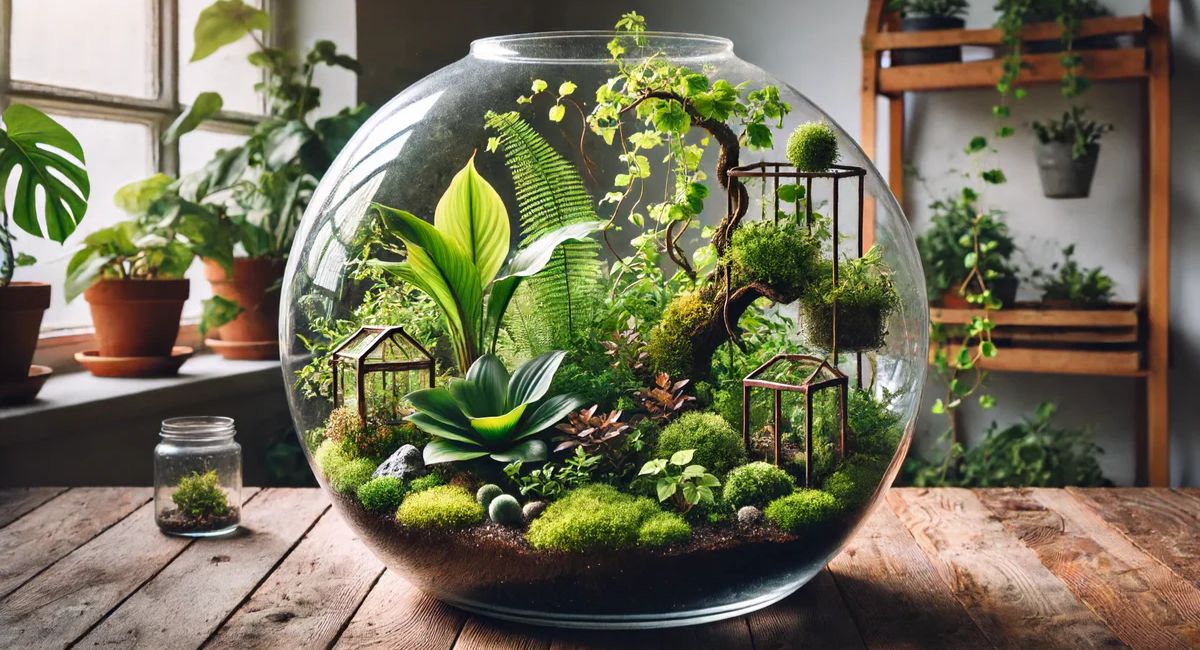
Terrarium plants occupy this fascinating middle ground between indoor houseplants and outdoor gardening — they’re small enough to live inside a glass vessel, but complex enough that the enclosed environment creates its own microclimate with specific humidity dynamics, limited airflow, and soil conditions that behave very differently from a standard garden pot. Choosing the right moss terrarium ideas matters enormously, but it’s only half the equation. Understanding what happens inside that glass — why fungal infections develop, why leaves yellow, what root rot looks like in a tiny closed container — is the other half that most beginner guides simply don’t cover.
This guide is built around real problems real growers encounter. Not a list of “top ten easy plants” you’ve already seen everywhere, but a genuine deep-dive into how terrarium plants behave, what goes wrong in the enclosed environment, how diseases and microorganisms spread in glass-contained soil, and what you can actually do about each problem before it wipes out everything you’ve spent weeks building inside that jar.
Whether building your first closed terrarium or fixing problems, this terrarium plants guide explains biology, issues, and effective growing solutions.
Terrarium Plants Basics That Most Guides Skip Over:
The first thing worth understanding about terrarium plants is that the enclosed glass environment changes everything about how plant care works. Humidity doesn’t escape the way it does in an open pot. Water doesn’t evaporate at the same rate. Carbon dioxide and oxygen cycle within a limited space. Fungal spores that would disperse harmlessly in open air instead stay suspended in the same microclimate, finding the same leaf surfaces again and again.
One detail often overlooked? How open versus closed terrariums aren’t interchangeable. Though they look similar at a glance, their inner climates shape everything – from which plants survive to how often you act. Humidity lovers thrive where lids trap dampness, relying on steady shade and rare top-ups, thanks to nature looping water back around. Meanwhile, spiky types stretch best under bright exposure, left alone until the soil cracks – air moves freely there, so wet spells must stay short.
Terrarium Plants Watering The Rule That Changes Everything:
Overwatering is the single most common and most destructive mistake in terrarium plants care — and the enclosed glass environment makes it especially dangerous because excess moisture has almost nowhere to go. In an open garden pot, overwatered soil at least benefits from surface evaporation and some airflow around the container. Inside a closed terrarium, that excess moisture stays trapped, recycles through condensation on the glass walls, and keeps the substrate saturated far longer than the roots can tolerate.
Watering closed moss terrarium ideas goes against instinct – give just a little, then hold off well beyond what seems natural. Only after weeks might they need another drink, sometimes even months pass untouched when the system runs smoothly. Watch how droplets behave: faint mist in the morning vanishing by noon means things are balanced. If wetness clings thickly to the sides all through daylight, there’s excess damp paired with weak lighting.
Practical tip: when adding water to a closed terrarium, use a long-neck watering can or spray bottle and aim for the soil rather than the leaves. Keeping foliage dry inside the enclosed microclimate dramatically reduces the fungal leaf spot risk that plagues so many moss terrarium ideas collections.
Terrarium Plants Full Quick-Reference Care Guide Table:
| Care Factor | Best Practice | Common Mistake | What Happens |
| Container type | Match to plant moisture needs | Mixing open and closed types | Wrong humidity, plant stress |
| Watering | Minimal — read condensation cues | Regular watering like houseplants | Root rot, mold, plant collapse |
| Drainage layer | Gravel + activated charcoal base | Skipping drainage entirely | Water pooling, anaerobic soil |
| Soil type | Match to plant group (moss, cactus) | Generic potting mix for all | Wrong drainage, disease risk |
| Light | Bright indirect — avoid direct sun | Direct sun through glass | Overheating, leaf scorch, death |
| Plant selection | Same humidity and light needs | Mixing succulents with mosses | One group always suffers |
| Ventilation | Brief daily opening for closed types | Fully sealed with no air exchange | Bacterial buildup, rot, disease |
| Fertilizing | Rarely — diluted, once per year max | Regular fertilizing schedule | Overgrowth, system imbalance |
| Pruning | Regular trimming of dead material | Leaving dead leaves to decompose | Fungal disease source and spread |
| Glass cleaning | Wipe inner walls periodically | Ignoring algae and mold growth | Algae spreads, aesthetics worsen |
Terrarium Plants Diseases Fungal Infections in Enclosed Spaces:
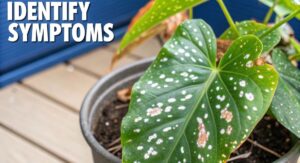
Fungal disease is the most serious ongoing threat to terrarium plants, and the enclosed glass environment makes it significantly harder to manage than in open garden settings. Spores that land on a leaf in your garden might disperse on the next breeze. Inside a terrarium, those same spores stay suspended in the same warm, humid air, settling repeatedly on the same leaf surfaces until conditions favor germination. Understanding which fungal pathogens target moss terrarium ideas most commonly — and what early intervention looks like — is one of the most practical skills a terrarium grower can develop.
1. Gray Mold:
That fuzzy gray stuff on terrarium plants? Most often it’s Botrytis cinerea, a common fungus. Found especially where air barely moves and moisture hangs heavy. Looks like soft ash dusted over leaves, stems, or old bits resting on the dirt. Loves chilly damp spots – think sealed containers with zero airflow. Take out sick parts fast, using clean tools every time. Crack the lid open now and then to let fresh air wander through. Pour less water until things look normal again. Forget one tiny rotten leaf, watch how quick the whole mess spreads.
2. Root Rot Fungus:
Most times, root rot strikes moss terrarium ideas thanks to sneaky water molds like Pythium or Phytophthora taking hold in soggy growing mix. With roots out of sight deep inside closed setups, what happens up top gives the clues – pale lower leaves, drooping stems even though dampness is clear, and a sharp, off odor rising once you gently poke down into the soil zone. When several greenery bits within one container display trouble together, chances are high the base has turned too wet overall, meaning it might take pulling everything apart to swap in new filler for better flow.
3. Algae Overgrowth:
Algae isn’t a fungal disease, but it behaves like one in the context of moss terrarium ideas management — it spreads across soil, glass, and plant surfaces in green, brown, or black films when light levels are too high combined with consistently wet substrate conditions. While algae itself doesn’t directly kill plants, it competes for nutrients, blocks light from reaching lower plant material, and creates surface conditions that encourage true fungal and bacterial pathogens as secondary infections. Reducing direct sun exposure, lowering moisture levels, and manually removing algae growth with a cotton swab keeps it from overtaking the carefully designed aesthetics and plant health of your terrarium.
Terrarium Plants Yellow Leaves What They’re Signaling:
Yellow leaves inside a terrarium confuse a lot of growers because the enclosed environment makes diagnosis harder — you can’t easily unpot and inspect roots, and the condensation patterns on the glass can make it difficult to accurately judge whether the soil is too wet or just right. But terrarium plants yellow for specific reasons, and learning to read the pattern — which leaves, which part of the plant, how quickly it’s spreading — usually points clearly to the underlying cause without needing to dismantle the whole setup to investigate.
Excess Moisture:
Yellowing near the bottom of moss terrarium ideas often points to too much moisture – older leaves soften, fade, then fall one by one. Fog clings to the sides without fading when daylight hits, while dampness lingers on top of the soil despite no recent watering. Let everything stay dry now, open the cover slightly so air moves through easier, helping excess vapor escape. If more leaves above begin changing color anyway, it might be time to take apart parts of the setup carefully, checking each level beneath for trapped water or decay starting out of sight.
Insufficient Light:
Light deficiency produces a distinctly different yellowing pattern in moss terrarium ideas — the leaves don’t turn fully yellow so much as they become washed out, pale, and slightly translucent, losing the rich green saturation they had when the terrarium was newer. New growth comes in smaller and lighter than established leaves. If you’re also seeing etiolation — where plants start stretching awkwardly toward the light source — it confirms that light rather than moisture is the primary issue. Moving the terrarium gradually closer to a bright window over one to two weeks usually reverses early light deficiency before permanent damage occurs.
Bacterial Infections:
Bacterial soft rot affecting moss terrarium ideas — most commonly caused by Erwinia species — produces a specific kind of yellowing that looks waterlogged and slimy rather than dry and papery. The affected tissue collapses quickly, turning mushy and foul-smelling as bacteria break down cell walls. Unlike fungal infections that spread gradually, bacterial rot can move through a small terrarium plant within days once it establishes. Removing every trace of affected tissue with sterilized tools, improving ventilation significantly, and treating the surrounding soil with a diluted hydrogen peroxide solution to kill remaining bacterial colonies gives the remaining plants their best chance of survival.
Terrarium Plants Root Rot Catch It Before It Spreads:
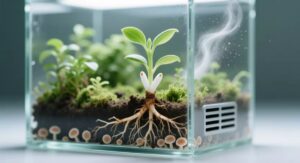
Root rot is particularly challenging to manage in terrarium plants because the confined glass space makes early detection much harder than in standard pots. You can’t lift the container and smell the drainage hole, can’t easily feel whether roots are firm or mushy, and the beautiful visual arrangement of the terrarium makes most growers reluctant to disassemble everything to investigate. But root rot in a terrarium spreads faster than in open containers — the shared substrate means a pathogen that starts in one plant’s root zone can move through the entire drainage and soil layer to reach neighboring plants within weeks.
1. Warning Signals:
Smell comes first. If opening your sealed terrarium brings out a sharp, sour odor instead of fresh damp soil, something has shifted beneath. That stink means microbes thrive without oxygen, breaking things down where roots should be safe. See droopy leaves or pale green tips even though walls stay fogged with moisture? Then watch closer. Soil that stays soggy long after watering stops adds another clue. Three signs at once – funk, limp growth, wet ground – point under the surface, where damage spreads unseen.
2. Partial Rebuild Method:
When root rot is confirmed in moss terrarium ideas the most effective intervention is usually a partial rebuild — carefully removing the most affected plants, replacing the saturated substrate in the immediate area with fresh dry material, and rebuilding the drainage layer where water logging has occurred. Sterilize any tools that contact affected soil before using them elsewhere in the container. Dust roots of removed plants with cinnamon or powdered sulfur, allow them to air-dry for 24 hours before replanting, and withhold all watering for at least two weeks after the rebuild to allow the substrate to reach appropriate moisture levels.
3. Drainage Layer Importance:
The drainage layer is the single most important structural element in preventing root rot in any moss terrarium ideas setup. A base layer of washed gravel or LECA balls — typically one to two inches deep — creates a reservoir space below the substrate where excess water collects without staying in direct contact with roots. A thin layer of activated horticultural charcoal between the gravel and soil serves double duty: it absorbs toxic gases produced by decomposing organic matter, and it has mild antimicrobial properties that inhibit the bacterial and fungal microorganism populations that cause most root rot cases in confined terrarium environments.
Terrarium Plants Pests and Hidden Microorganism Threats:
The warm, humid microclimate inside a terrarium is genuinely comfortable — for plants when conditions are right, and unfortunately for a range of tiny pests and microorganisms when conditions tip slightly wrong. Terrarium plants are vulnerable to several specific pest pressures that behave differently in enclosed glass environments than they do in open garden settings, largely because the terrarium’s contained space both concentrates the problem and limits the intervention options available to the grower.
1. Fungus Gnats:
Fungus gnats are probably the most universally complained-about pest in terrarium plants collections. The adult gnats are harmless annoyances — tiny dark flies hovering around the glass — but their larvae live in the top layer of moist soil and feed on organic matter, fungal hyphae, and fine root tissue. In a small terrarium with limited root mass, gnat larvae damage can be genuinely significant.
2. Springtail Benefits:
Little white or gray bugs living in soil might startle someone tending plants indoors. Yet these critters, called springtails, do more good than harm inside glass enclosures. Instead of damaging life, they clean up rotting bits, feast on fuzzy molds, and take down fungus patches hiding beneath. Their eating habits keep troublesome microbes in check – exactly what sealed plant boxes often struggle with. Some people building such ecosystems add these tiny helpers on purpose when starting fresh. Over time, the creatures spread quietly, adjusting microbial activity before visible mold ever gets a chance to form.
3. Mite Infestations:
Spider mites and soil mites both occasionally appear in moss terrarium ideas collections, though their behavior and impact differ significantly. Spider mites — visible as tiny moving dots, often with fine webbing — damage leaf tissue by piercing cells and extracting contents, leaving pale stippling marks across affected leaves. Soil mites are mostly harmless decomposers that work through organic matter in the substrate layer. Spider mite infestations inside a terrarium are particularly frustrating because chemical pesticide sprays are generally too harsh for the enclosed environment.
Terrarium Plants Types That Thrive in Closed Containers:
- Mosses — including cushion moss, sheet moss, and mood moss — are among the most naturally suited terrarium plants for closed setups, thriving in the high humidity and low light conditions that closed glass containers provide consistently throughout the year.
- Nerve plants (Fittonia) are spectacular moss terrarium ideas with their intricate red and white leaf veining, and they genuinely love the warm, humid, stable microclimate of a properly maintained closed glass terrarium without needing much intervention from the grower.
- Miniature ferns including maidenhair fern and button fern are classic moss terrarium ideas choices for closed containers — they get the consistent humidity their fronds need without the grower having to mist them daily the way open-air fern care typically requires in most home environments.
- Peperomia varieties with their compact growth habits and tolerance for moderate humidity make excellent moss terrarium ideas for semi-open containers, bridging the gap between moisture-loving and drought-tolerant species that can be difficult to successfully combine in one enclosed setup.
- Creeping fig (Ficus pumila) works beautifully as a ground-cover moss terrarium ideas option, spreading across the substrate and climbing glass walls with its tiny leaves — though it grows vigorously and needs regular trimming to keep it from overwhelming smaller companion plants inside the container.
Terrarium Plants Mistakes That Destroy Beautiful Setups:
- Skipping the drainage layer entirely is the structural mistake that leads to more failed terrarium plants setups than anything else — without that gravel base separating roots from pooled water, every single watering event moves the substrate one step closer to the anaerobic, pathogen-rich conditions that cause total root system collapse.
- Placing a closed terrarium in direct sunlight seems logical — plants need light, after all — but the glass acts as a magnifying lens that raises internal temperatures far beyond what most moss terrarium ideas can tolerate, cooking roots, scorching leaves, and creating conditions where heat-stress and fungal disease compound each other simultaneously.
- Using garden soil instead of a proper terrarium substrate is a mistake that introduces a full ecosystem of outdoor microorganisms — including pathogenic bacteria, fungal spores, insect eggs, and nematodes — into a tiny enclosed glass container where those same microorganisms have nowhere to disperse and can overwhelm moss terrarium ideas quickly.
- Never removing dead leaves and plant debris from inside a closed terrarium is essentially leaving a food source for fungal and bacterial pathogens — decaying organic matter inside the warm, humid glass environment becomes a perfect growth medium for the mold colonies that eventually spread to still-living moss terrarium ideas nearby.
- Choosing plants based purely on size and appearance without checking their humidity and light compatibility is how most beginner moss terrarium ideas collections end up as a collection of struggling, competing species — each one being denied the specific conditions it needs by the requirements of another plant sharing the same limited glass space.
Conclusion
What I’ve learned after years of building, breaking, and rebuilding terrarium plants setups is that the glass container isn’t the forgiving environment it looks like from the outside. It’s an amplifier — it magnifies every decision you make about watering, light, plant selection, and drainage. Get those fundamentals right and the enclosed space works beautifully for you, cycling moisture, stabilizing humidity, and letting your moss terrarium ideas grow in a genuinely self-sustaining way. Get them wrong and the same enclosed space amplifies every mistake, trapping moisture, concentrating pathogens, and quietly destroying weeks of careful work. The difference between those two outcomes is understanding — and now you have it.
FAQ’s
Q1. How often should I water my terrarium plants?
Closed terrarium plants rarely need watering — every two to four weeks at most, sometimes less. Read the condensation on the glass walls instead of using a schedule. Light morning condensation that clears by afternoon means moisture levels for your moss terrarium ideas are right where they should be.
Q2. Why are my terrarium plants turning yellow?
Yellow terrarium plants usually signal overwatering, insufficient light, or early root rot. Soft yellow leaves with damp soil point to excess moisture. Pale, washed-out yellowing with firm leaves usually means light deficiency. Both are correctable early — the key is diagnosing the right cause before intervening incorrectly.
Q3. What causes mold in terrarium plants setups?
Mold in terrarium plants containers almost always comes from excess moisture combined with poor ventilation and decaying organic material. Remove dead leaves promptly, crack the lid briefly each day, and reduce watering. Introducing springtails provides natural biological control against the fungal microorganisms that fuel persistent mold growth.
Q4. Do terrarium plants need fertilizer?
Terrarium plants rarely need fertilizing — at most once per year using a very diluted balanced liquid fertilizer. Over-fertilizing causes rapid overgrowth that disrupts the enclosed system’s balance and can actually destabilize the carefully maintained conditions that keep your moss terrarium ideas healthy long-term.
Q5. How do I treat root rot in a terrarium?
When root rot affects terrarium plants, carefully remove the affected plant, trim all mushy dark roots, dust cuts with cinnamon, and air-dry for 24 hours before replanting in fresh substrate. Rebuild the drainage layer if it shows waterlogging — that structural fix prevents moss terrarium ideas root rot from recurring.
Q6. Can I mix succulents with other terrarium plants?
Mixing succulents with humidity-loving terrarium plants like ferns or mosses almost always fails — each group requires fundamentally different moisture levels. Keep succulents in open terrariums with dry conditions and good airflow; reserve closed containers for moisture-loving moss terrarium ideas that genuinely benefit from the humid enclosed microclimate.
Q7. What light is best for terrarium plants?
Bright indirect light works best for most terrarium plants — avoid placing any glass terrarium in direct sunlight, which heats the interior far beyond what plants can tolerate. An east-facing window or positioning one to two feet from a bright south or west-facing window gives moss terrariums excellent light without overheating risk.
Q8. Are springtails harmful to terrarium plants?
Springtails are actually beneficial to terrarium plants — not harmful. They feed on mold, decaying organic matter, and fungal growth in the substrate, acting as natural biological housekeepers. Many experienced builders deliberately add springtail cultures when setting up new closed moss terrarium ideas containers to maintain healthy microorganism balance from the start.
Summary
Successful terrarium plants care comes down to understanding the glass container as an environment with its own rules — rules that differ significantly from standard houseplant care. Water less than instinct says, choose plants whose moisture and light needs genuinely match, build proper drainage from the first layer up, and stay attentive to the early signals of fungal disease, root rot, and bacterial infection before they cascade through the entire enclosed system.