My first wandering jew plant came from a neighbour’s garbage bag. I had the most ridiculously lush, trailing purple plant I had ever grown, and I have been a little obsessed with it ever since.Over the years I have killed it twice (both times from overwatering, both times my fault entirely), propagated it probably fifty or sixty times, gifted cuttings to almost everyone I know, and genuinely learned more about indoor plant care from this one species than from any book I have read on the subject. It teaches you things.
Here is the thing about the wandering jew plant that nobody really warns you about — it is almost too easy to grow. You put a cutting in a glass of water, forget about it, check back in ten days, and there are roots. You snap off a vine, press it into some soil, and it just… takes. It is the kind of plant that makes you feel like a far better gardener than you probably are, and there is nothing wrong with that whatsoever.Everything is drawn from real experience, not textbooks.
If your wandering jew plant looks sad, leggy, or unhealthy, every answer you need to revive it is right here.
Why the Wandering Jew Plant Beats Most Other Houseplants:
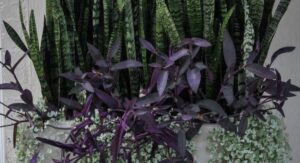
I have grown a fair few houseplants at this point — pothos, monsteras, peace lilies, a string of pearls that I killed within three weeks — but nothing quite compares to the wandering jew plant when it comes to the ratio of effort to reward. You give this plant maybe five minutes of attention a week and it repays you with long, sweeping vines of purple and silver that genuinely stop people mid-sentence when they walk into the room.
What sets the wandering jew plant apart even further is how completely forgiving it is when life gets in the way. Miss a watering? Fine — comes back. Stick it in a darker corner for a month while you rearrange the room? It will look a bit pale but it will survive. Move house, report it badly, forget to feed it all winter? Still there. I do not say this to encourage neglect, because it genuinely does better with some care — but as far as error margins go, few plants are this tolerant, and that matters a lot more than most gardening guides acknowledge.
Wandering Jew Plant Basic Care That Actually Works Consistently:
Most of the wandering jew plant care advice out there reads like it was written by someone who has never actually grown one. “Water moderately.” “Provide adequate light.” Thanks, genuinely helpful. What I can tell you from years of growing this plant is that the single most important thing you can do is sort out your watering — specifically, stop watering on a schedule and start checking the soil instead. Stick a finger an inch into the compost. If it feels moist at all, put the watering can down and come back in two days. The wandering jew plant wants its roots to breathe between drinks.
Bright indirect light is the sweet spot — a metre or so from a window that gets a good chunk of the day, without direct harsh sun burning the leaves. Too little light and the plant stretches, goes pale, and loses that gorgeous purple entirely. Too much direct afternoon sun and the leaves scorch and curl. It sounds like a narrow window but it really is not — most well-lit rooms suit this plant without any adjustments at all.
| Care Factor | What Actually Works | What Goes Wrong | How to Fix It |
| Light | Bright indirect, near a window | Direct midday sun scalds leaves | Hang a sheer curtain or move back 1–2 ft |
| Watering | When top inch is dry (roughly weekly) | Watering on a fixed daily schedule | Finger-test soil before every single watering |
| Humidity | Around 50–70% is ideal | Dry air from heaters in winter | Pebble tray with water under the pot |
| Temperature | 15–27°C / 60–80°F year-round | Cold windowsill drafts in winter | Move away from single-glazed glass |
| Soil Mix | Light, free-draining potting mix | Dense clay-heavy compost holds water | Add 25–30% perlite to any standard mix |
| Feeding | Liquid feed monthly, spring to summer | Feeding during winter dormancy | Stop feeding October, restart in March |
| Pot Size | Slightly snug — roots like company | Massive pot for a small plant | Only size up by one pot diameter at a time |
| Pruning | Pinch tips every 3–4 weeks | Never trimming, letting it get straggly | Cut back leggy stems by a third, reshaping helps |
| Propagation | Fresh green stem tips in water | Using old woody base stems | Always take cuttings from new growth tips |
| Common Pest | Healthy humid leaves deter most pests | Ignoring early webbing under leaves | Neem oil spray, repeat every 5 days, 3 rounds |
Light Placement for Wandering Jew Plant Vivid Colour Results:
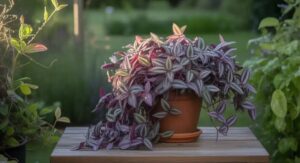
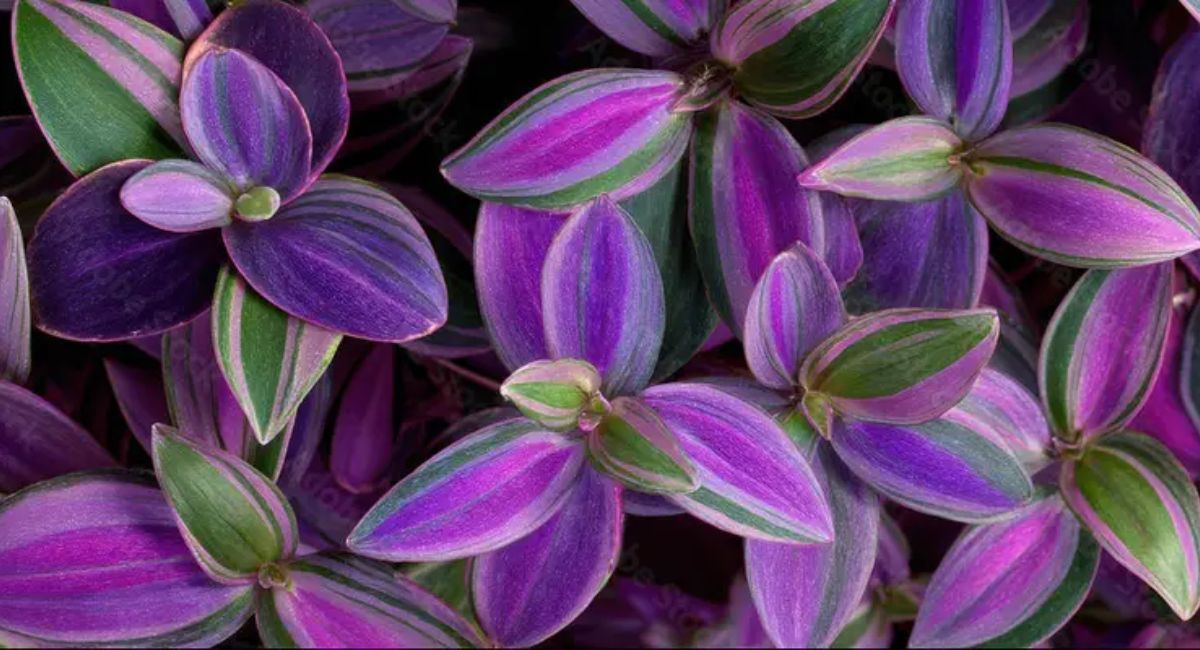
The colour of a wandering jew plant is directly tied to how much light it gets — and I mean this in a way that is almost shockingly obvious once you have seen it happen. Move it to a brighter spot and watch purple come flooding back into leaves that had gone green and dull over a few dim winter weeks.
1. Indoor Light Tips:
You get softer morning or late afternoon sun without the intensity that a south-facing spot delivers in summer. A sheer curtain on a south window works just as well, diffusing the light nicely. My best-looking specimens have always sat about two feet back from a west-facing window — deep purple tops, silver stripes crisp and clean on every single leaf.
2. Outdoor Shade Guide:
Taking a wandering jew plant outside for the warmer months genuinely transforms it — the growth rate doubles, colours deepen, and the whole plant thickens up noticeably. But shelter matters. Under a tree canopy, on a shaded porch, or beside a wall that blocks afternoon sun — these are the spots that work. Full sun all day bakes it, fades the leaves, and stresses the plant badly in warmer climates, so protect it.
3. Low Light Warning:
A wandering jew plant in genuinely low light — deep in a room, far from any window — will not die immediately but it will slowly fall apart. Vines stretch out thin and long between leaves, the purple fades to a washed-out green-grey, and eventually the stems become too weak and bare to look good. If this is happening to yours, do not wait. Move it closer to light within a week and the new growth will tell you immediately whether the spot is better.
Watering the Wandering Jew Plant Right Every Single Time:
Here is what I tell every single person who asks me why their wandering jew plant is dying: before you change anything else — soil, pot, position — look at your watering. Nine times out of ten, that is where the problem is hiding, and it is almost always too much rather than too little.
1. Soil Check Habit:
Before every single watering, push one finger into the soil of your wandering jew plant down to about the first knuckle. If you feel any moisture at all — close the watering can and walk away. Come back in two days and check again. This habit, done consistently, prevents more plant deaths than any other single piece of care advice. It takes three seconds and saves the plant from the silent rot that kills roots before the leaves even look ill.
2. Winter Water Reduction:
It is not fully dormant but it is not pushing hard growth either, which means it uses water at maybe half the rate it does in summer. Keep watering on the same schedule and the soil stays wet far longer than the roots can handle. Switch to watering every two weeks in winter, check the soil each time, and your plant will come through the cold months looking far healthier than it would have otherwise.
3. Water Quality Tip:
Brown tips on a wandering jew plant that is otherwise healthy and well-watered — that is often the water itself. Hard tap water carries fluoride and chlorine that build up in the soil over time and show up as crispy brown leaf edges. Leaving tap water in an open jug overnight before using it lets much of the chlorine off-gas. Better still, use rainwater when you can. It sounds fussy but the difference in leaf quality over a few months is genuinely noticeable.
Propagating Your Wandering Jew Plant Into Dozens More Plants:
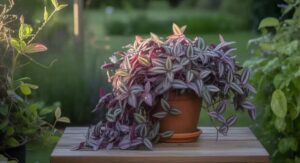
Propagation is where the wandering jew plant really earns its keep. This is not a plant you buy once — it is a plant you grow once, then multiply endlessly, filling your own home and gifting to everyone you have ever met who expressed even faint interest in houseplants.
1. Water Rooting Method:
Snip a stem of your wandering jew plant just below a leaf node — it needs at least two or three nodes on the cutting. Strip any leaves from the bottom two nodes, pop the cutting in a glass of clean water on a bright windowsill, and genuinely just leave it alone. Roots usually appear within seven to fourteen days. When they are around an inch long, pot into moist soil. Resist the urge to move it into water every few days to check — disturbing it just slows things down.
2. Direct Soil Rooting:
You can skip the water stage entirely with a wandering jew plant and push cuttings straight into a moist potting mix. Keep the soil lightly damp — not soaked — for two weeks, place it in a bright spot, and resist watering heavily until you feel some resistance when you gently tug the cutting, which tells you roots have formed. This method tends to produce a slightly sturdier plant with less transplant shock later, though it is a little harder to know if it is working because you cannot see the roots.
3. Timing for Best Results:
The plant is actively growing, stems are full of energy, and root development happens in under a week sometimes. If you have been meaning to propagate but keep putting it off, do it in April or May. Autumn cuttings take longer, winter ones can sit in the glass looking depressed for three weeks before anything happens, and the success rate drops noticeably once temperatures dip below about 18°C indoors.
Fixing Common Wandering Jew Plant Problems Before They Escalate:
Most problems with a wandering jew plant give you warning signs well before they become serious — you just have to know what to look for and act quickly rather than hoping things improve on their own.
1. Brown Tip Problem:
Heating vents and air conditioning blow dry air across leaves and cause exactly this kind of tip damage. Move the plant away from any direct airflow, switch to filtered or overnight-rested tap water, and consider placing a small humidifier nearby in winter. The damaged tips will not recover but new growth will come in clean, which is what matters.
2. Leggy Sparse Growth:
The plant is not sick, it is just trying to reach something brighter and it is doing so at the expense of density and colour. Move it somewhere brighter and then pinch off the stretched tips, cutting back to where the stem still looks healthy. New growth from lower nodes will come in bushy and full and the whole plant will look twice as good within a month of the move.
3. Spider Mite Signs:
Tiny pale speckles on the top of leaves, fine silky webbing underneath, and a generally dusty appearance — that is a spider mite infestation on your wandering jew plant, and it needs addressing the same day you spot it. Take the plant to the sink, turn it upside down, and blast the undersides of every leaf with a strong stream of water. Then mix a few drops of neem oil into water in a spray bottle and apply it every five days for three full rounds. These things breed fast so consistency beats intensity every time.
Wandering Jew Plant Varieties That Are Genuinely Worth Growing:
People often do not realise that what they know as a wandering jew plant is actually an entire genus — Tradescantia — with dozens of different types, all with their own leaf colours, textures, and growth habits. Here are the five varieties I would actually recommend:
- Tradescantia zebrina— The classic. This is thewandering jew plantmost people picture — two silver stripes on a deep green-purple leaf, vivid purple underneath. It catches light like nothing else and trails generously from almost any container you put it in.
- Tradescantia pallida ‘Purple Heart’— A fully purplewandering jew plant variety, every single part of it from stem to leaf tip. It handles more sun than most varieties and actually deepens in colour when it gets it, making it ideal for bright outdoor pots or south-facing indoor spots.
- Tradescantia fluminensis— The compact, shade-tolerant wandering jew plant type that suits darker spots better than any other variety. Leaves are bright soft green, the whole plant stays neater and less trailing, and it works beautifully in terrariums or grouped with larger shade-loving specimens.
- Tradescantia ‘Nanouk’— This new wandering jew plant cultivar has chunky, almost succulent-looking leaves in pink, white, and green that grow upright rather than trailing. It is the boldest-looking of all the varieties and looks spectacular in a small terracotta pot on a kitchen windowsill.
- Tradescantia sillamontana— The white velvetwandering jew planttype, covered in soft silvery-white fuzz that makes it look completely unlike its relatives. It prefers slightly drier conditions than the others and is genuinely one of the most tactile, interesting plants you can keep on a desk or shelf.
Displaying Your Wandering Jew Plant Beautifully Around the House:
Half the satisfaction of growing a wandering jew plant is putting it somewhere it can actually show off — because this plant, given a good spot and decent light, looks genuinely architectural in the way it trails and fills a space. Here are five placements that work particularly well:
- Hanging basket, near a window— The classic move for awandering jew plant, and it works because the vines trail down naturally and look spectacular. A macramé hanger about a metre from a bright window is hard to beat — the plant grows toward the light and the effect builds on itself over the season.
- High shelf, free-trailing— Position the pot high enough that the vines spill freely over the front of the shelf. The wandering jew plant covers bare shelving beautifully and adds softness to rooms that otherwise feel angular or sparse. Books, objects, or picture frames beneath it just make the whole thing look more curated.
- Wide windowsill, spreading sideways— On a deep windowsill with enough room to sprawl, a wandering jew plant will spread outward in both directions and frame the window naturally. You get the best light exposure this way, and the layered effect of trailing vines against daylight is something I never get tired of looking at from the room.
- Mixed plant stand display— Group several wandering jew plant varieties together on a tiered stand, mixing purple heart, zebrina, and nanouk types. The contrast between varieties — different purples, silvers, and pinks — creates a layered display that looks far more designed than it actually is, which is genuinely ideal.
- Outdoor ground cover patch— In climates that stay above 10°C year-round, the wandering jew plant makes a spectacularly fast-spreading ground cover. It fills in gaps under trees or along garden edges within a single season and needs almost no maintenance once it is established — just the occasional trim when it starts reaching too far out of bounds.
Conculsion
I have recommended the wandering jew plant to more people than I can count over the years — beginners, busy people, anyone who has killed every plant they have tried before. It has never let me down as a recommendation. This is a plant that meets you where you are, grows well even when care is imperfect, and produces something genuinely beautiful with very little fuss. Grow one. You will not regret it for a second.
FAQ’s
Q1. Is the wandering jew plant safe to have around pets?
The wandering jew plant is mildly toxic — skin contact with its sap can cause irritation in both cats and dogs, and eating the leaves tends to cause stomach upset. It is not severely dangerous but worth keeping out of reach, especially from cats who are drawn to trailing vines.
Q2. How fast will a wandering jew plant actually grow?
Genuinely fast, especially in spring and summer. A healthy wandering jew plant with good light and regular watering can push out several inches of new growth weekly. In peak growing season you will notice the difference almost day to day — it is one of the more visually satisfying plants to watch develop.
Q3. Can I leave my wandering jew plant outside over winter?
Only if you live somewhere frost never happens — USDA zones 9 through 12. Everywhere else, the wandering jew plant needs to come indoors before the first cold snap. Below about 7°C the leaves blacken, stems soften, and the plant rarely recovers from prolonged cold exposure — even a single hard frost can kill it entirely.
Q4. My wandering jew plant has gone mostly green — what happened?
It needs more light, almost certainly. The purple and silver colouring in a wandering jew plant comes from pigments that only produce in response to sufficient brightness. Move it somewhere considerably brighter and watch the new growth — it will come back purple within a couple of weeks in the right spot.
Q5. When does a wandering jew plant need repotting?
When roots start poking through drainage holes or circling visibly around the soil surface, your wandering jew plant is asking for more room. Go up just one pot size — a dramatically bigger pot holds excess moisture the roots cannot use and invites rot. Repot in spring if you can, giving roots the whole growing season to settle into fresh soil.
Q6. Does the wandering jew plant actually flower?
It does, though the flowers are small and easy to miss if you are not looking for them. The wandering jew plant produces delicate three-petalled blooms — pink, white, or pale purple depending on the variety — usually in spring and summer when light levels are highest. They are not the main show but they are a nice bonus when they appear.
Q7. Is it possible to grow a wandering jew plant in just water?
Yes — and it actually works reasonably well long-term. Keep the wandering jew plant cutting in a clean glass or vase, change the water every week, and add a few drops of liquid fertiliser once a month. It will not grow quite as vigorously as a soil-planted specimen but it stays alive, looks attractive, and is a good option for spaces where soil pots are impractical.
Q8. What is the ideal soil mix for a wandering jew plant?
Something light, loose, and fast-draining. A standard multipurpose potting mix with around 25 to 30 percent added perlite is what I use and the wandering jew plant has always done well in it. The perlite stops the mix compacting and ensures water moves through rather than sitting, which is where most soil problems start with this particular plant.
Summary
The wandering jew plant is not complicated — it just needs a few things done consistently right. Bright indirect light keeps the colour vivid. Letting the soil dry between waterings prevents root rot. Pinching stems regularly keeps growth dense rather than straggly.
Propagating in water or soil is almost foolproof in spring. Catch pests early and they never become a real problem. If you do those five things, your wandering jew plant will reward you with months of lush, trailing, genuinely beautiful growth that requires almost nothing in return. It is, by any reasonable measure, one of the best plants you can decide to bring home — and the wandering jew plant will absolutely prove that right from the first season you grow it well.