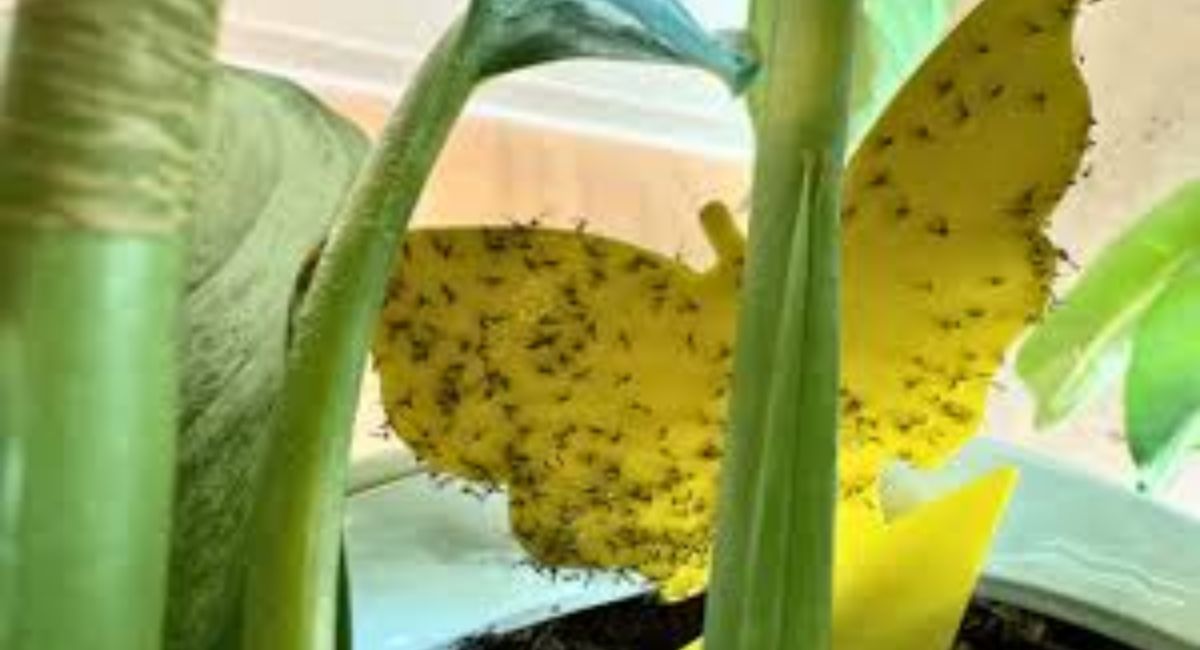
I still remember the morning I noticed tiny black specks around my favorite plant — within a week, my entire windowsill collection was affected. I tried coffee grounds, letting the soil dry, and moving plants to another room, but nothing worked. After weeks of trial and error, I finally understood what actually solves the problem. That experience completely changed how I handle indoor plant care, especially when it comes to soil choice, watering habits, and How to Get Rid of Gnats in Plants effectively.
Knowing How to Get Rid of Gnats in Plants is one of the most searched plant care questions online for good reason. These pests reproduce quickly and can damage plant roots before symptoms appear. The real problem is the larvae in the soil, not the adult gnats you see flying. Many people target only visible insects and miss the source. This guide covers proven methods including soil treatments, biological controls, watering adjustments, and long-term prevention for all plant types.
If tiny flies are ruining your indoor garden, learning how to get rid of gnats in plants is an essential skill.
How to Get Rid of Gnats in Plants by Understanding What They Actually Are:
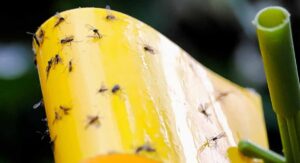
Before you treat any pest problem, identification is everything. The insects most people call “gnats” in houseplants are almost always fungus gnats (Bradysia species) — small, dark-bodied flies roughly 2–3 mm long that look like tiny mosquitoes with long legs. Their transparent wings fold flat across their slender bodies when resting, and they have a characteristic weak, zig-zagging flight pattern. Their larvae live in moist potting soil and feed on organic matter, soil-dwelling fungi, and, critically, plant roots — especially the delicate feeder roots responsible for nutrient absorption.
A very common mistake is confusing fungus gnats with fruit flies or shore flies, and treating the wrong pest wastes time while the infestation worsens underground. Fruit flies are rounder, brownish, and hover near rotting fruit and compost bins; fungus gnats are longer, darker, and cluster specifically around the soil surface, flying upward in a cloud when you disturb the pot or begin watering. Shore flies, another lookalike, have short antennae and white spots on their wings.
Getting this identification right is the essential first step in learning how to get rid of gnats in plants permanently, because the treatments differ meaningfully between species. Yellow leaves, wilting despite adequate watering, and stunted growth during the growing season are the most common plant care symptoms that signal larval activity is already damaging your root zone below the soil surface.
How to Get Rid of Gnats in Plants The Complete Life Cycle Breakdown:
Understanding the fungus gnat life cycle in detail is absolutely critical, because most treatments only target one stage and therefore fail to stop the problem. Female adults live just one week but lay up to 200 tiny white eggs in clusters near the soil surface or within the top inch of moist potting mix. Eggs hatch in just 3–6 days into translucent, white-headed larvae that spend the next two weeks feeding underground — consuming root hairs, organic debris, and the microorganisms and fungi growing in the soil. After this feeding phase, they pupate in small silk-lined chambers in the soil before emerging as new adults ready to restart the cycle.
This means that if you only kill the adults flying around your plant, a fresh generation is already developing in the soil beneath you, invisible and actively eating roots. Effective how to get rid of gnats in plants strategies must break at least two life cycle stages simultaneously — adults and larvae — to actually stop the infestation rather than just temporarily reduce the visible adult population. Treating every five to seven days for three full weeks ensures you catch each new generation as it hatches, preventing adults from ever reaching reproductive maturity and laying another batch of eggs in your precious potting soil.
How to Get Rid of Gnats in Plants Quick-Reference Treatment Comparison Table:
| Treatment Method | Target Stage | Effectiveness | Best For |
| Yellow Sticky Traps | Adults | High (monitoring + capture) | Early detection, ongoing control |
| Hydrogen Peroxide Drench | Larvae & Eggs | Very High | Immediate larval kill |
| Bacillus thuringiensis israelensis (Bti) | Larvae | Very High (biological) | Safe, long-term control |
| Neem Oil Soil Drench | Larvae & Adults | High | Organic gardeners |
| Diatomaceous Earth (Food Grade) | Larvae & Adults | Moderate | Soil surface barrier |
| Cinnamon Powder | Fungal Food Source | Low–Moderate | Prevention support |
| Bottom Watering Method | All (indirectly) | High (preventive) | Keeping topsoil dry |
| Predatory Nematodes | Larvae | Very High (biological) | Severe infestations |
| Apple Cider Vinegar Trap | Adults | Moderate | DIY home solution |
| Soil Replacement | All Stages | Very High | Severe root rot cases |
How to Get Rid of Gnats in Plants Using Soil-Based Treatment Methods:
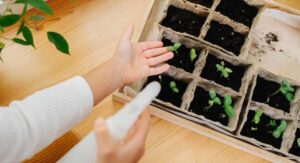
Soil-based treatments attack the problem at its source by targeting larvae and eggs before they develop into the reproducing adults you see flying around your plants and spreading the infestation further.
1. Hydrogen Peroxide
One of the most effective answers for how to get rid of gnats in plants is using hydrogen peroxide. Mix one part 3% hydrogen peroxide with four parts water and drench your soil thoroughly until it flows freely out of the drainage holes. The solution produces vigorous oxygen bubbles on contact with organic matter that kill larvae and eggs immediately without harming your plant’s root system or disrupting beneficial soil microorganisms at normal concentrations.
It also suppresses the fungal microorganisms that serve as the larvae’s primary food source, making the soil environment less hospitable for new generations. Repeat every five to seven days for three full treatment cycles, allowing the soil to dry slightly between applications, to completely break the infestation at the larval stage. This method is widely recommended for gardeners searching for reliable ways on how to get rid of gnats in plants naturally.
2. Beneficial Nematodes
Predatory nematodes (Steinernema feltiae) are microscopic roundworms that actively hunt and destroy fungus gnat larvae inside the soil with remarkable efficiency. These biological control agents are completely safe for plants, pets, children, and beneficial insects above the soil. Mix the nematodes with water according to package instructions and apply as a thorough soil drench in the early morning or evening when UV light won’t kill them.
They actively seek out and parasitize larvae, releasing bacteria that dissolve the host from within. They remain active in consistently moist soil for several weeks, providing ongoing biological protection against recurring larval populations. Many indoor gardeners use this as a long-term solution for how to get rid of gnats in plants without harsh chemicals.
3. Bti Soil Drench
Bacillus thuringiensis var. israelensis is a naturally occurring soil bacterium that produces crystalline proteins specifically toxic to gnat and mosquito larvae when ingested, causing fatal gut damage within hours. It is completely safe for beneficial insects, earthworms, mammals, and every other organism in your growing environment. Sold under brand names like Gnatrol or Mosquito Bits, Bti is applied as a soil drench every seven to ten days over two to three treatment cycles.
It remains one of the most trusted, widely recommended organic biological methods available for serious, persistent infestations and is approved for certified organic growing operations worldwide. For anyone researching how to get rid of gnats in plants, Bti remains one of the safest and most powerful organic treatments available.
How to Get Rid of Gnats in Plants by Targeting the Adult Flies Directly:
Adult control works best alongside larval treatments — trapping flying gnats reduces new egg-laying while your soil-based treatment eliminates the developing larvae already present.
1. Sticky Traps:
Yellow sticky traps exploit fungus gnats’ strong natural attraction to the color yellow, which mimics the appearance of young, healthy plant growth. Place traps horizontally just at or slightly above the soil surface rather than vertically in the air for maximum capture effectiveness. Change traps every one to two weeks or when they become visibly full of insects. Beyond killing adult gnats directly, sticky traps are invaluable diagnostic tools for anyone learning how to get rid of gnats in plants effectively — counting the insects caught per day tells you precisely whether your infestation is growing, stable, or declining in response to your treatment program.
2. Vinegar Traps:
Fill a small, shallow dish with apple cider vinegar, two drops of liquid dish soap, and a splash of water. The fermented vinegar scent strongly attracts adult gnats while the soap breaks the surface tension of the liquid, causing any gnat that lands to sink and drown quickly. Place traps directly beside and under your most heavily infested plants, refreshing them every two to three days. While vinegar traps alone are not powerful enough to eliminate a severe infestation, they make an excellent low-cost, chemical-free complement to sticky traps and soil-based treatments in a comprehensive control program.
3. Neem Oil Spray:
Neem oil contains azadirachtin, a potent natural compound that disrupts the hormonal and reproductive systems of insects at multiple life stages, preventing larvae from successfully maturing into breeding adults and reducing egg viability in females. Dilute cold-pressed neem oil with lukewarm water and a few drops of liquid castile soap as an emulsifier, then spray the mixture directly and thoroughly onto the soil surface and lower stem area. Neem oil also carries significant antifungal properties that help suppress the soil-borne fungal microorganisms that gnat larvae actively seek out and feed on underground, simultaneously starving the larvae while disrupting adult reproduction.
How to Get Rid of Gnats in Plants by Fixing Your Watering Habits First:

The single biggest reason gnats thrive in houseplants is chronic overwatering. Adjusting how you water your plants removes the conditions gnats need to survive and reproduce.
1. Let Soil Dry:
Fungus gnat larvae are physiologically incapable of surviving in dry soil — they require consistent surface moisture to complete their development from egg through to the pupal stage. Allow the top two full inches of your potting mix to dry completely between every single watering session. For the vast majority of tropical houseplants, including pothos, philodendrons, and monsteras, this drying period is not only completely harmless but genuinely beneficial to root health, encouraging deeper, more robust root development. Monitoring soil moisture accurately with your finger inserted to the second knuckle or a digital moisture meter eliminates guesswork and transforms your watering schedule from habit into responsive, data-driven plant care.
2. Bottom Watering:
Bottom watering means placing your pot directly into a shallow tray or basin of water and allowing the potting soil to draw moisture upward through the drainage holes by capillary action over approximately twenty to thirty minutes, then lifting the pot and allowing all excess water to drain completely before returning it to its saucer. The critical result is that the topsoil layer remains completely dry while the lower root zone receives all the hydration it needs. Fungus gnat females instinctively require consistently moist topsoil to successfully deposit their eggs — eliminating that surface moisture through bottom watering breaks the entire reproductive cycle naturally and progressively without any chemical intervention whatsoever.
3. Soil Amendment:
Amending your potting mix with drainage-improving materials fundamentally changes the moisture profile of your soil in ways that make it actively hostile to fungus gnat larvae. Adding 20–30% coarse perlite, pumice stone, or horticultural grit to standard potting soil creates a much faster-draining medium that dries out rapidly between waterings. Applying a half-inch to full-inch surface layer of horticultural sand, coarse grit, or decorative pebbles over the soil surface also creates a physical desiccation barrier that discourages adult female gnats from penetrating to lay their eggs. Together, these amendments address the root cause of gnat susceptibility in most indoor plant growing situations.
How to Get Rid of Gnats in Plants Top 5 Prevention Strategies That Work:
Preventing reinfestation after treatment is just as important as the initial cure. These five strategies keep gnats from returning to your plant collection.
- Always let topsoil dry completely between waterings to deny gnat larvae their essential moisture and reproductive environment.
- Quarantine every new plant purchase for at least two full weeks before placing it near your existing healthy collection.
- Use well-draining potting mixes with added perlite or pumice to prevent standing moisture in the root zone altogether.
- Remove all decaying leaves, dead roots, and organic surface debris regularly where soil fungi and gnats thrive actively.
- Apply yellow sticky traps near all your plants year-round as a reliable early warning system for new gnat arrivals.
How to Get Rid of Gnats in Plants When Root Rot Is Already Present:
Root rot and fungus gnats often appear together — the gnats feed on infected roots and spread fungal and bacterial pathogens further through the soil.
- Unpot the plant immediately and carefully inspect every root, trimming away all soft, brown, or mushy sections completely.
- Rinse remaining healthy white roots under lukewarm running water to fully remove old contaminated soil and hidden larvae.
- Treat all cleaned roots with a diluted hydrogen peroxide rinse to kill residual bacteria, fungal spores, and microorganisms.
- Repot into completely fresh, sterile, well-draining potting mix and a thoroughly cleaned container with adequate drainage holes.
- Begin a Bti or neem oil drench schedule on day one after repotting to immediately prevent any new reinfestation.
How to Get Rid of Gnats in Plants Recognizing Symptoms and Diagnosing Damage:
Catching a gnat infestation early limits the damage significantly. Knowing what symptoms to look for helps you act before root damage becomes irreversible.
1. Yellow Leaves:
Yellowing leaves that appear despite correct watering frequency and genuinely adequate light levels are one of the most consistent and reliable symptoms of an active fungus gnat larval infestation working below the soil surface. Larvae feeding aggressively on fine root hairs progressively impair the plant’s ability to absorb both water and dissolved nutrients, triggering classic chlorosis — yellowing — that typically begins at the lower, older leaves and works its way steadily upward through the plant over days and weeks. This symptom is extremely frequently and frustratingly misattributed to overwatering, underwatering, or a simple nutrient deficiency, which completely masks the true underlying pest problem and delays effective treatment significantly.
2. Wilting Plants:
When a plant wilts noticeably despite having moist, recently watered soil, root damage caused by fungus gnat larvae is always a primary suspect and should be investigated immediately. Larvae consume root tissue systematically and create entry wounds through the root surface that allow bacterial pathogens, harmful fungi, and other destructive microorganisms to colonize and spread throughout the root system. Even with water physically present in the soil, a severely root-damaged plant cannot absorb adequate moisture and nutrients to maintain leaf and stem turgor pressure. This compounding combination of direct pest feeding damage and secondary microbial infection can escalate rapidly into fatal root rot if the underlying infestation remains unaddressed.
3. Stunted Growth:
A plant that abruptly stops producing new leaves, extending existing leaves, or growing in any measurable way during what should be its active growing season — despite receiving correct light, consistent watering, and regular fertilization — may be suffering silently from chronic fungus gnat larval feeding activity below the soil surface. The relentless destruction of fine feeder roots robs the plant of the nutrient uptake capacity it needs to fuel new growth, essentially starving it even in a correctly fertilized growing environment. In seedlings and young cuttings, heavy larval infestations can cause catastrophic, total collapse within a matter of days, making early symptom recognition and prompt treatment critically important for protecting vulnerable young plants at every stage of development.
How to Get Rid of Gnats in Plants Organically Safe Methods for Every Home:
Organic and natural approaches are now the preferred choice for most home gardeners, offering effective control without exposing children, pets, or beneficial insects to harsh chemical compounds.
1. Cinnamon Treatment:
Cinnamon powder contains potent natural antifungal compounds, particularly cinnamaldehyde, that effectively suppress the soil-borne fungi that fungus gnat larvae rely on as a critical primary food source in the potting mix. Sprinkle a thin but even, complete layer of ground cinnamon uniformly across the entire surface of your potting soil, ensuring full coverage with no bare patches left untreated. Reapply a fresh layer after each watering session, as moisture disperses the active compounds over time. While cinnamon alone will not eliminate a heavy active infestation, it is a genuinely excellent preventive measure and a very useful complementary support treatment alongside other, more powerful organic approaches in a multi-method program.
2. Diatomaceous Earth:
Food-grade diatomaceous earth (DE) consists of the fossilized skeletal remains of ancient microscopic algae called diatoms, with razor-sharp silica edges at the microscopic scale that pierce the soft, thin exoskeleton of larvae and adult insects, causing rapid, fatal dehydration through moisture loss. Apply a thin, even layer across the entire soil surface and around the outer rim of the pot to create a complete physical barrier. DE loses its effectiveness when it becomes wet or waterlogged, so always reapply a fresh layer after each watering session. Food-grade DE poses absolutely no toxic risk whatsoever to plants, humans, pets, or beneficial soil organisms and provides a reliable, ongoing mechanical barrier against surface-level gnat breeding activity.
3. Essential Oils:
Several botanical essential oils have demonstrated measurable insecticidal and insect-repellent properties directly applicable to fungus gnat management in indoor growing environments. Properly diluted eucalyptus oil, peppermint oil, and lavender oil mixed with water and a small amount of castile soap as an emulsifier can be sprayed directly onto soil surfaces and around pot rims to repel adult gnats and kill on contact.
Clove oil in particular has been shown in independent studies to have strong larvicidal effects at low concentrations. Always test any essential oil preparation on a single small leaf area first and wait 24 hours before full application, as undiluted or excessively concentrated essential oils can cause significant phytotoxic burning damage to sensitive plant tissue and delicate root systems.
Conclusion
Learning how to get rid of gnats in plants requires tackling both adults and larvae simultaneously while addressing the true root cause — chronic moisture mismanagement in your potting soil. The gnats you see flying are merely a symptom; the real damage is happening underground, where larvae chew roots, introduce bacterial pathogens, and create the conditions for root rot and secondary fungal disease.
Combine yellow sticky traps for adult capture, a Bti or hydrogen peroxide soil drench for larval elimination, and fundamentally improved watering discipline to keep topsoil consistently dry between sessions. Execute this three-pronged approach with consistency every five to seven days for at least three full weeks, and you will eliminate even the most stubborn, well-established infestation — keeping your plants vigorous, your roots healthy, and your indoor garden genuinely gnat-free from this point forward.
FAQ’s
Q1: What is the fastest way to get rid of gnats in plants at home?
The fastest method for how to get rid of gnats in plants is a hydrogen peroxide soil drench combined with yellow sticky traps placed immediately above the soil surface.
Q2: Can I use dish soap to help with how to get rid of gnats in plants?
Yes — a few drops of dish soap mixed with apple cider vinegar creates an effective adult trap that complements soil treatments when learning how to get rid of gnats in plants.
Q3: Does cinnamon really work for how to get rid of gnats in plants?
Cinnamon’s antifungal properties reduce the fungal food source larvae need, making it a useful preventive measure in how to get rid of gnats in plants but not a standalone cure.
Q4: How long does it take when I use how to get rid of gnats in plants treatments?
The most effective how to get rid of gnats in plants treatment plans is to resolve a full infestation within two to four weeks when larvae and adults are targeted simultaneously.
Q5: Is overwatering the main reason I need to get rid of gnats in plants?
Overwatering is the number one cause — consistently moist topsoil is what triggers gnats to colonize your plants, making moisture control central to how to get rid of gnats in plants.
Q6: Are fungus gnats dangerous to my health beyond needing how to get rid of gnats in plants?
Fungus gnats are not directly harmful to humans, but knowing how to get rid of gnats in plants quickly prevents root damage and secondary disease from spreading through your plant collection.
Q7: Can neem oil help with how to get rid of gnats in plants organically?
Absolutely — neem oil’s active compound azadirachtin disrupts larval development and is one of the most effective organic tools in any how to get rid of gnats in plants treatment plan.
Q8: Should I repot my plant as part of how to get rid of gnats in plants treatment?
Repotting into fresh sterile soil is recommended for severe cases, especially when root rot is present alongside the infestation you are treating with how to get rid of gnats in plants methods.
Q9: Do beneficial nematodes work for how to get rid of gnats in plants safely?
Yes — Steinernema feltiae nematodes are one of the safest and most effective biological solutions available for how to get rid of gnats in plants without harming pets or children.
Summary
Mastering how to get rid of gnats in plants means combining soil treatments like Bti and hydrogen peroxide with adult traps and better watering habits. Fungus gnats thrive in overwatered soil, feeding on roots and spreading fungal disease, so drying the topsoil is your first and most powerful weapon. Whether you prefer organic solutions like neem oil and diatomaceous earth or biological agents like predatory nematodes, a consistent two-to-three-week treatment schedule targeting all life stages is what finally delivers lasting results.
Understanding how to get rid of gnats in plants at a root-cause level — not just surface-level adult control — is what separates gardeners who stay gnat-free from those who keep battling the same infestation season after season. Implement the strategies in this guide, maintain dry topsoil conditions between waterings, and use yellow sticky traps year-round as your early warning system. With this knowledge, how to get rid of gnats in plants moves from a frustrating mystery to a fully solved, manageable part of everyday plant care — and your indoor garden will be healthier for it. Remember: how to get rid of gnats in plants permanently means breaking their life cycle at multiple stages every single time.