Two summers ago I tried everything to fix the mozzie problem on my back deck — citronella candles, plug-in diffusers, spray repellents reapplied every couple of hours. Nothing worked well enough to make evening entertainment actually enjoyable. Then a friend visited, took one look at the sad collection of plants drooping in pots around the deck, and said the problem wasn’t what I was burning or spraying but what I was growing. Or rather, what I was failing to grow properly. Three of my supposed mozzie repellent plants had root rot. Another two were sitting in too much shade.
Whether you’re building a mozzie-free entertaining zone, protecting a veggie patch through summer, or keeping a balcony usable into the evenings, this guide to Mozzie Repellent Plants covers the complete picture — species selection, growing conditions, disease prevention, placement strategy, and the plant health principles that determine whether your aromatic garden actually delivers on its promise when the sun goes down and things start biting.
The best Mozzie Repellent Plants are healthy ones — a thriving aromatic garden works better than candles or chemical sprays always.
Mozzie Repellent Plants Why Plant Health Determines Real Effectiveness:

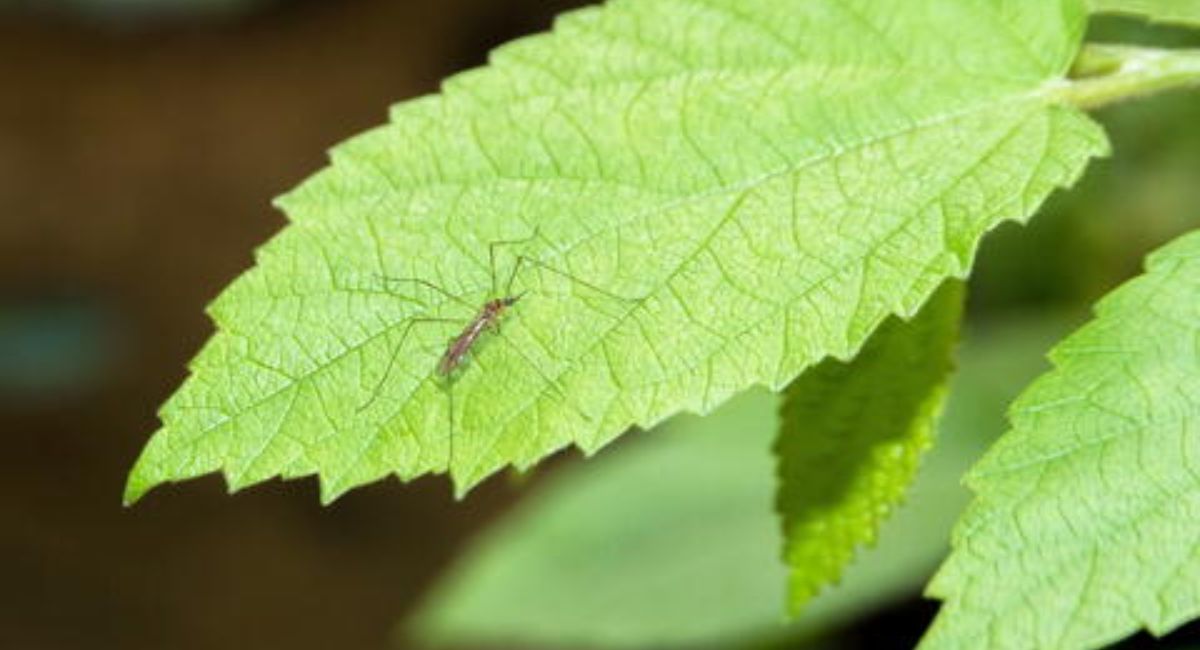
The most important thing to understand before choosing a single species or planting a single pot is the mechanism that makes aromatic plants work against mosquitoes. These insects find human hosts through carbon dioxide plumes from exhaled breath and the chemical signature of human skin — a complex mixture of lactic acid, ammonia, and hundreds of volatile organic compounds detected from significant distances. The volatile aromatic compounds released by mozzie repellent plants work by masking these host-location signals, creating chemical interference that disrupts mosquito navigation. Citronellal, linalool, geraniol, nepetalactone, eucalyptol, and PMD are the main active compounds across the most effective species — and every one of them is what plant biochemists call a secondary metabolite.
Secondary metabolites are compounds a plant produces beyond its primary survival needs, using surplus energy from photosynthesis after basic growth and cellular maintenance requirements are already met. A specimen dealing with root rot from Pythium or Phytophthora pathogens, fighting fungal leaf disease, battling viral infection from aphids, or suffering from waterlogged soil has no surplus energy for secondary metabolite production. The result is a plant that looks alive but has essentially stopped manufacturing the aromatic compounds that give it deterrent properties. That was exactly what was happening with my deck collection. The plants were there. They just weren’t working. And from the mosquitoes’ perspective, they might as well not have existed at all through those frustrating summer evenings.
Mozzie Repellent Plants Complete Species Quick-Reference Table:
Here is the complete comparison reference for the most effective and widely available mozzie repellent plants for Australian and Southern Hemisphere gardens — key specs in one place.
| Plant | Active Compound | Best Position | Main Care Need |
| Citronella grass | Citronellal, geraniol | Full sun, open space | Excellent drainage, divide every 2–3 yrs |
| Lemon balm | Citronellal, linalool | Part shade to full sun | Well-draining soil, avoid waterlogging |
| Lavender | Linalool, camphor | Full sun, dry conditions | Sandy soil, minimal water once established |
| Catnip (Nepeta) | Nepetalactone | Full sun to part shade | Well-drained, moderate moisture only |
| Basil | Linalool, eugenol | Full sun, warm spot | Consistent moisture, rich draining soil |
| Peppermint | Menthol, pulegone | Part shade, container | Moist but not wet, prevent spreading |
| Rosemary | Camphor, borneol | Full sun, dry to moderate | Perfect drainage, very infrequent watering |
| Marigolds | Pyrethrum, limonene | Full sun, garden borders | Deadhead regularly, good air circulation |
| Lemon eucalyptus | PMD | Full sun, large space | Room to grow, deep infrequent watering |
| Pennyroyal | Pulegone | Part shade, moist soil | Keep moist, absolutely never waterlogged |
Mozzie Repellent Plants Citronella Group Top Performing Species:
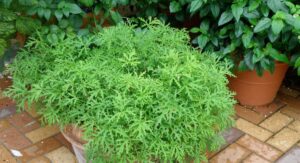
The citronella and lemon-scented group represents the most scientifically validated category of aromatic deterrent plants — these species underpinned the global citronella candle and essential oil industry, and their effectiveness at the living-plant level is well-documented when specimens are healthy and correctly positioned. The mozzie repellent plants in this group produce citronellal, geraniol, and linalool compounds that have the most robust published evidence for disrupting mosquito navigation across multiple research settings.
1. True citronella grass:
True citronella grass (Cymbopogon nardus) is among the most potent aromatics available — large vigorous clumps in full sun release citronellal and geraniol continuously through warm months. The main threat is waterlogged soil driving Pythium root rot, which yellows the grass clumps and destroys the root system responsible for volatile oil precursor production. Plant in raised positions with excellent drainage, divide established clumps every two to three years, and water deeply but infrequently to keep oil production at peak levels throughout peak mozzie season when these Mosquito Repellent Plants Garden are working hardest.
2. Lemon balm growing:
Lemon balm (Melissa officinalis) is the most accessible of this group — grows readily from seed or division, tolerates partial shade, and releases linalool and citronellal vigorously when leaves are brushed. The disease most likely to undermine its effectiveness is Septoria leaf spot — dark lesions with yellow halos spreading through humid overcrowded plantings. Space generously, avoid overhead watering, and remove diseased leaves immediately to maintain the healthy leaf area that makes lemon balm one of the most reliable aromatic mozzie repellent plants through the entire warm season.
3. Lemon eucalyptus effect:
Lemon eucalyptus (Corymbia citriodora) produces PMD — p-menthane-3,8-diol — with repellent efficacy approaching synthetic alternatives at equivalent concentrations. As a landscape tree rather than a container specimen, it works as a long-term strategy for gardens with space. Minimal maintenance once established, excellent drought tolerance, and the aromatic canopy creates a genuine deterrent microclimate across a wide area during warm evenings — making it one of the lowest-effort and highest-impact additions to any Mosquito Repellent Plants Garden collection for larger Australian garden spaces.
Mozzie Repellent Plants Herbs That Work Doubly Hard in Gardens:
Some of the most effective aromatic deterrents are simultaneously some of the most useful culinary herbs — basil, rosemary, peppermint, and lavender appear on both the deterrent list and the standard herb garden list. Growing them with dual purpose in mind actually improves their performance because regular harvesting drives the compact bushy growth that produces the highest volatile oil concentrations. A leggy, overgrown herb produces fewer oils per leaf area than a well-maintained, regularly harvested one — which is why the best mozzie repellent plants in this category are almost always also the most actively used culinary herbs in the household.
1. Basil near seating:
Basil is among the most effective warm-season aromatic deterrents for dining areas — linalool and eugenol deter both mosquitoes and the aphids that transmit viral disease to neighbouring food crops. Plant in full sun, keep evenly moist without waterlogging to prevent Fusarium wilt and Pythium root rot, and pinch out flowering stems continuously. Once basil bolts, it redirects energy from oil-rich leaves to seed production, sharply reducing the aromatic output that makes it a practical natural deterrent for mozzie repellent plants plantings through the outdoor living season.
2. Rosemary for dry spots:
Rosemary is the ideal aromatic choice for hot dry garden positions where more moisture-demanding species struggle — it thrives on neglect, tolerates genuine drought, and produces its camphor and borneol compounds most intensely in lean, dry, full-sun conditions. The one disease that seriously threatens it is Phytophthora cinnamomi root rot from overwatering — producing yellowing foliage and branch dieback that spreads rapidly inward. Plant in rocky or sandy soil, water sparingly, and rosemary becomes the lowest-maintenance entry in any serious Mosquito Repellent Plants Garden setup with excellent long-term performance.
3. Peppermint in containers:
Peppermint is potent but almost always better grown in containers than open beds — its invasive root system colonises surrounding garden space within a single season if given unrestricted run. Its menthol and pulegone compounds deter mosquitoes effectively in the immediate vicinity. Maintain consistently moist but never waterlogged soil, position in part shade through the hottest months to prevent leaf scorch that reduces oil production, and divide container specimens annually in spring to maintain the vigorous young growth producing the highest menthol concentrations — keeping this aromatic option in your mozzie repellent plants collection genuinely productive.
Mozzie Repellent Plants Lavender and Flowering Aromatic Options:

Lavender, catnip, and marigolds offer the dual advantage of genuine deterrent properties combined with significant ornamental impact — making them particularly valuable for gardeners who want practical aromatic pest deterrence without a purely utilitarian appearance. These species integrate naturally into cottage gardens and mixed borders while actively contributing to the deterrent chemistry of the outdoor living space throughout their peak flowering season. Each produces different active compounds and suits slightly different growing conditions, giving any mozzie repellent plants collection genuine species diversity for broader coverage.
1. Lavender placement guide:
Lavender is one of the most reliable long-lived aromatic plants available — linalool and camphor production peaks in full sun with lean, well-draining, neutral to alkaline soil. The worst thing you can do to it is plant in clay or overwater. Phytophthora root rot in waterlogged conditions and Botrytis grey mould in humid poorly ventilated positions are the two diseases most likely to undermine an established plant. Position in the most exposed, sunny, well-drained spot available; improve drainage aggressively with grit or raised beds before establishing lavender as a perennial aromatic deterrent component in the mozzie repellent plants garden.
2. Catnip high potency:
Catnip (Nepeta cataria) is among the most underrated and genuinely potent species available — nepetalactone has demonstrated repellent efficacy superior to DEET in some laboratory comparisons. Straightforward to grow in full sun to part shade with well-drained soil, it self-seeds freely once established. The obvious downside is feline attention if you have neighbourhood cats that will flatten it repeatedly. Grow in a raised bed or container to manage this while maintaining the vigorous plant health that keeps nepetalactone production at the levels needed for meaningful deterrence — making it an unusual but highly effective addition to the Mosquito Repellent Plants Garden lineup.
3. Marigold border planting:
Marigolds are arguably the most versatile flowering option — pyrethrum and limonene deter mosquitoes while root exudates suppress nematodes and flowers attract the beneficial insects that control aphid populations spreading viral disease through the garden. Plant densely as a border around outdoor living areas and veggie patches, deadhead spent blooms regularly to extend flowering through summer and autumn, and maintain good airflow between plants to prevent the grey mould that accumulates in crowded humid conditions — keeping your Mosquito Repellent Plants Garden border healthy and productive through every warm month.
Mozzie Repellent Plants Common Diseases That Reduce Effectiveness:
Disease is the hidden reason so many aromatic garden setups fail to deliver the protection people expect. A diseased plant diverts energy from volatile oil production toward survival responses — meaning the specimen looks alive but has stopped contributing to the deterrent chemistry your outdoor space depends on through peak season. Understanding the diseases most likely to affect these aromatics lets you catch problems early before infections reduce oil output to the point where the plants stop working as practical mozzie repellent plants entirely during the summer months when protection matters most.
- Root rot from Pythium and Phytophthora destroys root systems that synthesise volatile oil precursors, making the plant functionally useless as a deterrent.
- Fusarium wilt colonises vascular tissue of basil and mint, causing rapid wilting and complete plant collapse without obvious warning signs beforehand.
- Botrytis grey mould covers lavender, lemon balm, and marigold foliage in cool humid conditions, destroying aromatic leaf area and reducing repellent output.
- Aphid infestations transmit mosaic viral disease between plants causing distorted growth and measurably reduced volatile compound production almost immediately after infection.
- Septoria and Cercospora leaf spots spread rapidly through overcrowded aromatic plantings, reducing healthy leaf area and overall volatile oil output progressively through summer.
Mozzie Repellent Plants Positioning Strategy for Maximum Protection:
Even a perfectly healthy, vigorously growing aromatic garden provides minimal practical protection if positioned in the wrong places relative to where people actually spend time. This is the placement gap that explains why many gardeners have aromatic plants and still have a mozzie problem — the plants are present but their volatile compounds aren’t reaching the airflows that connect to where people sit and gather. Strategic placement of mozzie repellent plants turns what would otherwise be a decorative aromatic garden into a functioning biological barrier that actually changes the mosquito experience in the outdoor living space across warm evenings through summer and autumn each year.
- Position aromatic plants within arm’s reach of seating so guests brush them and release volatile oils naturally during evening gatherings outdoors regularly.
- Build a living aromatic perimeter around entertaining areas using your best mozzie repellent plants to create a chemical barrier zone that deters navigation.
- Place containers at garden entry points where movement releases repellent compounds into surrounding evening airspace effectively without requiring deliberate activation.
- Orient plantings upwind of prevailing evening breezes so aromatic compounds drift consistently across seating areas throughout the warm summer and autumn months.
- Layer tall species like lemon eucalyptus with ground-level aromatics to create multi-height protection zones across the entire outdoor living area simultaneously.
Mozzie Repellent Plants Soil, Water, and Feeding for Peak Performance:
Keeping aromatic plants genuinely productive — not just alive but actively generating volatile oils at meaningful concentrations — requires getting three fundamental care variables right: soil drainage, watering discipline, and appropriate fertilisation. These three factors together determine whether your aromatics are at peak chemical output or just sitting in the garden looking decorative while providing minimal practical deterrence during the season when mozzie repellent plants are needed most and most appreciated by everyone using the outdoor space.
1. Soil drainage requirements:
Most aromatic deterrent species evolved in lean, dry, well-draining conditions and actively dislike waterlogged root environments. Waterlogging creates the anaerobic conditions where Pythium and Phytophthora root rot pathogens proliferate — destroying root systems responsible for volatile oil precursor synthesis. For containers, blend quality potting mix with twenty-five percent perlite or coarse grit. For garden beds, incorporate coarse sand through the top thirty centimetres of heavy soil or build raised beds to guarantee passive drainage that keeps root zones aerated and pathogen populations suppressed — essential for any serious Mosquito Repellent Plants Garden collection through every growing season.
2. Watering aromatic plants:
Overwatering is the single most common reason aromatic deterrent gardens underperform — it causes root rot, reduces volatile oil production dramatically, and eventually kills the plant. Most aromatic species prefer soil to dry out partially between waterings rather than staying consistently moist. Check moisture by probing two inches deep before watering; water deeply when dry then leave alone. Yellow leaves, soft stems at the soil line, and a sour smell from the pot are the diagnostic signs of root rot in any Mosquito Repellent Plants Garden specimen requiring immediate unpotting, root inspection, and fresh well-draining mix before returning it to service.
3. Fertilising for scent:
Fertilising aromatic plants requires restraint rather than generosity. High-nitrogen feeds produce rapid leafy growth at the expense of volatile oil concentration — creating plants that look lush but smell faint and provide minimal practical deterrence in real garden conditions. Use low-nitrogen, phosphorus and potassium-focused slow-release fertilisers at half-strength, or organic alternatives like worm castings, compost tea, and seaweed solution. These build soil microorganism communities and gentle nutrient availability without the nitrogen flush that suppresses the secondary metabolite production responsible for your Mosquito Repellent Plants Garden actually performing their intended function effectively outdoors.
Conclusion
Building an effective aromatic deterrent garden is as much about plant health management as species selection. Prevent root rot through excellent drainage, manage fungal and bacterial diseases before they reduce volatile oil output, position plants where their aromatic compounds reach the spaces you occupy, and avoid the high-nitrogen feeding that produces lush growth at the expense of repellent chemistry. Healthy, well-placed mozzie repellent plants genuinely transform outdoor living through every Australian summer season without chemicals or ongoing expense.
FAQ’s
Q1. Do mozzie repellent plants actually work against mosquitoes scientifically?
Healthy mozzie repellent plants genuinely work — studies confirm their volatile compounds disrupt mosquito navigation when plants are vigorous and correctly positioned outdoors.
Q2. Which mozzie repellent plants work best in Australian summer conditions?
Citronella grass, lemon eucalyptus, lavender, and catnip are the most effective mozzie repellent plants for Australian gardens — all thrive with full sun and drainage.
Q3. Why aren’t my mozzie repellent plants actually keeping mozzies away?
Diseased or waterlogged mozzie repellent plants produce minimal volatile oils — check for root rot and fungal leaf disease significantly reducing aromatic compound output immediately.
Q4. How do I keep mozzie repellent plants healthy through Australian summer heat?
Water mozzie repellent plants deeply but infrequently, ensure excellent drainage, use low-nitrogen fertiliser, and remove diseased tissue promptly throughout the growing season.
Q5. Can mozzie repellent plants thrive in pots on a small balcony?
Yes — most aromatic mozzie repellent plants thrive in containers with a well-draining mix, and balcony placement near seating maximises their practical protection where people gather.
Q6. What causes yellow leaves on mozzie repellent plants like lemon balm?
Yellow leaves on mozzie repellent plants almost always signal overwatering-induced root rot or soil nutrient depletion requiring immediate repotting into fresh draining mix.
Q7. Do mozzie repellent plants need full sun to produce repellent compounds well?
Most mozzie repellent plants produce highest volatile oil concentrations in full sun — shade reduces aromatic intensity and practical deterrence across nearly all common species.
Q8. How close should these plants be placed to outdoor seating for effectiveness?
Position mozzie repellent plants within arm’s reach of seating — brushing contact releases volatile oils most effectively for maximum localised protection during outdoor evening gatherings.
Q9. Are any mozzie repellent plants unsafe around pets or small children?
Pennyroyal among common mozzie repellent plants should be kept away from pets — always verify individual species toxicity before growing near animals or young children.
Summary
A genuinely effective mozzie repellent plants strategy is built on plant health first, species selection second, and strategic placement third — in that order. The volatile aromatic compounds that deter mosquitoes are secondary metabolites produced only by vigorously growing, root-healthy, disease-free plants with surplus photosynthetic energy to spare. Root rot from Pythium and Phytophthora, fungal diseases from Botrytis and Septoria, bacterial infections, and viral pathogens spread by aphids all redirect plant energy away from the aromatic oil production that defines a working collection.
Choose species suited to your climate, provide the excellent drainage and lean nutrition that most aromatics evolved to prefer, position plants strategically where their compounds intercept mosquito navigation paths, and maintain health through every warm season with prompt disease management. Do those things and your mozzie repellent plants will genuinely earn their place — not just looking the part, but actively working every evening when summer mozzies are at their most persistent.