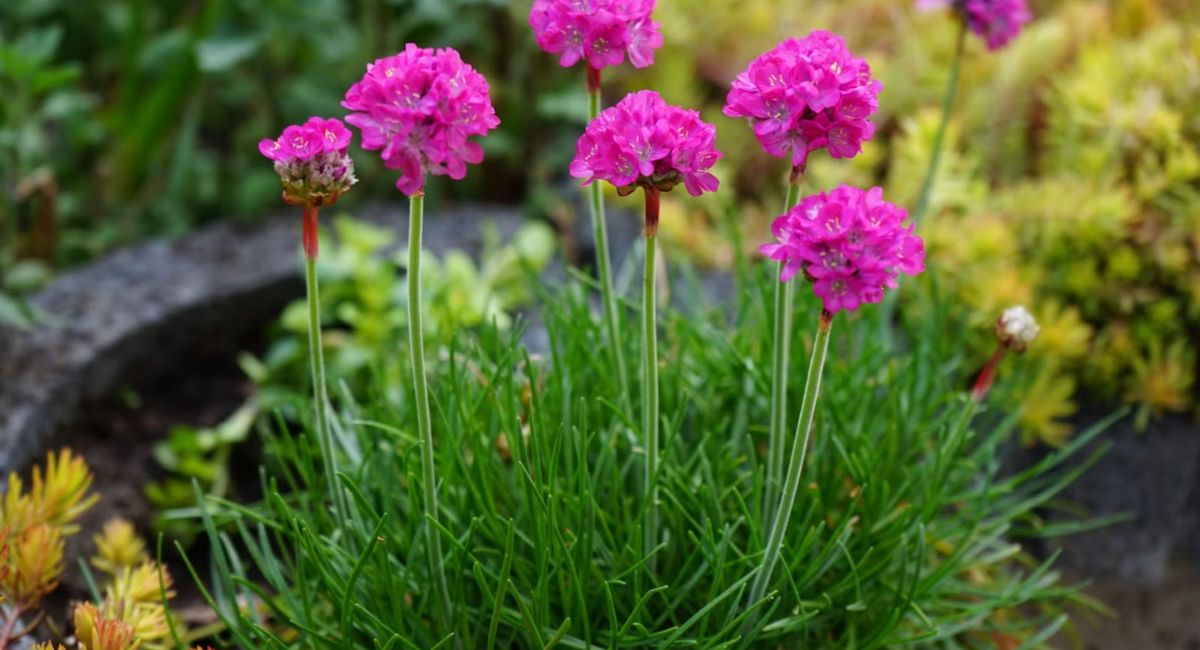
I had this ugly strip of dirt running along my fence line for two full years. Tried grass twice — died both times. My neighbor kept suggesting ground cover plants and I kept brushing her off because I figured they were just something people planted around mailboxes to fill space. Then one spring I finally gave in and put creeping thyme and ajuga along that whole border. By midsummer it looked like something out of a garden magazine.
These low-growing spreaders ended up fixing three other problem spots I’d basically given up on — the dead zone under my oak tree, a steep little slope by the driveway that kept washing out every time it rained, and a dry sunny patch near the garage where nothing wanted to grow no matter what I tried. Ground Cover Plants sorted all of it without much effort on my part.
If your yard feels impossible, ground cover plants can completely change outdoor spaces with less maintenance, fewer problems, better coverage.
Ground Cover Plants Basics That Every New Gardener Should Know:
Ground cover plants are low-growing plants — usually under a foot tall — that spread outward to fill space, suppress weeds, and hold soil in place against erosion. They’re not one specific plant type but a whole category that includes perennials, low shrubs, ornamental grasses, and some vines grown horizontally rather than trained upward.
What makes them genuinely useful rather than just decorative is the way they work with your yard’s natural conditions instead of fighting against them. Traditional lawns demand a lot — regular watering, fertilizing, mowing, aerating, and reseeding after damage. A well-chosen ground cover, once established, asks for almost none of that. It just quietly spreads, fills in, and handles its job season after season without being asked.
The variety available is also worth appreciating. You can find ground cover plants suited to deep dry shade, blazing hot full sun, steep erosion-prone slopes, boggy wet spots, and nearly every challenging condition in between. That range of options is one of the main reasons experienced gardeners reach for ground cover plants so quickly when a problem area needs solving. Whether you need something evergreen, flowering, fragrant, or fast-spreading, there are ground cover plants specifically bred for exactly that purpose — and most of them cost far less per square foot to establish than laying fresh sod or building raised beds.
Ground Cover Plants for Shade Best Options Under Trees:
Growing anything under a large tree is one of the harder challenges in home gardening. The roots compete aggressively for water and nutrients, the canopy blocks most available light, and the soil tends to be dry and acidic from years of fallen leaf litter decomposing on the surface. Grass gives up entirely in these conditions, leaving bare dirt that looks neglected and erodes badly when it rains.
Low-spreading ground cover plants specifically chosen for shade change this situation completely. The right ground cover plants fill that dead zone with living color and texture year-round while asking almost nothing in return once settled in. These three are among the most dependable options consistently recommended by experienced gardeners.
1. Sweet Woodruff:
Sweet woodruff is one of the most reliable shade performers you’ll find. It stays low — usually around eight inches — spreads at a moderate pace, and produces delicate white flowers in late spring that smell faintly of fresh hay when you brush against the foliage. It handles dry shade reasonably well once established, which is exactly what most tree canopies create underneath them. Plant in fall or early spring and it spreads noticeably in its first full growing season.
2. Hostas:
Hostas are arguably the most popular shade-tolerant option in North American home gardens, and the reputation is well earned. They come in an almost overwhelming range of sizes, from miniature varieties that stay a few inches tall to giants with leaves the size of dinner plates. Their thick, waxy foliage suppresses weeds effectively and the plants are close to indestructible once established. Slugs are the primary nuisance — a ring of coarse grit or crushed eggshell around each plant handles that problem simply and cheaply.
3. Pachysandra:
Out in the shadowy spots where little thrives, pachysandra takes hold without fuss. Through winter and summer alike, its thick green foliage stays fresh, never dropping bare. Spreading slowly beneath the soil on creeping stems, it claims space over time with quiet persistence. Once settled, care fades into the background – no constant checks, no demands. Shiny leaf surfaces keep their crisp look even when light barely touches them. Where big tree roots steal moisture and nutrients, this plant holds its ground like few others manage.
Ground Cover Plants for Sun Tough Choices for Hot Dry Areas:
Full sun areas — especially those with poor, sandy, or compacted soil — are another common problem that ground cover plants solve far better than lawn grass. These spots typically drain fast, heat up quickly in summer, and outlast most traditional plantings by several seasons once established.
Sun-loving varieties are built differently from the start. Many of them evolved in dry, rocky, or coastal environments where soil quality is genuinely poor and moisture is scarce for long stretches. That natural toughness translates directly into low-maintenance performance in home garden conditions.
1. Creeping Thyme:
Creeping thyme might be the most versatile sun-loving option available to home gardeners. It stays low — usually two to four inches — and spreads into a dense fragrant mat that erupts with tiny pink or purple flowers in early summer. It handles foot traffic better than most alternatives, making it excellent between stepping stones or along paths where other plants get crushed. Bees are all over it when it’s in bloom, which is a genuinely nice bonus if you care about pollinators.
2. Sedum:
Low-growing sedum varieties like Sedum acre and Sedum album are bulletproof in hot, dry, sunny spots. They’re succulents, storing water in their thick leaves and handling drought conditions that finish off most other plants without much visible stress. They spread at a reasonable pace, stay tidy, and produce cheerful yellow or white flowers in summer. If you have a gravel garden, a south-facing slope, or a spot with truly terrible sandy soil, sedum is where most experienced gardeners would tell you to start.
3. Catmint:
Catmint produces soft blue-purple flower spikes that bloom for an unusually long stretch through spring and early summer, and cutting it back hard in midsummer usually triggers a second flush in fall. It’s a fantastic border option for full sun, growing to roughly twelve to eighteen inches and spreading into a relaxed billowing mound that looks good even when it isn’t flowering. Deer tend to avoid it, rabbits leave it alone, and it genuinely thrives on neglect once it’s properly settled in.
Ground Cover Plants Variety Comparison Popular Options Ranked:
Choosing the right plant for your specific situation saves a lot of frustration and wasted money. Here’s a practical side-by-side look at the most widely used varieties.
| Plant Name | Sun Requirement | Mature Height | Spread Speed | Best Situation |
| Creeping Thyme | Full sun | 2–4 inches | Moderate | Pathways, dry slopes, poor soil |
| Pachysandra | Full to part shade | 6–10 inches | Slow-moderate | Deep shade under large trees |
| Hostas | Part to full shade | 6 inches–4 feet | Slow | Shaded borders, woodland edges |
| Sedum (low type) | Full sun | 2–6 inches | Fast | Dry slopes, gravel, rock gardens |
| Ajuga | Part shade to shade | 4–6 inches | Fast | Erosion control, shaded banks |
| Sweet Woodruff | Part to full shade | 6–8 inches | Moderate | Dry shade, under deciduous trees |
| Vinca Minor | Sun to part shade | 4–6 inches | Fast | Slopes, large open areas |
| Catmint | Full sun | 12–18 inches | Moderate | Sunny borders, pollinator gardens |
| Creeping Phlox | Full sun | 4–6 inches | Moderate | Rock gardens, spring-show slopes |
| Liriope | Sun to full shade | 12–18 inches | Slow-moderate | Versatile borders, difficult areas |
Ground Cover Plants for Slopes Stopping Erosion That Costs You Soil:

Slopes are probably the most problematic area in any garden. Rain runs straight down them, pulling topsoil along with it. Grass struggles to establish on anything steeper than a gentle incline, and mowing a steep bank is awkward at best and genuinely dangerous if the angle is significant enough.
Spreading ground cover plants with strong root systems are the practical answer — not just aesthetically, but structurally. The roots knit the soil together, the foliage cushions the impact of heavy rain on bare ground, and once established, ground cover plants become dense enough to outcompete most weed growth naturally. This is one of the situations where choosing the right ground cover plants early saves you real money in topsoil replacement and ongoing frustration over time.
1. Ajuga Works Fast:
Ajuba creeps forward quicker than most ground covers – perfect if time is short before storms hit. Purple tones mix with bronze or green leaves, shifting by type. Come spring, little blue blooms rise above the mat like tiny towers. As it moves across the ground, it anchors down at each point, weaving a grip that locks dirt in place, especially where slopes tilt just enough to cause concern.
2. Vinca Minor Handles Slopes:
Vinca minor, or periwinkle, is a slope planting classic for good reason. Spring brings charming blue-purple blooms from this hardy plant, spreading easily through touch-rooting stems that trail along the ground. Even under shifting light – from full sunshine to heavy shadow – it holds strong, thriving in everything from parched spots to damp earth. This resilience suits steep banks well, where growing circumstances change drastically from top to bottom. From day one, mark boundaries sharply; otherwise it creeps into unwanted spaces, proving stubborn when pulled back once fully established.
3. Creeping Phlox Blooms Beautifully:
Creeping phlox is the plant that makes people slow down their cars in spring. The flower coverage is so dense — pink, purple, or white — that you can barely see the foliage beneath it during peak bloom. After flowering it settles into a tidy evergreen mat that holds soil reliably through the rest of the year. It needs full sun and decent drainage but on the right sunny slope it’s one of the most visually rewarding things you can establish for relatively little cost and effort.
Ground Cover Plants Watering and Feeding During Establishment:
Most of these plants are chosen specifically because they’re low maintenance, but a little focused attention during establishment makes a real difference in how quickly they spread and how healthy they look through the first couple of seasons before they’re fully settled in.
- Water newly established plants deeply two or three times each week for the first four to six weeks after planting, then gradually reduce frequency as roots develop — most varieties become significantly more drought-tolerant after a full growing season in the ground and won’t need the same attention year two onward.
- Apply a two to three inch layer of organic mulch between individual plants right after planting to hold soil moisture, regulate temperature swings, and suppress weeds while your planting is still sparse enough that weed seeds can reach the ground and germinate beneath it.
- Feed most varieties once in early spring with a balanced slow-release granular fertilizer — don’t overdo it, because high nitrogen levels tend to push soft leafy growth at the expense of the tight spreading habit that makes low-growing spreaders effective at covering ground and holding soil.
- Trim or shear plants lightly in early spring before new growth starts to remove any winter-damaged stems, tidy up trailing growth that has wandered beyond its intended boundaries, and redirect the plant’s energy into fresh lateral spreading rather than maintaining old woody growth from prior seasons.
- Watch your planting closely through its first summer for signs of root competition stress — yellowing leaves, sluggish growth, or a generally stunted appearance are common near large established trees and respond well to supplemental watering and fertilizing until the planting matures.
Ground Cover Plants Spreading and Year-Round Maintenance Habits:
Once plants are established, maintenance drops considerably — but a few consistent habits keep everything looking tidy and prevent the more vigorous spreaders from overstepping their boundaries into areas you didn’t intend them to reach.
- Divide clump-forming varieties like hostas and liriope every three to four years in spring or fall — this prevents center dieback, revives the plant’s vigor, and gives you free divisions to fill new areas of the garden without spending money at the nursery for fresh stock.
- Edge along hard surfaces like paths, driveways, and lawn borders two or three times per growing season using a sharp spade or half-moon edger — this is the habit that separates a planting that looks intentional and well-kept from one that looks like it’s gradually escaping.
- Hand-weed consistently during the first growing season before coverage becomes dense enough to suppress germination naturally — neglecting this window allows weeds to establish root systems deep enough to compete with your planting indefinitely even after it fills in.
- Cut back vigorous spreaders like vinca and ajuga firmly when they cross into lawn areas or neighboring beds — both recover quickly from hard cutting and there’s no need to be gentle about enforcing a defined edge on plants that respond this well to shearing.
- Replant any persistent bare patches during spring or early fall by dividing sections from the healthiest areas of the existing planting rather than buying new plants — divisions from already-adapted material settle in far faster than nursery stock and fill gaps more reliably in the first season after planting.
Conclusion
Ground cover plants solve the problems that wear most home gardeners down — bare dirt, slope erosion, impossible shade zones, and the endless maintenance cycle of a struggling lawn. Pick the right plant for your specific conditions, give it decent care through its first season, and it repays that effort with years of spreading, weed-suppressing, soil-holding beauty that genuinely improves year after year. Start with one problem spot, see what happens, and go from there.
FAQ’s
Q1: How fast do ground cover plants actually spread?
Speed varies widely by species. Fast-spreading ground cover plants like ajuga and vinca fill a space within one to two seasons. Slower ground cover plants like pachysandra and hostas typically take three or more years to achieve dense coverage under most conditions.
Q2: Can ground cover plants fully replace a lawn?
In many spots, absolutely yes. They work especially well in shaded areas, on slopes, and in dry or poor-soil zones where grass fails repeatedly, removing the mowing and watering requirements that make those areas so frustrating to maintain season after season.
Q3: Which ground cover plants perform best in deep shade?
Pachysandra, sweet woodruff, and hostas are the most reliable ground cover plants for deep shade. All three tolerate dry conditions under large tree canopies, which is genuinely one of the hardest situations to plant in any residential garden.
Q4: Do ground cover plants need fertilizing every year?
Most established varieties don’t need annual feeding. A single application of slow-release balanced fertilizer in early spring every two to three years is usually sufficient to keep most ground cover plants healthy and spreading at a consistent pace.
Q5: Which ground cover plants stop erosion best on slopes?
Ajuga, vinca minor, and creeping phlox are among the strongest ground cover plants for slope erosion control. Their root systems spread aggressively and bind soil effectively even on moderately steep banks where other planting options fail quickly.
Q6: How do I stop ground cover plants from spreading too far?
Edge along defined boundaries two or three times during the growing season with a sharp spade. Most ground cover plants respond well to firm edging and won’t be set back by keeping them within a clearly maintained border each season.
Q7: What is the best time of year to plant ground cover plants?
Early spring and early fall are the best windows for establishing ground cover plants in most climates, giving roots time to settle before summer heat or winter cold arrives. Spring planting usually produces the most visible spread in the first season.
Q8: Are ground cover plants safe around pets and children?
Most common ground cover plants are completely non-toxic. Vinca minor is mildly toxic if eaten in quantity, so it’s worth checking individual species against a verified pet-toxicity resource if you have animals that graze regularly on garden plants.
Summary
Ground cover plants are among the most practical and genuinely underused solutions in home gardening. They tackle erosion, shade problems, and high-maintenance zones while adding real color and texture across the seasons. Whether you choose creeping thyme for a sunny bank or pachysandra for a dry shaded corner, the right ground cover plants reward reasonable upfront effort with years of low-maintenance beauty that gets better over time.